Hey there…it’s been a while, I know, inconsistent. Honestly, it is difficult to write about traveling when you aren’t traveling regularly….Good news! that is getting ready to change.
When Phil and I settled in North Carolina after returning from Spain, we knew it wouldn’t be our forever home. Don’t get me wrong, it’s a fine place to live, but we knew a couple things: 1. We wanted to save and take another period of extended travel and 2. When we settle down more permanently, we want to do it in California. We loved our time living in California and it felt like home (and still feels like home).
Well, upon our arrival we started saving for another period of extended travel almost immediately. The decision on where we would go has changed a couple of times, but it was never a question of if, always of when. We had a certain dollar amount in mind that we wanted to save before leaving and we saved it, a little earlier than we’d anticipated. So, when? Now!
I quit my job and we’ll be leaving North Carolina at the end of September (only a couple weeks away!) and will be traveling around the U.S. visiting family over the next few months. Since Phil works remotely, he will continue to work during this time.
Are you ready for the plan? As excited as we have been to plan? Here we go!
In early January 2026, we’ll leave the U.S. for the first stop, India! India has been on our list of countries to visit since we met our dear friend, Utkarsh, in Spain. Utkarsh is from the north of India and had been living in Delhi for several years. Prior to spending time with Utkarsh and learning a bit about India and seeing the photos of his own travels throughout the country, Phil and I had not had a great desire to visit. Now we are excited that it will be the first stop on our trip.
Following India, we will travel to Hong Kong and China, then spend time in Southeast Asia for several months. We plan to return to Japan, visit Korea, and while we are nearer than we’ve ever been, see New Zealand and Australia too.
Unlike our time living in Spain, we won’t have a home base this time. We will stay in some countries longer than others (30-90 days depending on the Visa stipulations), but will be living out of our suitcases.
During our last six months in Europe, after we left Gijón, we lived out of our suitcases. It was fun and tough at the same time. I remember Phil and I singing the old show, WKRP In Cincinnati, theme song to one another as we’d pack up, preparing to get on the road again (seems like a missed opportunity to sing On the Road Again, if you ask me).
To put it very simply, I know this trip will be fun…and tough, full of challenges and beauty and with moments of feeling uncomfortable and others of being happy, knowing all is right with the world. When we were in the early stages of planning, we seriously considered returning to Spain to live in another Autonomous Community for a year or so. We like Spain, and, we are comfortable in Spain.
The older Phil and I get, the less we are willing to deal with being uncomfortable, as that seems to be the way of humans. In a few years, we may not be as willing or able to embrace the discomfort. Our upcoming trip is going to be uncomfortable in many ways but it is also going to be awesome and full of adventure (and so much good food!). We decided on the more uncomfortable travel option because if you put off something for too long, sometimes fate makes the choice for you, good or bad.
Stay tuned as we prepare for and embark on our next chapter!
Lijiang in Yunnan, China. One of the many places we intend to explore
Now, let’s get to my favorite part of our trip. You know I love food and trying new foods. It’s one of the wonderful things about travel. Sure, it’s tasty and pleasurable, but it’s also exciting to try new flavors and textures that aren’t the norm in your region of the globe.
If you read my first Tokyo post, you’ve seen these photos already. This meal was such a stellar experience, it was worth posting them again. We struck up a conversation on our first day in Tokyo with a local man named Wilson who ended up taking us to a neighborhood restaurant for an unforgettable meal.
In Japan, you can’t really go wrong with food. You’re going to find good food most places you look, even in the convenience stores. We knew this going in, particularly the famous 7-Eleven egg salad sandwiches.
Egg Salad! I am very neutral on egg salad. It is not something I ever crave, make, or order at a restaurant, but if someone made me an egg salad sandwich, I would happily eat it. That did not stop me from being very excited about trying all manner of Tokyo convenience store egg salad sandwiches. I found the Family Mart egg salad to be my favorite; creamy without being too mayo-y, yolk heavy on fluffy white bread. Phil has absolutely no interest in egg salad and was borderline grossed out at my enthusiastic search for it.
The convenience stores have so many delicious things to try; sandwiches, noodles, a hot bar with all kinds of yum yums plus sweet treats, salty crunchies, and many alcoholic and non alcoholic beverage offerings. Everything is also very fresh tasting. Below is a photo from one of our hauls.
The soy sauce and may potato chips were, surprisingly, my favorite. The sweet potato and salty butter (chips? I guess they were chips. They weren’t crackers. They were delicious.) were another standout. I must have eaten at least 3 bags.
A lot, and I mean a lot, of the pre-made convenience store sandwiches have wasabi in them. The problem is, this is not often mentioned on the label. I do not like wasabi or its cousin, horseradish. It’s not the spice, it is the flavor. This does bring me shame since, as an adventurous eater and food lover, I really want to like it. All this to say, if you are visiting Japan and also do not like wasabi: heads up, it is in many sandwiches and dishes.
Ramen! You kind find ramen all over Tokyo. We enjoyed some at a small little restaurant when we were exploring the Kawagoe area of Tokyo. It was the best ramen I have ever had in my life. We weren’t specifically seeking out ramen at the time, we just passed the spot and decided to go in. If you were on a search for well-known or “best” ramen spots in Tokyo, don’t fret if you don’t find it, most any that look decent, I am sure, will be mind blowing.
Sushi! We had sushi a couple of times and the most memorable was here. Sushi-no-darihan was a spot that Phil had saved on our map (likely from a Tik-Tok recommendation). It was fairly close to our hotel, so we walked there hoping to get a table. We’d read that there was often a line. There were also a mixed bag of reviews regarding service to non-Japanese patrons, but we had a great experience. We were there relatively early and snagged one of their last tables. The menu was entirely hand-written on paper, so Google translate could not help. Luckily, they had a small, English language menu, with pictures, that we happily ordered from.
French (Japanese inspired)! meal #1 at Maison Cinquante Cinq. Phil and I happened upon this restaurant on our way to visit the Tokyo Mosque (Phil writes about that travel day here). We were hungry and had planned to find a place to eat before our visit. We exited the train station and crossed the street when we saw a woman waiting outside of the cute looking little spot. They had a prefix multi course lunch for only $25 a person. It was 11:55, so we waited with the woman for five minutes until they opened the doors and we were seated. It was all delicious. The small plate of a variety of appetizers was my favorite.
French meal #2 Hill House 33: For my birthday, we’d made lunch reservations at the posh Hill House 33 restaurant in the high-end Roppongi neighborhood; the restaurant was on the 33rd floor. Going in, I didn’t realize that it, too, was a French restaurant. I knew it had awesome views of Tokyo Tower and that it had really great reviews of the food.
While we did not travel to Tokyo to eat French food, both restaurants incorporated traditional, Japanese ingredients into traditional, French cooking style and dishes to create unique plates of delicious food.
Tonkatsu! We ate at a delicious Tonkastu restaurant in Shibuya. Traditional tonkatsu are pork cutlets, breaded in airy and fluffy Japanese panko and deep-fried until juicy, crisp, and golden. We had a plate of all kinds of delicious meats and seafood breaded and fried to perfection paired with a refreshing cabbage salad that helped cut the richness of the fried delights. It was absolutely dee-licious. It may have been my favorite meal, food-wise, that we had. I am still thinking about it.
This is certainly not an exhaustive account of all we ate in Tokyo, but highlights and favs. If you travel to Tokyo, you can’t go wrong with wherever you eat. It is all amazing and delicious and delightful. I can’t wait to go back and eat more! …and see more of the beautiful and interesting country, of course!
Well, here we are. Two months after my first Tokyo post and four months after our trip. What can I say? Stupid work. It gets in the way of living our dang lives. But also it funds our trips, so WhatYaGonnaDo? Knowing myself, and not wanting to delay posting about this trip, this post is dedicated to the highlights. All of the trip was awesome but these are the days/things/experiences that really made it special.
Mario Kart!
I mentioned in my first Tokyo post that Phil’s coworker planted the seed for us to consider planning another trip in 2024. One of the highlights of her trip was Mario Kart (or “street cart”, but they’re not fooling anyone). There are a few companies that offer these street legal, go-cart trips around around Shibuya Crossing, aka the Shibuya Scramble, aka the busiest pedestrian crossing in the world.
When Phil told me that he wanted to do one of the go-cart trips, I was hesitant, to say the least. My mind flashed to one summer, go-carting with my friend Heidi and her family, when I ran off the track and an employee had to come and rescue me. Granted, I was 12-years-old at the time, but still. That memory coupled with the fact that they drive on the other side of the road really had me nervous-sweating at the idea.
We watched a few YouTube videos others had posted about their experience and while it did look like they were having fun, I was still not into it. Phil, however, was SO excited about it. So much so that against my better judgement, I agreed. In fact, I arranged everything with the company via Facebook messenger. *It is important to note that one must have their international drivers license in order to join a go-carting trip. We opted for a nighttime go-cart drive, when all of the lights of Shibuya would be in full effect.
We (well, Phil) woke up excited in anticipation. Have I said I was still a bit nervous about it? A lot nervous about it. An important thing I have learned to keep in mind while traveling, or really just during life in general, is that time will pass, regardless of our consternation. So, even if you are going to an event or gathering you aren’t particularly jazzed about, and/or are nervous bellied over, just remember that it will eventually be over and you will look back on it. In fact, it might be a super fun experience that you look back on with fond memories. Regardless, it is an experience. They can’t all be winners, but if you sit them all out, you’ll never get the good ones either.
With that idea in mind, we started a day with a walking, food-tasting tour, led by a young American man named Max. His love of anime inspired him to start learning Japanese in his early teens and now, some ten years later, he was fluent. The group was made up of other folks from the U.S. and one Australian woman. We met in the Asakusa part of Tokyo and after exchanging pleasantries and names we would almost immediately forget, started with a sushi tasting, followed by soba, mochi, and tea ice cream.
Sushi samplingHeading in for soba
After the tour, we took a rest at our hotel before heading out for the day’s main event: Mario Kart! We’d apparently gotten a little too confident in our train navigation abilities. We thought we’d left in plenty of time for our 7pm reservation, but after taking the wrong train, then having to hoof it for about 20 minutes, we were starting to [quite literally] sweat it.
We went to the wrong location first (not realizing the company had two), but finally made it just in time. In fact, we were the first ones there. After cooling off a bit, we each picked our [very generic and not at all mario-cart-y ; ) ] costumes that we’d don during our drive.
Two ladies from Britain joined us. They would be the only others in our group, which I was glad about. Stan, the young American who was to be our guide, asked everyone, after watching the safety video, if anyone was nervous about driving. I quickly said I was on the two British gals did as well. This also made me feel a bit more comfortable. Stan said we would go slow and if we all wanted to, at the very end, there would be a spot where we could speed if everyone voted to. That seemed fair.
We headed out of the office and down to the garage where the carts were. We familiarized ourselves with where the blinkers, breaks, etc were. I was still feeling very uneasy, but Phil’s ear-to-ear perma-grin helped to steel my resolve. He was so excited. How could I not have a good time?
Look at that dimpleCould he be any cuter?
And we were off, driving through Tokyo, at night, on a go-cart. What sounded wildly unsafe was super-exhilarating and fun (that is sometimes the case with wildly unsafe things, huh?). I think I had mostly been afraid of how the cart would handle. It was very easy to drive, which greatly alleviated much of my anxiety. We stayed in a group and Stan had advised us of what his different hand gestures would mean (stop, go, single file, or two by two). We also had another go-cart employee following in the back. It all made me feel much more at ease and pretty soon, I had a big ole smile plastered across my face too.
We stopped at the famous Shibuya scramble cross walk and saw it in it’s full, bustling glory. People waved at us and smiled. As we navigated the smaller streets near where we began, folks outside of a few bars, gave us high five’s and cheers. I am so happy I decided to join Phil for the experience. It was SO fun!
2. Kawagoe
Kawagoe is an Edo-period castle town, it is best known for its old clay warehouses and merchant homes, called Kurazukuri and our destination was the Warehouse district, called Kurazukuri no Machinami. The historic warehouse buildings were very cool and mostly house little tourist shops. I picked up a lovely aventurine necklace. It is a stone I was not familiar with but looks a lot like jade. Green is my favorite color, so I obviously needed it. I also picked up a cool new phone case.
We also happened upon a Buddhist cemetery which was very cool. We stopped by another Shinto shrine to have our book stamped (referenced in the first Tokyo post).
3. This fish-shaped treat
This [I guess you could call it a] pastry, called Taiyaki, was the best sweet treat I had during our time in Tokyo. Resembling a seam bream, in Japan, the red sea bream (tai) is a symbol of good luck and prosperity, and taiyaki is often associated with these positive attributes. The outside has a similar taste and consistency of a waffle and it is stuffed with your choice of several fillings, traditionally sweet red bean paste. This one was filled with custard. Not too sweet and the custard was so creamy, it was more than just right. It was heavenly! In fact when we stopped two other times during our trip to buy some, I could not bring myself to order any other filling since the custard had been so amazing.
To be honest, sweet red bean paste takes some getting used, as a westerner. I like beans, I like sweet, but to have something so traditionally savory in the U.S. made sweet, takes your brain and taste buds through a wild ride. I had some red bean mochi that I enjoyed. The more I tried it, the more I liked it. It is rather rich, so a little went a long way.
4. Omiya, the bonsai village
Recently, Phil has gotten really into bonsai. In fact, over the past six months or so, he has acquired about 40 plants. Some he purchased as bonsai and tends to, and others were nursery plants he saw potential in and created new bonsai, clipping and pruning as he is inspired. Either way, it is pretty cool and he really enjoys it.
I think we would have wanted to visit Omiya regardless of his new hobby, since we both have been long appreciators of the art. The fact that he is now a bonsai gardener, made it that much cooler.
The area is a quiet, residential area, that also houses several bonsai gardens and nurseries as well as a bonsai museum. We also saw many bonsai in the backyards and on the front stoops of homes.
The nurseries were SO cool, the variety amazing. Unfortunately, photos were prohibited in most. Luckily, as we were walking around a rather large one, we saw a French couple taking photos of an older Japanese fellow in front of a larger bonsai. We inquired about it and they told us that the bonsai master was standing in front of a tree that was 600 years old! We asked if we might also take a photo and the bonsai master was happy to oblige.
Another very cool, non-bonsai-related thing happened while we were walking the streets of Omiya. A fellow who appeared to be engaging in some sort of building renovation with a few other guys, called to us and quickly came over. He handed us a baggie with something in it, stating it was free and his father had made it. Suspicion kicked in for both Phil and I, having traveled to many places, if someone puts something in your hand and says it’s free, chances are, you will be giving them some sort of payment for, if nothing else, to end the interaction. Nothing is [usually] free and both of us decline offers of “free” items when traveling. One guy in Milan expertly tied a bracelet on my wrist before I even realized it (and of course, wanted some money for it). But, I digress.
We knew that all manner of scams and street crimes such as pick pocketing, although not non-existent in Japan, are rare. We eased our initial, uptight reaction, when the fellow said with a warm smile, “Welcome to Japan”. He told us that not many people had been through that day, so he handed us several of the packages; zip-lock baggies containing a hand carved dragon fly and a Japanese post card with a message about the “balancing toy” (if you perch the end of the dragon fly on the edge of something such as a flower pot it will balance there) that was the dragon fly. With another smile, he quickly returned to his work and we were on our way. The gift was so unique and so personal that it ended up being one of my favorite souvenirs of the trip.
5. The National Arts Center
Phil and I love a good museum, especially an art museum. The National Art Center was no exception. There was so much beauty to take in from drawings, paintings, and textiles. Just when we thought, we had seen everything there was to see, we found ourselves in a huge area filled with more amazing sculptures.
While all the art, buildings, temples, go-carts, and bonsai trees were exciting, entertaining and enjoyable, the food is actually my #1 favorite thing about our trip. I shall be making an entire post about the amazing food we ate, so more to come!
Japan is a country we have wanted to visit for a long while. It seemed like a destination we would need at least two weeks (stupid, limited U.S. vacation time), because of the distance and all of its places we wanted to explore! As such, Japan was not a trip Phil and I had talked about as being something that would be happening anytime soon. We weren’t even planning on taking another international trip in 2024. The fact that we had been to Prague in the spring and would be traveling to Peru in September was already pretty amazing. But, sometime over the summer, Phil was chatting with a coworker who has visited Japan recently. She talked up Tokyo and all of the fun stuff to see and do and happened to mention that the yen (Japan’s currency) was down against the US dollar, allowing our dollar to stretch farther.
Phil started doing some research and while the flights would not be cheap, lodging would be. Food too. We were running out of year to fit another trip in. We decided on November (a little birthday gift to me). We could only go for a week though.
With just a week, we debated visiting Tokyo and Kyoto or Tokyo and Osaka and Tokyo and someplace else. Eventually, we decided to stay in Tokyo the whole week. We figured in the largest city on Earth, we’d find plenty to fill our week and we didn’t want to feel rushed or like we didn’t get a full experience.
We would be staying in Shinjuku, also called Shinjuku city, area of Tokyo. Shinjuku is centrally located and home to one of the busiest railway stations in the world. We could easily (after getting the hang of it) zip to different areas of Tokyo using their excellent train system…but I am getting ahead of myself.
We flew out of Raleigh, to Toronto, then onto Tokyo. The flight to Toronto was short, only a couple of hours. Toronto to Tokyo was 14 hours. That’s a really long flight. When we lived in L.A. and visited Italy in 2019, the flight was also 14 hours, so I just kept telling myself I had done that long of a flight before and I could do it again.
Made it, we did, though the flight was super uncomfortable. Typically international plane seats, even in basic economy seating, are roomier than your average, domestic flight. This was the case with our flights to Europe and Peru earlier in the year. We were not so fortunate with this flight. Luckily we had exit row seats, so we could cross our legs and stretch out, but had my hips been any wider, I would’ve been in trouble. The in-flight food was horrible to boot. Air Canada offered the cheapest, most direct route for us, which was what we were looking for when booking flights. It delivered on those two points, so mission accomplished I suppose.
Waiting in Toronto
Phil and I are used to dealing with time differences and are usually pretty good about adhering to the local time of day to help reduce jet-lag i.e. if we arrive at 1pm, even if we are super tired, stay up until at least 8pm to get our body used to the new sleep/wake times. Japan was a whole different beast. To add an extra, fun wrinkle, we were traveling over U.S. daylight savings time, so also had to factor “falling back” into the equation.
We landed in Tokyo in the early evening, 13 hours ahead of our usual, Eastern Standard Time. We made it through customs fairly quickly, then picked up our wifi “egg”, aka pocket wifi. As opposed to getting a Japanese SIM card for our phones, you can rent the wifi “egg,” a small, portable wifi device that fits easily into a bag or pocket. With the “egg,” one can use the internet and text without purchasing a new SIM. Pick up and drop off at the airport is relatively simple with a little research and pre-planning.
It was raining heavily as we exited the airport but we had arranged a car through booking.com to take us to our hotel. Cabs are expensive and while I’m sure the train would have been relatively easy to navigate, after traveling for so long and running low on brain waves, we were all too happy to meet our driver who grabbed our luggage and handed me an umbrella as we headed toward his super swanky van.
As opposed to offering in-room toiletries as is common the US and Europe, in the lobby, they had little bins of individually wrapped, one-time use toiletries (i’m talking individually wrapped q-tips), coffee, and tea. Additionally, as we exited the elevator on our floor, there was a shelf of guest pajamas one could help themselves to.
We were very tired and not super hungry by the time we got settled into our room. They’d fed us a sub par breakfast, er, dinner?, I don’t know, on the plane shortly before we landed. We had a few snacks in our bags so made due and were in bed by 10pm. We planned to eat our way across the city, so might as well start fresh on our first, full day the following morning.
We woke up earlier than anticipated and were up and out of the hotel by 9:30. We had a walking tour scheduled later than afternoon in the Koto area on the east side of the city. We decided to head that way early, so we walked toward Shinjuku station which was only a couple of blocks from our hotel.
The Suica card is a rechargeable, contactless smart card that is used as a fare card on train lines throughout Japan. It can also be used to pay for things at convenience stores, shopping malls, and restaurants. It took some doing, between trying to purchase one at the automated machine at the train station and getting into and out of line at the JR Travel Center (kind of like a tourist information center for travel) a couple of times, but we walked away with our cards in hand, off to board the train.
The hustle and bustle of a busy Tokyo train station can be a bit overwhelming, but for the most part, train lines and directions are clearly marked. I must give credit where credit is due; Phil is our navigator. He is a pro map reader and is able to quickly determine the best routes for us. I assist by keeping my eyes open for the number, color, and location of the train line we are looking for. With so many people, going in so many directions, having two sets of eyes comes in handy as one can easily miss a sign or directions to the intended train line.
In preparing for our trip and reading about Japanese customs and etiquette, I knew the trains would be very clean and quiet. I don’t know why I thought they would be nearly silent, but I did. People do speak to each other, but in hushed tones as to not disturb other travelers. Most people are quietly reading, looking at their phones, or listening to headphones.
We arrived at our destination and went looking for food. We tried a nearby restaurant that was highly rated and just opening for lunch, but were informed we needed a reservation. Oh well, on we went. One thing we knew, and perhaps the thing I was most excited about, was almost any restaurant you went to in Tokyo, regardless of size or price point, would be pretty darn good.
We walked on and after a quick Google search, found a nearby spot called Shingo and was listed as a brunch restaurant for some reason (though not particularly brunch-y). We ordered the special of 3 different curries; pork chicken, and beef and washed it all down with a beer. Delicious.
We wandered around the area, walking through a park and then grabbing a couple of iced coffees. Tokyo has many, independent coffee shops with all manner of drink options and tasty treats. If you are in search of coffee in Tokyo, don’t go to Starbucks. A better option awaits you just around the corner, I assure you.
We walked with our coffees toward where we were to meet our tour guide and happened upon several groups of children at baseball practice. We sat on a park bench and watched them for about an hour. They were so darn cute.
One of the nice things about building time to wander into your travels (as opposed to rushing from one must see/do activity to another) is taking in the simple, day to day activities of the locals. A favorite memory from one of our passes through Milan is watching a group of older adults playing bocce ball. They were having such a good time; giving each other grief, cheering each other on, arguing, and laughing.
Our tour guide, Manami, met us not too far from the baseball diamond. She has a PhD in Cultural Heritage and is from the Koto neighborhood. She even walked us by her childhood home, explaining that her father had taught at the University just a short walk from there.
We stepped onto a side street as we were talking for Manami to show us a map of the area and explain some of the geography. The street, she mentioned, was one that housed izakayas. An izakaya is a small bar, usually with seating, or standing area, for only a few (6-20 people) that also serves small plates of food. Because it was Sunday, most of the izakaya on the street were closed. A young, drunk fellow from a nearby, open izakaya, gave us a smile and said, “Peace” and flashed a Peace sign as he stepped out of the bar, onto the sidewalk for a smoke.
The small izakaya street
Phil made note of the street in Google maps, thinking we may want to swing back by after our tour. In Shinjuku, the area we were staying in, there is a famous, izakaya area called Golden Gai that is comprised of several narrow alleyways packed with the tiny bars.While we planned to check out Golden Gai, this smaller area definitely seemed more our speed.
We walked with Manami to Fukagawa Fudo, a large, Buddhist temple. As we approached the gates, she explained that you always stand to one side and bow before entering, never walking through the center path as you enter. The center path is considered sacred and reserved for spirits or deities to pass through and by entering slightly to the side of the center, you are signifying that you are respectfully giving them the right of way.
We removed our shoes upon entering the shrine itself and were given a bag to place them in. We had arrived just in time for the monks’ fire ritual. Manami told us it was rare for the very old monk to lead the ritual, so we were lucky.
The altar area was below the main floor, recessed and surrounded by a small area of stadium-style seating. The benches surrounding the altar were full, so we sat, crossed legged on the carpet above the seating area. The ritual began with loud drum beats as the monks’ filed in, with the oldest monk and his attendant coming in last. The monks’ chanted as the drums beat on. Manami had laminated pages she would hand us to explain the meaning of each part of the ritual. A large fire was lit in front of the alter. The ritual, called a Goma, is the ritual performed to destroy negative energies, detrimental thoughts and desires, to make wishes and give blessings. It’s believed that the fire replenishes Fudōmyō-ō’s (the deity of justice) power to burn away all the problems that get in the way of his follower’s path to enlightenment.
Toward the end of the ceremony, the attendees are welcomed to come down to the fire and have personal items blessed (mostly purses, bags, or wallets). We filed down the steps along with many others, and handed our bags to one of the monks who waved them above the fire and returned them to us, blessed and free of negative energies. The ceremony concluded with more loud drumming and the monks filing out. The total ritual lasted around 20 minutes.
Manami explained that the two major religions in Japan are Buddhism and Shintoism and while most people consider themselves one or the other, the religions compliment each other well and people take things from each. She said that Shintoism focuses on this life, the here and now, whereas Buddhism has a focus on the afterlife. Because of things, weddings and birth celebrations are often held in a Shinto temple whereas a funeral is more likely to take place in a Buddhist one. There was even a small, Shinto shrine, on the Buddhist temple grounds.
Shinto shrine at the Buddhist temple
We left the Buddhist temple and walked next door to a large, Shinto shrine. Just like a Buddhist temple, one enters through the gate a little to the left or the right, leaving the center path open. We visited a lot of Shinto temples during our week in Tokyo. We never entered the temple proper, just the grounds. The temples all have barriers of tall, wooden offering boxes with long slats at the entrance. One can see into the temple from this vantage point. Manami explained that it is customary to give a small offering of coins (which disappear with a clang down the slats), then bow twice and clap the hands together at the heart (in prayer hands) twice. One does not enter the temple unless there is an actual service happening, which we did observe briefly at a small temple we visited later in our trip.
On the grounds of the temple, there are several areas to visit. At one, you take a cylindrical container (Pringles can sized) and shake out a stick with a particular color or number. There is another container with slips of paper corresponding to the stick you pulled. The paper indicates either good luck or bad luck. If one pulls bad luck, not to worry. Simply tie the fortune to a tree at the temple and leave it there. This will end your bad luck.
At larger temples, there are booths, kind of like gift shops, where one can purchase wooden blocks to write prayers on, then hang the wooden block on a nearby wall. The gift shop also sells small, talismans for good luck on all manner of things: childbirth, fertility, success at work. success in school, protection of the home, and protection while driving.
I was praying for this one too
One of the coolest things we saw in the little gift shop were these beautiful notebooks with embroidered covers. We had already decided to purchase one when Manami explained that the books have special paper in them and when one visits a Shinto Temple, for a small fee, they will stamp the page with their, individual, temple identifier and date of visit. The stamp is a combination of actual stamp and beautiful calligraphy.
We parted ways with Manami after the Shinto Temple and decided to head back to the izakaya we’d seen open on the little street earlier. As we entered, there was a very small, right angle-shaped bar with room for only six or so people to stand comfortably (no seats in this one). There was a couple on one side of the quarter square, so we bellied up to the other. We ordered two beers and the little lady behind the bar gestured behind us to a cooler that held a few different offerings. We chose two, 20-ounce bottles while she placed two glasses and a bottle opener down on the bar. We realized it was probably customary to share a bottle, but hey, we’re Americans who like to drink, so bigger is always better.
There was a TV in the corner of the room, almost right above my head, with a Japanese game show playing. It provided everyone with something to look at as opposed to staring at each other, unable to converse. I watched (I could only crane my neck for so long to see the TV) the bartender behind the bar impressively prepare a small plate of food for the couple, an omelet-like egg dish. The cramped, behind-the-bar quarters, were well organized, and she pulled various containers and tools off of unseen shelves, as she used a hotplate to cook.
After a bit another fellow entered the bar and stood at the corner of the bar, ordering a drink (what I now believe to be a highball, as we later learned that the Japanese really like highballs) and some food (more entertainment for me!). A few minutes later, another gentleman entered and Mr. highball scooted closer to the other couple so the guy took the space next to Phil. He said a few words to the other folks, ordered a beer, and joined everyone in staring at the game show as I watched the bartender expertly prepare a very tiny fish, frying it head, bones, and all.
Phil and I decided to share another beer, Phil grabbed a different bottle this time, labeled “Hoppy” (why not try something new?) and the man next to him said, to our surprise in English, that the bottle chosen was not in fact beer, but some sort of bitter liquid that one mixes with water to taste like beer (what?). A Google search later revealed that “Hoppy (ホッピー, Hoppii) is a beer-flavored almost non-alcoholic drink (0.8% alcohol) that Kokuka Beverage Company began producing and selling in Japan in 1948; it is most available in and associated with Tokyo.” Huh. Dude really helped us dodge a bullet.
The fellow’s English was quite good, in fact he almost sounded like a native speaker, so I asked him if he had lived abroad. He had in fact, in Chicago! The man, Wilson he told us to call him, had attended the University of Chicago. He and Phil talked Chicago while I watched the man who had ordered the fish, do a spectacular job of eating it. Not a bit of flesh remained as the bartender collected the finished plate that held only the perfect skeleton of a fish.
Come to find out, Wilson has been living in Japan for twenty years. After weighing his options after college, he took a job with a Tokyo based multinational corporation. He is originally from Indonesia and wife, whom he’d med in Japan, is originally from Malaysia.
We asked Wilson if he had any restaurant recommendations in the area and after naming a spot that he said was excellent, he mentioned he had not eaten dinner yet and asked if we minded if he joined us. We told him we would be delighted. We all finished up our beers and offered to pay for his, which he refused.
We arrived at the restaurant a short walk later. It was located inside of a building, and up some stairs. A place that unless you were a local or a local had recommended it, you would never likely find. There was a line of folks waiting to get in. Wilson said it was worth the wait, so we waited. About 30 minutes later, we got a table. The restaurant was mostly standing only. There were a few stools here and there, but almost everyone was standing at their table. The place was packed and had a lively and jovial vibe.
Waiting for a table
Wilson said hello to a few folks. This was a neighborhood spot and most of the folks were from the neighborhood. There was a menu, but Wilson asked if we were cool with him ordering several plates for us to try. “Yes!” We said emphatically.
We feasted on tuna sashimi, fish tempura, fried shrimp balls, mackerel, monkfish liver, and even fried whale! Yeah, whale. It was quite dark, and looked a bit like chicken livers. It had a very meaty taste, like chicken fried steak I thought. While my gut reaction to eating whale was, “is this ok?”, in the moment, it was a ‘when in Rome situation’ and when will I get an opportunity to eat whale again? Later, a Google search revealed that Japan allows the commercial sale of whale meat of whales that were caught, accidentally, in fishing nets.
After dinner, we parted ways with Wilson and headed to the train station. We felt very lucky to have met Wilson, a local who provided great company and a unique and delicious dining experience we will never forget. We tried to pay for the dinner as a thank you for his hospitality, but he again refused.
We couldn’t have imagined a better first day in Tokyo than the one we had. We were excited to see what other adventures the week would present!
Next up: Highlights of the rest of our Tokyo trip!
This was going to be the day! We were excited and a little nervous too. We woke up around 8am to have breakfast at the hotel before we made the climb up Machu Picchu Mountain. We ate rather lightly, wanting energy for the climb, but not wanting to be too full.
We met our guide, Arturo, around 9:30 in the front of the Sanctuary Lodge (read the first three parts of our Peru travels here, here, and here.). The line was already quite long but moved relatively quickly as Arturo navigated us through our many fellow tourists. We had until 10am to sign-in at the Mt. Machu Picchu trail head kiosk and begin our accent up the mountain. Once we entered the gates of Machu Picchu, we had a twenty-minute walk up to arrive at the trail head. We made it in plenty of time, however already a bit out-of-breath.
At the trail head, there is a kiosk where one signs their name and the time they enter and leave the mountain. We excitedly signed in and began heading up the (endless) stone stairs that led to the top.
If you have been following mine and/or Phil’s blog for a while, you know we are not strangers to hiking, having encountered many mountainous trails during our time in Asturias and Spain at large. During those hikes, however, we did not have to deal with super-high elevation. We also hiked them during a time in our lives that we were easily averaging 15k+ steps a day. It has now been two years since we left Spain and while we still make an effort to walk, hike, and stay in shape, it is simply not possible for us to move as much as we did living in Spain on a daily basis. We work full time and the US has a driving culture. Aside from major cities, one’s neighborhood is usually not set up to be able to walk to the grocery store, work, restaurants, etc… All this to say, I believe I overestimated my climbing ability when signing up for this trek. I have had two friends ask me if we trained for the climb. My response each time was, “No, but we should have.”
Up we went, stopping every “flight” or two of stairs to catch our breath and occasionally have a seat. Arturo had told us that his quickest time up the mountain with a tour was 1 hour and the longest was 1.5 hours. He assured us we had plenty of time and we could continue to stop and have little breaks as needed.
As we made our way, slowly but surely, we encountered other hikers making their way back down. Many offered words of encouragement, said it was beautiful at the top, but acknowledged it was a hard climb. Some of the folks who had signed in at the same time we did, turned around before making it to the peak.
We were making great time when I initially asked Arturo what time it was. We had made it halfway in about 45 minutes. Up, up, up we continued. At this point, sitting down after each set of steps was a must for me. I felt like I could not catch my breath because of the altitude and my knees were aching. I don’t have a problem with my knees, they just didn’t like the never ending stairs apparently. When you are hiking a difficult trek, at some point one may consider turning around and that is just fine. We had made it so far, however, turning around was no longer an option. I was going to make it to the top, dammit!
The next time I asked Arturo what time it was, he told us it was noon. Noon?!? We had been climbing for 2.5 hours. I knew we must be getting close to the top, had to be. He assured us we were and just a few more set up steps to climb. As we continued, a group of hikers were coming down the mountain. One of the fellows just kept saying, “Never again. Never again” to his friend, which Phil and I lol’d at.
Finally, we finally made it to the top! What sweet relief and a sense of accomplishment. Though we did not have long to savor the victory; almost immediately as we climbed the last few steps, the worker at the top who monitored folks coming up and down, told us they were closing and we needed to turn around. ‘Are you f*cking kidding me?’ Arturo talked him into giving us a few minutes, which he grumpily did. Another couple, Columbians we had seen previously on the trail, arrived at the same time we did, so we took turns taking photos for each other.
Three hours after we set up from the entrance gates, we made it to the peak! What a view! The famous Citadel looked so tiny from the top.
There are two mountains one can climb at Machu Picchu, Mount Machu Picchu and Huayna Picchu. We chose Mount Machu Picchu even though it is a higher, longer, and all in all (from what I have read) a more difficult hike, because Huayna Picchu sounded scarier to me with small squeeze throughs and many ladder-like areas requiring hand over hand climbing. No thanks. Though, as we were looking down at Huayna Picchu for the last third of our hike to the top of Machu Picchu mountain, I felt that, just maybe, I had made a mistake.
I borrowed the photo below from the Latin America Travel Company’s website to more clearly show the two mountains in relation to each other.
After snapping some photos and sitting on a bench for a few minutes, the worker was, once again, urging us to head back down the mountain. So, down we went. The worker was right behind me and I could hear the tap, tap, tap of his walking stick on the steps as we descended. We made it down the mountain in half an hour! Although my legs wanted a break, they were shaking so much I was afraid to try to stop for fear I might collapse. I felt like that famous video of the dehydrated marathon runner who barely made it across the finish line as she became wobbly and disoriented.
We finally made it back to the trail head to sign out…and had another 20 minute walk to the entrance. Oof. Must. Sit. Down. We snapped a few pics before returning to the lodge.
That’s where we were!
We made it back a little before 2pm. We had another tour planned, this time in the Citadel itself, which we had until 3pm to enter. Luckily, a buffet lunch was included in our stay at the Sanctuary Lodge, and it had all manner of delicious food. Phil filled up a plate for us and brought me a coke, as I requested. The only thing off of the plate that was appealing at that moment was the pizza. I ate pizza and drank the coke. Two big cokes (water too, of course). I couldn’t get enough. I don’t often drink soda, but the trek must have depleted my glucose reserves and the pizza and coke was replenishing what I needed. It was the best damn tasting coke I had ever had in my life.
I told Phil to go to the 3pm tour without me. I didn’t feel like I could possibly exert myself any further. Plus, I really, really, wanted to take a shower. We had already checked out of our hotel, but there are two guest shower areas for folks who stayed at the hotel, checked out, and then climbed a mountain (which is a common occurrence). Perfect.
Off Phil went with Arturo. I finished my coke as I waved to them from the window, then ordered a beer to take with me to the guest shower. I took my time, and by the time I had finished showering and getting ready, Phil and Arturo had returned shortly before we were to meet up with the folks from the Hiram Bingham to enjoy a little happy hour and then catch the bus back down to the train station in Aguas Caliente.
Phil showered while I waited in the lovely garden. We then met up with the train folks and enjoyed champagne and a tasting of several little bites. Even though neither of us were hungry, we ate the bites because, duh, they looked so pretty and they were included. I’ll be damned if I wasn’t going to take advantage of tasty food treats, hunger be damned.
After the happy hour, we loaded into the bus and made our way back to the train. When we boarded the Hiram Bingham, the bar was not yet opened, so we took the opportunity to snap some pics in it, just the two of us.
Dinner was tasty and the champagne flowed throughout the ride back. While we did not do any dancing this time (hello, jelly legs), we sat in the bar car after dinner and enjoyed the music and a bit of conversation with a group of Cuban and Venezuelan friends who had all met in Miami we learned.
I had a case of the crazy eyes here
We were quite chatty and in a great mood when we met up with our driver and handler, Victor and Joseph, recounting our day of climbing to them. Once we were back at the Monestary hotel in Cusco, we enjoyed a couple of tasty cocktails while Joseph handled checking us back in at the front desk. Much to our surprise, the hotel had given us a free upgrade! Our suite was large and even had an upstairs loft, and they left us a little platter of sweets and some champagne! It was a great end to an unforgettable day.
View from our upgraded room
The next morning, we were able to sleep in then enjoyed a wonderful breakfast in the courtyard, complete with a coffee tasting which was really fun.
The lovely courtyard
We did not have to meet back up with Joseph and Victor until our 1pm ride back to the airport, so we made a leisurely look through Cusco before returning to the hotel to leave.
We said our goodbyes to Victor and Joseph at the airport, where we took our flight from Cusco back to Lima. This was where our magical tour with Belmond would come to an end. It far exceeded my expectations and was truly a once-in-a-lifetime trip.
We had one last day in Peru, in Lima, where we stayed at a cute hotel of much less stature, visited a museum, ate some Chinese food and finished it off with some fried Chicken from McDonalds at the airport (surprisingly good!). We had grown accustomed to a certain kind of lifestyle : ) It felt nice to be on our own, even if that meant it was a bit less luxurious.
Phil writes about our last day in Peru here. You should check it out!
Next up: Our trip to Tokyo (what! how? why? when do you find the time?)!
The morning after exploring the Sacred Valley we met our handler for the day, Caesar, in the hotel lobby at 8am. We walked across the street to meet our driver, Victor, and we were off to the train station to catch our train to Machu Picchu, the Hiram Bingham. As I mentioned in my first post on Peru, Phil and I have been dreaming of taking the Hiram Bingham luxury train to Machu Picchu for years, and today was the day it was going to happen!
Caesar chatted with us in the van about what we had done and seen in Peru so far. We offhandedly mentioned to him that we walked around the city the night before and grabbed a drink before turning in. Surprisingly, he responded ” By yourselves?!” This made Phil and I laugh, recalling it later. My guess is that most people who are taking the fancy pants tour don’t venture out a lot on their own, or maybe we didn’t strike Caesar as seasoned travelers. Cusco seems like a safe city. Either way, he seemed impressed by our “adventurous” spirits.
After several minutes of being stuck in traffic and starting to worry that we might not make the train on time, Victor skillfully maneuvered around other waiting cars (I found it best to close my eyes as he did this) and we arrived at the train station just in time to receive our welcome mimosas.
The porter took our luggage and showed us to our seats (a two-person dining table) on the train. He let us know that the band who had been playing to welcome us was getting ready to do some traditional dancing followed by a coca leaves ceremony if we wanted to disembark the train and watch. We did just that.
One of the dancers grabbed Phil and off they went to join the others, twirling and laughing. The coca leaf ceremony followed with prayers for a safe journey.
We had been advised by several people that, once we were settled and had talked with our waiter, we should head to the bar car first. It is located at the end of the train with an open air caboose attached where a band will be playing. Apparently we weren’t the only ones who were tipped off and luckily we grabbed the last two seats available.
The band was lively and encouraged folks to dance. After some time, and quick service from the bar car waiters, more people gradually started to join in the fun. Folks were friendly and jovial and we took turns giving up our seats for others to sit while we enjoyed views from the back of the open-air caboose.
Eventually, the caboose started to clear out and people made their way back to their tables. Only the Norte Americanos (Phil and I and a Mexican family) were left. We joked about this as the band played their last number and we were informed it was time to return to our seats for brunch.
Upon returning to our seats, we discovered that we each had been gifted a beautiful, brown suede backpack with a Hiram Bingham name plate stitched on it. There was also a Hiram Bingham water bottle tucked in one of the side pockets, bonus!
Brunch was served to us family style to our table and while I forgot to snap a pic before we dug in (all that dancing made me hungry!), I did remember shortly into the meal. We enjoyed dishes using traditional, Peruvian ingredients. We dined on pork belly, quinoa, creamed corn, and a potato dish. For dessert, we had fruit and a dark chocolate mousse that was the star of the show.
Shortly after our meal was served, the train stopped. We were told there had been a problem with another train but they were working on it. Soon the waiters were bringing drinks, and then more drinks, to all of the passengers. We were supposed to arrive at Aguas Calientes, the town at the base of Machu Picchu (formerly known as the town of Machu Picchu) at 12:45pm. From Aguas Calientes, we would take a bus to Macchu Picchu and have a private guided tour of the Inca citadel at 2:30pm.
It was becoming obvious that we were going to be late for our scheduled activities. While Phil and I enjoy a good drink, I felt it wise not to enjoy too much as walking around the Citadel would provide at least a bit of a challenge.
While we waited, we also became aware that most of the other guests would not be staying at the Sanctuary Lodge (located at Machu Picchu) for the night. Most would be returning on the evening train back to Cusco, having purchased a package that included the morning train, tour, and return train with meals etc. A few had purchased a package that included only the brunch train and tour. We were clued in when a rather loud Aussie woman expressed her displeasure and attempted to get a partial refund or a discount on the return leg of the trip. Worth a try, but the inconvenience was beyond the control of the Belmond folks. I’m pretty sure she and her companions drank enough to even out the discrepancy.
Eventually, we were told that an earlier train had derailed and that was the reason for the delay. Shortly after the announcement, another train pulled up a long side to apparently also wait. I looked over to Arturo, our wonderful guide, waving to me from the other train.
After some more waiting, we were told that we would have to disembark the train and walk to another train in order to carry onto Aguas Calientes. As we stepped off the train, Arturo was waiting for us and the three of us walked to the other train. There are three trains that run to Aguas Calientes, the Hirman Bingham, a second train (the one we boarded with Arturo), and a third that is mostly used by locals and workers, and extreme budget travelers. The train we boarded was still quite nice and we were even sat at the caboose which included a bar car and a band. Having had our fill of drinks for a time, we chatted with Arturo as he told us more about the history of the Inca as well as local flora and fauna.
We arrived at Aguas Calientes around 4:30. Machu Picchu closes at 5pm. Arturo told us that they were going to make an exception and let a group enter the site, very briefly. After the 20 minute ride up the mountain, we had just enough time to drop the bags. We’d hoped to be able to change quickly, but our luggage had not yet arrived from the train, so we went in what we were wearing. Not ideal for trekking around, but hey, you do what you gotta do.
Sanctuary Lodge and the main entrance
We were the last group to make it into the park, around 5:15. The site usually closes at 5, so the workers were ushering us through quickly. I was happy that we would have the whole following day to see it as well and felt badly for the folks who had planned for a whole afternoon there and would only end up getting about 20 minutes.
On the bright side, it was pretty cool to get a few photos without other people in the background, something that is pretty difficult to do during regular hours at the site. After our rushed, running up steps and running back down steps, I heard an Indian gentleman, who had been on the train with us, tell one worker who was hurrying us toward the exit, “You might get to see this every day, but this is a once in a lifetime experience for us.” The worker relented a tiny bit while the gentleman and his family snapped a couple of more photos.
After our whirlwind introduction to Machu Picchu and a long train ride, we took some much needed showers and relaxation in our room before heading down to dinner. Dinner was included in our stay as the lodge’s restaurant is the only dining option. It serves traditional foods with ingredients that the Inca would have had access to.
The food was tasty and beautiful. Phil had a soup starter and I enjoyed a tiradito (a Peruvian dish of raw fish that’s sliced like sashimi and served with a spicy citrus sauce) of an Amazonian fish called paiche. We also shared a small plate of pork belly that was a bit of an amuse bouche. For our mains, I decided to try the alpaca with quinoa and Phil had more pork belly that was served with fried rice and fried bananas. The alpaca tasted like a beef filet, and while a leaner cut of meat that I would normally eat (I like it fatty and/or on the bone), it was pretty darn tasty.
Amazonian Paiche fish. Our waiter told me this was a photo of him when he was younger : )
An unexpected and bummer of a side effect of the high altitude was having diminished appetites. On vacation in a different country is not a time that I want to eat less. So, while we were way too full for dessert, we’d observed our waiter at another table with a glass dome and something smoking in it. We asked him what it was, to which he replied with a smirk, “Don’t worry about it.”
After that comment, I had a sneaking suspicion that we would soon be finding out for ourselves what the smoking dish had been. Sure enough, shortly thereafter, we had our own smoking platter; some fruits and chocolate infused with coffee smoke.
We nibbled a bit of each offering and then called it a night. We had several entrance passes to Machu Picchu the following day. The first allowed entrance into the park at 6am, the second at 9:30am to climb Machu Picchu Mountain, and another at 2:30pm to see the Citadel.
We told Arturo before he’d left for the day, not to worry about meeting us at 6am as we doubted we would be up at that time and better to save our energy for the climb at 9:30. Originally, we’d thought that if we entered the site early, we could watch the sunrise. It sounds really nice, but after reading about it, the likelihood of actually seeing the sunrise, as opposed to clouds (and more clouds), was quite slim.
So, after sleeping in a bit, we awoke around 8 to eat breakfast and prepare for our climb. Little did we know what the day had in store for us…
Nest up: Climbing Machu Picchu Mountain and taking the Hiram Bingham back to Cusco!
We had a great first day in Cusco (read part 1 here) without any symptoms of altitude sickness (Cusco is at an elevation of 11,000 feet) yet. When we awoke, I had a whisper of a headache but I took a few ibuprofen and downed several bottles of water before we headed to the hotel buffet breakfast that was as spectacular as it had been in Lima (though I did not snap any pics, darn it!). Day two, we had coffee and mimosas, early morning and altitude be damned. If I am at a breakfast with mimosas included, I’m getting a mimosa every time.
Arturo, our guide, met us in the lobby and we walked to the van where Victor, our driver, was waiting. Victor drove us up and out of the city as we headed for the surrounding area called the Sacred Valley. Stretching from the village of Pisac to the town of Ollantaytambo, following the course of the Urubamba River, the fertile soil of the Sacred Valley was a major food source for the Inca Empire. The valley is dotted with unique, preserved Inca ruins and lush, terraced farmland.
We started at Ollantaytambo and worked our way back to Pisac over the course of the day. Ollantaytambo was an Inca fortress with large, finely crafted stone walls with narrow stairs connecting the terraces. After climbing the first set of steps and becoming surprisingly winded, I jokingly (but not really jokingly) mentioned my trepidation in climbing Machu Picchu Mountain, which was on our itinerary in a couple of days. Arturo brushed off my comment and said it would be fine and Machu Picchu is only at 8,000 feet of elevation (with the peak of the mountain being at 10,000) Oh, OK, sure. Easy peasy.
After Ollantaytambo, we stopped for lunch at a the charming Hacienda Huayoccari restaurant. We were presented with three choices of soup, appetizer, main, and dessert. Phil and I started the meal with a very stout pisco sour. Then we both chose a soup that Arturo recommended. They called it cream-corn soup (crema de maiz to be exact), though there was no cream or any dairy that I could detect other than the bits of cheese that topped it. It was delicious and cilantro-y and one of the best darn soups I have ever had. Next, I had another version of the causa, a layered, cold dish of golden potatoes, avocado, and trout, that I’d had the day before during our surprising tasting. Phil also had a layered salad of avocado, mango, potato, and lettuce that was served with a bright tasting citrus-cilantro dressing.
For our mains, I had the chicharron (pork that is boiled and then fried). We were still trying to eat relatively light, but chicharron is a very popular Peruvian dish and I happen to be a big fan of pork, so por qué no? We had found, sadly, that we were not able to eat very much in the high altitude. We assumed the slowed digestion due to the high altitude dampened our appetites as well. As people who love to eat and try new things, it was kind of a bummer. The chicharron was served with boiled potatoes, a tamale that surprised me by being sweet with raisins in the middle, and some lima beans with corn that were rather aldente for my liking. While the plate was not the most attractive (lots of beige), it was pretty tasty. Phil had a beef filet served over quinoa risotto. Quinoa is one of the main crops of Peru along with their delicious 4,000 varieties of potatoes.
For dessert I had a kind of stewed fruit that tasted like apples, but had the seeds of a tomato. This would not be the last time we saw a dessert tomato, so maybe that’s what it was. I was so full from the meal, the small bite of fruit was just enough. I failed to snap a pic of Phil’s dessert and now neither of us can remember what he had. All in all, the meal was quite tasty in a pleasing setting.
After lunch, we drove to the Pisac archaeological ruins. The ruins consisted of large, terraced farming (in the photos below, each tier of the terrace is about 6-7 feet high), housing, and religious temples. It was a beautiful but extremely windy day up on the side of the mountain, with dust blowing into our eyes and ears with semi-regularity. Lucky for us, not only was Arturo very knowledgeable about Inca history, but he’s also a pretty good photographer. Having traveled just the two of us so often, it felt a little strange to have someone offering to snap our photos every time we stopped to take a picture. We were able to get so many pictures together as opposed to our usual, selfies only situation:
After leaving the ruins, we walked through the town of Pisac for a bit, checking out the little shops and street vendors. We were pretty pooped from all of our walking during the day and not really in a shopping mood, so we didn’t stay for too long. I did manage to pick up a lovely pair of silver earrings that caught my eye, so the trip wasn’t a total bust.
We returned to the hotel in the early evening and relaxed a bit before heading out. We walked around the main town square, sitting a while on the steps near the cathedral for a before moving on.
We were, unfortunately, still full from lunch, so didn’t feel like going to dinner, but we didn’t want to call it a night quite yet. We decided to grab a drink and Paddy’s caught our eye.
We enjoyed a couple of beers at Paddy’s, sharing some papas fritas and watching old music videos from the 1980’s that were playing on the television. No sign of the Irish owners, but the two Peruvian women working the bar were very nice and gave me a good opportunity to practice my Spanish. I am more comfortable practicing when the other person does not speak English because I have no choice but to communicate in Spanish and I feel less self conscious about my own ability. This is silly, but it seems to be the case. I know, I need to get over myself. No one cares and they are usually all too happy to help someone practice. Anyway beer, chips, and some 80’s hits were a nice way to wind down from a long day.
We strolled back to the hotel, a short walk from Paddy’s. The courtyard of Monestario, our hotel and former monastery dating back to the 1600’s, was even more enchanting in the evening. We ended the night with a cocktail in the bar, excited for the next morning’s train ride to Machu Picchu!
Next up: The Hiram Bingham Train and arriving at Machu Picchu!
We woke up early in order to meet Anna in the hotel lobby. She would escort us to our airport gate where we would fly from Lima to Cusco. Since it had become clear to Phil and I that our fancy trip was even more fancy than we’d thought it would be (read the prologue and part 1 here), complete with private driver and guide, I jokingly referred to Anna as our handler. She wasn’t our driver or our guide but assisted the driver with shuttling us to and from destinations, engaging in conversation and educating us on Peru.
We had been chugging water all morning in anticipation of our trip to Cusco. Cusco, formerly the capital of the Inca Empire, is located in the Andes Mountains, at 11,000 feet of elevation. Denver is at 6,000 feet. The first time I visited my cousin, Hannah, in Denver, I had a horrible headache the day after we arrived (results of the altitude). I was unaware at that time that in high altitudes, the key is to hydrate, hydrate, and hydrate. For every caffeinated or alcoholic beverage you consume, have double the water they said (and its true!).
I was indeed a little nervous about the altitude and its effects, having lived at or near sea level all of my life. There are products one can purchase that claim to aid with prevention of altitude sickness, even a couple of prescription medications, but I had read that in rapid ascent situations, simply taking ibuprofen can significantly reduce incidence of altitude sickness.
So there we were, chugging water and downing ibuprofen in anticipation of our arrival. We had also been advised by Anna and several other folks we’d encountered, to eat very lightly and not drink alcohol on our first day as the high altitude will slow digestion.
Anna reminded us of these points as Andres, our driver, maneuvered through the crazy traffic of Lima. Upon arrival, Anna walked us into the airport, handing us our tickets and ensuring we were in the correct line. She informed us she could not go any further with us and she watched us like a mother as we weaved through the line, calling to us to stay together.
As we boarded the plane and settled into our seats, we realized that Belmond (our hotel and tour company) purchased the seat between us; Phil had the window and I the isle, just like we like. Luxurious indeed.
We arrived in Cusco and met our new handler, Joseph, and our driver, Victor. Both were very nice fellows who welcomed us warmly and seemed genuinely excited to have us visiting their city. Snacks and water were waiting for us along with lime candies they said would help with the altitude. We were feeling OK but certainly could sense the change. As we’d exited the plane and made our way up a slight incline, I felt a bit winded and could feel my heart beating faster than it should for such a minute excursion.
A short ride later we arrived at Hotel Monasterio, a former monastery from the 16th century. We were seated in the beautiful courtyard and given cups of coca tea to help with altitude adjustment. Coca leaves have religious, nutritional, and cultural uses throughout Peru. They are also what cocaine is made from, and while the leaves have a minuscule amount of stimulant in them (it gave me less energy than a cup of coffee), it makes sense that the minor stimulant would aide in respiration and opening the brochioles in the lungs, allowing one to take in more oxygen (start talking cocaine, and look who becomes a scientist all of a sudden. Oh shut up).
As we sipped our tea, we gazed at the 300-year old-Andean Cedar Tree that majestically watches over the courtyard. We were told by the hotel staff, that it is the last Andean Cedar in Peru. We also struck up a conversation with the British couple seated behind us. They had been in Cusco for a few days and had already traveled to and from Machu Picchu. We asked them if they had climbed either mountain at Machu Picchu and they said they did not. They were quick to say that if they were 15 years younger they would have, and that we certainly should if we were planning on it. I seriously doubt they were 15 years older than us, but appreciated the encouragement nonetheless.
After we settled into our room and changed clothes, we were off to meet our tour guide in the hotel lobby. Jose Arturo, or just Arturo, he told us to call him, was to be our guide for the remainder of our time in Cusco and the Sacred Valley, including Machu Picchu.
Our initial half day tour with Arturo kept us in Cusco, checking out a few of the historic sites. We walked to yet another monastery and on to the grand cathedral. There was also a lot going on in the main town square; with singers and dancers in traditional garb.
Arturo explained that the Spanish (and interestingly the Inca before them), in order to convert the Inca(and the pre-Inca tribes) to their religion, Catholicism (Incan religion), often made their churches and holy sites at Incan holy sites. Over generations, people would remember the site as sacred, but the reason why it was sacred shifted. Thus, the Temple of the Sun, later became a Cathedral. Arturo further explained that most people in the area adhere to Catholicism blended with traditional Inca religious customs.
The Cathedral was interesting. We’ve seen many European Catholic churches in our travels, and the artistic differences between European churches and the Peruvian church were noticeable. The holy spirit, usually depicted as a dove in European Catholic art, is typically seen from the side, and even if it is seen with a full wingspan, is not the focal point of the painting. In many of the paintings in the Cathedral in Cusco, the dove was the main focal point, always with bright beams of sunlight around it. Arturo explained that the native artists tasked with replicating European Catholic art, would throw in subtle nods to their traditional, Inca religion. The sun god was of utmost importance, hence the bright beams of sun around the holy spirit. Unfortunately, we were not allowed to take photos in the cathedral (though I did snap one of an alter, above). We saw additional representations of the native spin on catholic art later in our travels (more photos to come).
After our walkabout downtown, Victor, our driver, picked us up and we headed up toward Sacsayhuaman, a cultural site famous for its Inca stoneworks, that sat above Cusco. Arturo pronounced many Inca words to us that I could not repeat, but Sacsayhuaman, sounds like “Sexy Woman,” so it was easy to remember. See the big stones!
We left Sacsayhuaman, heading back down, into Cusco, when Arturo said we were going to make one more quick stop. We drove through a guarded gate to a lovely area overlooking the city. There were some art installations outside (very odd, like the one below) and above us on the hill, a wedding party was starting to celebrate at a large open air hall.
We were led out onto a beautiful terraced seating area with a spectacular view of the city. If this weren’t enough, a waiter brought us out Pisco punch (I guess a little alcohol on the first day would be OK) followed by several courses of amuse-bouche, or one-bite, food tastings.
We tried Peruvian causa, a cold dish with potatoes, avocado, and fish that tasted a lot like potato salad and the Spanish dish esaladilla rusa. Next was lomo saltado, a beef dish marinated in soy (there is a lot of Chinese influence in cuisine) with peppers. Then ceviche, followed by a layered dessert that taste quite like tiramisu with a little pisco in the bottom. It was wonderful and such a surprise.
After, we descended the hill and Victor and Arutro dropped us off at the hotel. They would return in the morning for our full tour of the Sacred Valley. We relaxed in the room for a bit, tired from our day of travel and tour.
Figuring we should probably eat a little something for dinner, but not wanting to venture out again, we perused the room service menu. We ordered an intriguing cabbage-centered dish and local trout, trying to keep it lite as we’d been advised.
When the food arrived, it was not only beautiful, but two of the hotel staff entered and set up our table to look like a fine dining restaurant. One of the men knew the traditional Inca language and gave us a beautiful sounding blessing before leaving us to our spectacular meal, which was complimented by a small desert platter and dumplings, both gifts from the chef.
A good night’s sleep followed the satiating meal, and we prepared for our next day of touring the Sacred Valley.
We began our adventure by flying from Raleigh to Miami and onto Lima (read my trip prologue here). We were sent our final itinerary by the Belmond representative weeks earlier, so we knew what we had planned and when. A driver was to meet us at the airport and take us to our first stop; Miraflores.
A woman named Anna with a soft, motherly energy about her met us as we left customs and whisked us away to our driver, Andres, who took our bags and walked us to the awaiting van. We exchanged pleasantries with Anna and she began to tell us a bit about Lima and Peru. Peru has a population of around 33 million people, 11 million of whom live in Lima. We had no idea Lima was so big. To give you an idea, New York has 8 million people. You’d have to add the population of Chicago to New York and then you’d have the population of Lima. Dang.
Lima is a desert city on the Pacific coast where it rains very little and is prone to periodic landslides and earthquakes. It sounds very much like Los Angeles and the drive along the Pacific, leading to our hotel in the Miraflores neighborhood, had a very Santa Monica to Malibu along the Pacific Coast Highway vibe. Traffic was worse though, if you can imagine. I have driven in a lot of places all over the world and Lima will never be one of them. Oof. It alternates from bumper to bumper not going anywhere to weaving and honking at high speeds. I was glad we had a professional driver at the wheel.
Miraflores is a posh area of Lima with sweeping views of the Pacific. We received a warm welcome as we arrived at our hotel. We were shown to a lovely seating area in the hotel lobby and given tea while we waited for Anna to check us in, then escorted to our room by the gentleman working the front desk and the porter. The room was super swanky with a huge window overlooking the ocean, we were told. In the dark it was hard to make out. We had a complimentary mini bar, a bathroom with a shower and whirlpool tub complete with robe and slippers. We even had an in-room pillow menu! A what? Yeah. In case the pillows weren’t pillow-y enough, they provided a menu to help better satisfy your need for the most comfortable nights sleep.
By this time, it was near 10 pm and we decided we were very tired and not super hungry, so opted to stay in for the night. We giggled, a bit in awe, about how fancy pants our experience had been thus far. We’d been a little surprised that no one else was on the van from the airport to the hotel. When booking the tour experience, I thought we would be two of a small tour group with other travelers (no more than 13, I thought I’d read). Before Anna left us for the night, she reminded us we needed to be in the lobby at 9 am to meet our tour guide. The way she described our itinerary, it sounded like Phil and I would be the only ones on the tour. Could that be?
We awoke to a good morning wave from the Pacific as we got ready and went to breakfast. The breakfast area was located on the top floor of the hotel; an amazing setting for a dream of a breakfast set up. I love a good breakfast/brunch buffet. They had everything my little heart could desire. A whole table just for breads, another for pastries, another for meats, you get the picture. In addition to the generous spread, one could also order a la carte off of the menu for all manner of egg dishes and beverages. We went with coffee (duh), a green juice concoction (you know, because we’re health nuts), and a mimosa for good measure.
Everyone was so friendly and attentive, welcoming us with a “Good morning, Mr. and Mrs. Barrington”. Once we were settled with our [first] plates and beverages, a fellow came over with a carving station-type set up and offered us a a delicious sounding sandwich of pork loin, peppers, red onions, and a zesty citrusy, mustardy, cilantroy sauce. A pan con chicharron. It was delicious and the first of several we had during our time in Peru
We met our tour guide, Alejandra (Ali she asked us to call her); an elegant looking older woman, in the lobby promptly at 9 am. We were to tour around the plaza mayor (after living in Spain, it will forever be pronounced “platha mayor”, at least in my head), a monastery, go to the Larco museum (a museum of pre-Columbian art), and the Cathedral. Ali knew we were going to Cusco, where a superior cathedral is located (according to her) and gave us the option of instead, touring a private home that is not only the oldest colonial mansion in Lima, but the oldest house in the Americas continuously occupied by the same family (for 17 generations). Having seen many, many, many beautiful churches in our lifetime, we opted for the private home. At this point, we had confirmation that we were in fact going to have a completely private tour during our time in Peru complete with a private driver and private guide. Que maravilloso!
As we walked through the plaza mayor of downtown, we learned about what the qualifications are to be a tour guide in Peru. Apparently, to be an official guide, one must complete 3-4 years of schooling (basically earn a BA) and during their education they learn a lot about history and art. Not only do you have to have an interest in history and art, but you have to be genuinely interested in people and interacting with them. A nerd with people skills?That takes talent, y’all.
The plaza mayor
The private home, Casa de Aliaga, was very impressive indeed. Ali explained to use that the owner, Gonzalo Jorge de Aliaga Ascenzo, still resides in a private apartment within the home. She also said that the day we happened to be touring was his 77th birthday.
The entrance of Case de Aliaga
As we entered the house, we saw a distinguished looking older gentleman. Ali told us that the fellow was in fact, Gonzalo, the birthday boy (er, older gentleman). What luck! What’s more, Ali apparently knows him well because she approached him and shared a double cheek kiss and she introduced us to him. Que genial!
In addition to many lovely rooms and a private chapel, the home had a beautiful indoor/outdoor courtyard right in the center (that’s usually where courtyards are, Jess), with a huge, old, exquisite tree growing in it. I mentioned earlier that the home had been continuously inhabited by the same family for 17 generations. The first of whom was Jerónimo de Aliaga, an auditor for Charles the 5th, who had been sent to Peru to ensure the conquistadors were not stealing money from the crown.
After Casa de Aliaga, we headed to the Larco museum. The museum is privately owned and houses nearly 45,000 pieces and 10,000 years of Peruvian pre-Columbian art. There is the main, permanent exhibit, another huge storehouse that holds shelf after towering shelf of additional artifacts, and an erotic art exhibit. Ali did not accompany us into the erotic gallery stating that it was self explanatory.
We returned to the hotel in the early afternoon and decided to walk over to the mall a short distance away. We needed to purchase a Peruvian SIM card and grab a snack.
The mall was a multilevel, outdoor shopping area with your typical stores; H&M,Adidas, Banana Republic. They even had a TGI Friday’s. Once the SIM card was secured,we enjoyed the enchanting views of the Pacific we noshed a plate of fried fish and casava at one of the mall restaurants (not TGI Friday’s). We just wanted to take the edge off of our appetites as we’d decided for dinner, we were going to La Rosa Nautica. The restaurant had been recommended to us several times. It was near our hotel and located on a long pier and was the only restaurant on the water that we had seen. The views were great and the surroundings stunning, so por qué no?
Walking to the mallView from the mall
We returned to the hotel around 5pm and decided we had enough time to head to the rooftop and take a dip in the heated pool. It was not a particularly hot day (low 70’s), but there was a rooftop pool, darn it and it was heated, so why not? We grabbed a couple of beers from our complimentary in-room mini bar and headed up. Afterward, I decided to take advantage of the huge in-room bathtub.
I am a wiz at photo editing
After our downtime in the hotel, it was time to head downstairs to dinner. The ride, though relatively short in distance, was made longer by the traffic. The Lima soccer team was playing that evening, which added to the already congested streets.
We arrived in plenty of time to make our reservation. What a delicious meal in a lovely setting. We started with cocktails. I had a pisco sour and Phil a chilcano, both traditional Peruvian cocktails made with pisco (a Peruvian white Brandy). They were really good and the best pisco sour we tried during our time in Peru. We shared a starter of asparagus carpaccio. Phil ordered a chupe, or soup, that included a lobster tail and poached egg. Similar to a loster bisque, but with flavors unique to the dish. It was delicious. I had scallop risotto with pesto. Not a traditional Peruvian dish for our first real meal out, but it sounded really good and it did not disappoint.
After dinner, as we waited for our driver to return and pick us up, we browsed the little shops housed along the pier leading to the entrance to La Rose Nautica. I purchased a beautiful baby alpaca sweater/poncho piece (one of the things Peru is known for is their fine alpaca wool).
We popped into another little gift shop where a friendly Venezuelan man was working. We practiced a bit of Spanish with him (this trip made me realize how rusty I had become since we’d lived in Spain), making simple conversation. Then, I saw it. low and behold, the cartoon cow I had seen so many times in Gijón (the city we lived in Spain). The cow was the mascot for an Asturian (Asturias was the autonomous community we lived in, kind of like a state) gift shop chain called LesCamisetes. Anyway, I was so surprised and happy to see it. It seemed like a good omen for our trip. I told the Venezuelan man, in Spanish, that we used to live in Asturias. He either didn’t understand what I said or thought I didn’t understand what I said, so I reached into my purse and pulled out my key chain with the Austrian flag. When he saw it, he joined in my excitement, realizing what I had been trying to communicate.
We returned to the hotel, happy and full of delicious food and drink, and called it an early night as the next morning we were flying to Cusco!
Phil and I have been talking about going to Machu Picchu for at least 15 years. We never put a plan in motion to get there, it was always kind of a “we’ll do that one day and it will be cool but not right now” situation. It’s not that going to Peru is such a difficult thing or really even all that expensive, especially for a budget traveler, and Phil and I certainly know how to travel on a budget. The thing is, even early on in our in our traveling days, when we most certainly needed to travel on the cheap, we knew that Machu Picchu was a place we wanted a bit more freedom to loosen the purse strings.
Unless one chooses to hike the Inca Trail through the Sacred Valley (a four day trek of hiking and camping), train travel is the only way to reach Machu Picchu. On many travel shows discussing Peru and Machu Picchu over the years, we had seen segments on the Hiram Bingham, a luxury train with an old-world feel that transports travelers from Cusco to Machu Picchu, or more accurately Aguas Calientes, the town at the base of Machu Picchu (formally known as the town of Machu Picchu). From the first time I saw Anthony Bourdain enjoying a mimosa on that train, I knew I wanted to take the Hiram Bingham to Machu Picchu.
Sneak peek at what’s to come
Our unspoken wish eventually became a spoken plan regarding a trip to Machu Picchu. We knew we wanted to do it at a point in life when we are near the height of our earning years, yet still able bodied enough to deal with the extreme elevation and the physical demands of trekking around the citadel and surrounding mountains. So, at ages 43 and 45, respectively, we made a plan to see this wonder of the world.
The plan began to come together (I love it when that happens) last year when Phil first told me about the Sanctuary Lodge, the hotel (and only hotel) that is located right beside Machu Picchu, the entrance gates literally like 50 feet from the hotel entrance! As such…the hotel is quite expensive. We started pondering, however, if staying one night might be worth it to have access to the citadel early in the morning and late in the afternoons when the other tourists have not yet made the bus trip or have caught the last one down to Aguas Calientes.
During this pondering, we discovered that Belmond, the folks who own the Sanctuary Lodge, also own the Hiram Bingham train. What’s more, they offer tour packages of Peru complete with guides and drivers and tickets and accommodations at their other hotels, which helps to even out the cost of the more expensive experiences (A night at the Sanctuary Lodge) in the package.
Phil and I don’t have kids, and we no longer own a home, so we figured we’d take all of the money we saved by not having to buy braces and soccer gear and putting on a new roof and put it on one heck of a vacation. And so we did, the first stop a flight from Raleigh to Miami.
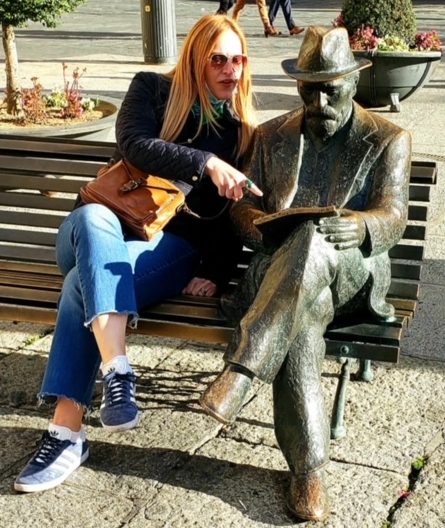
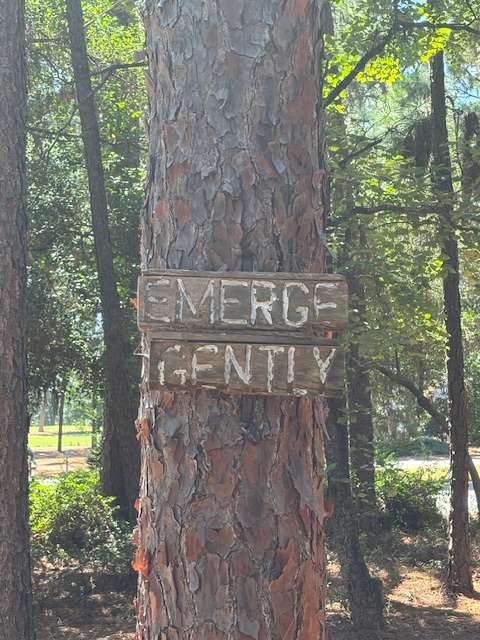


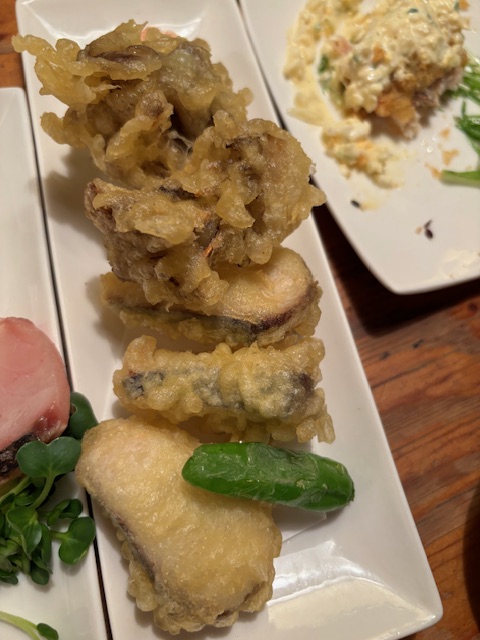

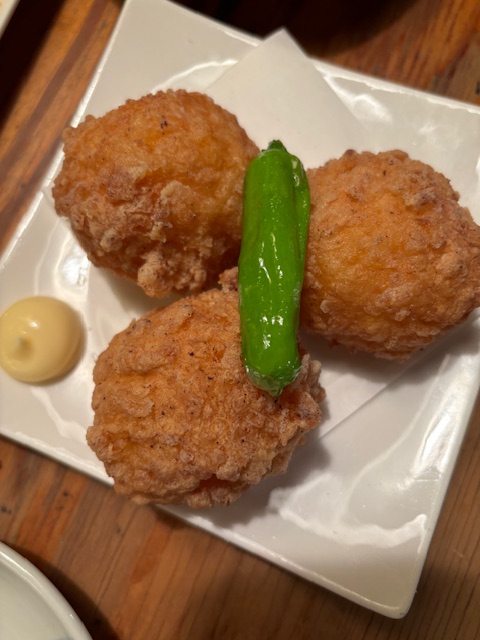
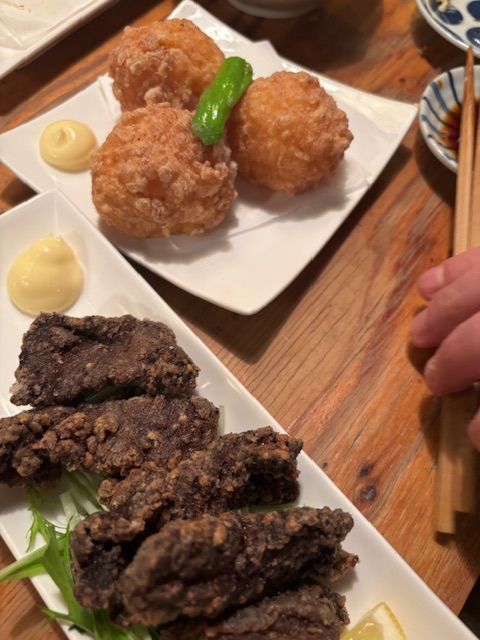


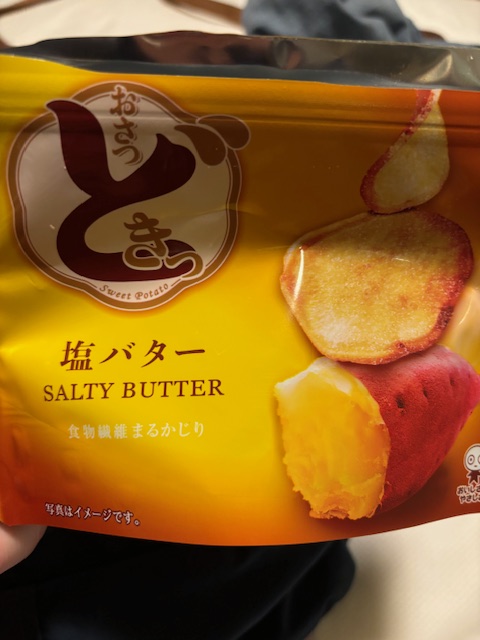


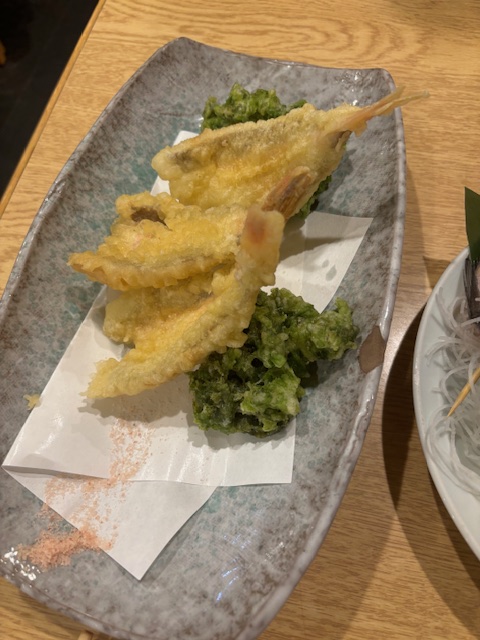

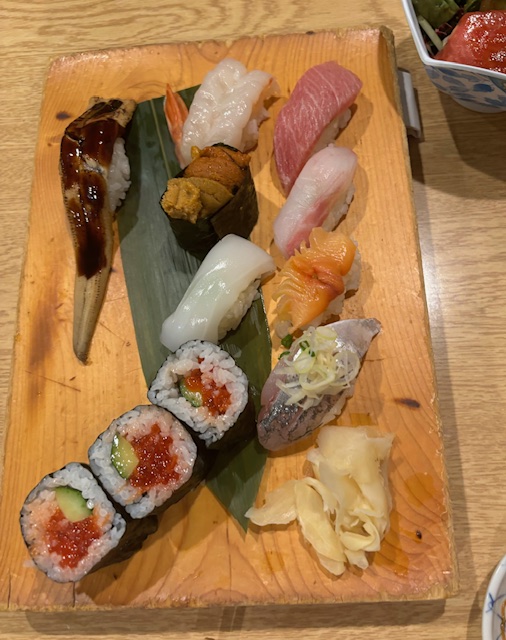


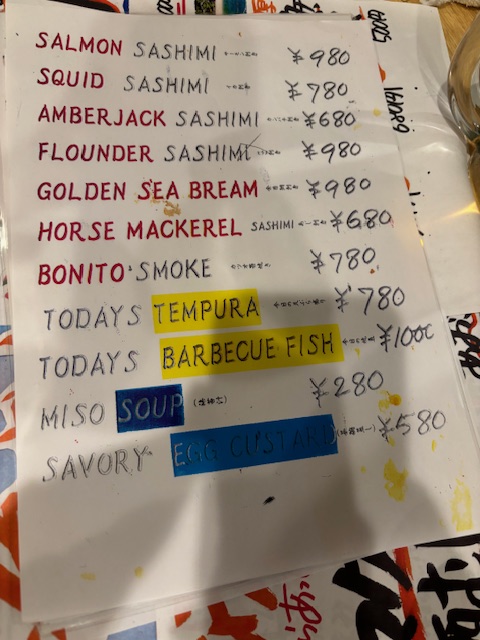

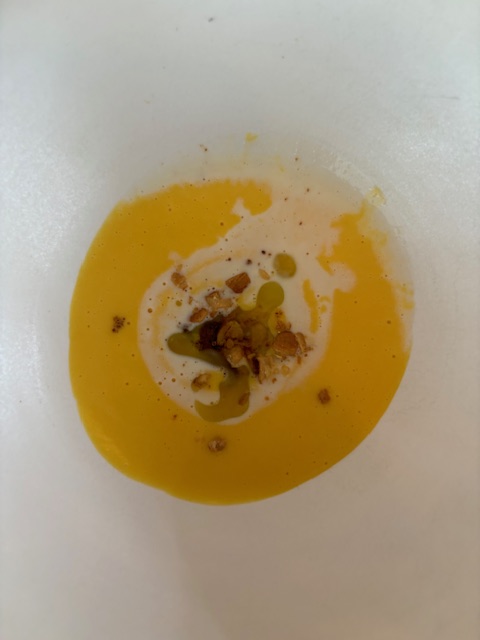


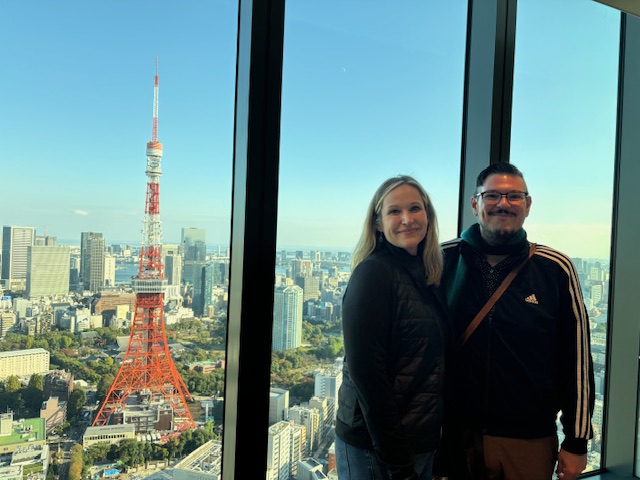
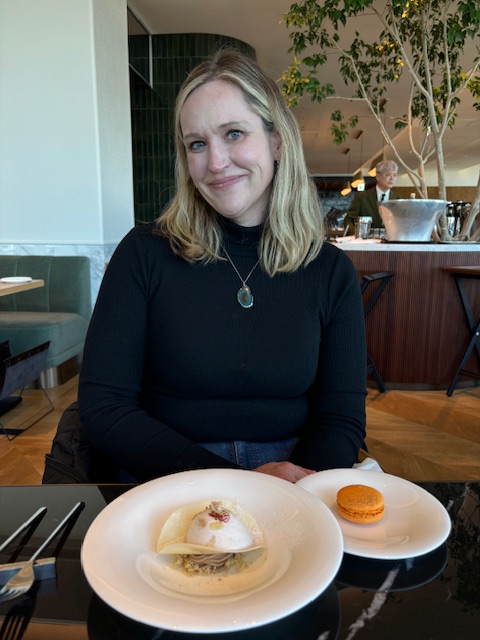
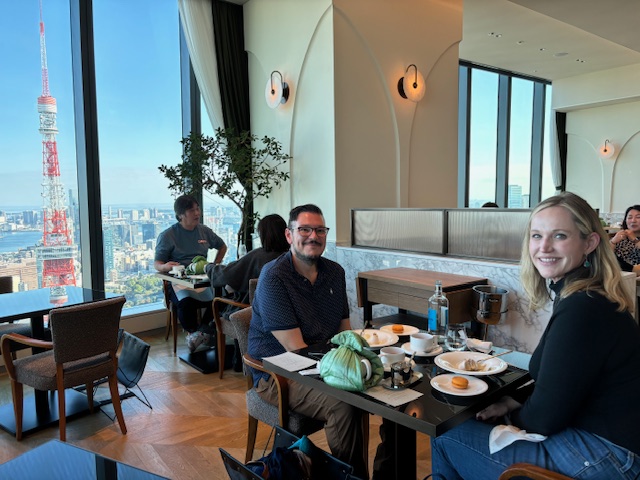
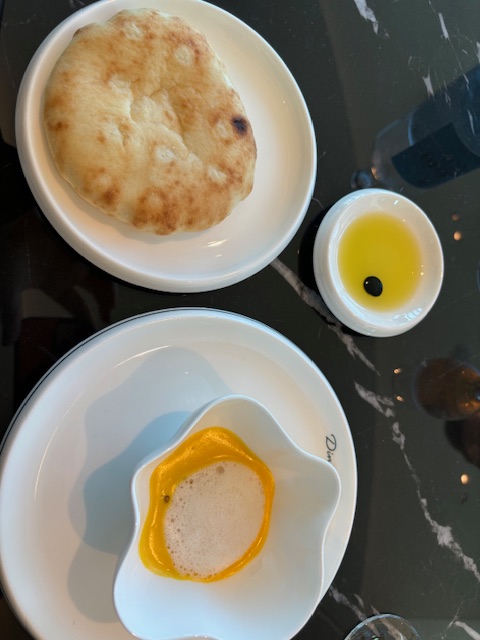
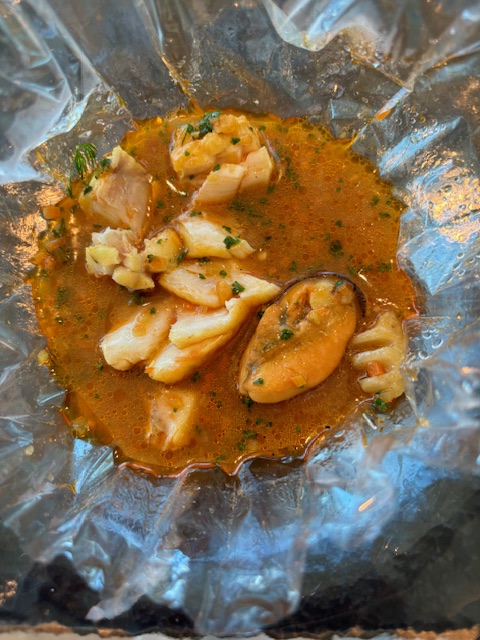
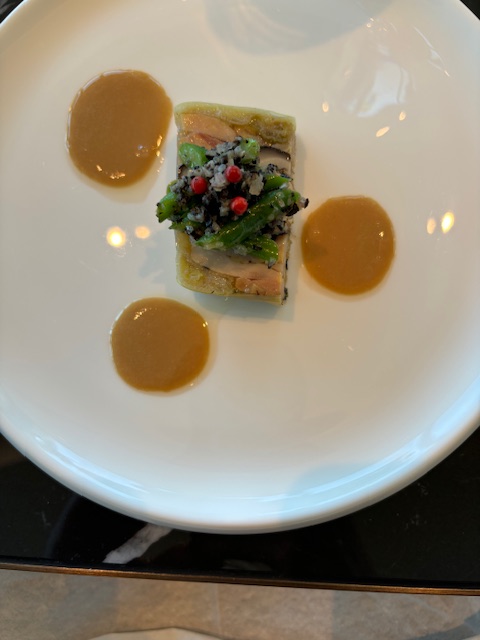


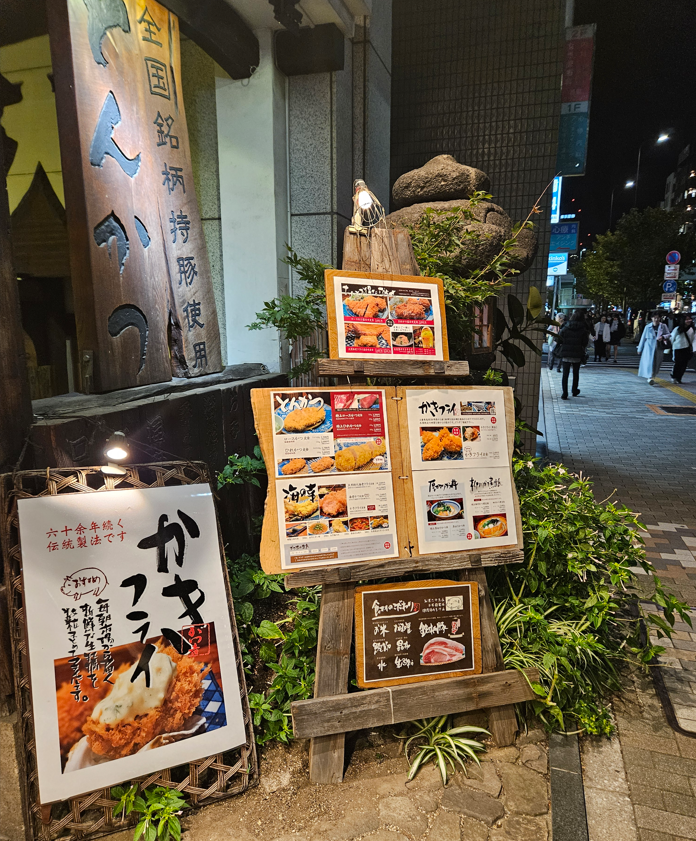
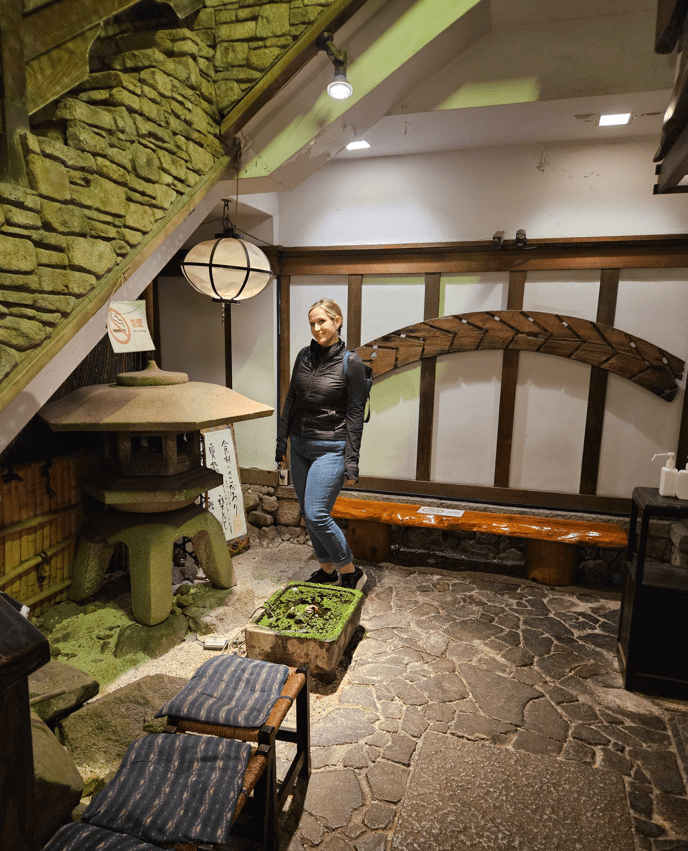


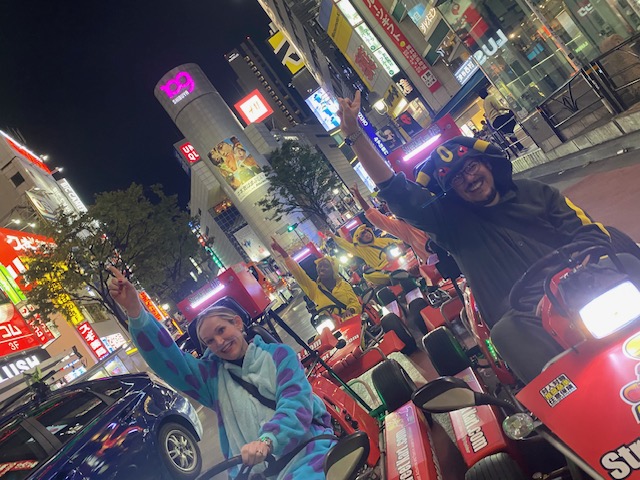
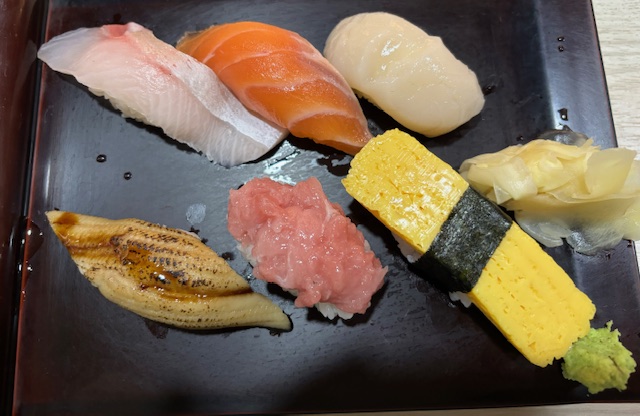
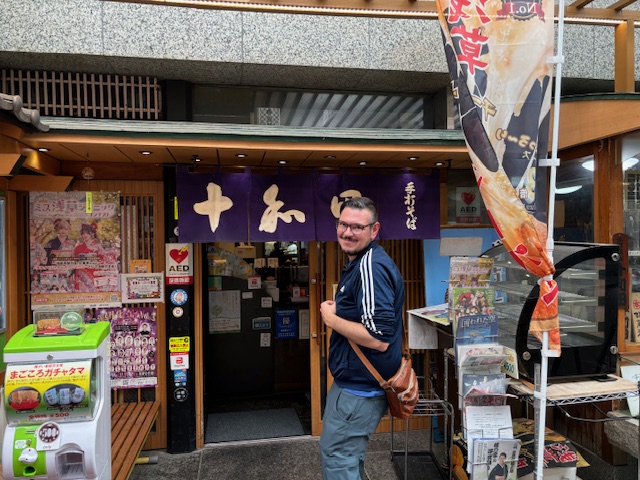
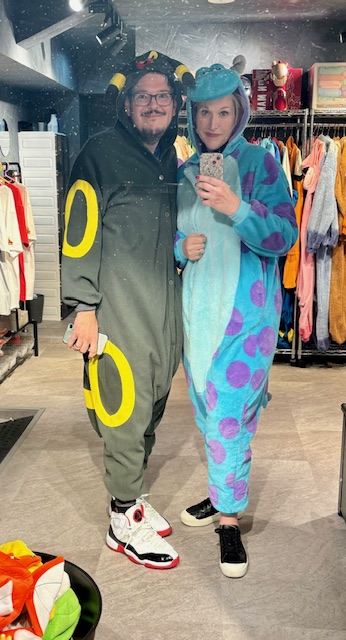
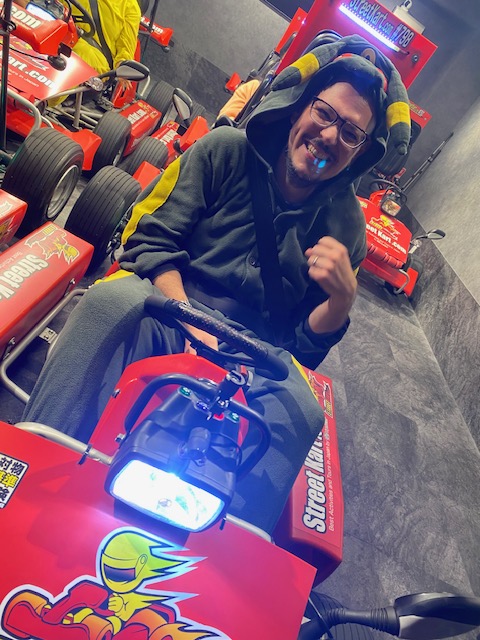


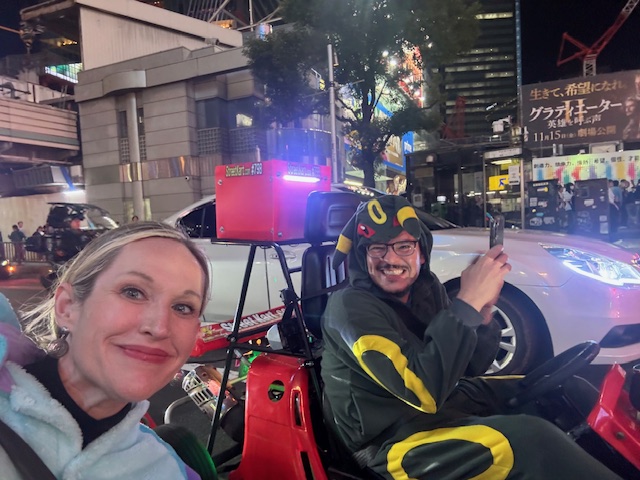
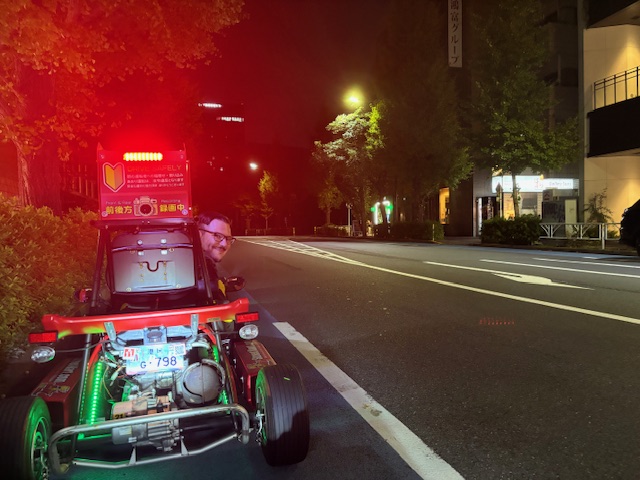
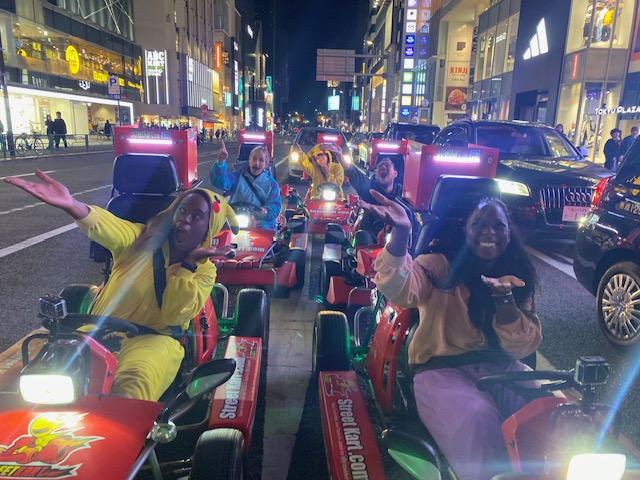


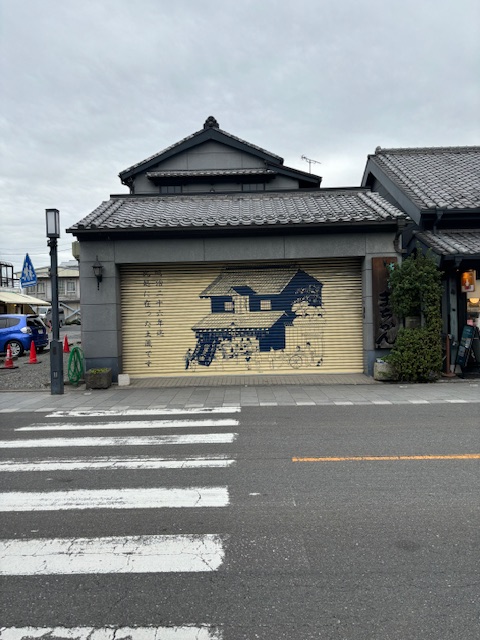
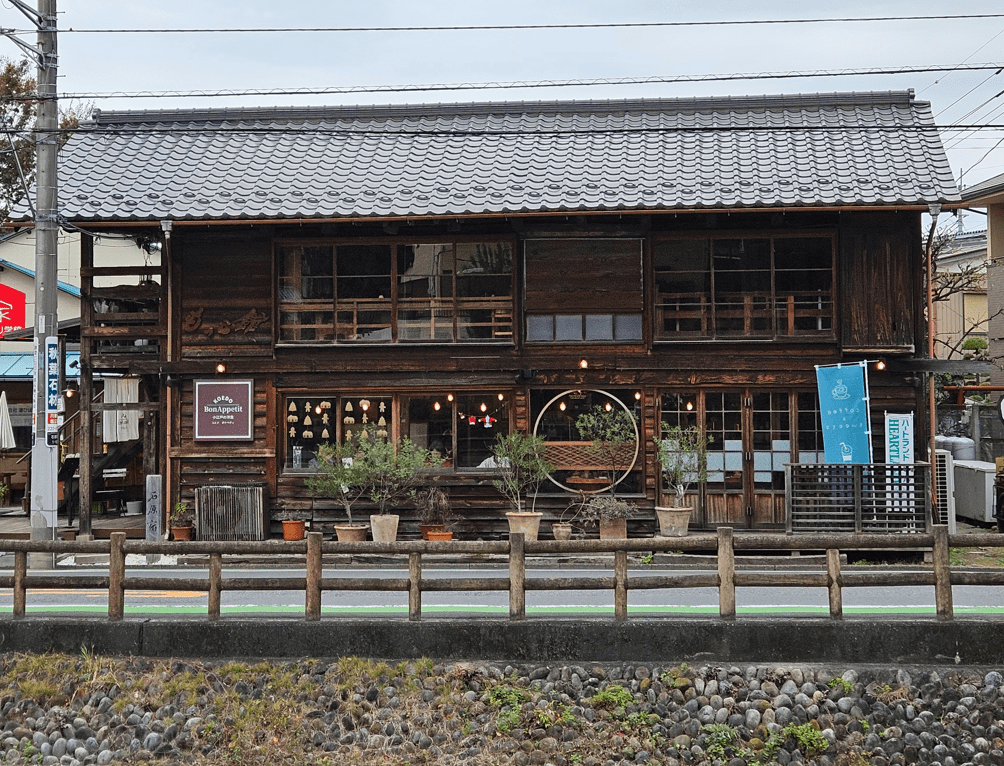
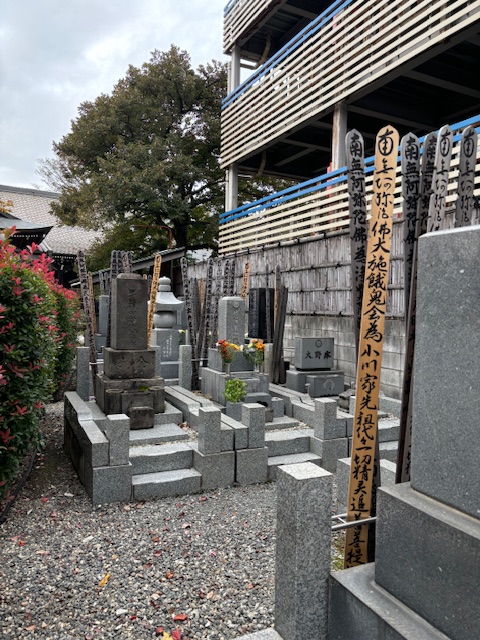


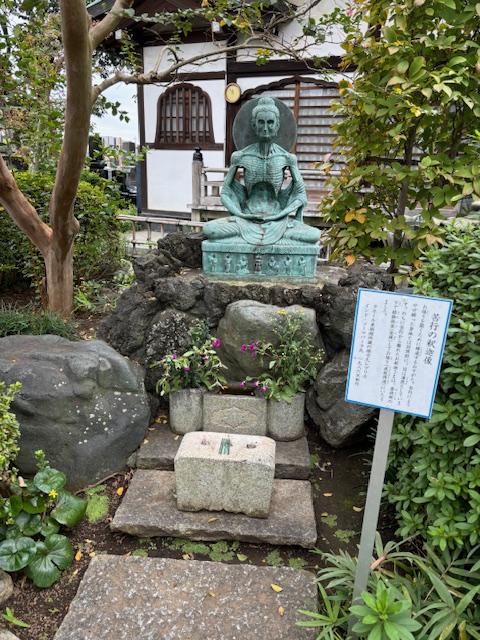


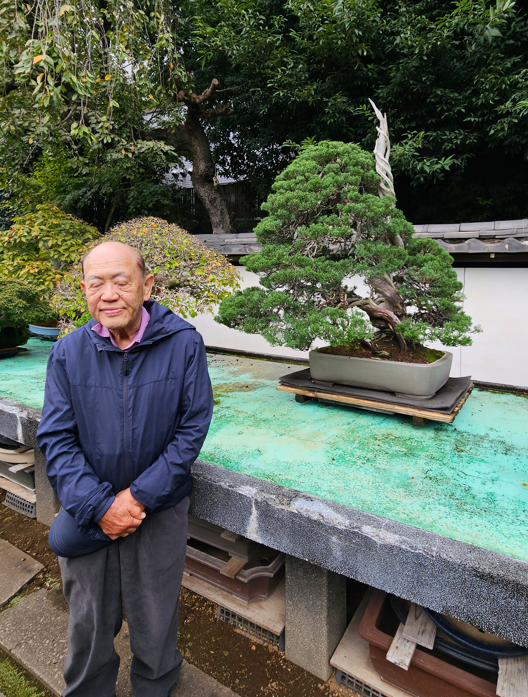
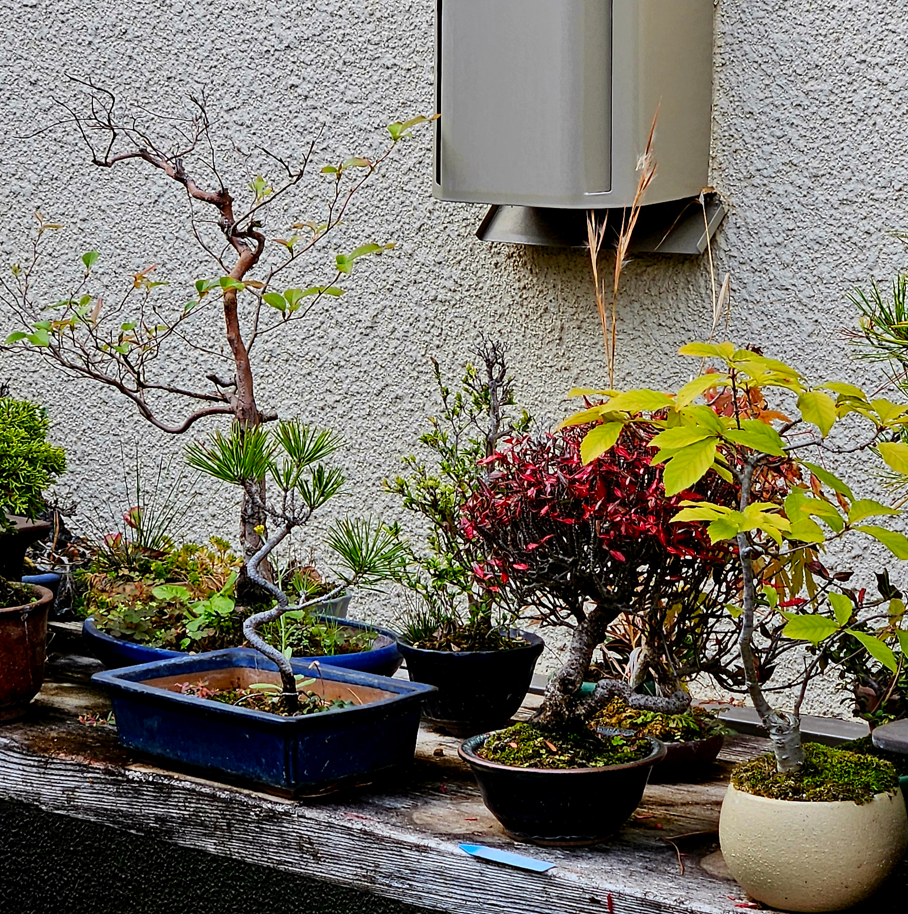


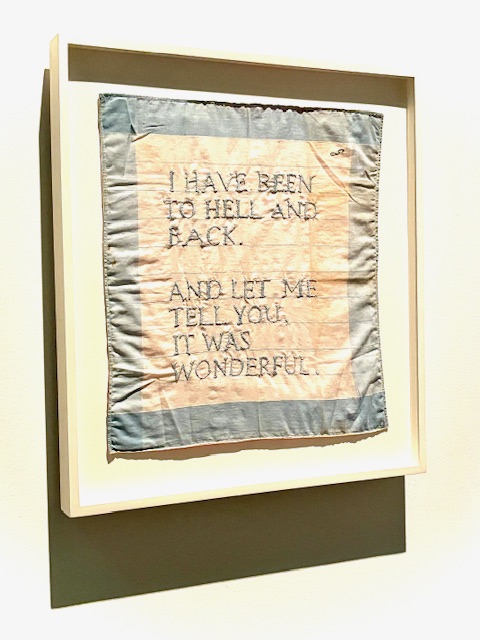
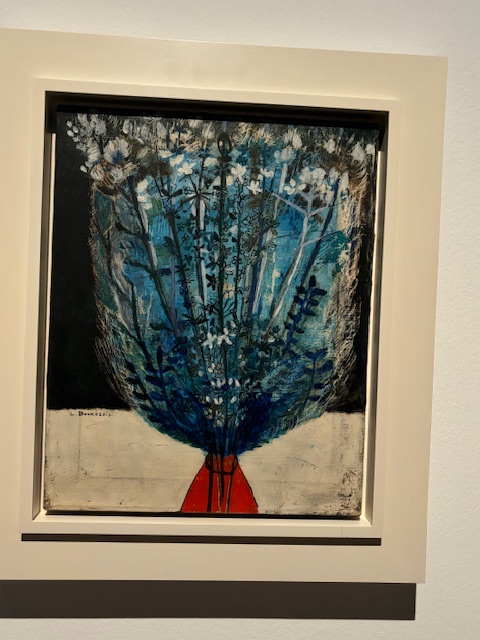
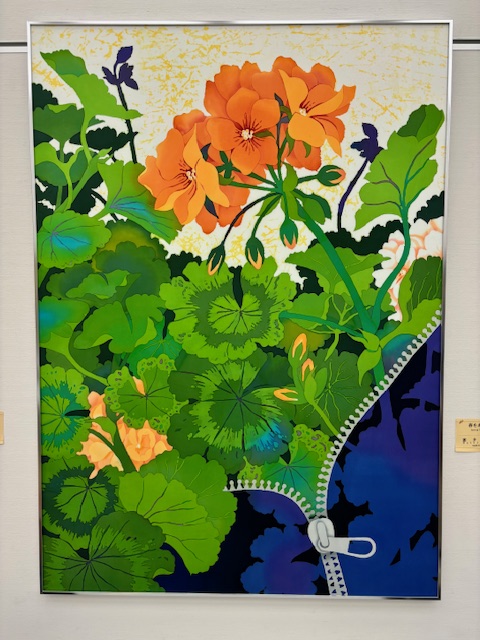
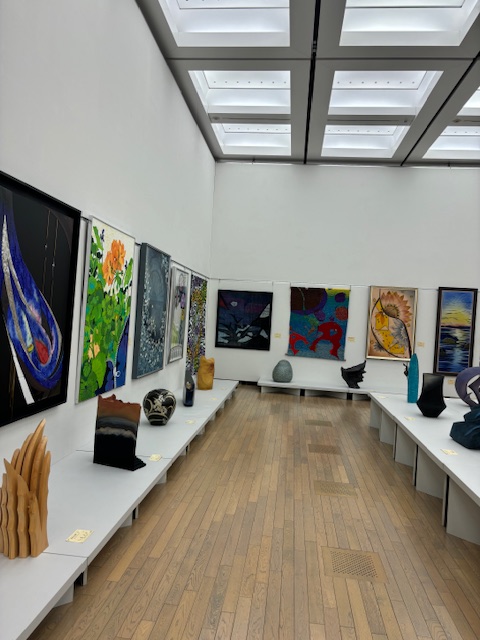


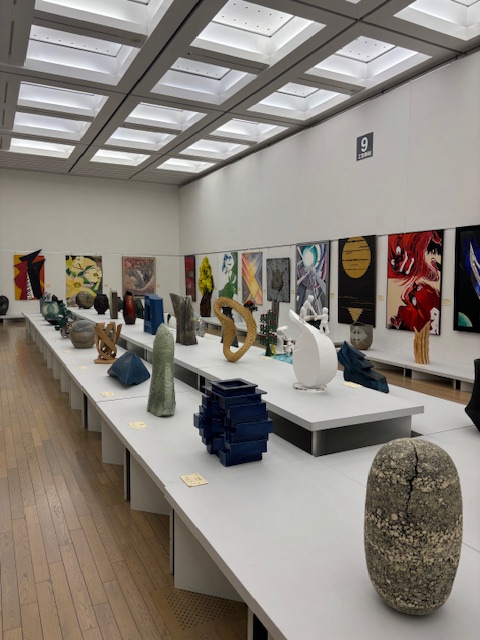
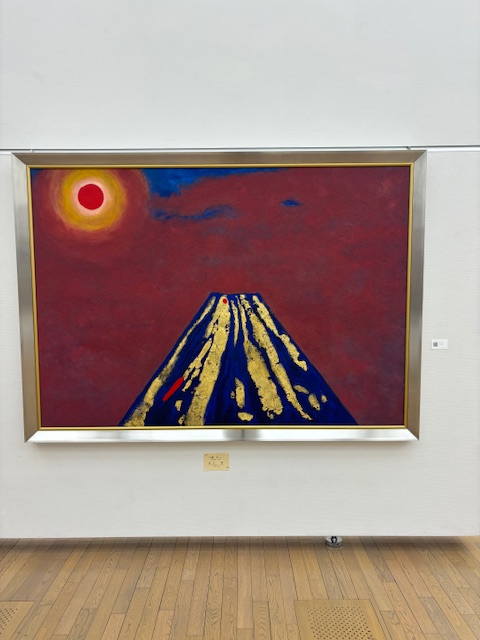
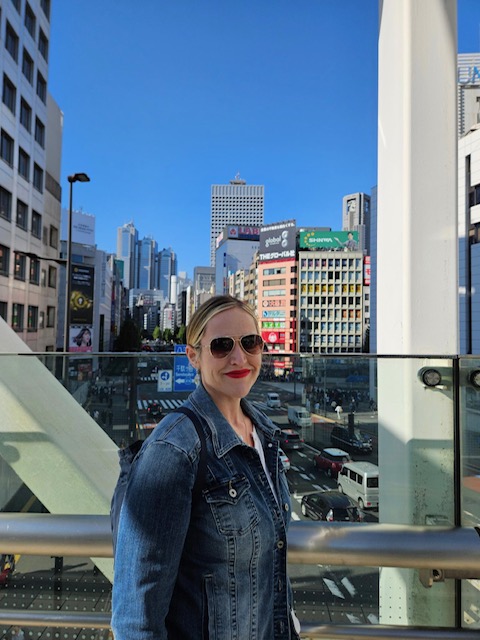


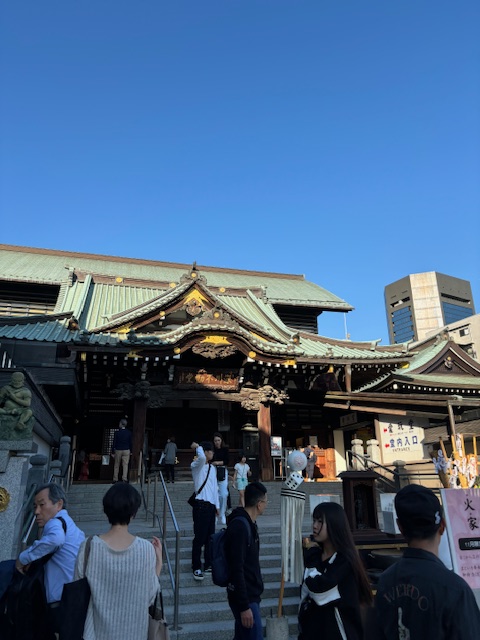
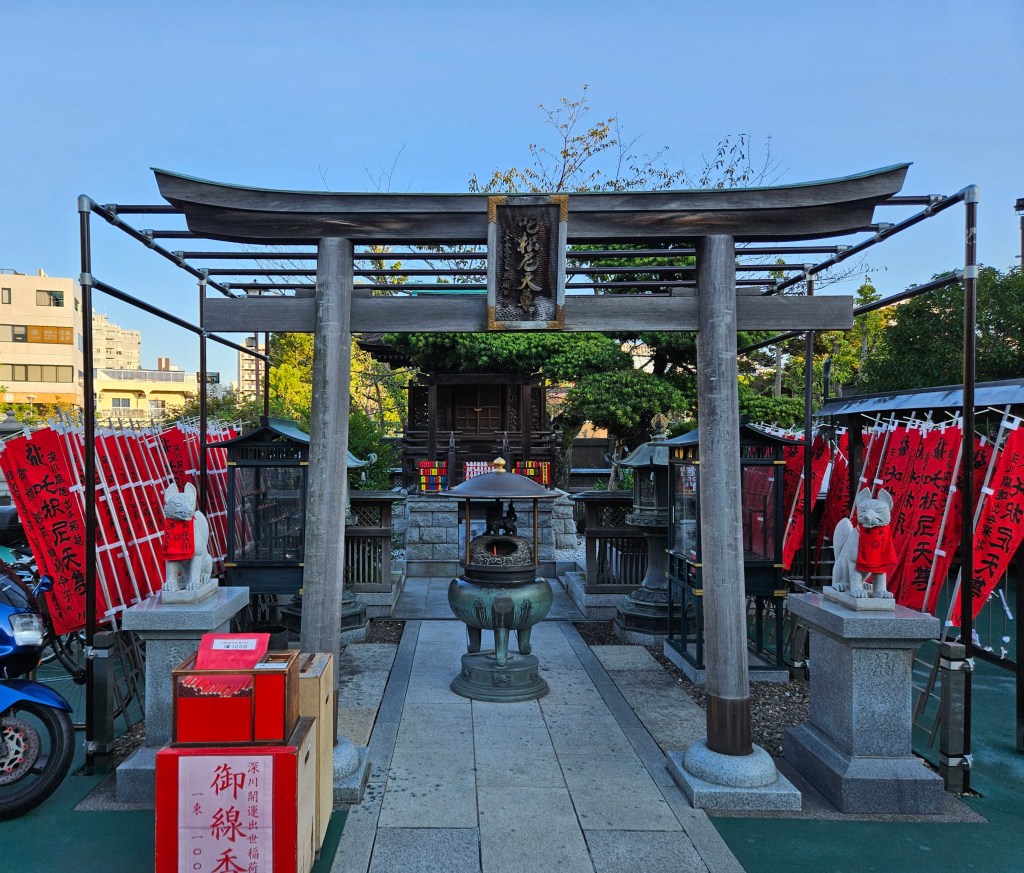

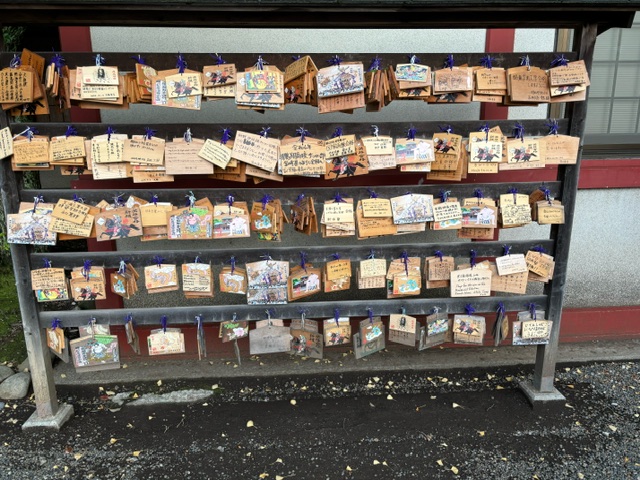

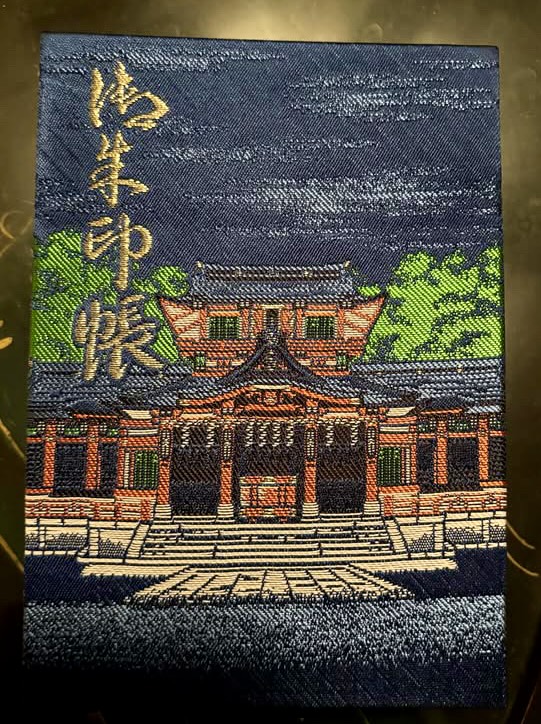


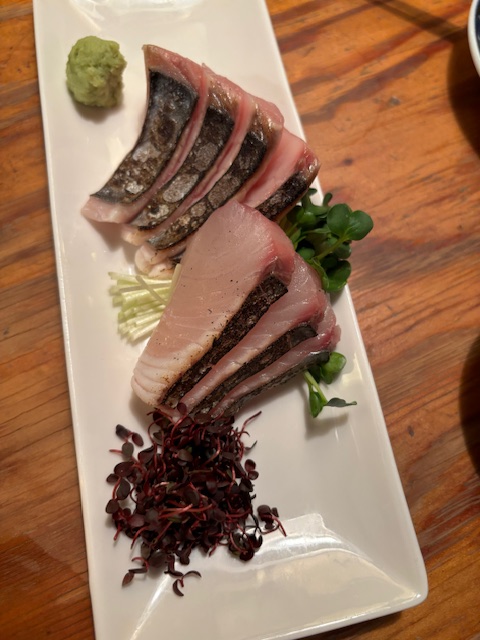

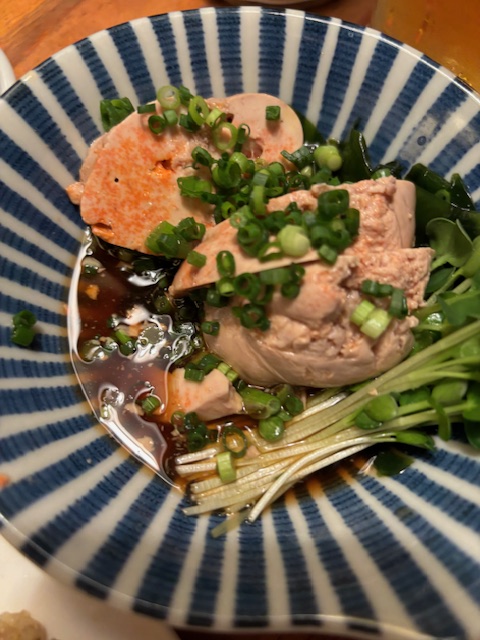
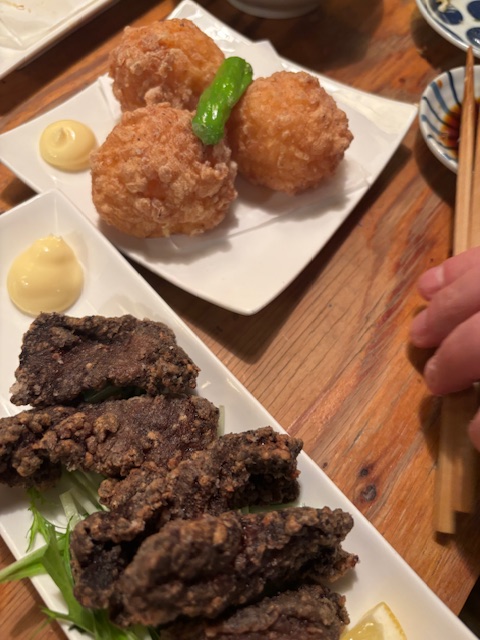


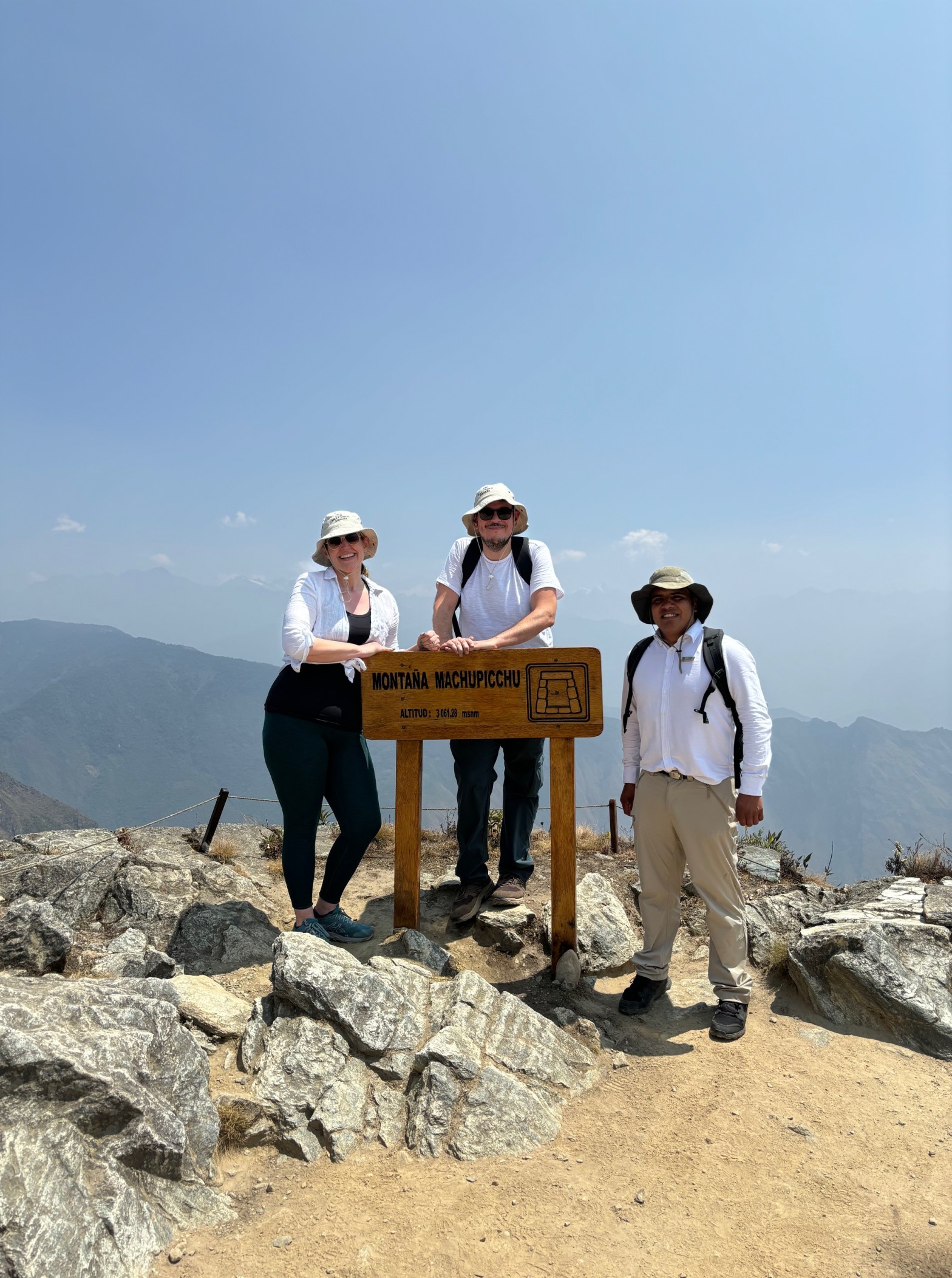

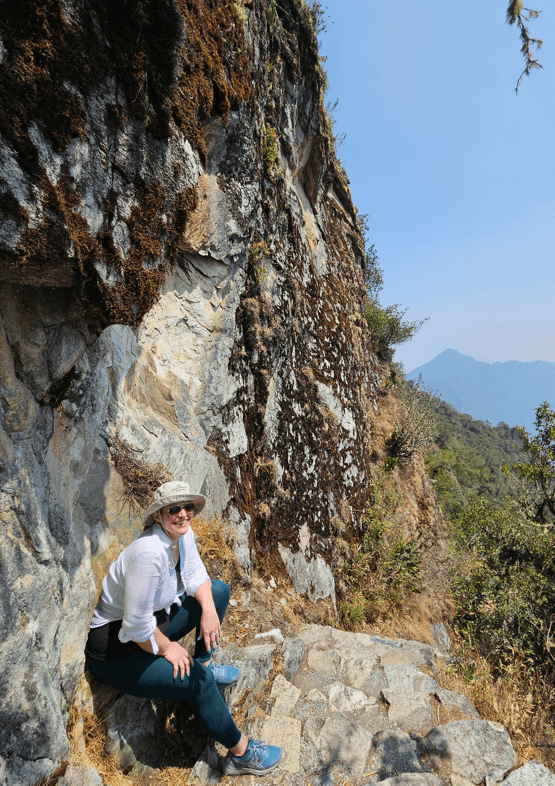

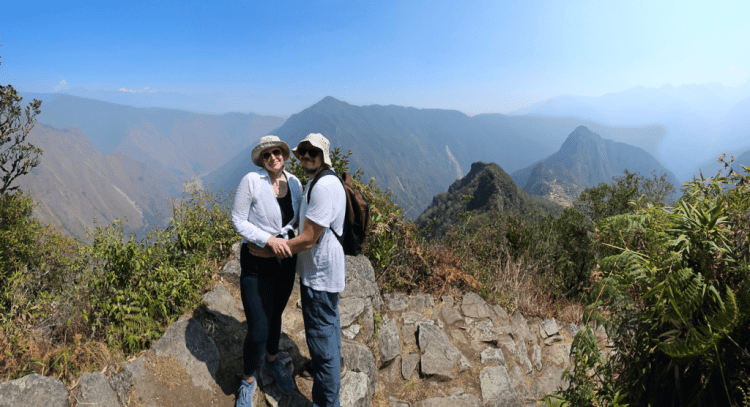

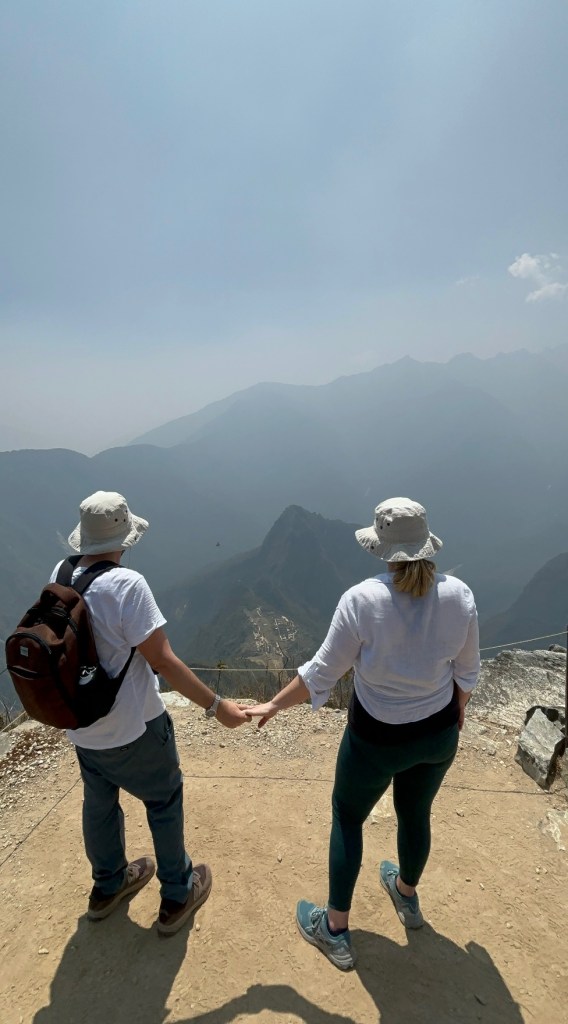
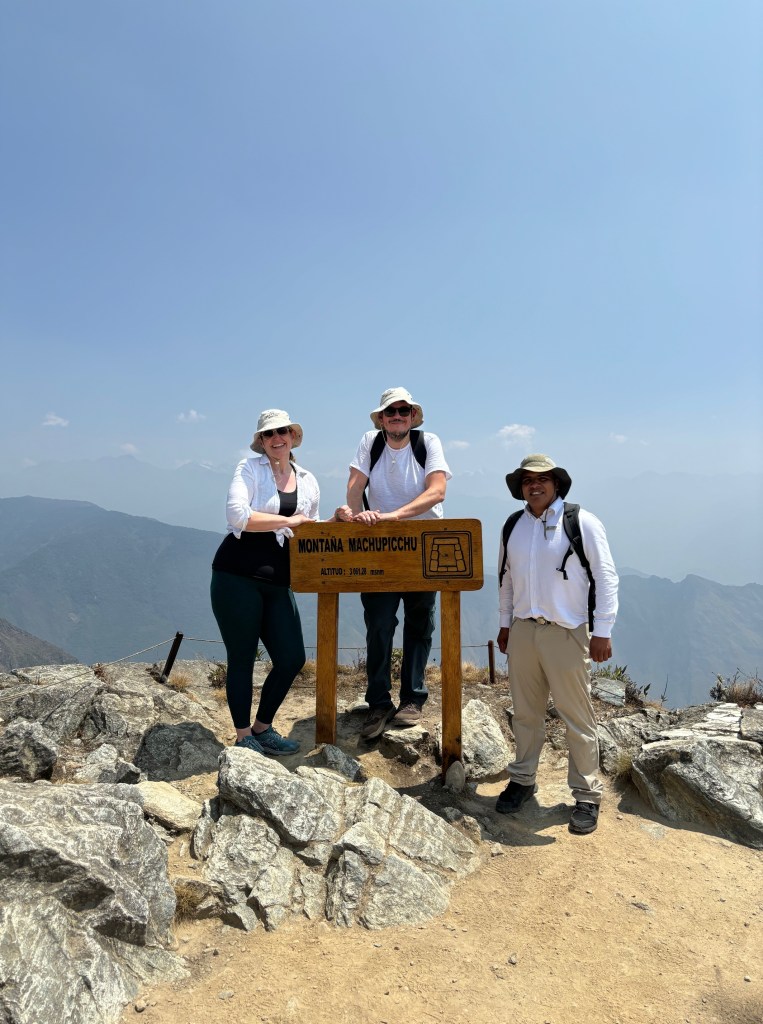

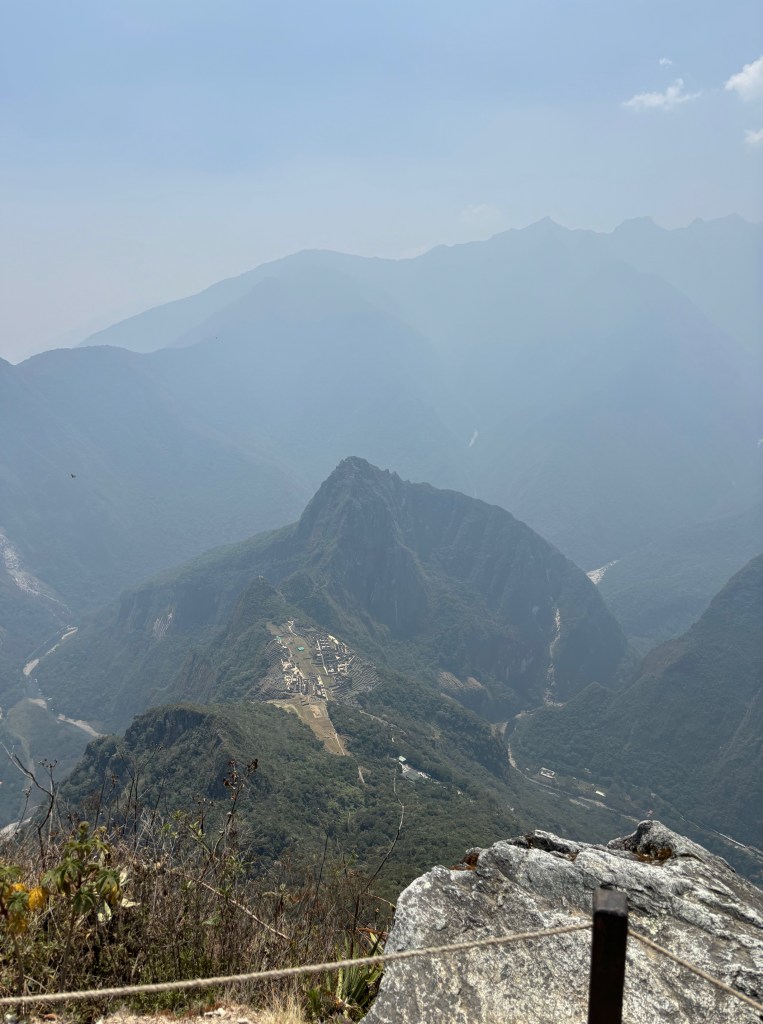
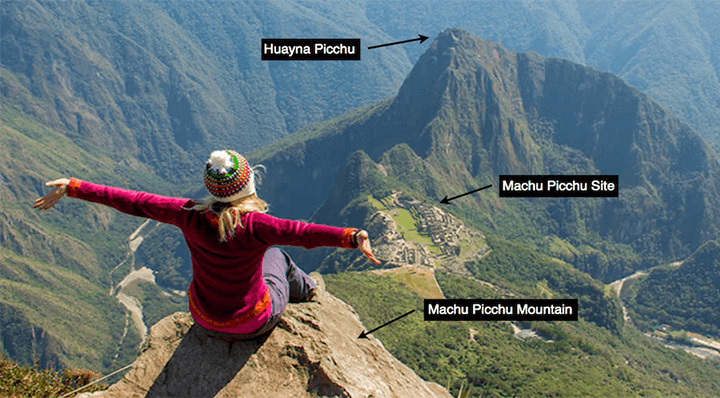


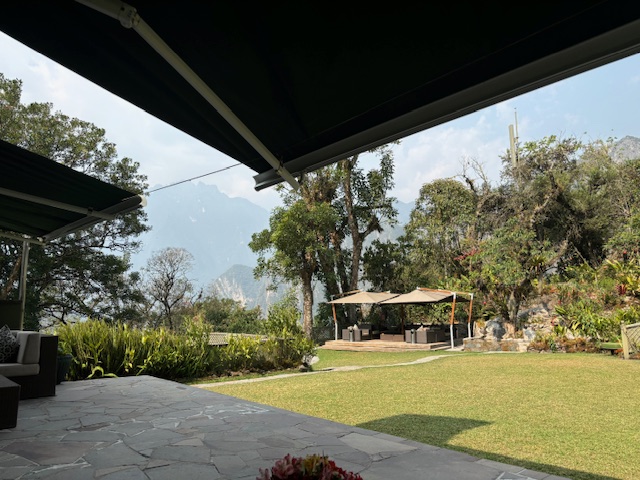

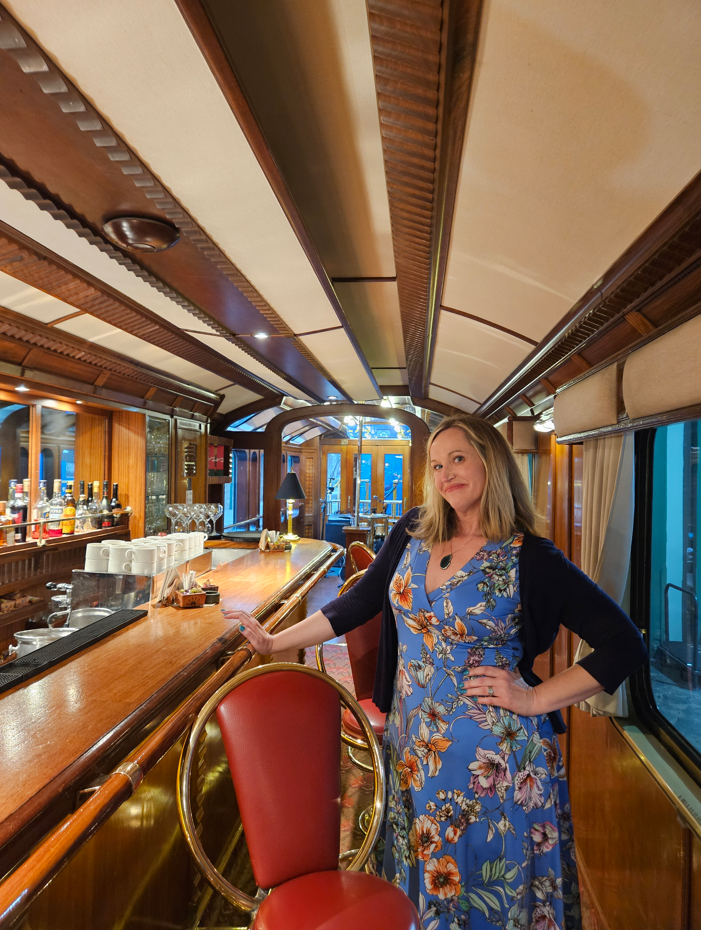

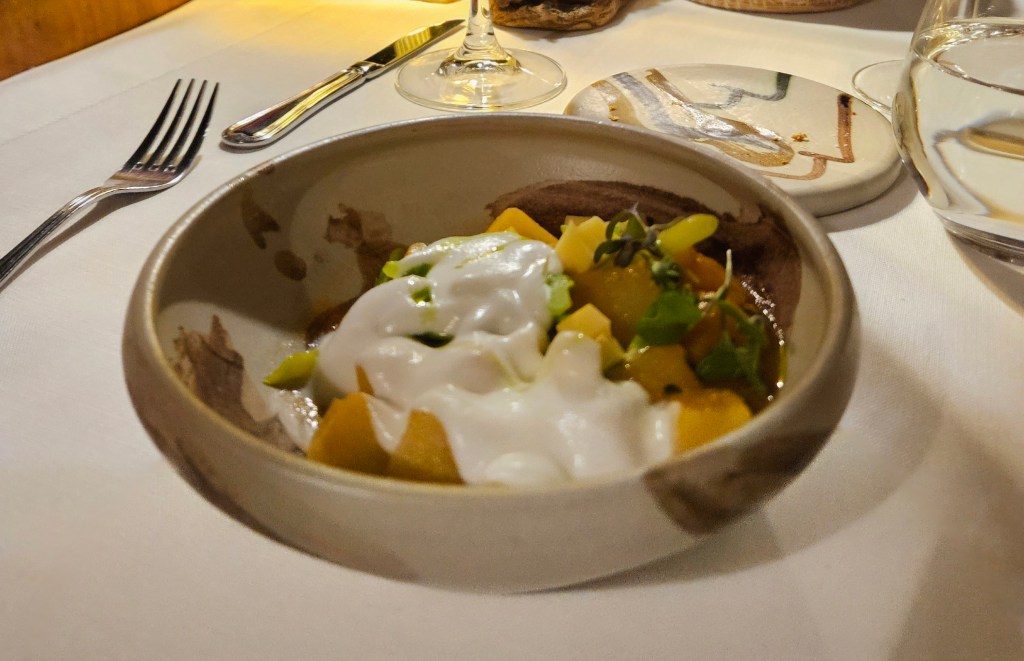

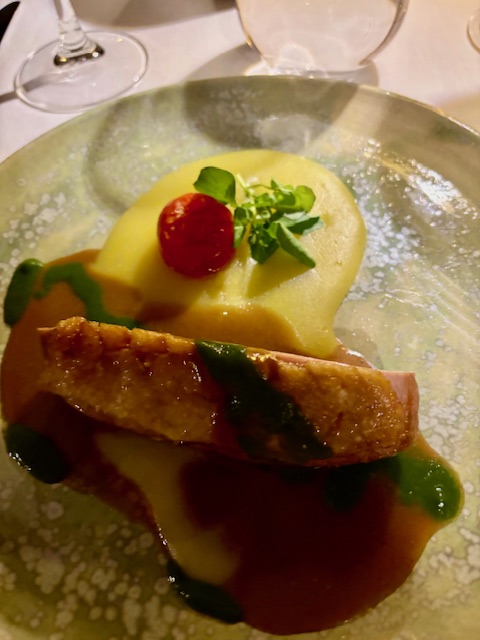


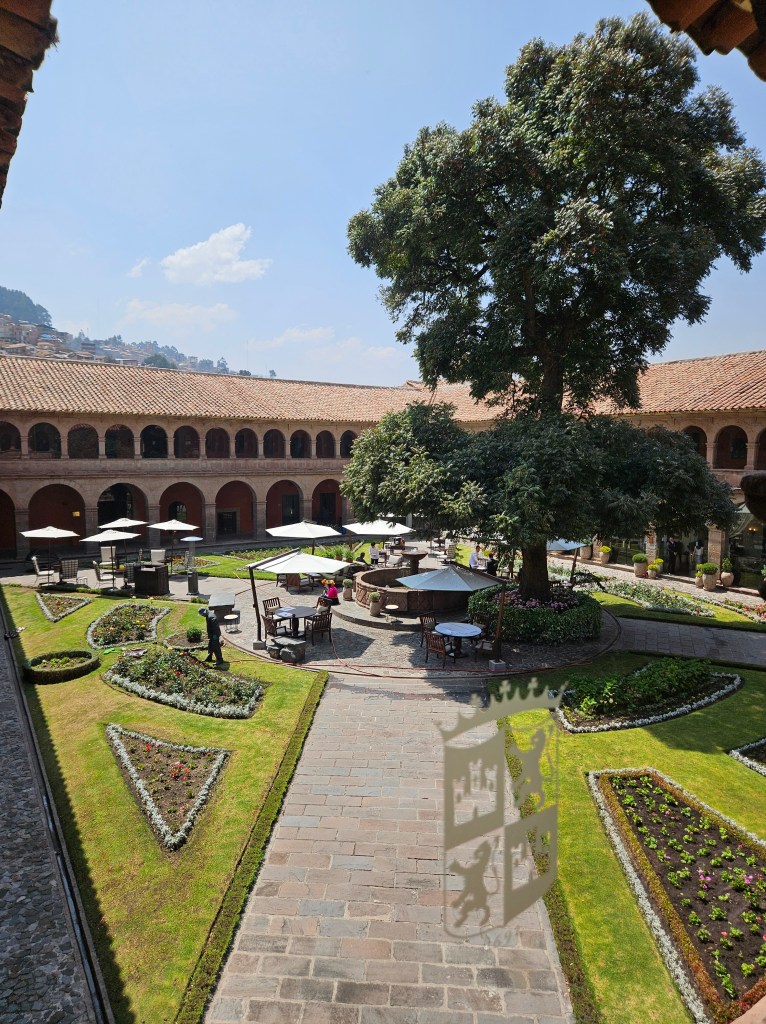

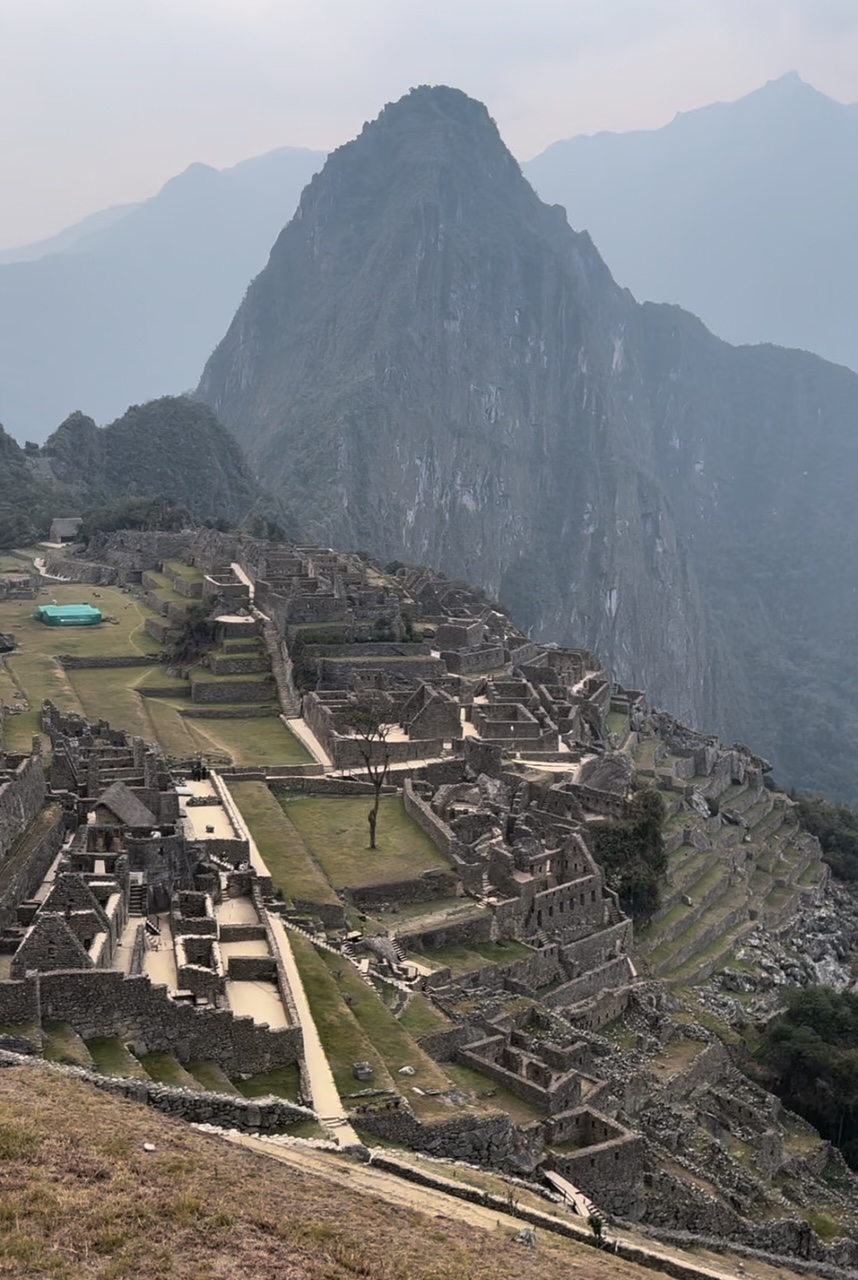

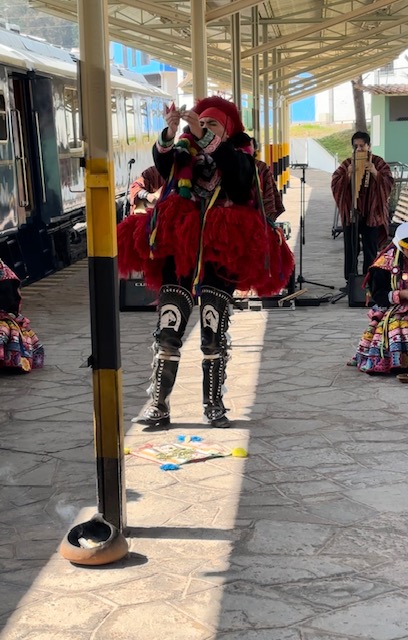


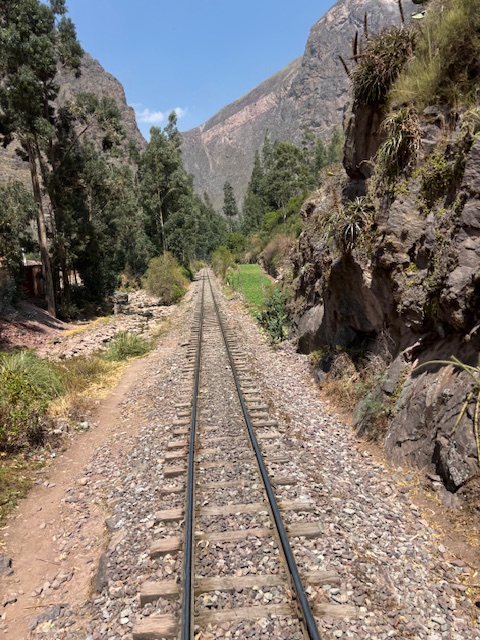
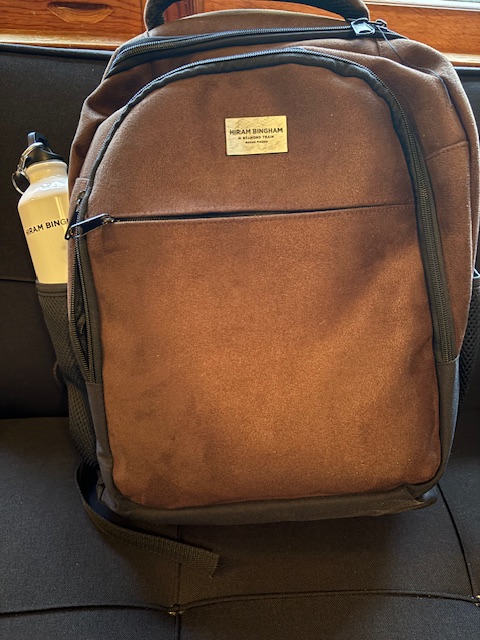
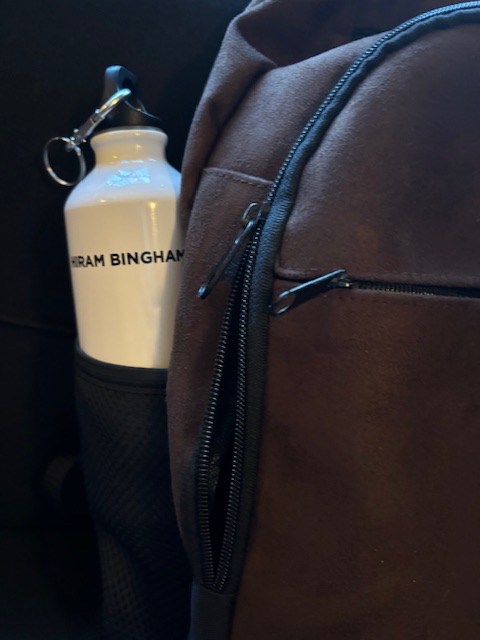


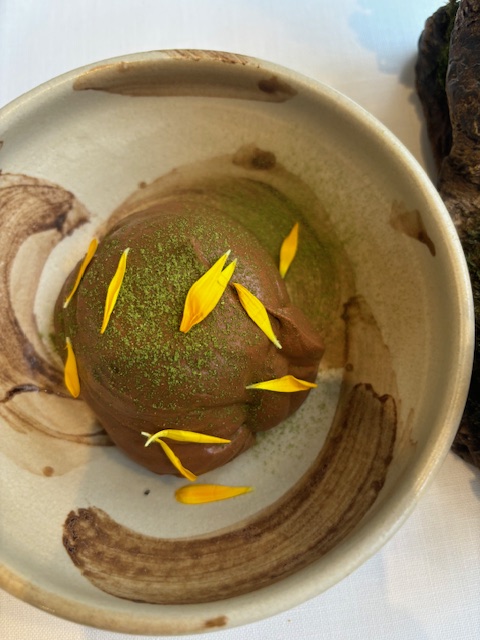


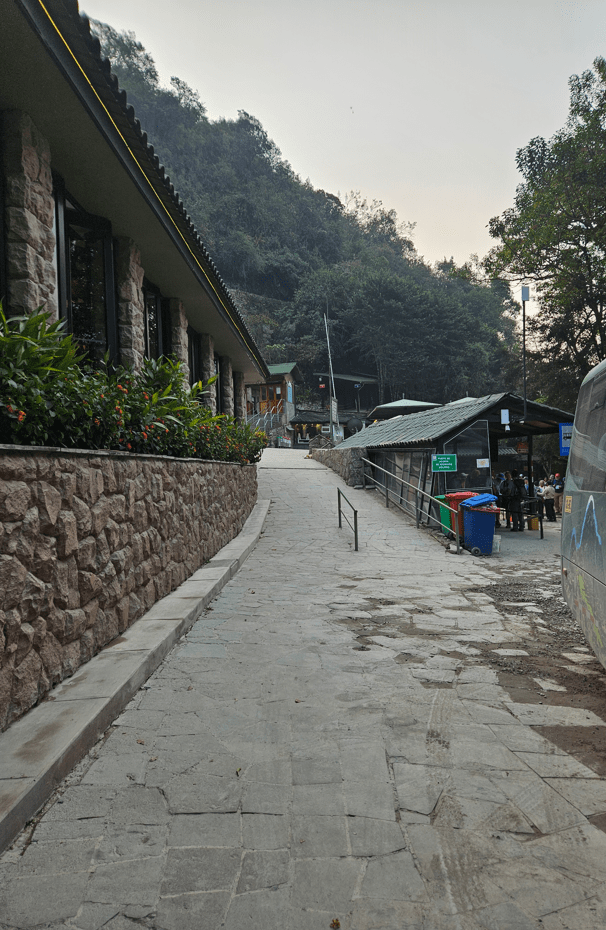
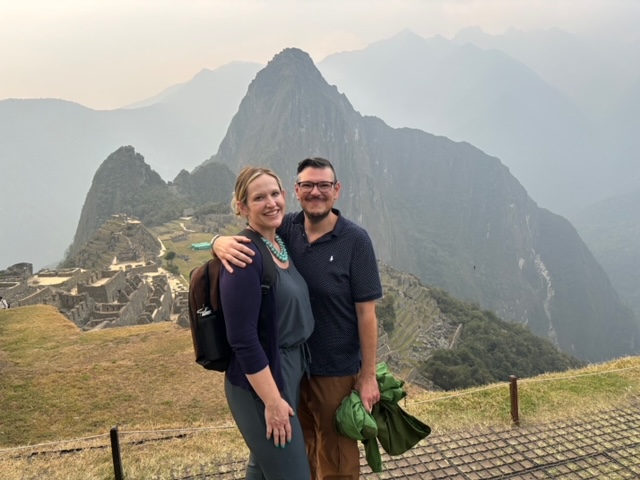
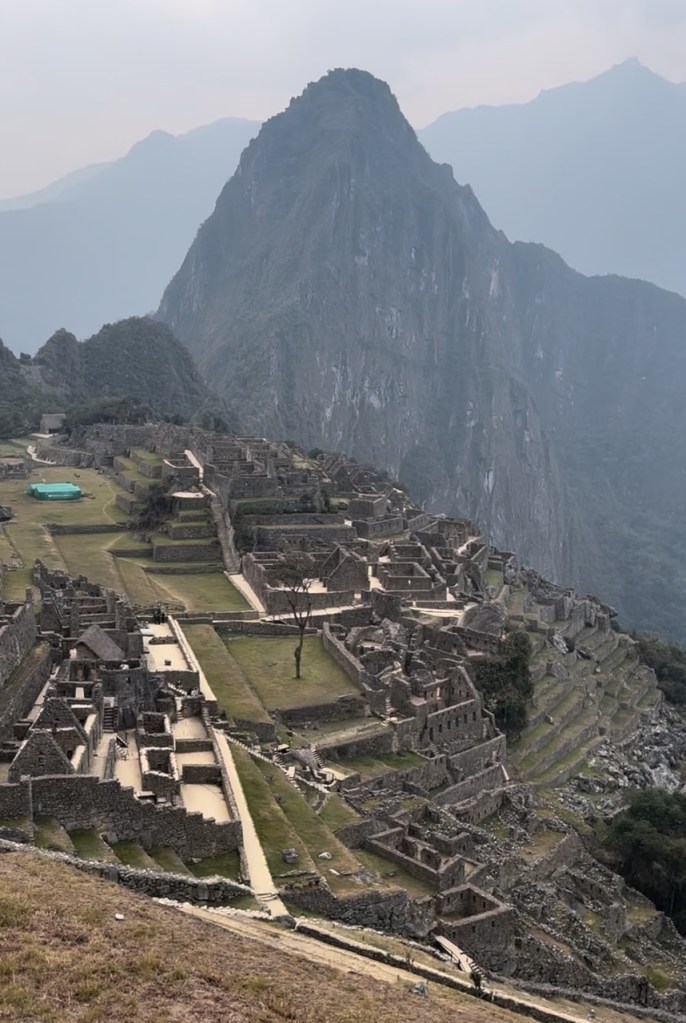
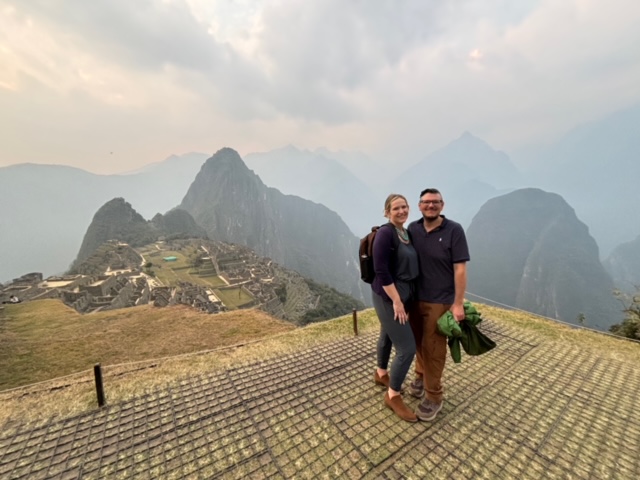

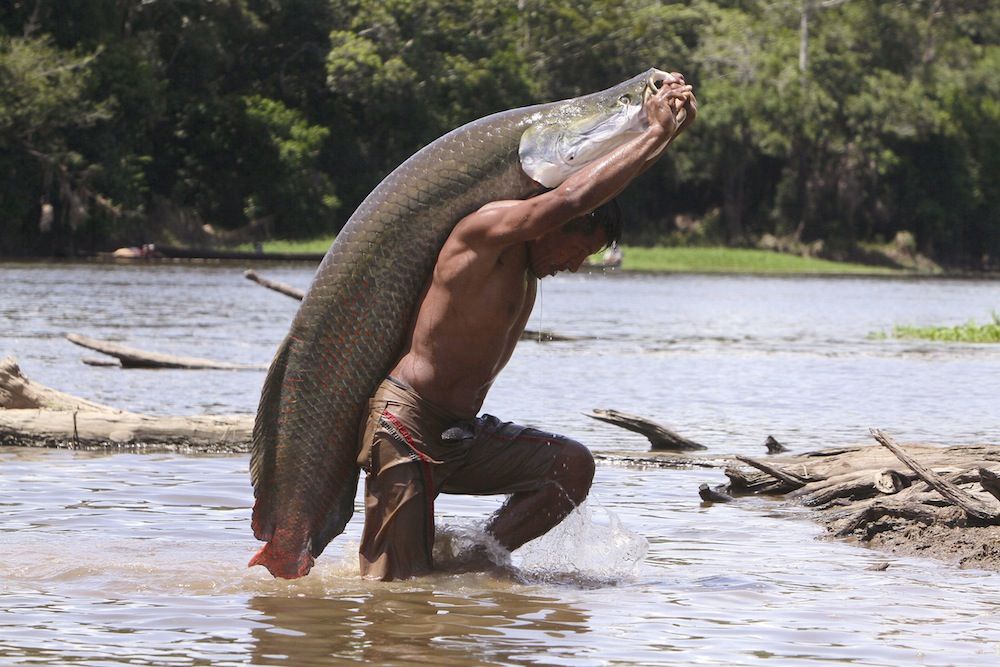
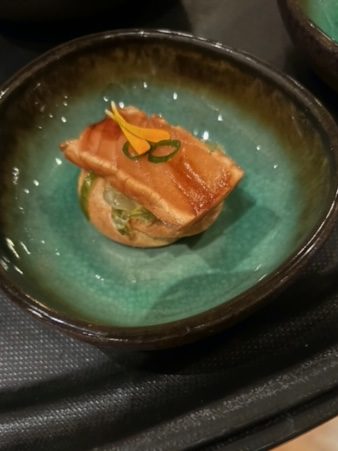
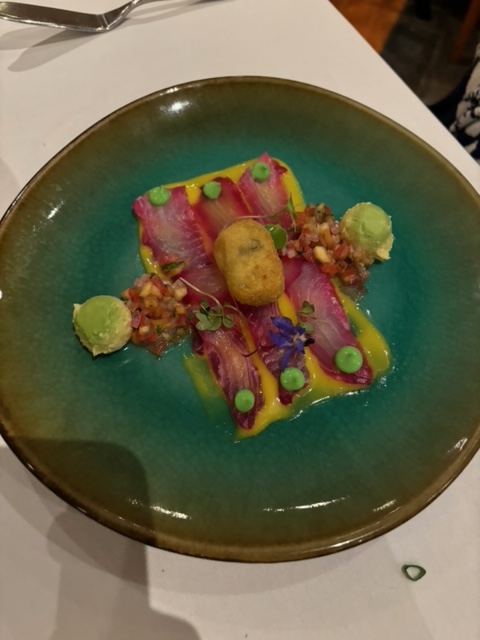


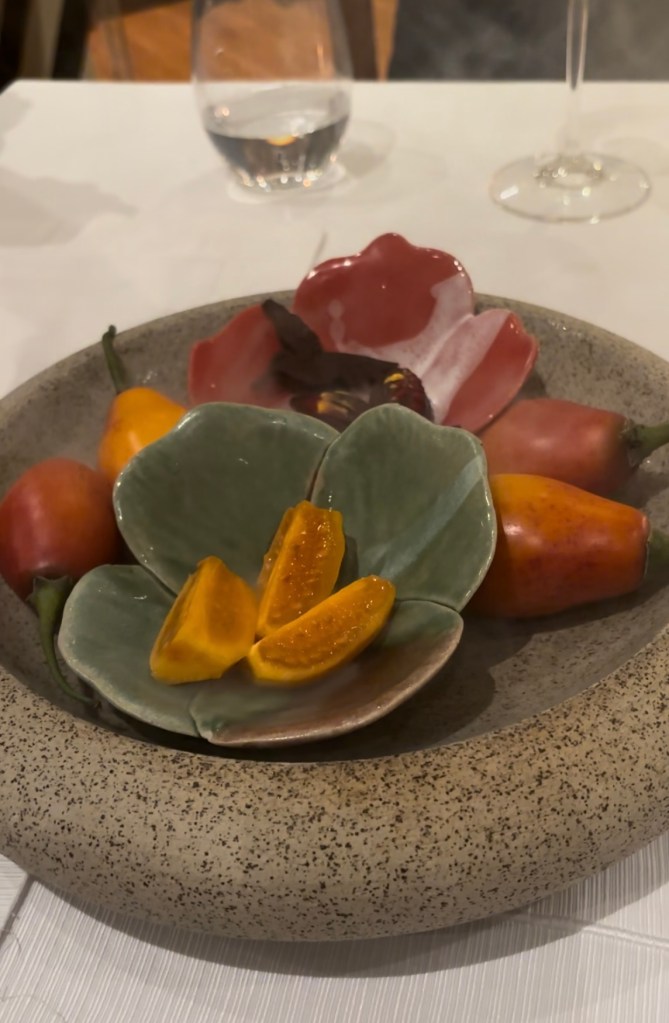


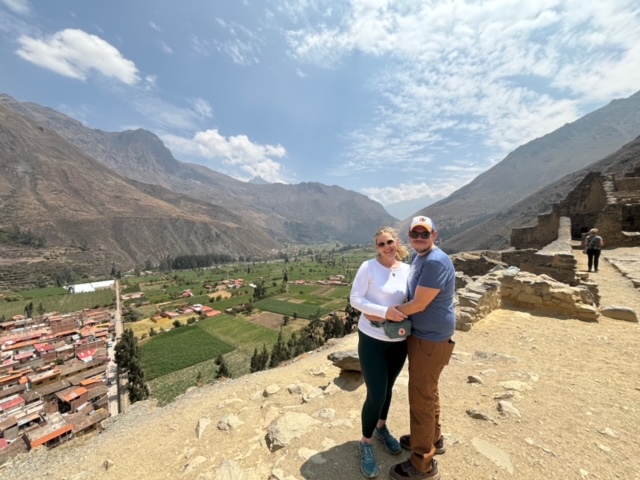
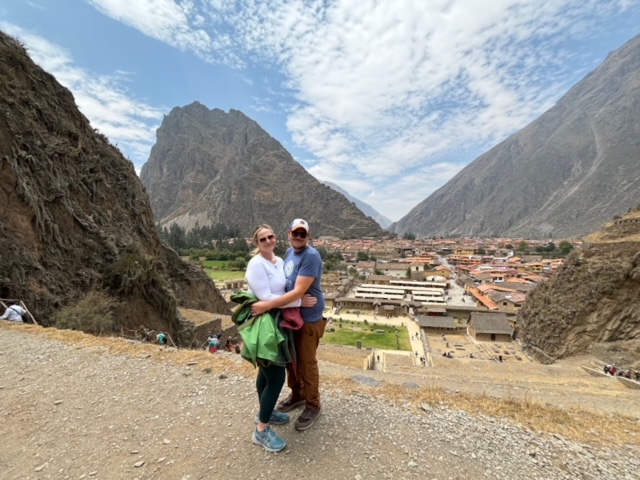


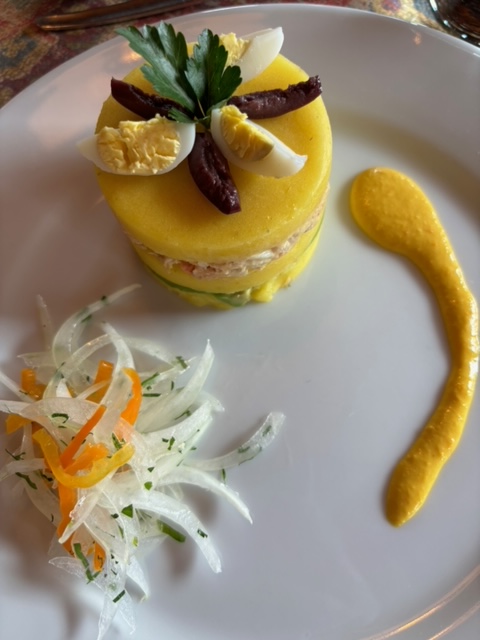


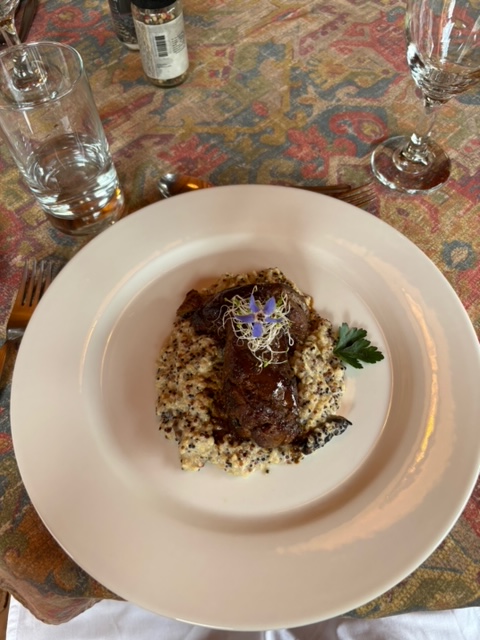


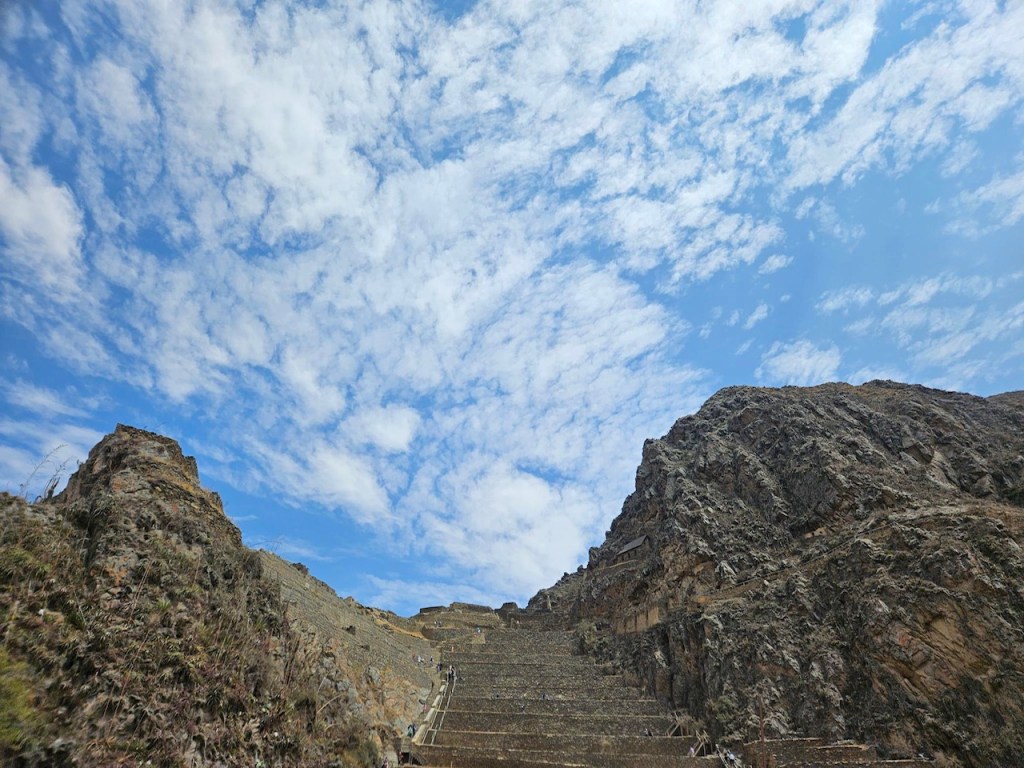


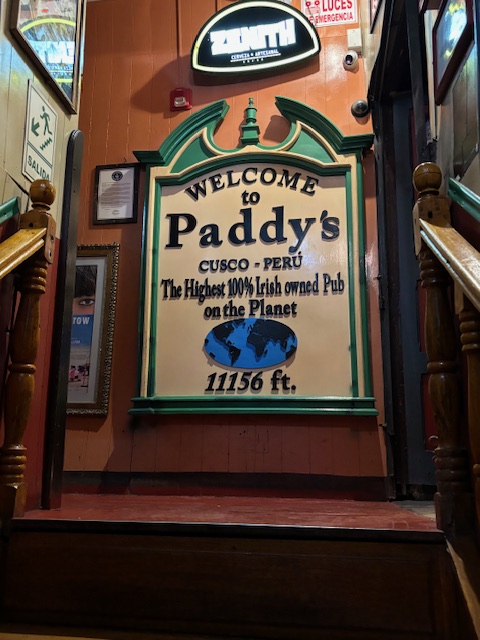
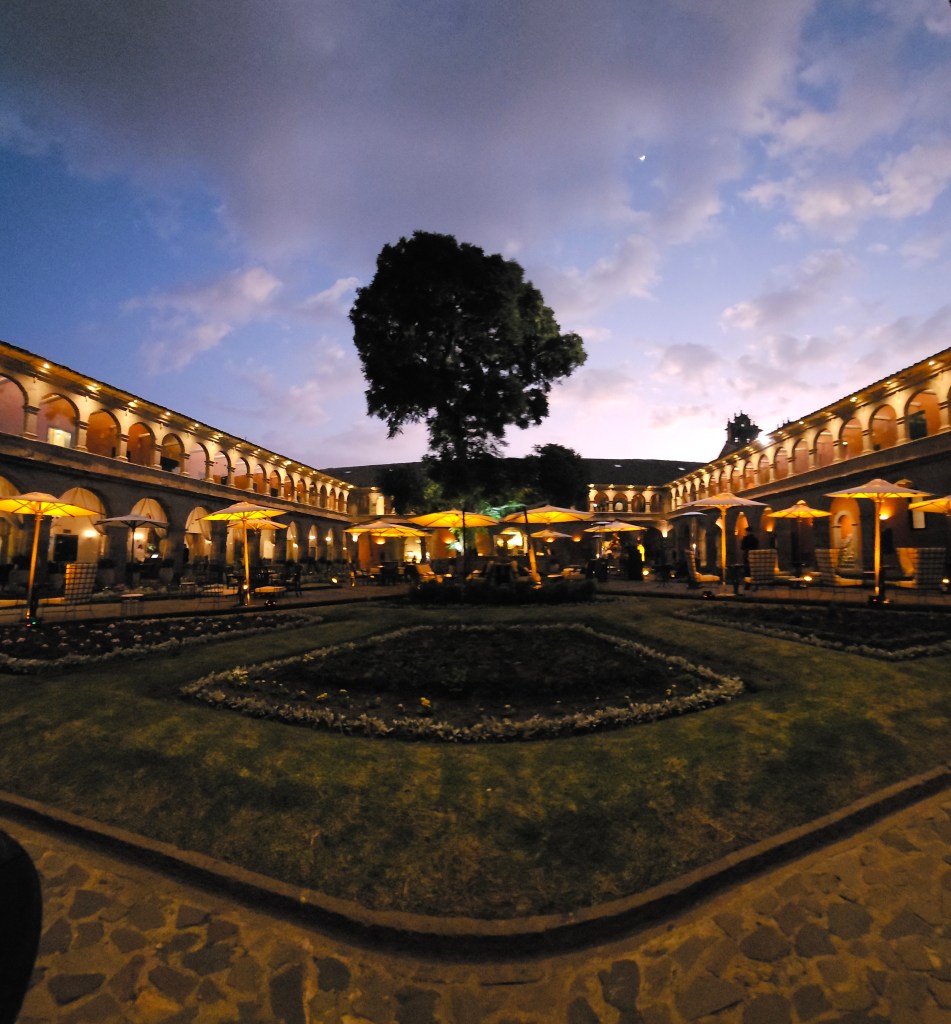

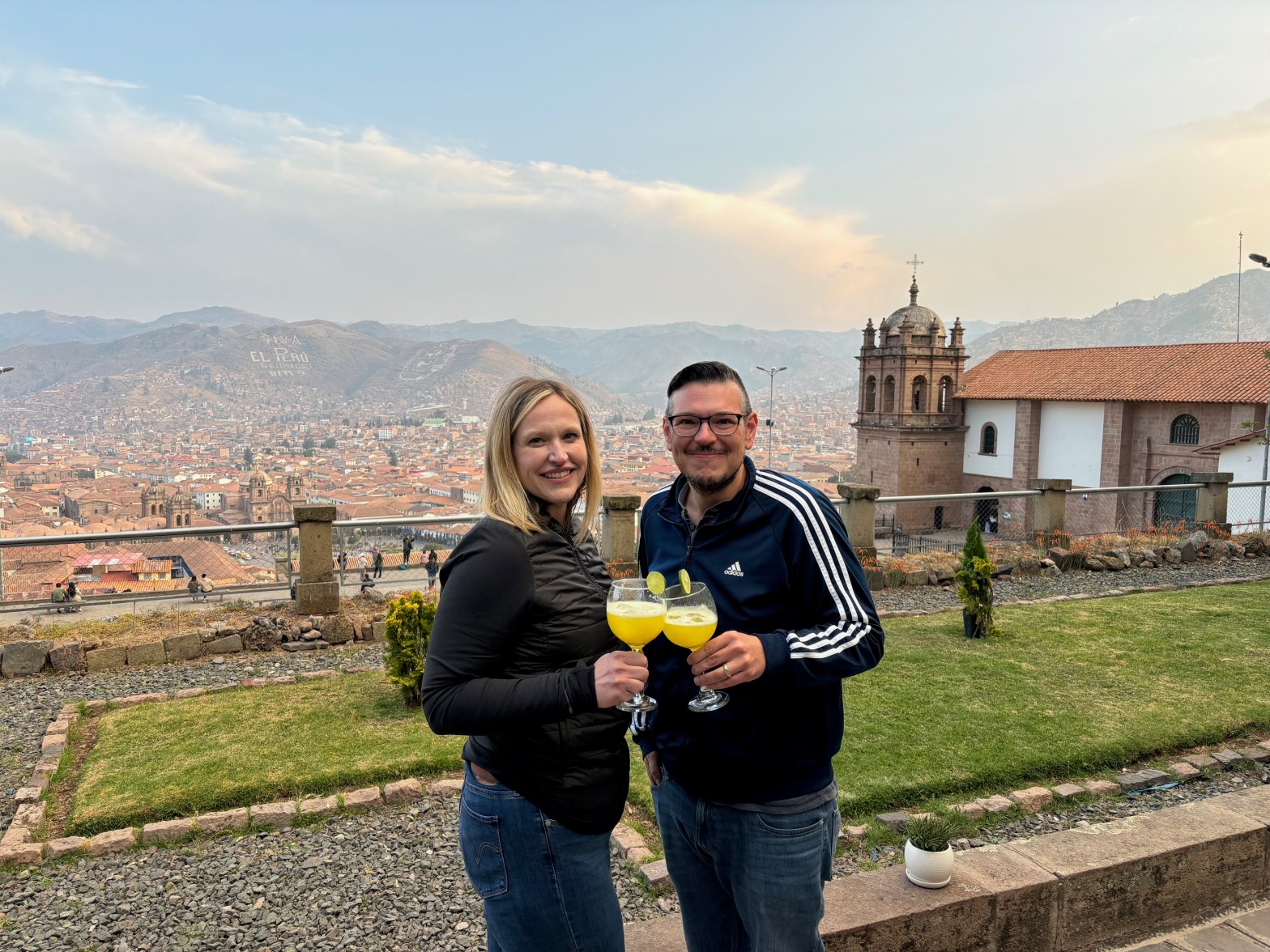
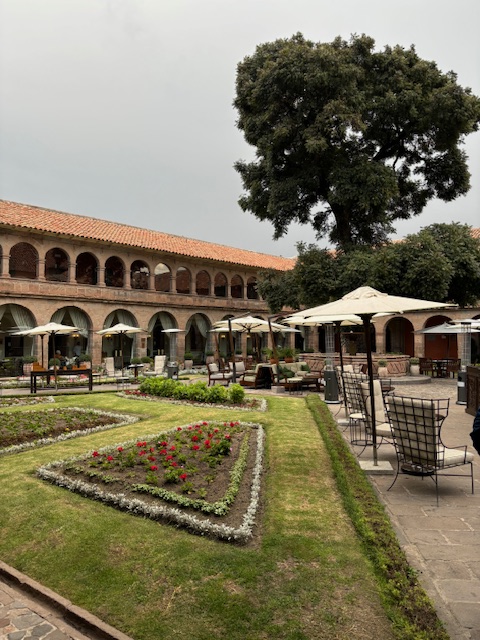


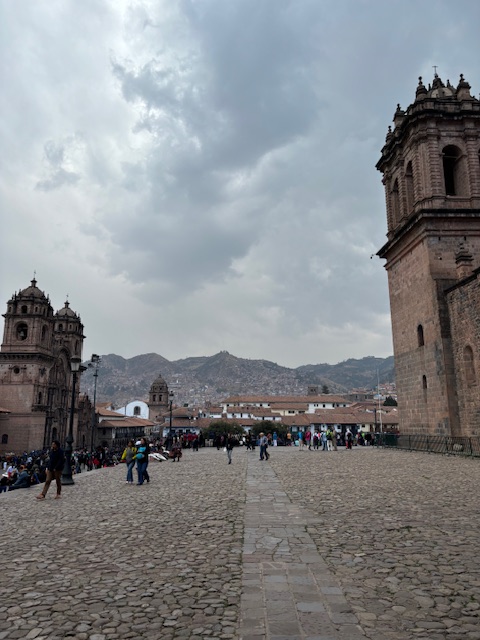


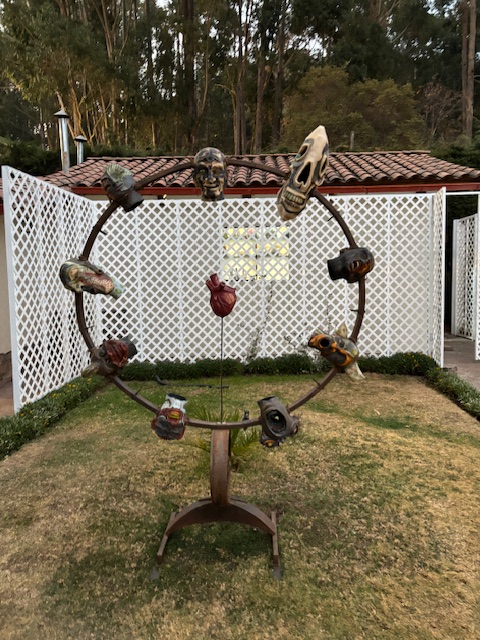

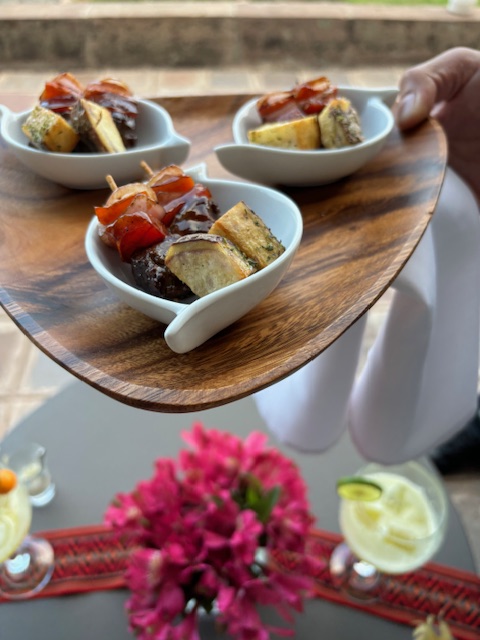

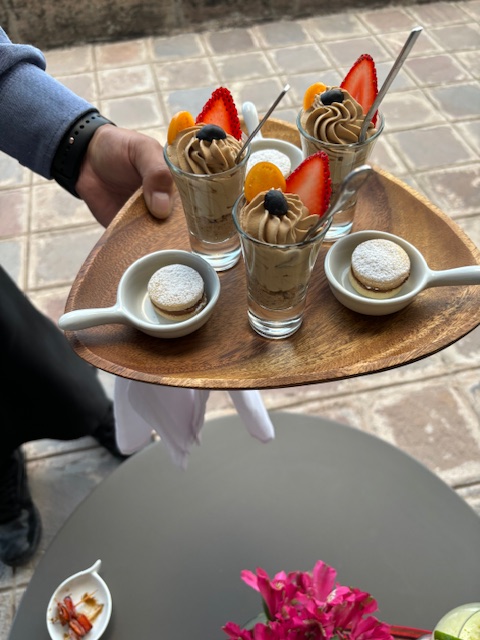
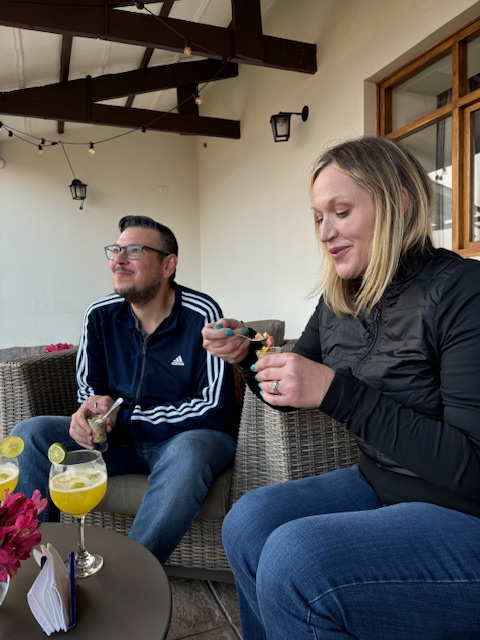


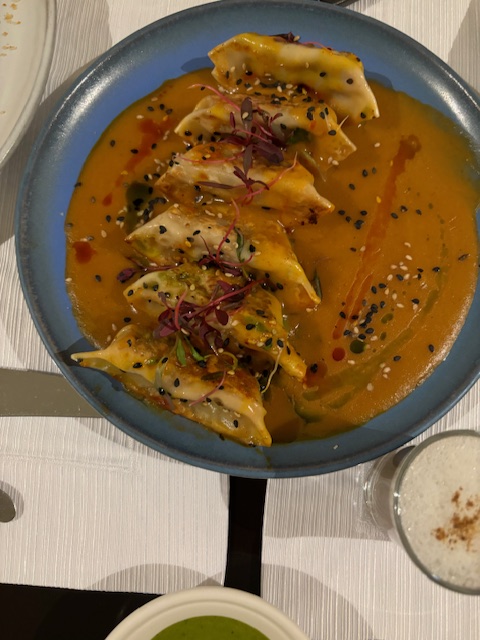
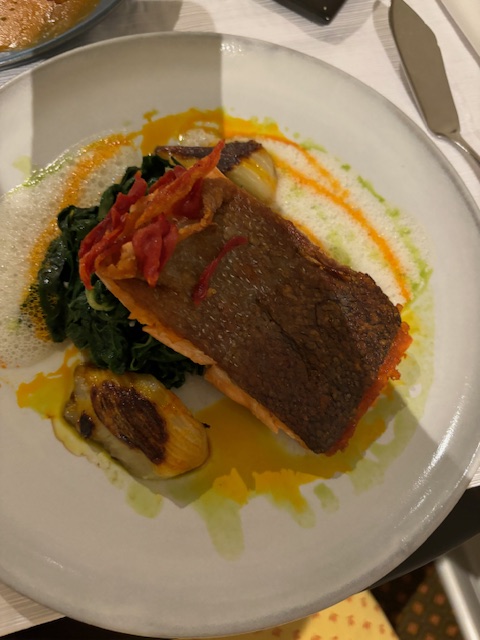
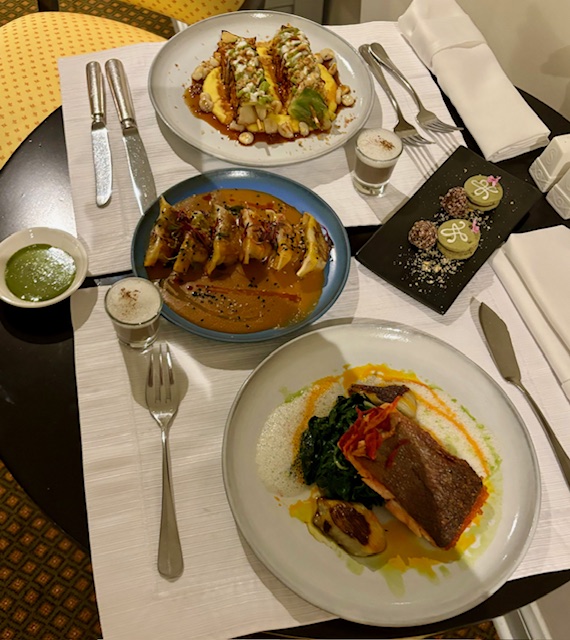


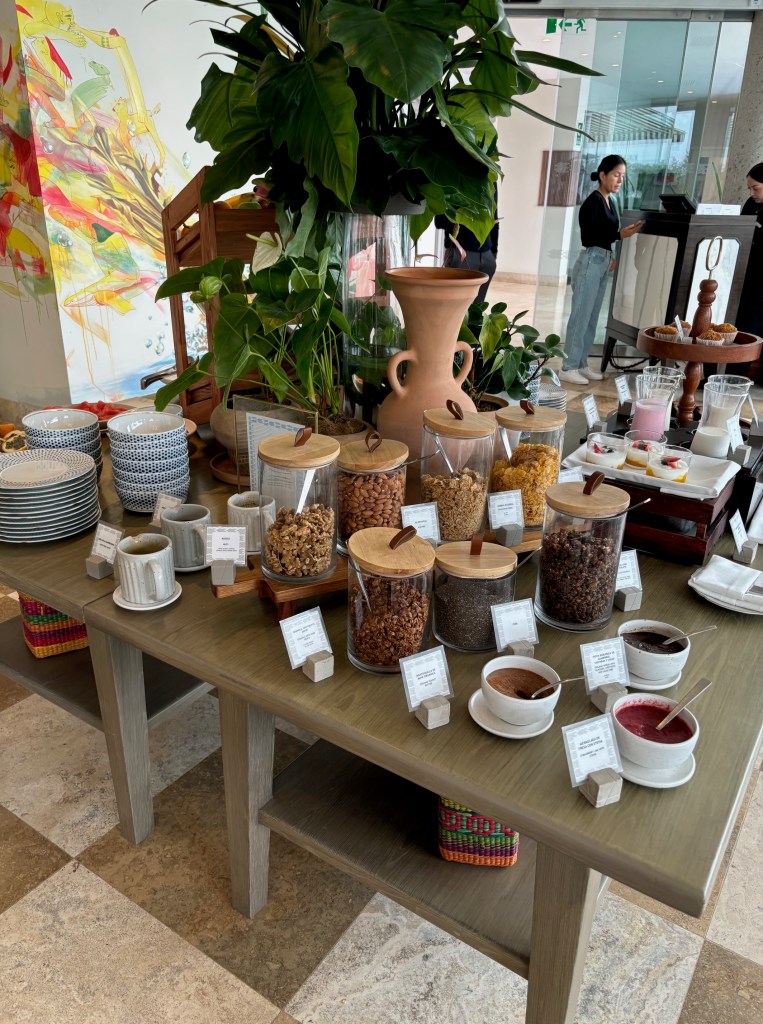
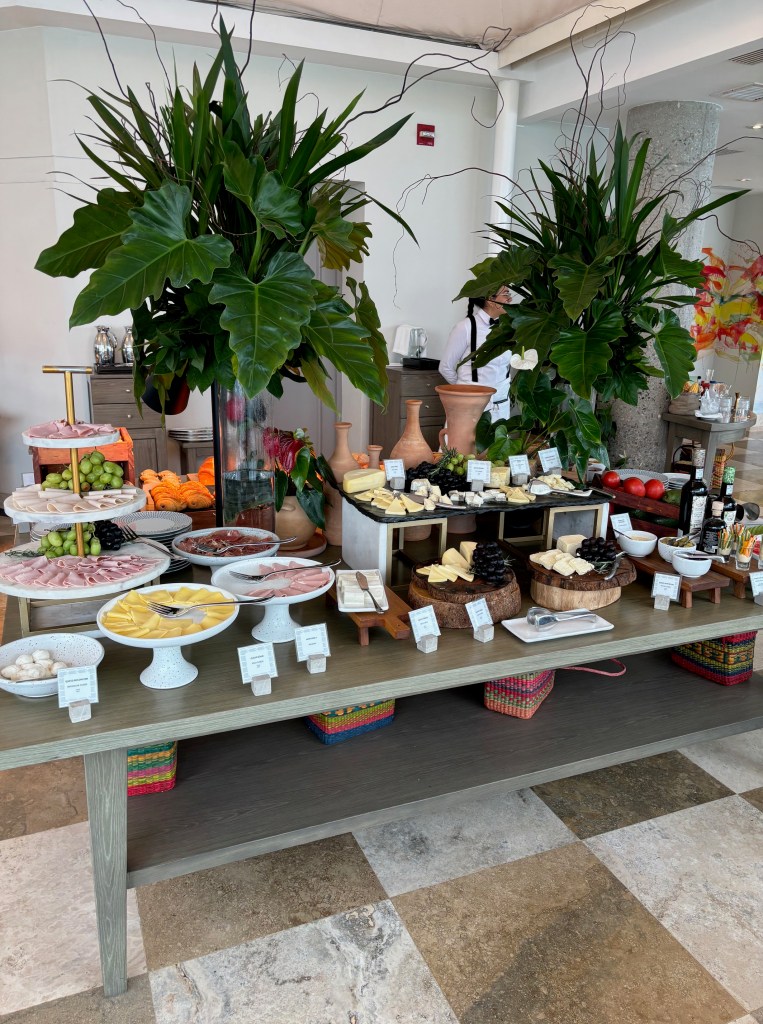


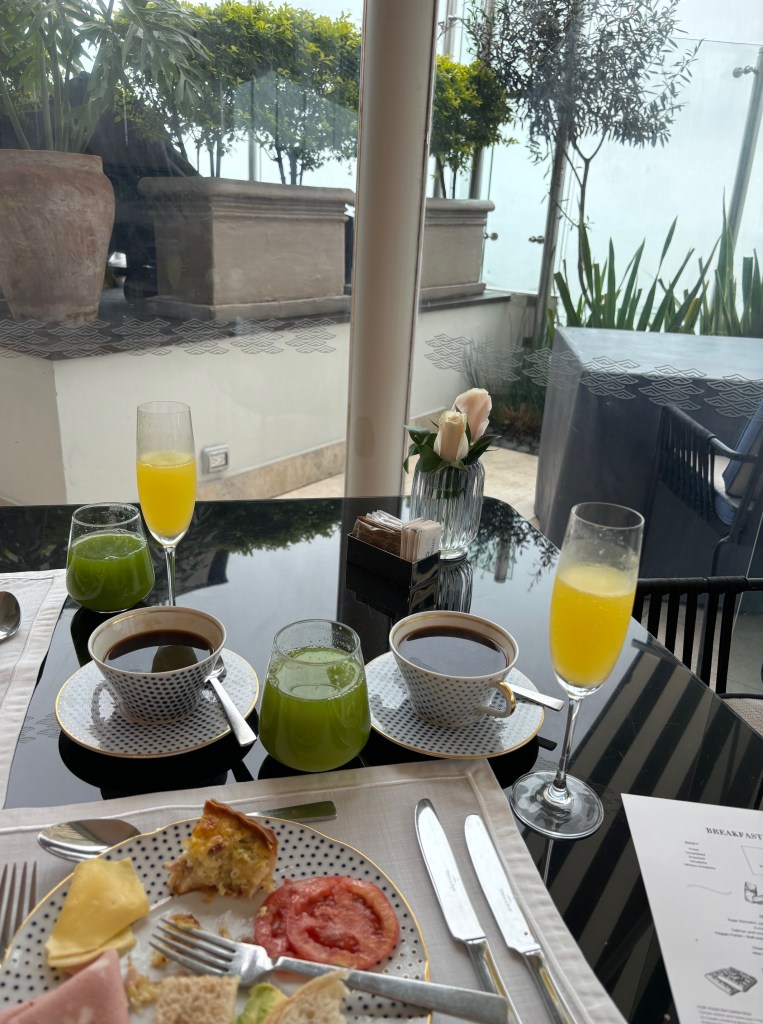
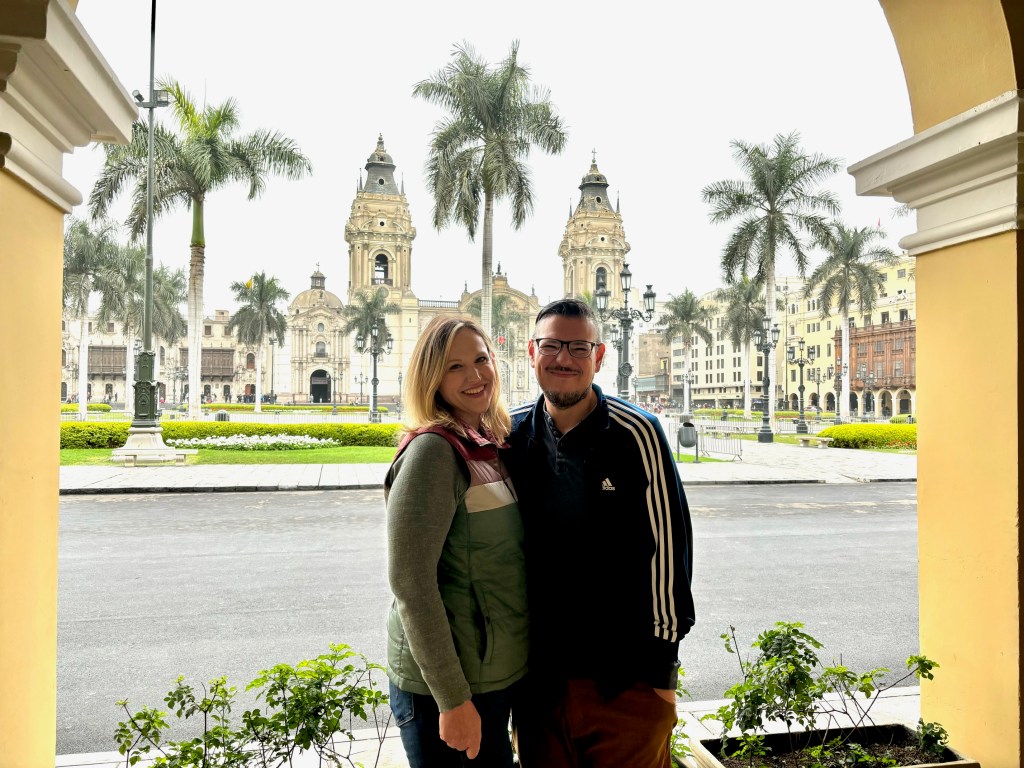

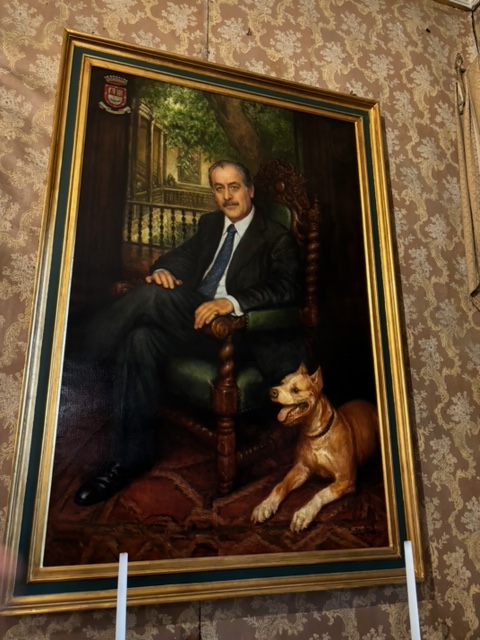
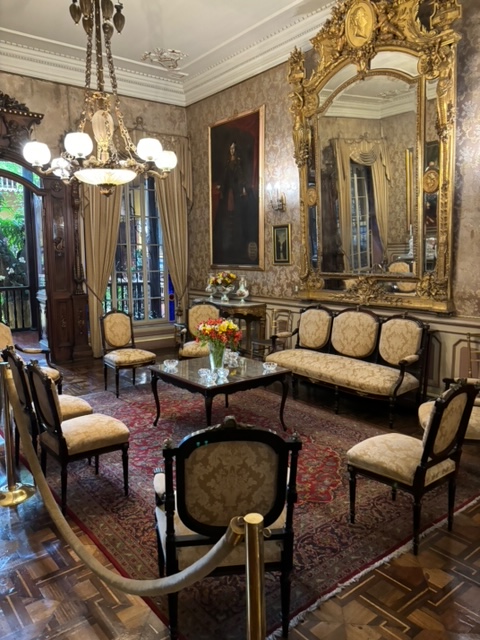
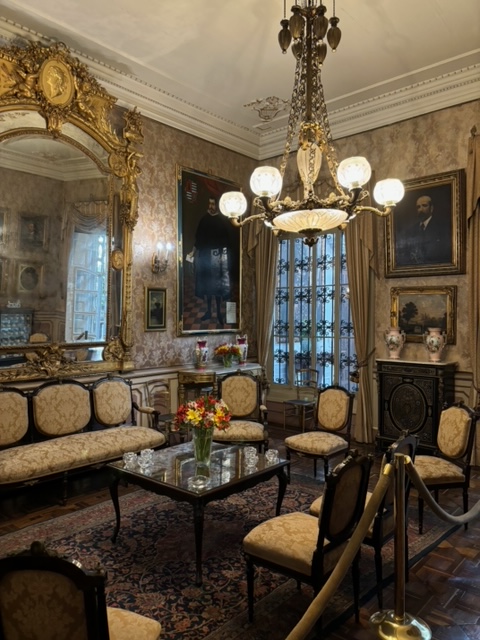
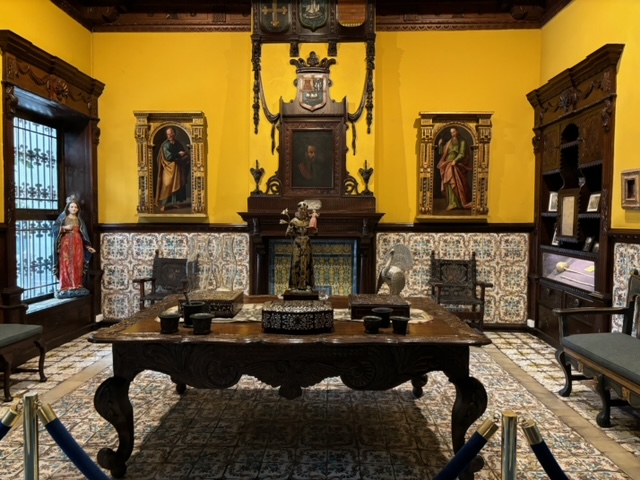


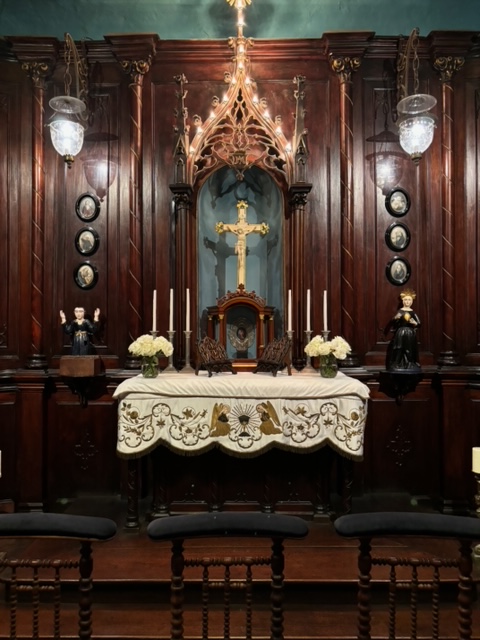
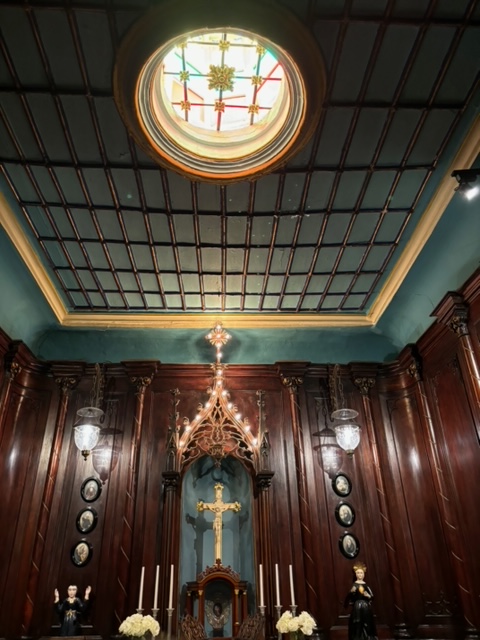


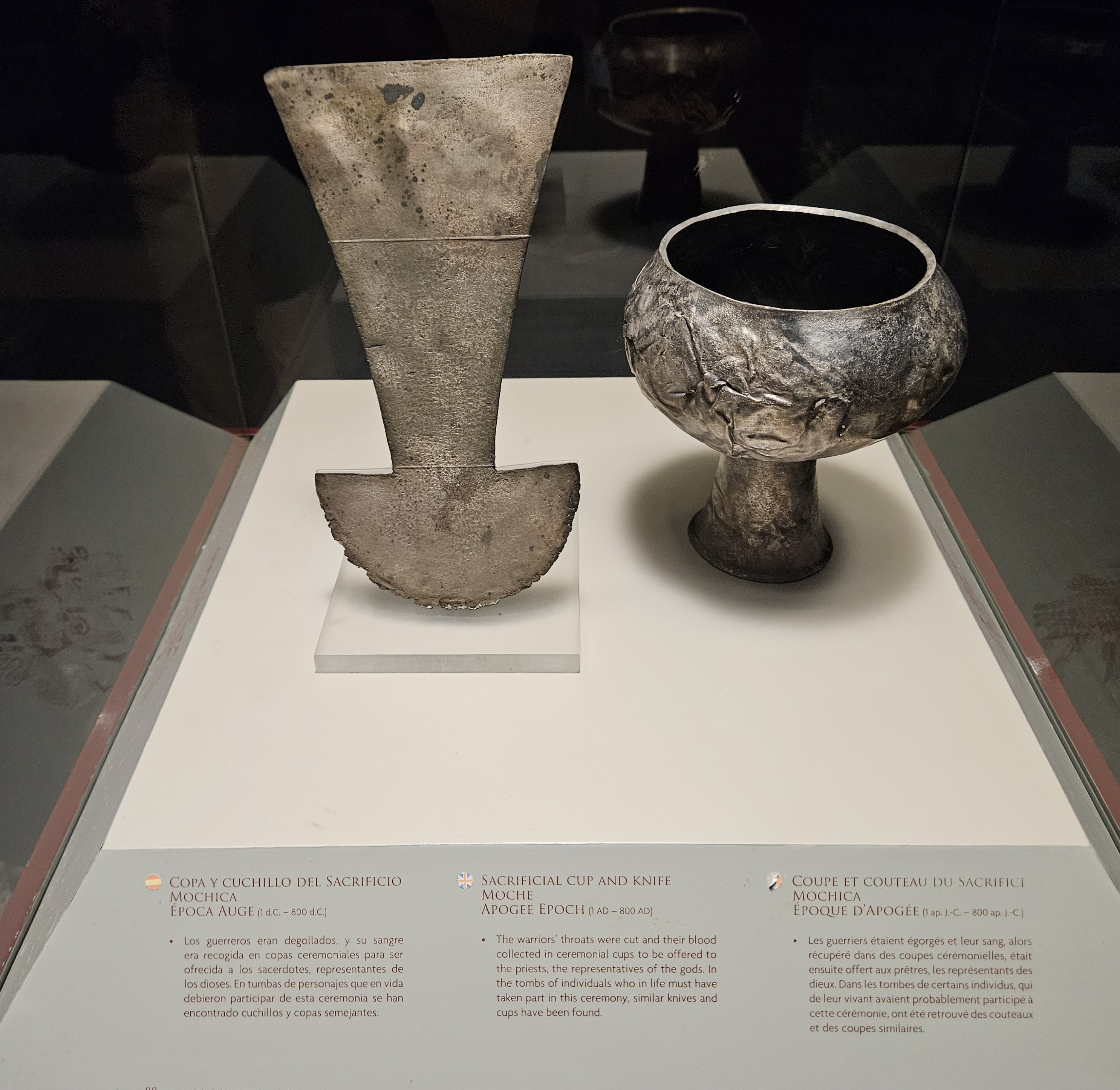
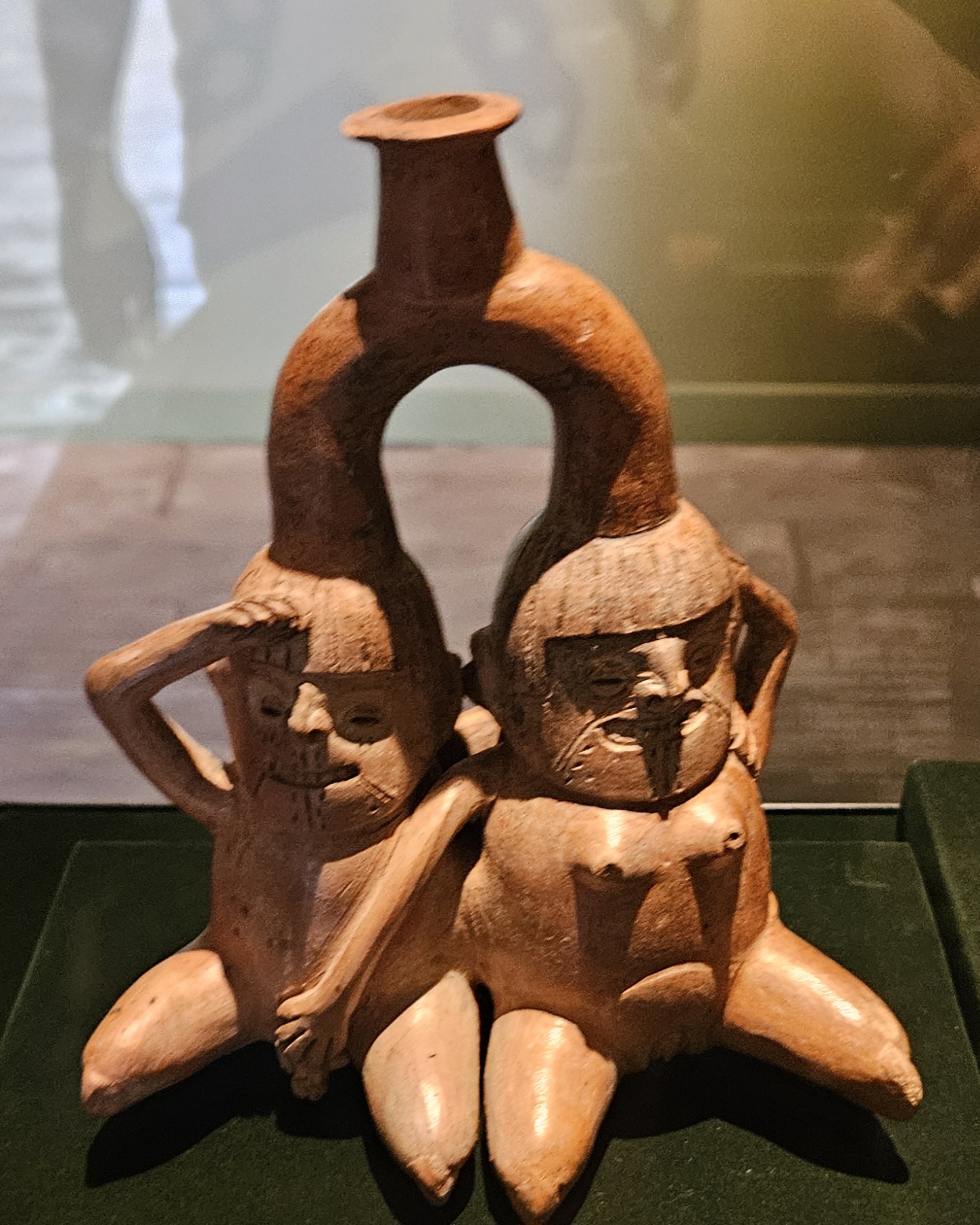


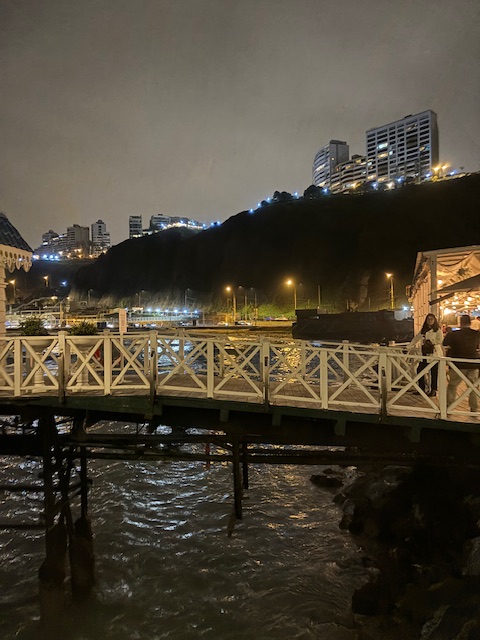
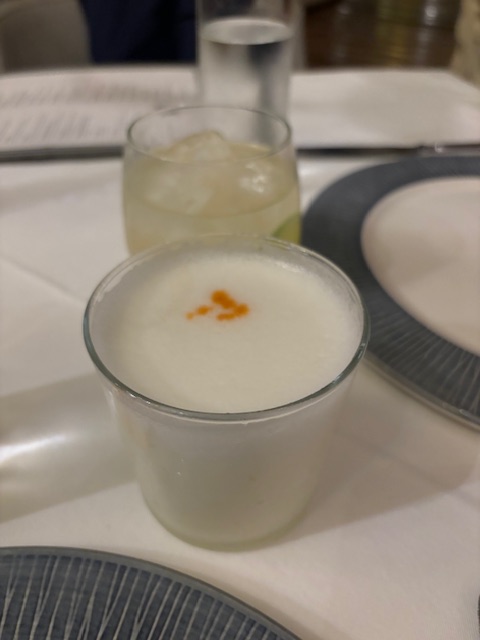
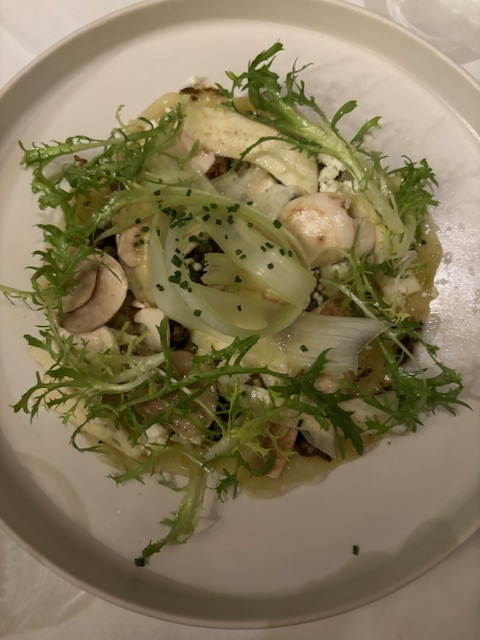


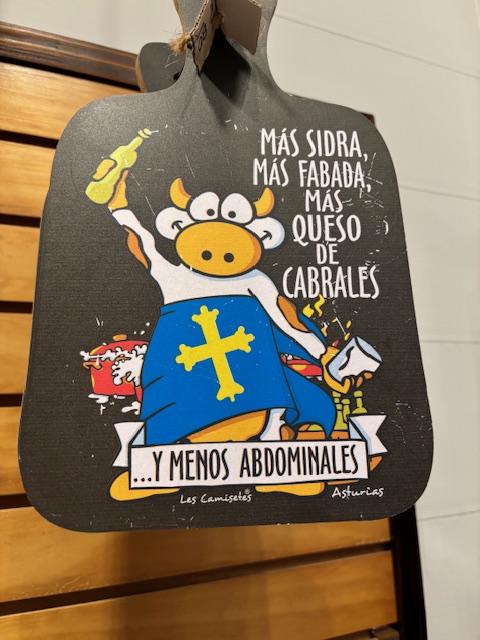



 Jess Barrington Travels