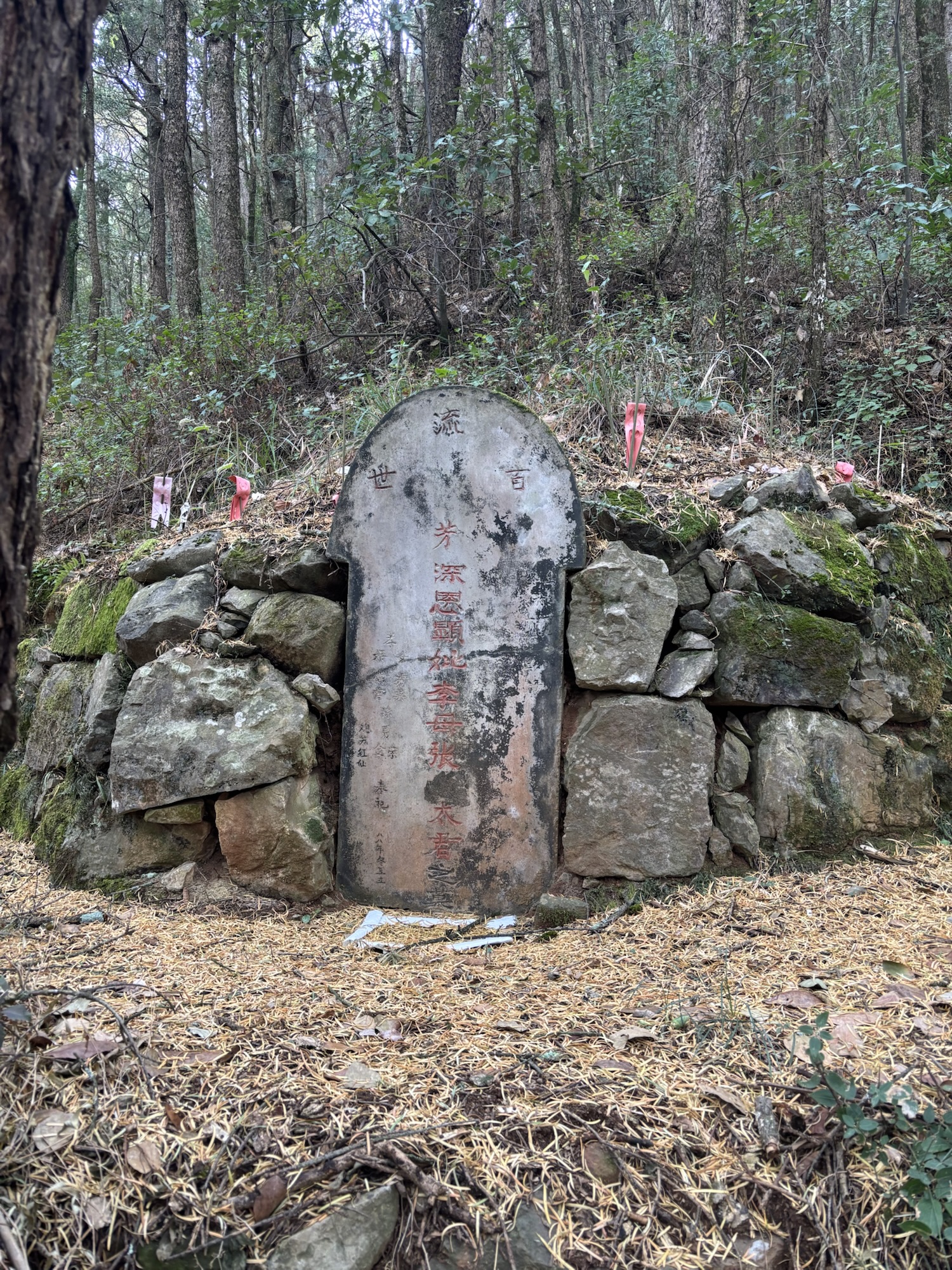
We saw many Chinese burial mounds during our two months in China, the first of which were in Kunming. We’d gotten a bit off the beaten path (well, there actually was a path, to be fair) and found ourselves descending Biji Mountain down a winding trail through the woods (Phil writes more here).
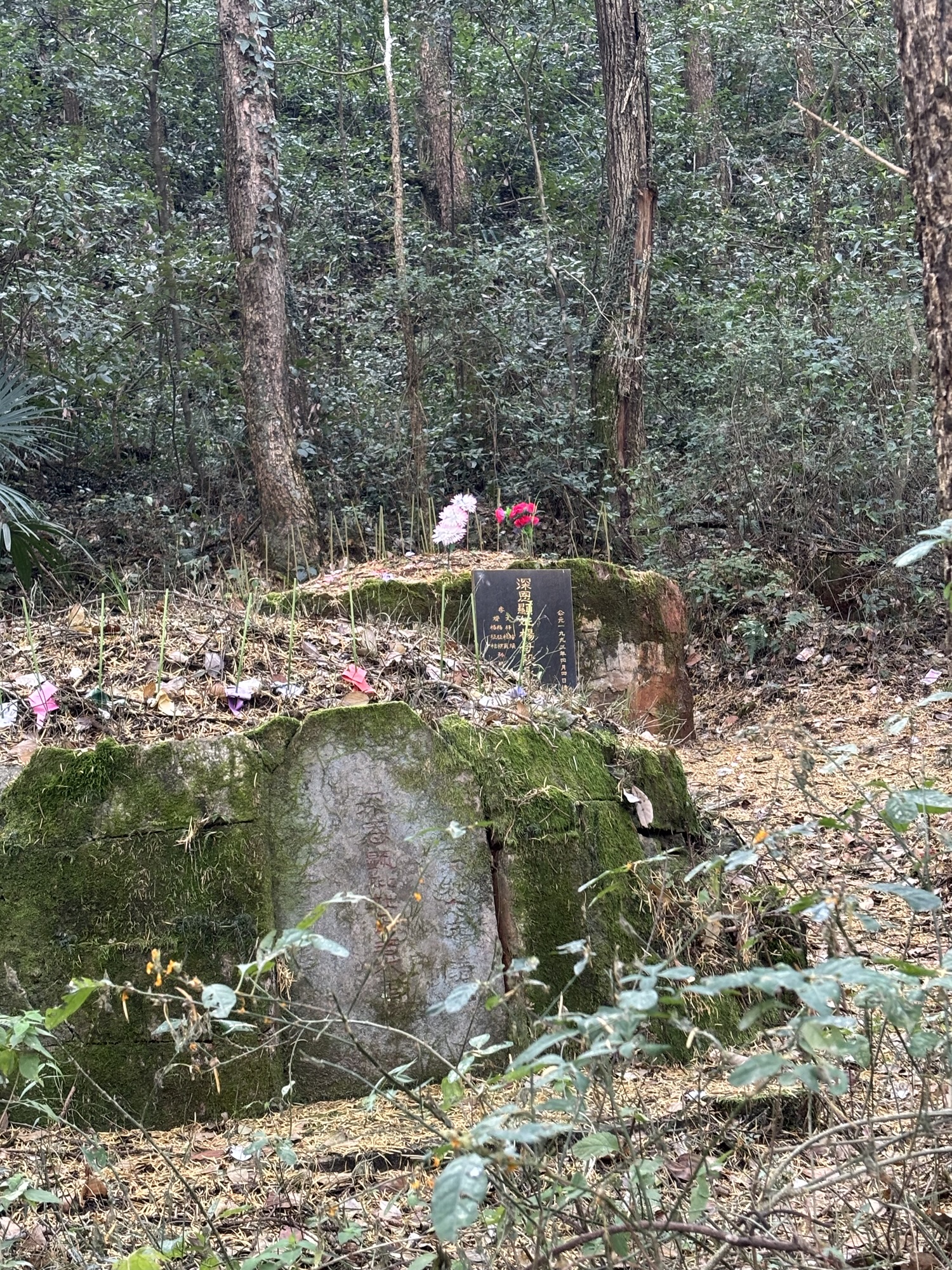
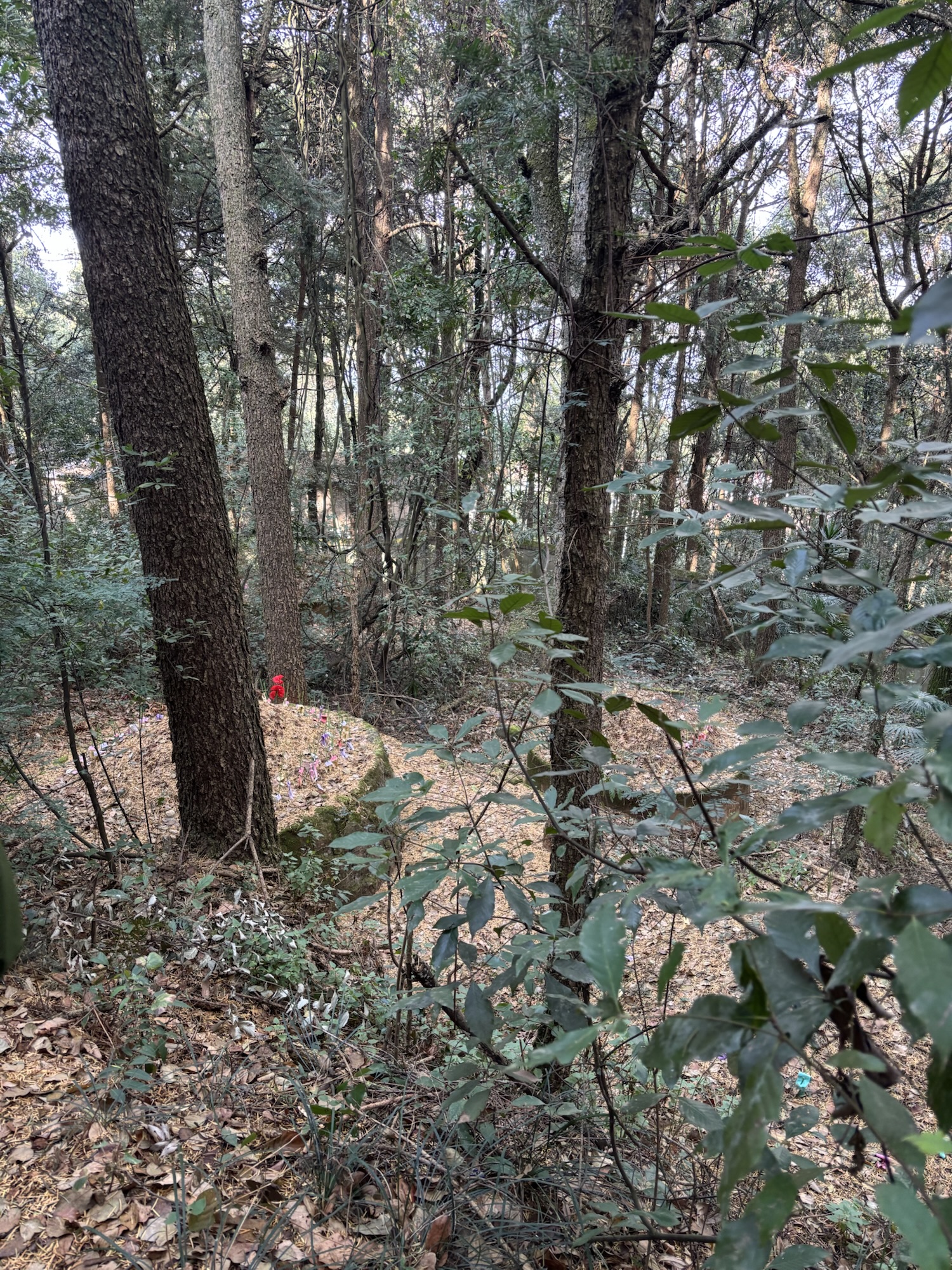
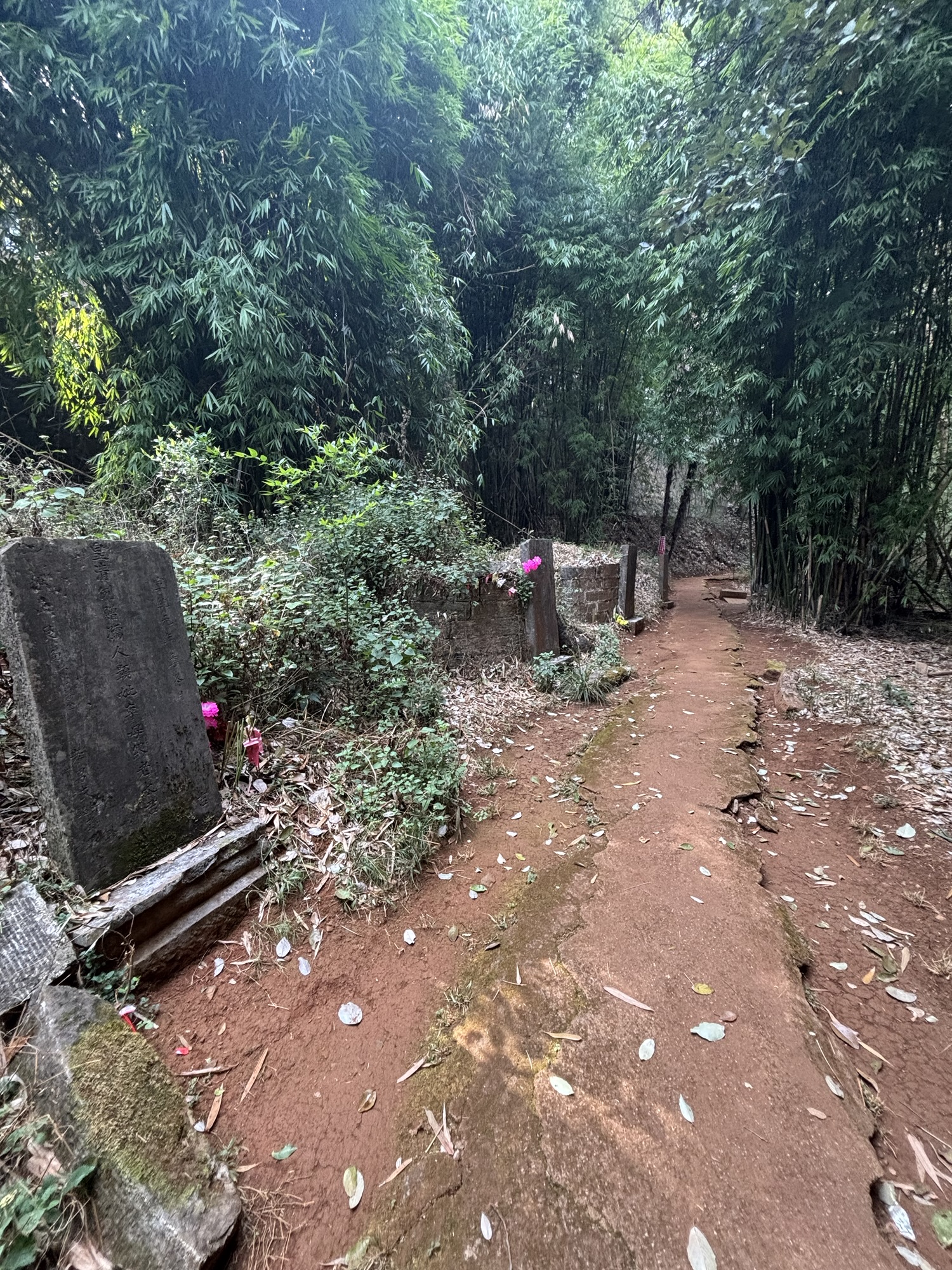
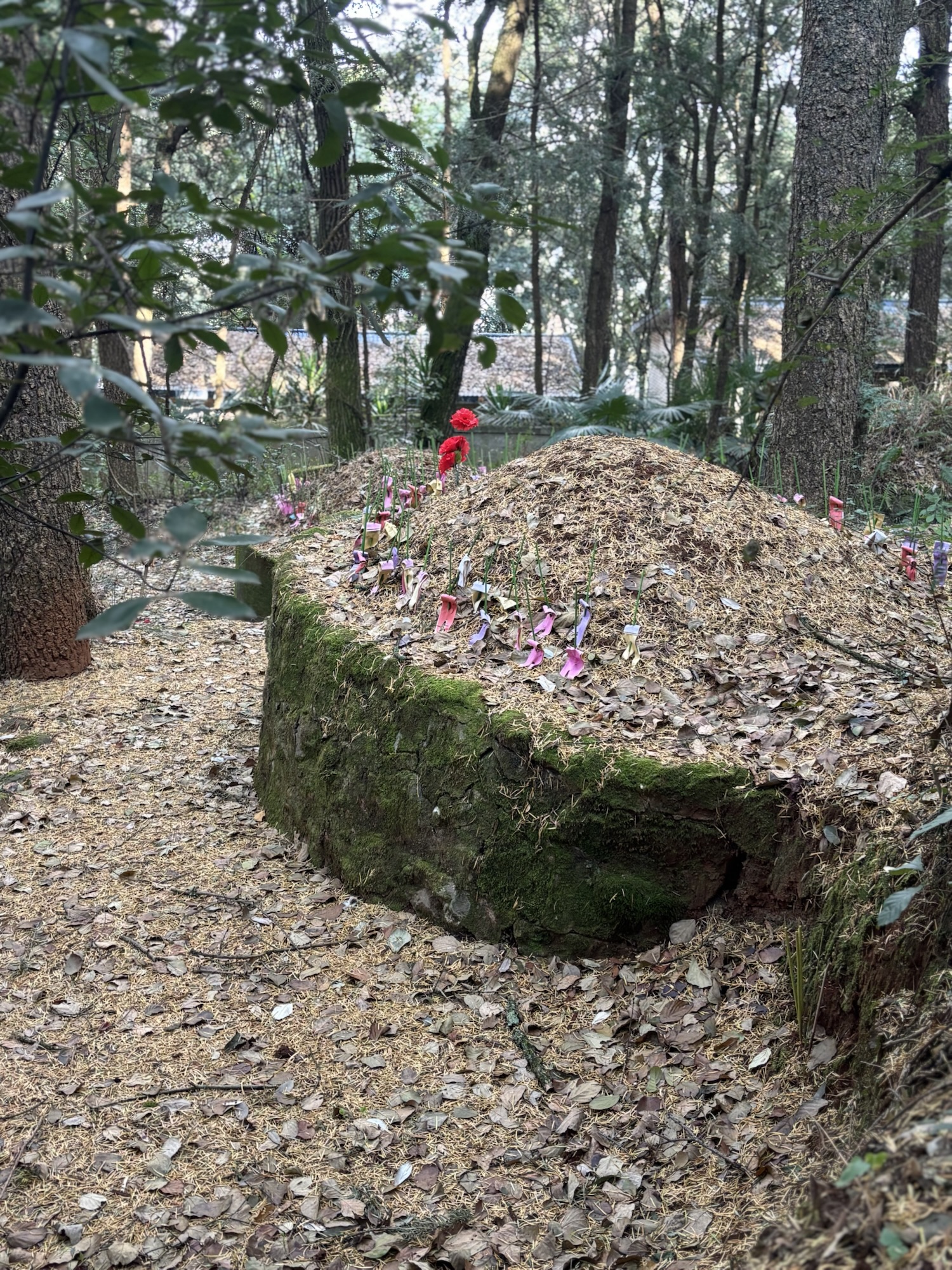
We assumed the mounds to be quite old, though many appeared to have recently been visited, since there were red ribbons, ashes, and incense sticks on most of the graves, presumably for the Chinese New Year. Chinese culture values filial piety, which is a core virtue of Confucius’ teachings, which emphasizes respect, honor, and obedience to one’s parents and ancestors.
Ancestors are often honored during major holidays in some way, with family bringing small offerings or gifts and burning incense at their graves. During Chinese New Year, some areas in China burn fake money so the ancestors will have resources in the afterlife. This money is called Joss paper, meaning “spirit money.”
In Hong Kong, where the custom is also popular, we saw vendors selling bundles of fake money over Chinese New Year. There were entire stores dedicated to just selling these types of items.
When we visited Dali, we went on a hike with our tour guide turned friend, Liya. As we entered the park and neared the hiking trail, there was a guard post and two different entrances to the area. Liya said that the other entrance was for family members who were there to visit their ancestors’ graves, as there were burial mounds there. The guards were confiscating lighters before people entered as a fire prevention measure. I initially thought this was for the people who couldn’t stand to be without cigarettes even on a hike in the mountains, but it was also for people visiting the burial mounds, so they would not light incense.
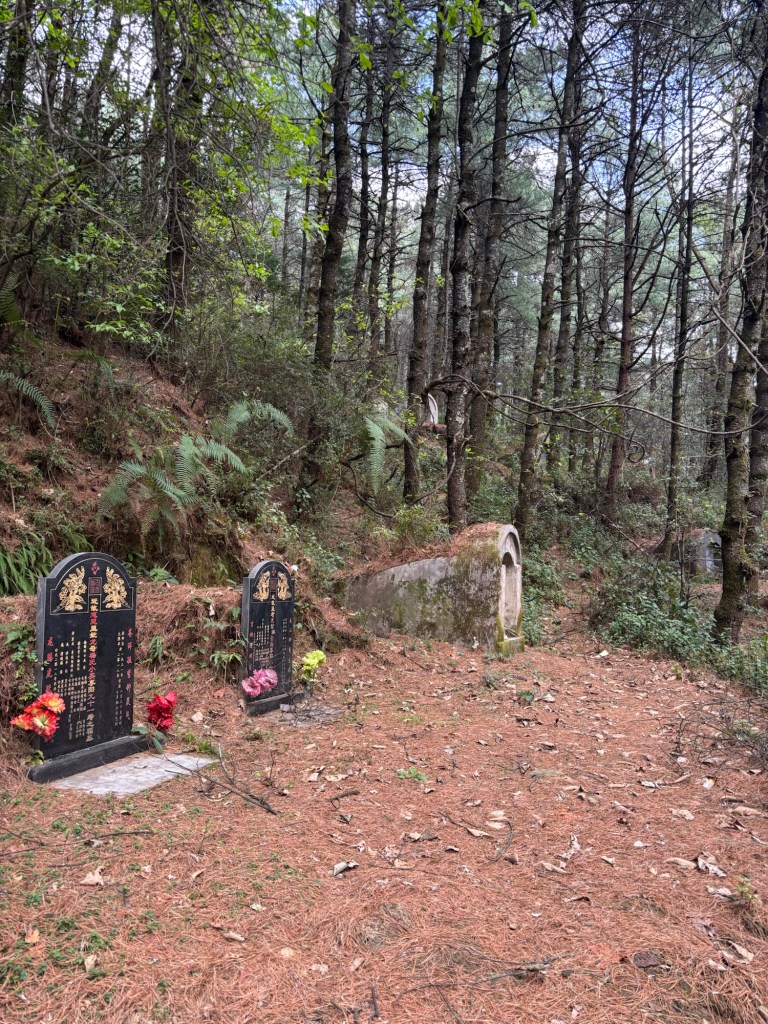
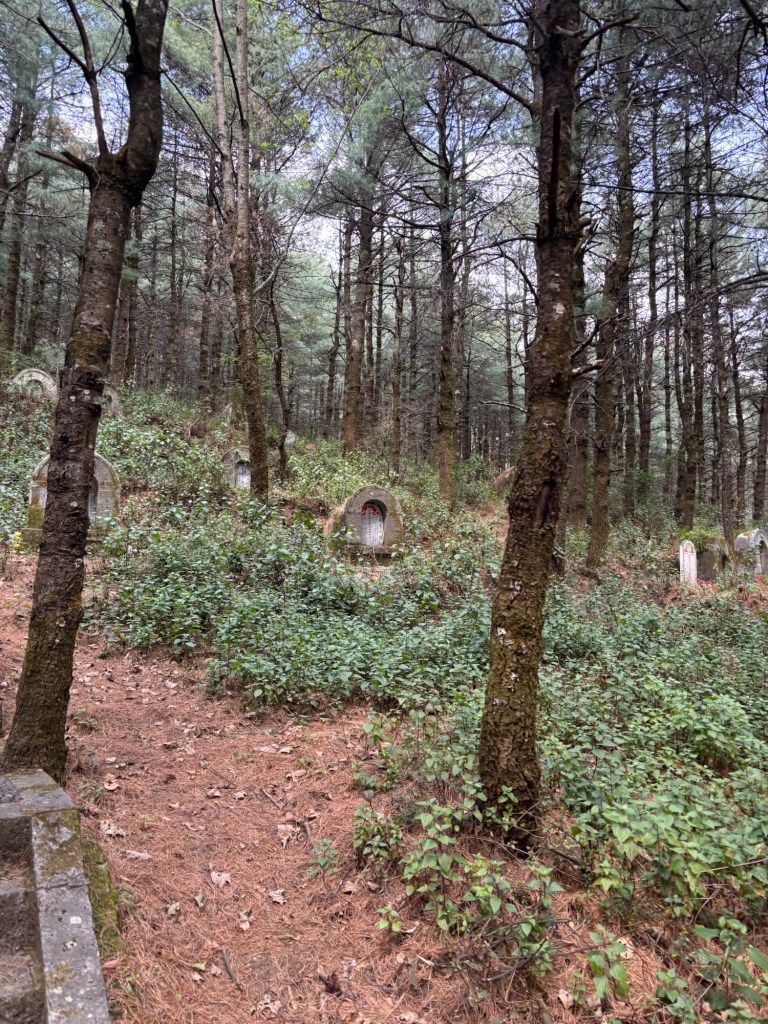
Liya explained to us that mounds for burial used to be very common, but stopped a couple of generations ago at the governments’ urging. Cremation is now the preferred method for the remains of the dead.
As we hiked, we saw people visiting the mound tombs, leaving various offerings. Liya explained that there are several important times of the year when families visit for holidays.
We encountered one such holiday when we were leaving Yangshuo County. We were woken rather early, around 7am, by what sounded like fireworks. We tried to ignore it, but it kept on going, on and on, without stopping. I thought, ‘why in the heck are people setting off fireworks this early? You can’t even see them.’
Eventually, we made our way downstairs to have breakfast at the hotel and saw smoke coming from the mountains and surrounding areas. As we were leaving, we asked the hotel manager if people were setting off fireworks because is was the weekend or what? She explained that it was the first day of a Chinese festival honoring the dead. For one week, people visit the graves of the dead, bringing gifts and setting off fireworks. The fireworks are meant to “wake the dead”, so they are aware that their families are celebrating them and bringing them offerings.
It was interesting to learn about the celebration, but we were glad that we were leaving. The dead might be honored to be awakened at 7am, but Phil and I will pass. We felt badly for the folks just arriving that day and would experience daily fireworks during their stay. On our way out of town, we passed many families on the roadside with cases of fireworks in their vehicles, pulled off, visiting their loved ones tombs. It seemed in poor taste to snap tomb pics while they were doing this, so I did not.
The last mounds we saw were in Chongqing, after visiting a very cool Buddhist temple housed in a cave (sorry, no pics allowed there). As we left the temple and walked back toward the hustle and bustle, we saw them, tucked into the hill.
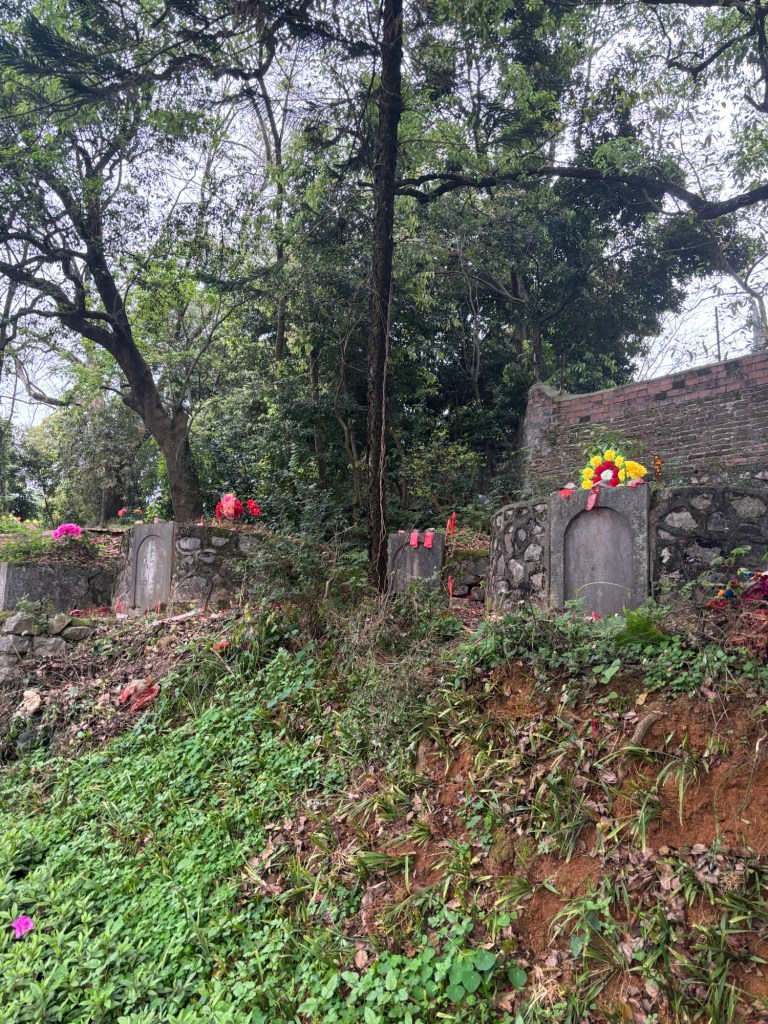
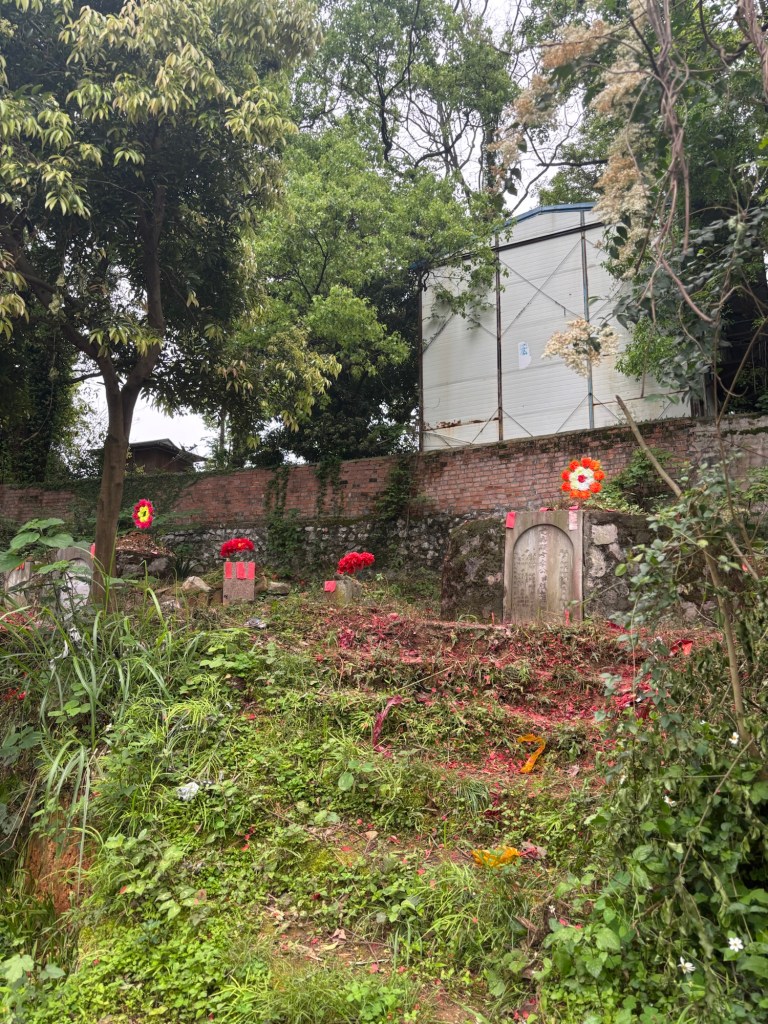
I like that there are so many occasions during which the Chinese visit their ancestors’ graves. I think many people worry about the memory of their existence being lost to time. That’s why some get caught up in “leaving a legacy”, to attain some sense of immortality. Don’t get me wrong, we should all strive to do good things and to do our best, leave places better than we found them, but after a few generations, we will in all likelihood, be forgotten, and that is ok. It’s nice to think though, that you may have distant family members, hundreds of years from now, who want to wake you up every now and again to party in your honor.


I would also be less than overyjoyed to be woken up by fireworks at 7am, but that is a pretty cool tradition…from far away.
LikeLiked by 1 person