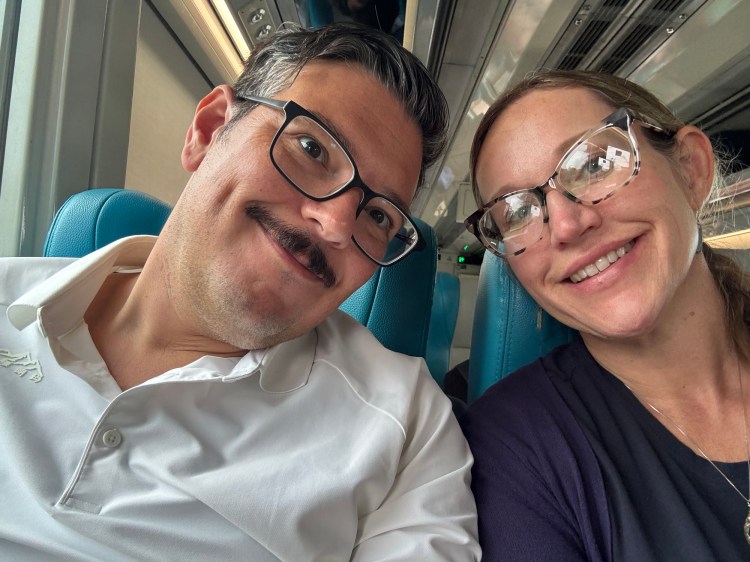
We took the train from Surabaya to Yogyakarta (pronounced Jogjakarta and locals call it Jog-jah). It was only a few hours and the train was air conditioned and roomy, which made for a comfy ride.
We were in Jogja for a week and what a week it was! Here are some of my favorite activities from our time there:
1.The Batik Art Village
We visited the Leksa Ganesha Batik Art Gallery after we’d been advised by a number of locals to avoid buying from batik galleries. These “fake galleries,” found on the famous Marliboro shopping street, often sell mass produced, machine printed, fake batik. One of the ways to tell a real from a fake is that the dye should soak through the material, so the pattern should be equally vibrant on both sides. A fake will have a back side that is white or faded.
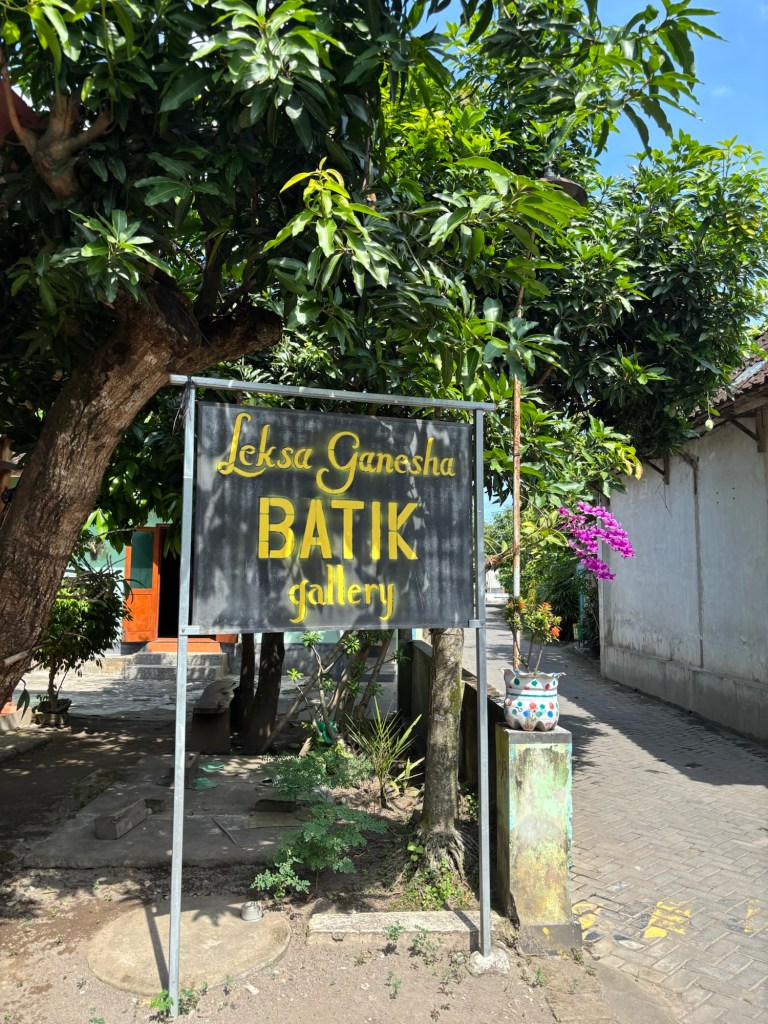
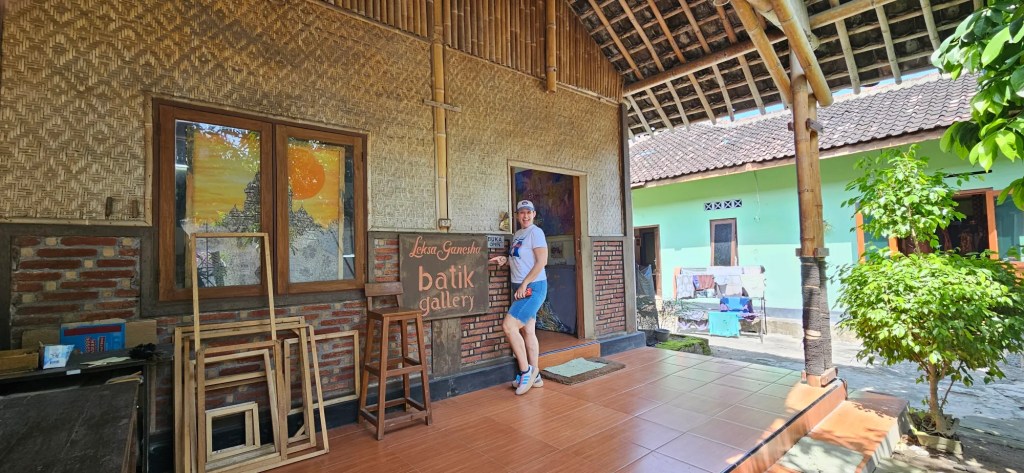
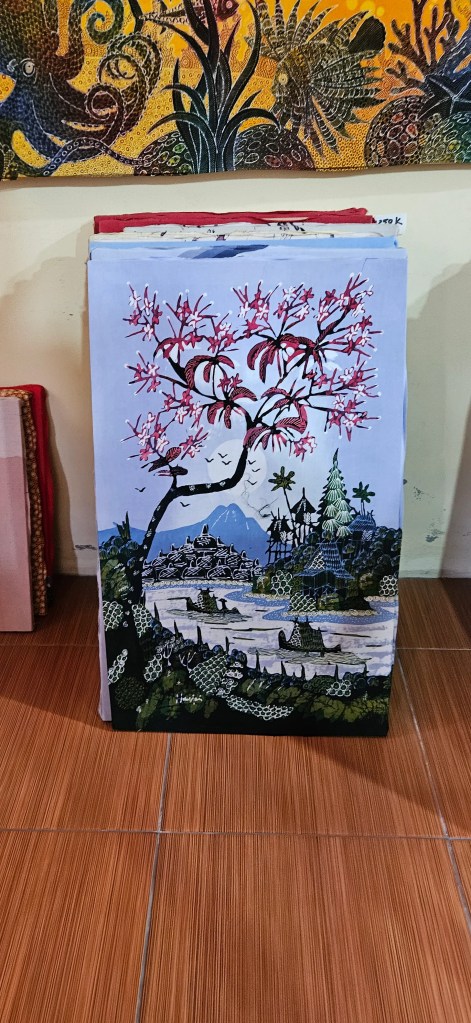
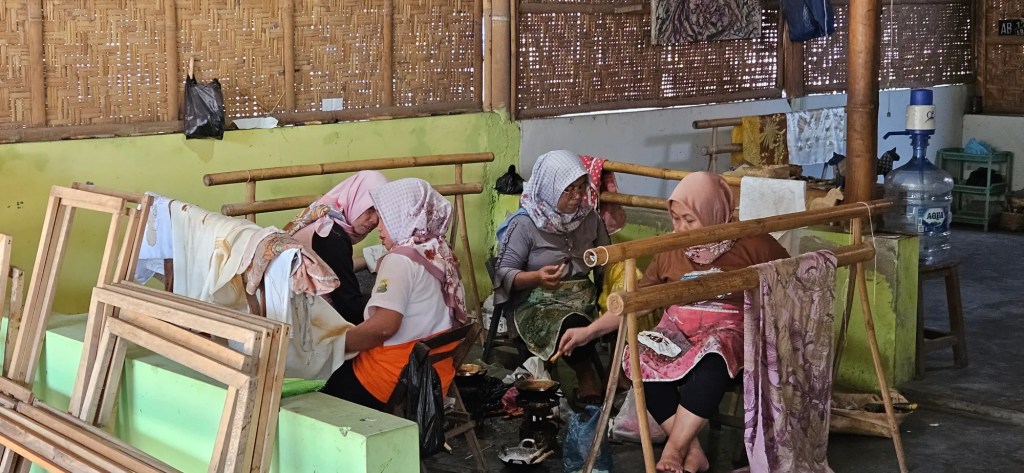
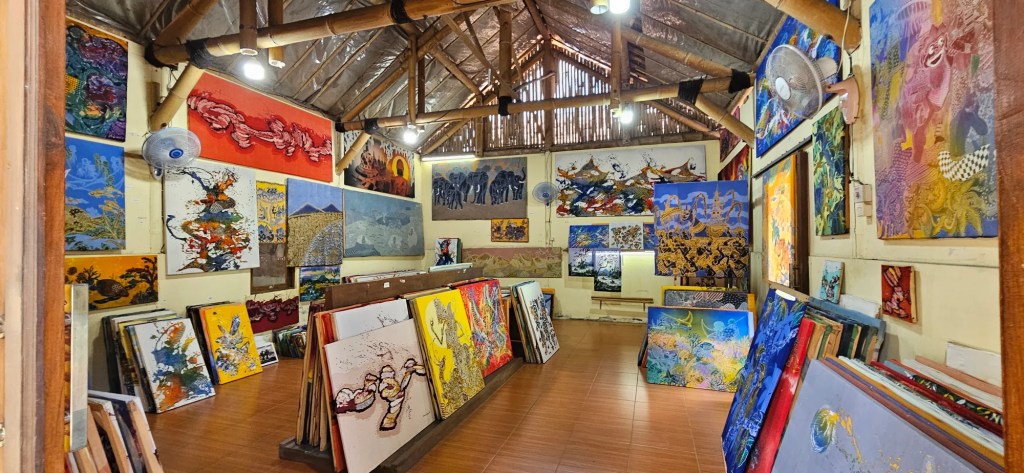
The locals we spoke with recommended the gallery located in what is known as the “batik village,” though it was the only gallery we saw. It does, in fact, employ members of the village and holds classes for visitors to make their own batiks. We did not take a class, rather we explored their beautiful gallery. We ended up purchasing one that we liked. It was the perfect souvenir for us as they took it off the wooden frame and folded it up super tiny and put it in an envelope. They folded it up so tiny in fact that we dare not open it to look at it for fear we will not be able to make it as tiny again. It is packed away in a zippered pocket and will be a nice surprise for us when we return to the U.S.
2. Neighborhood Exploration
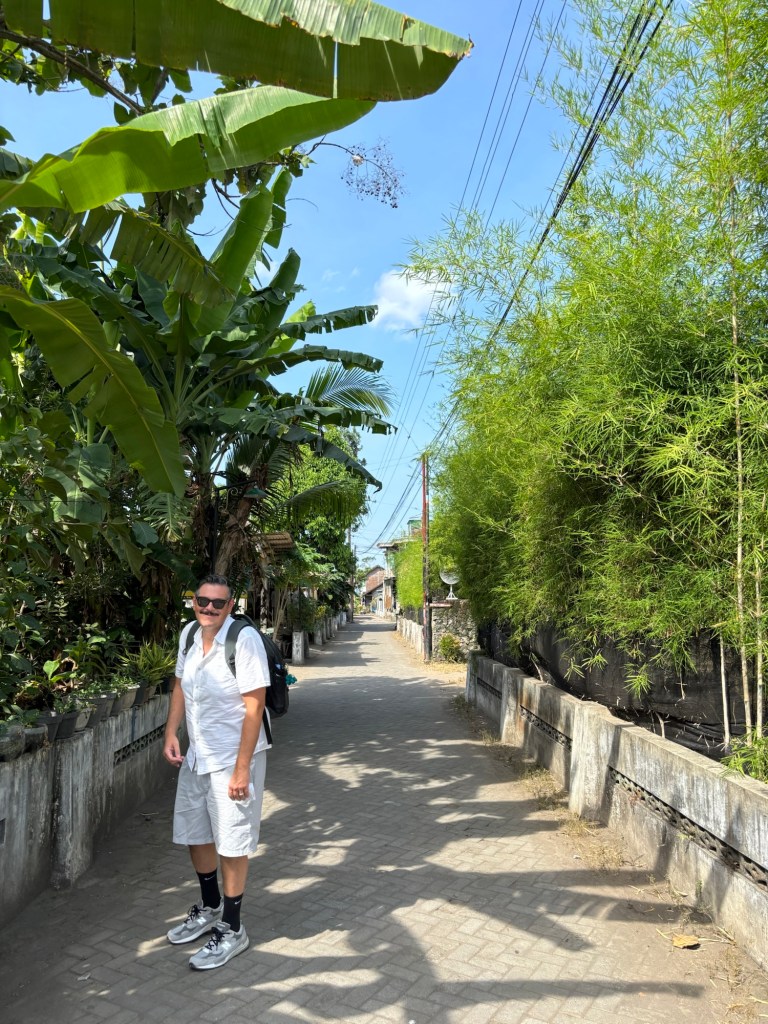
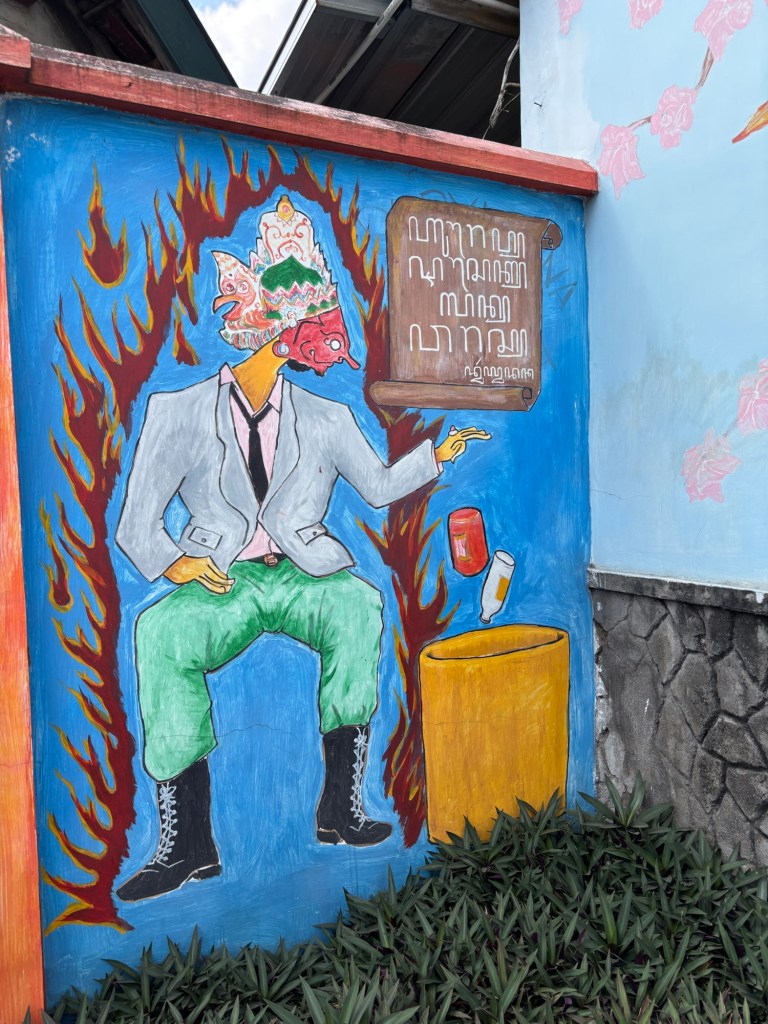
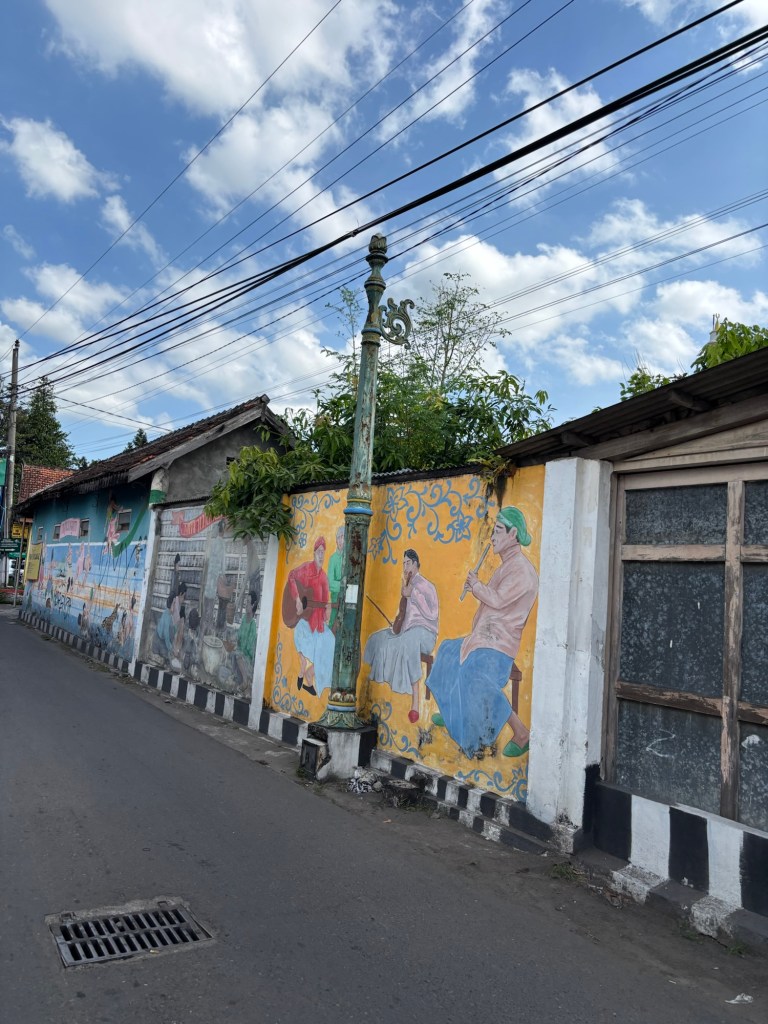
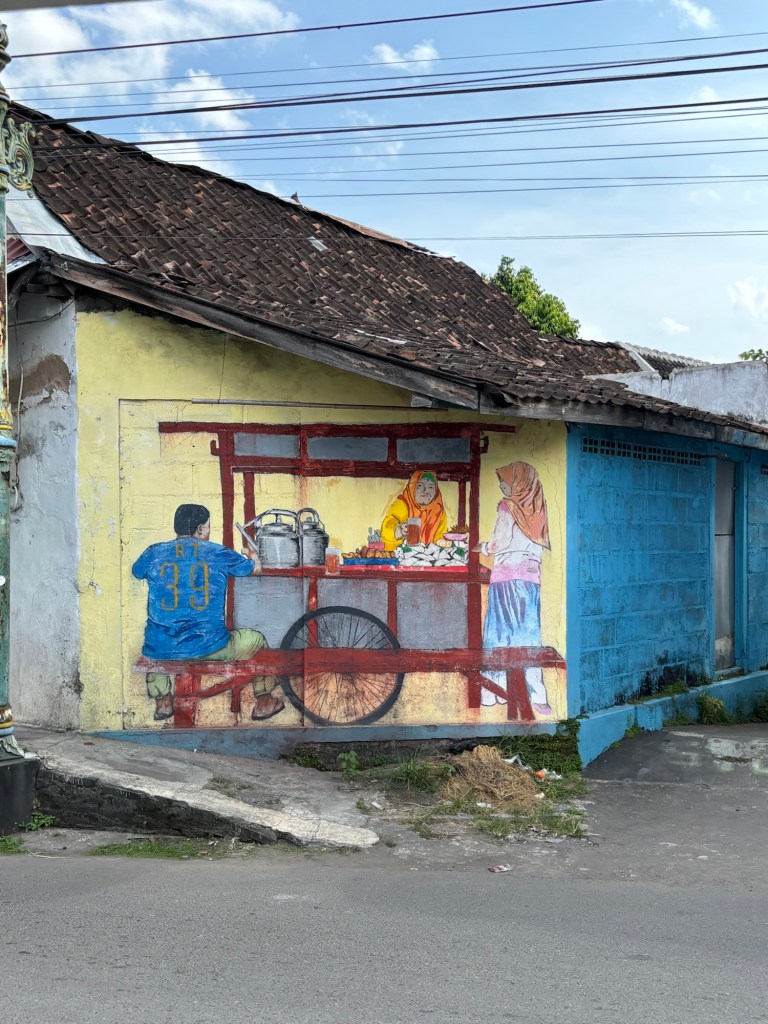
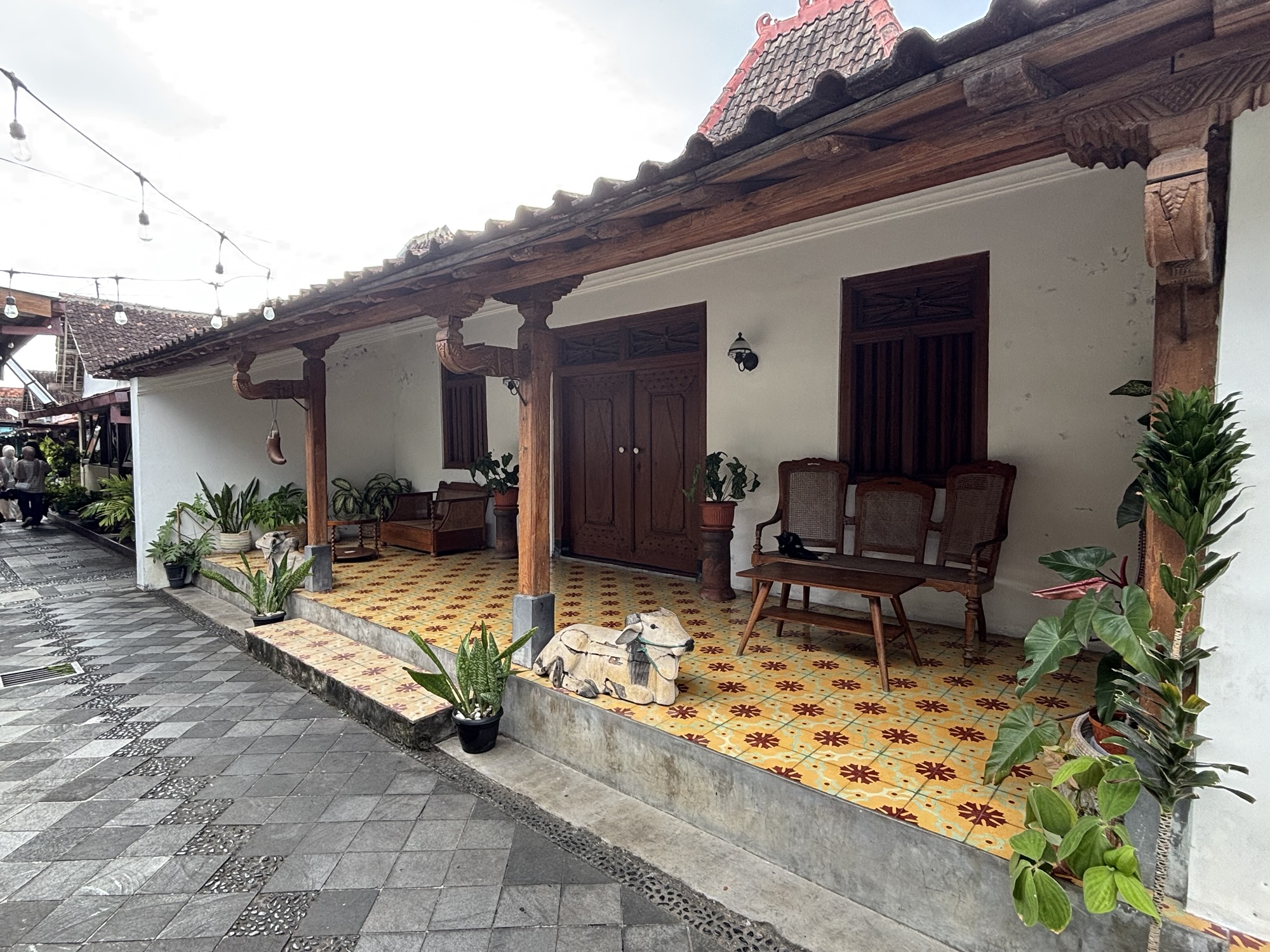
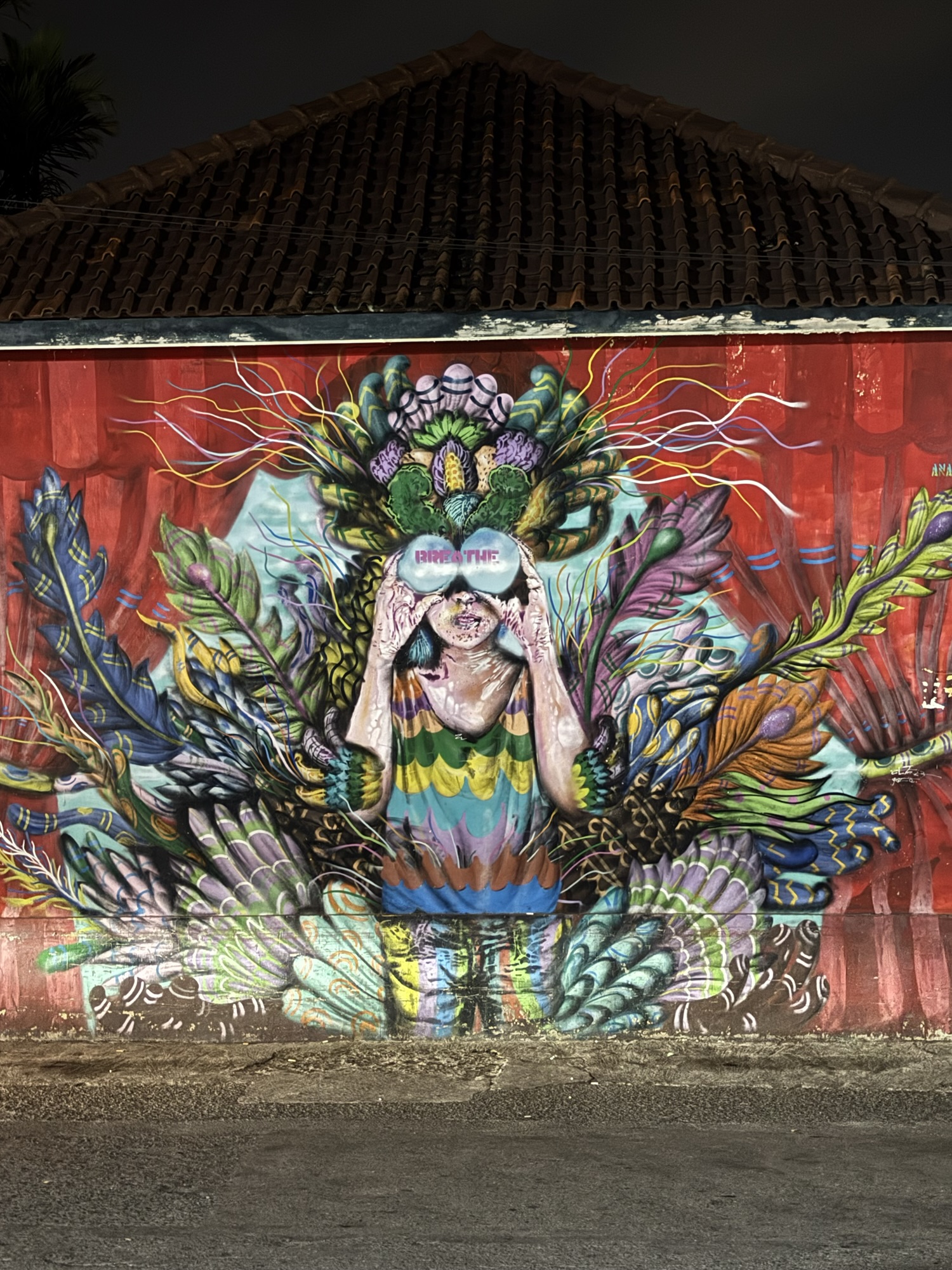
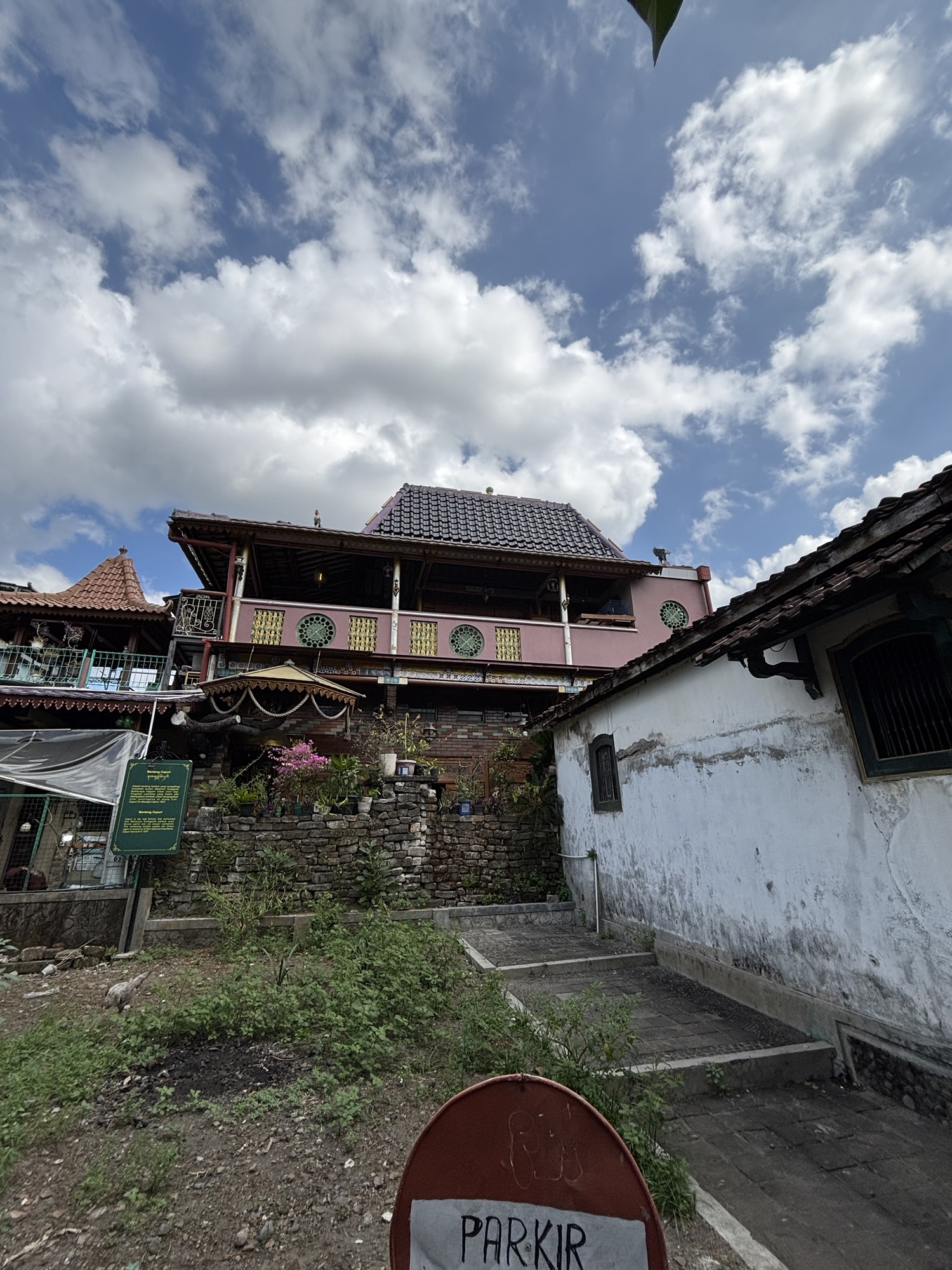
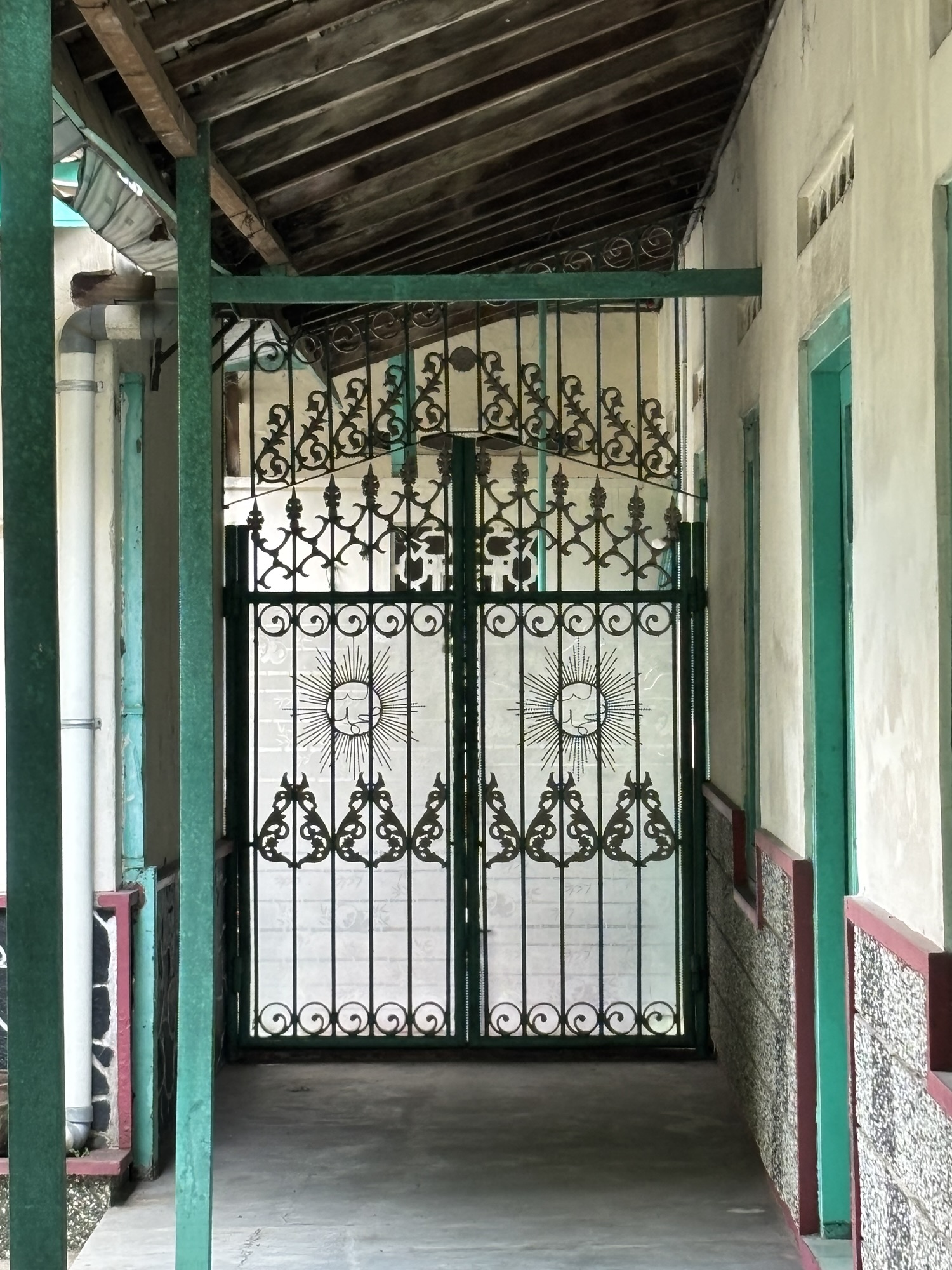
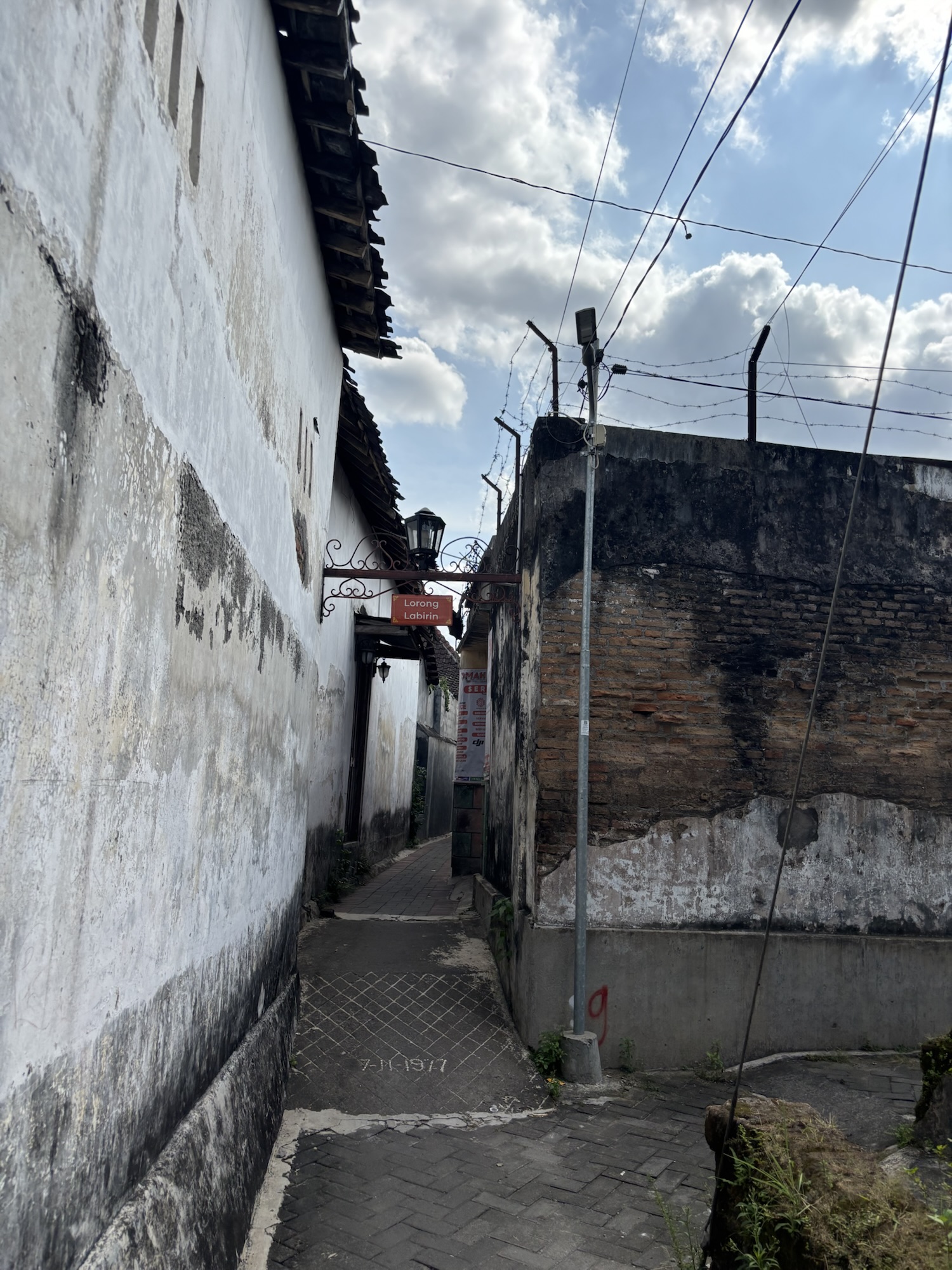
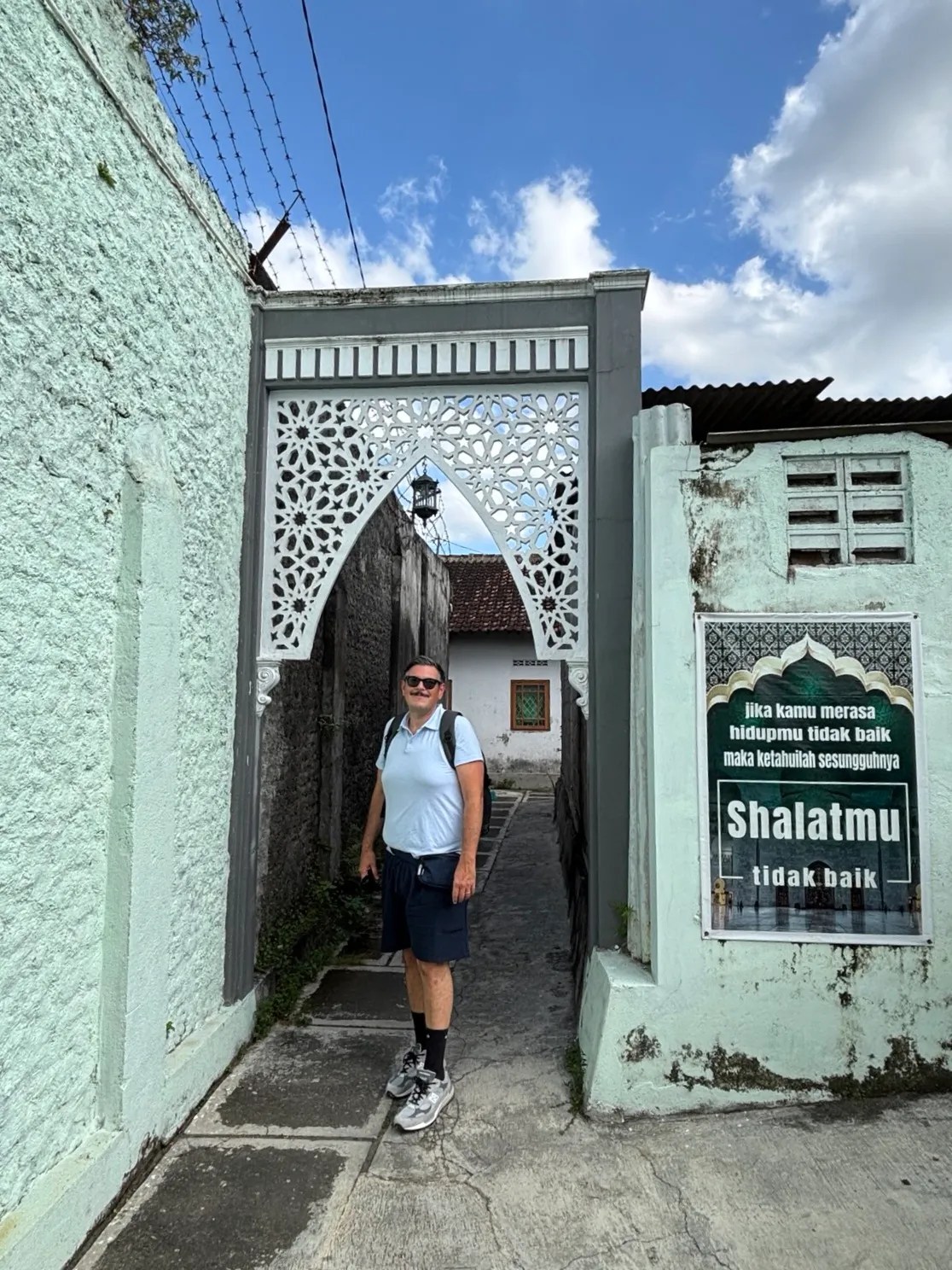
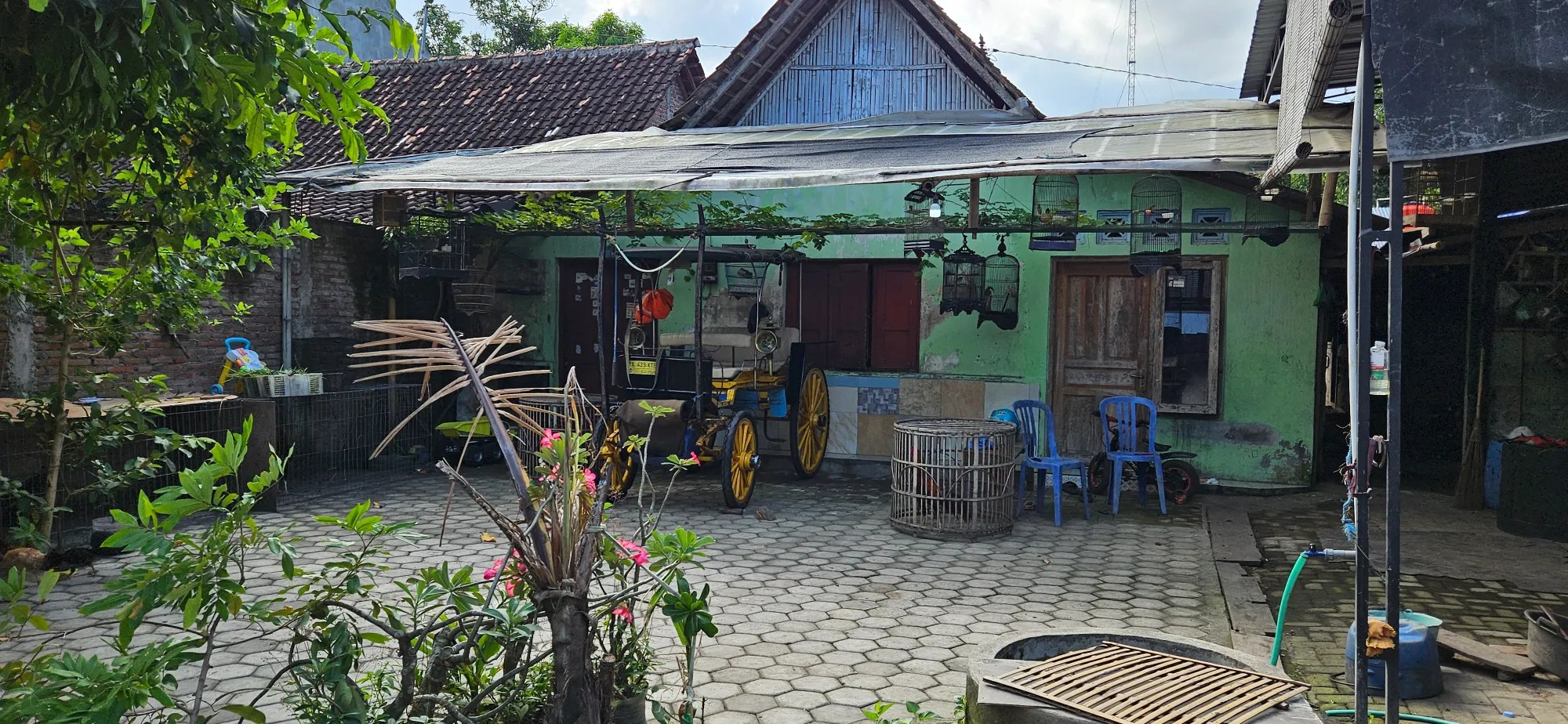
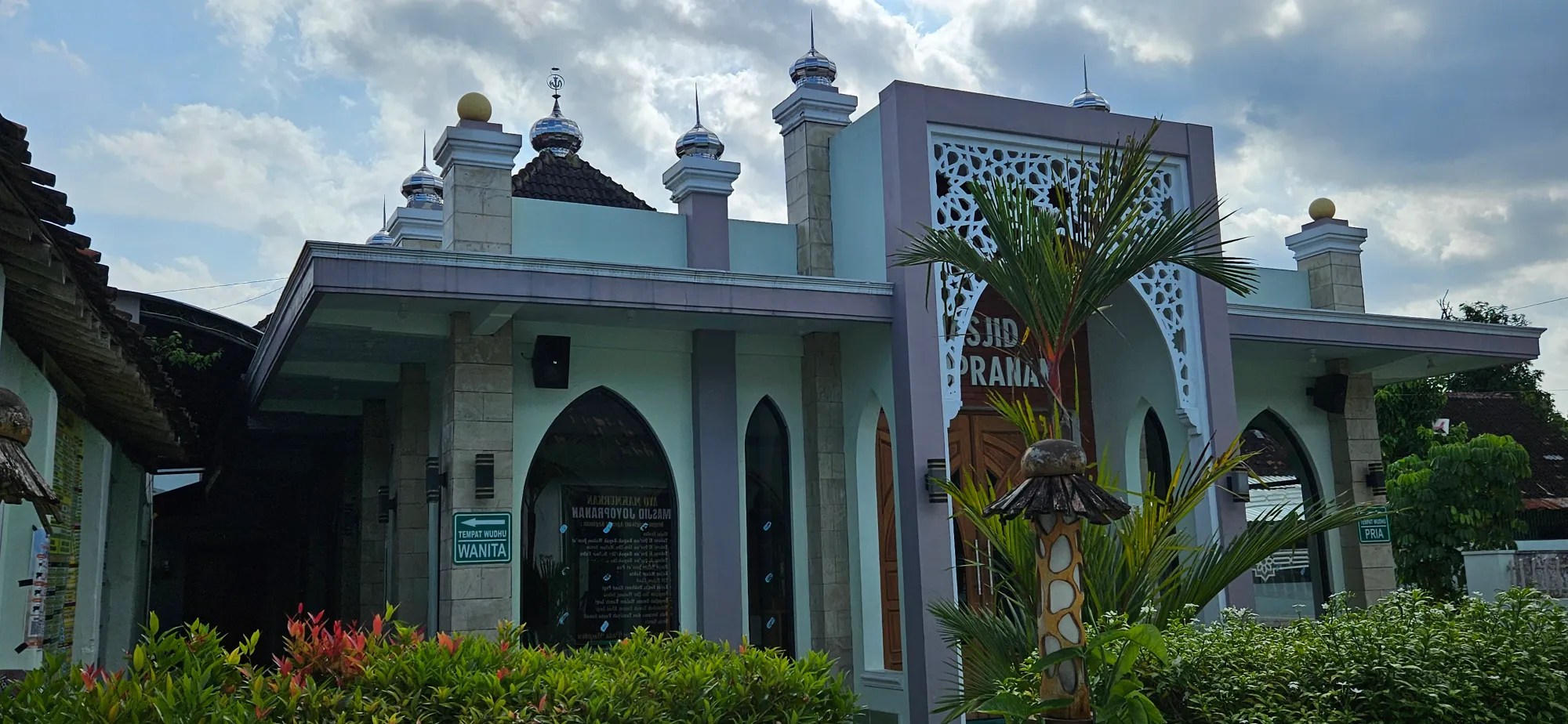
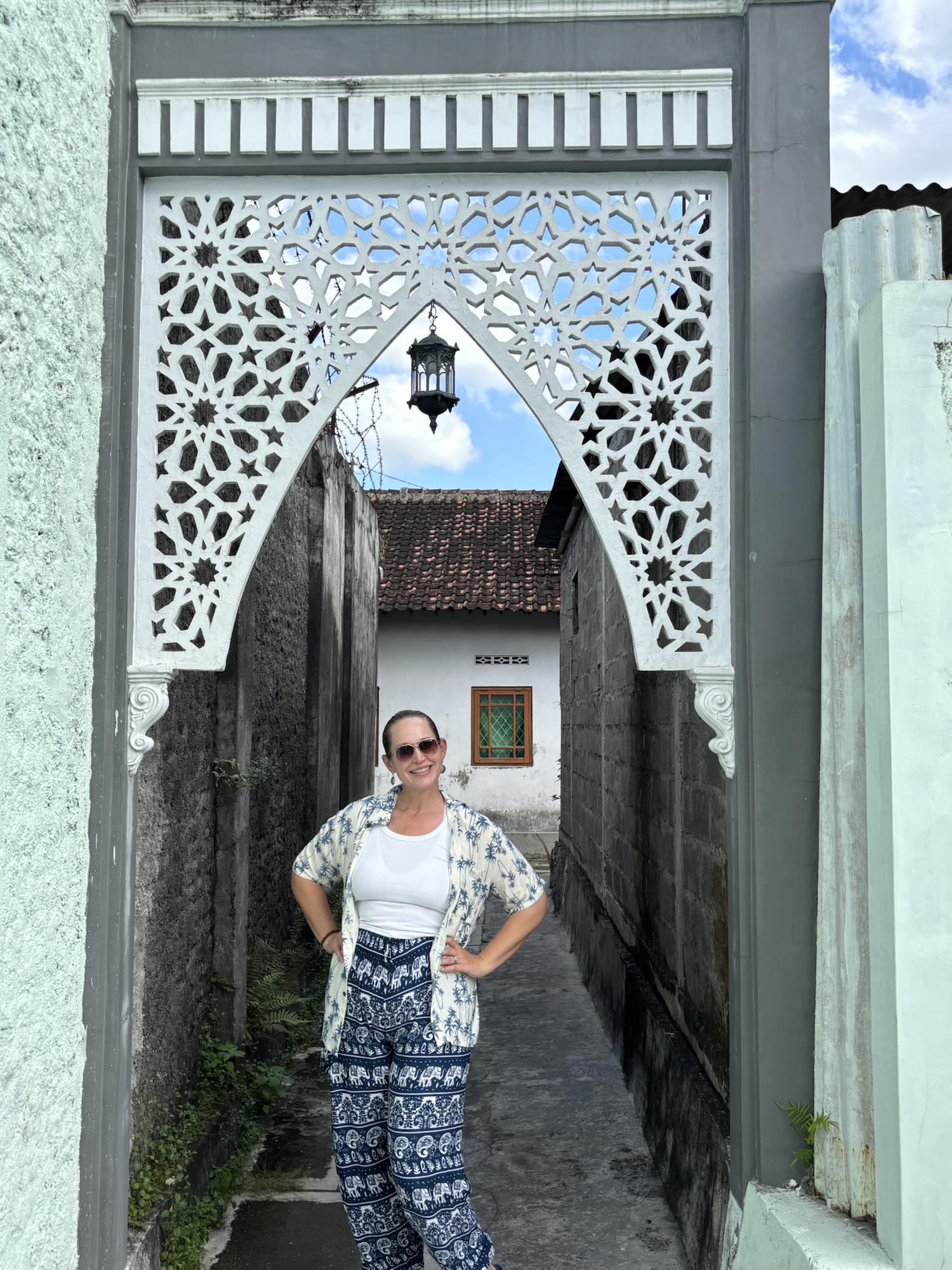
One of our favorite things to do when traveling is to get out and walk around local neighborhoods. Typically, we will start at an attraction in the area that we want to see like a museum, temple, or market, then afterward, just walk around and check out the surrounding neighborhood. We walked around the Batik village after checking out the gallery:
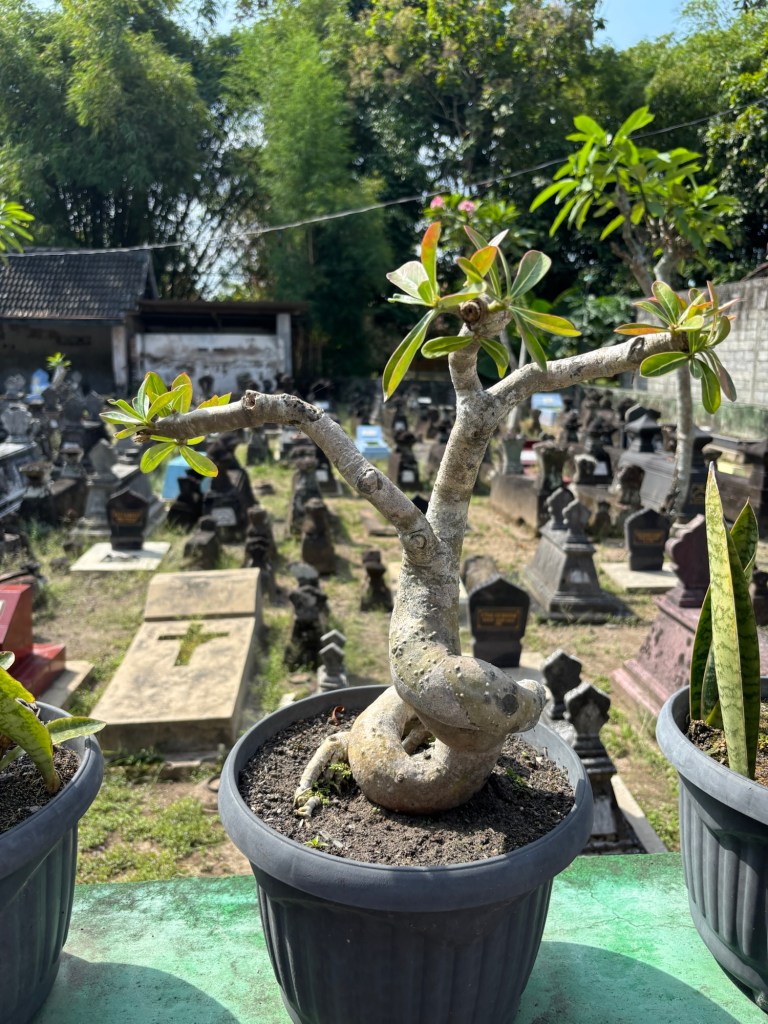
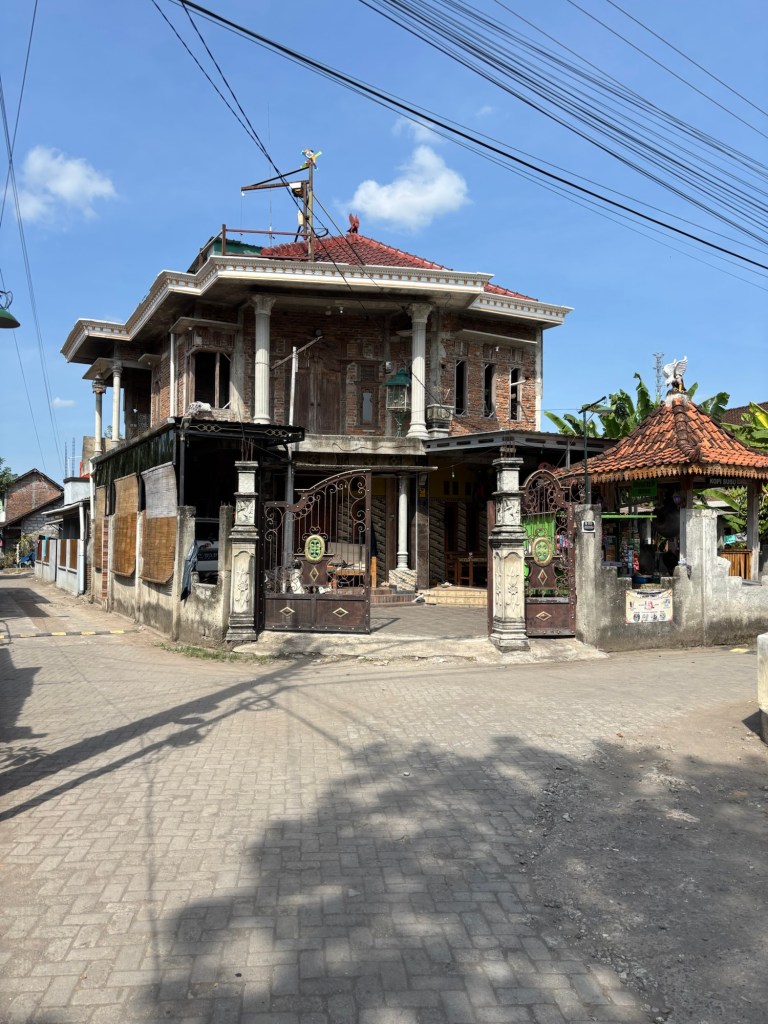
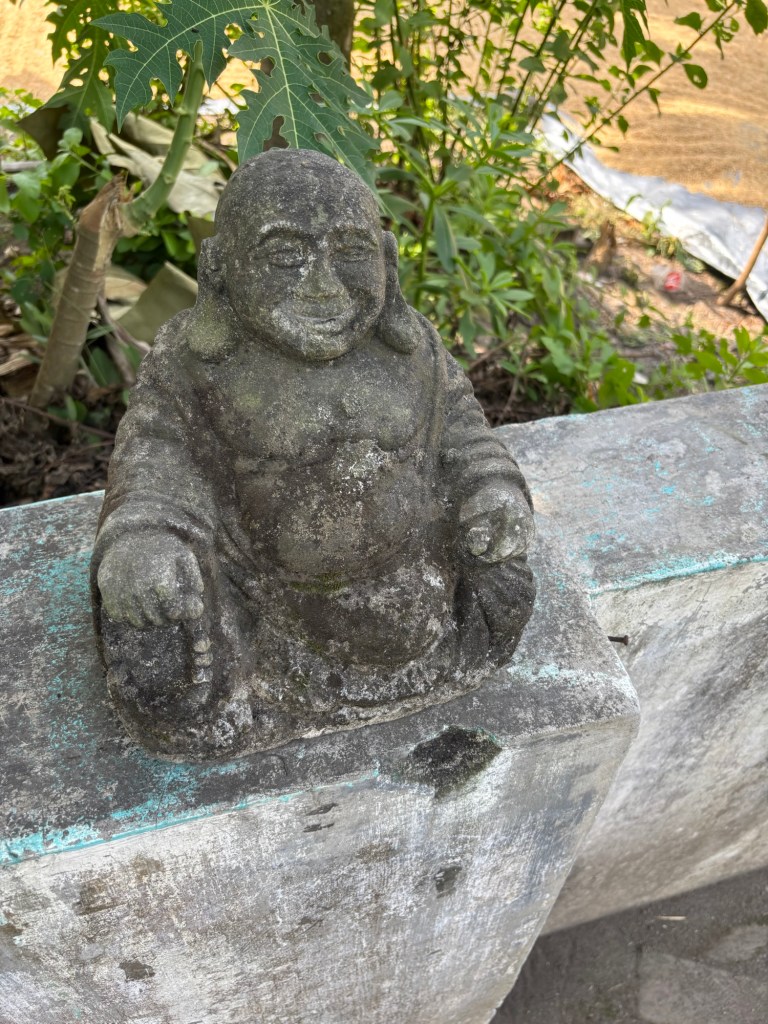
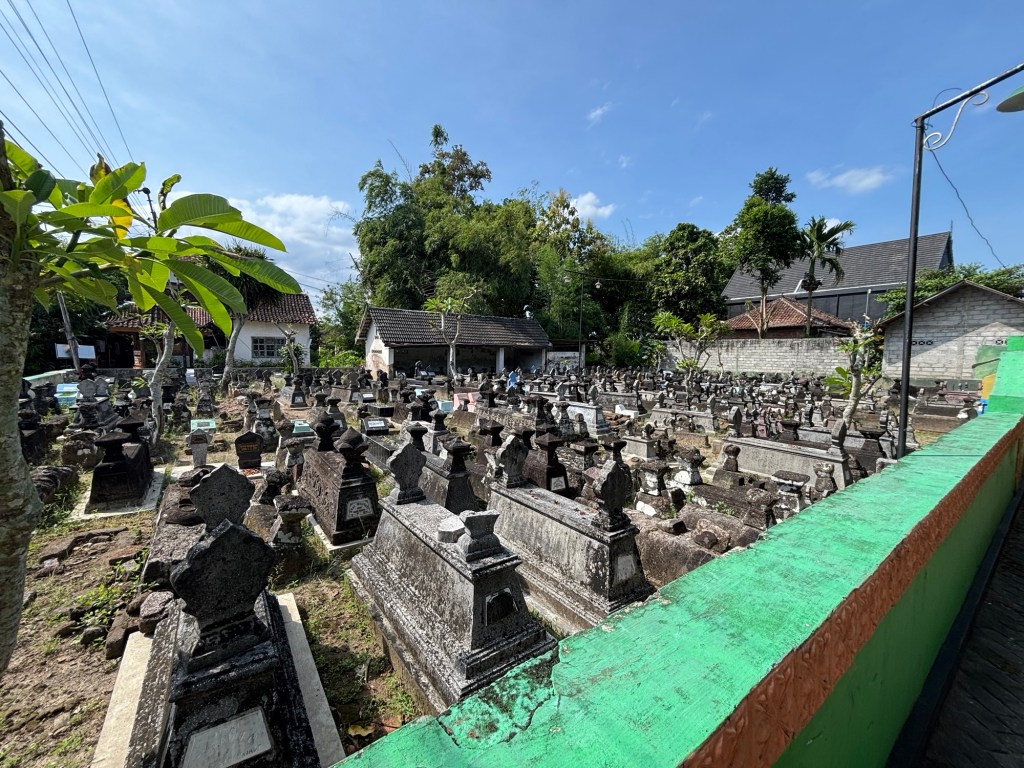
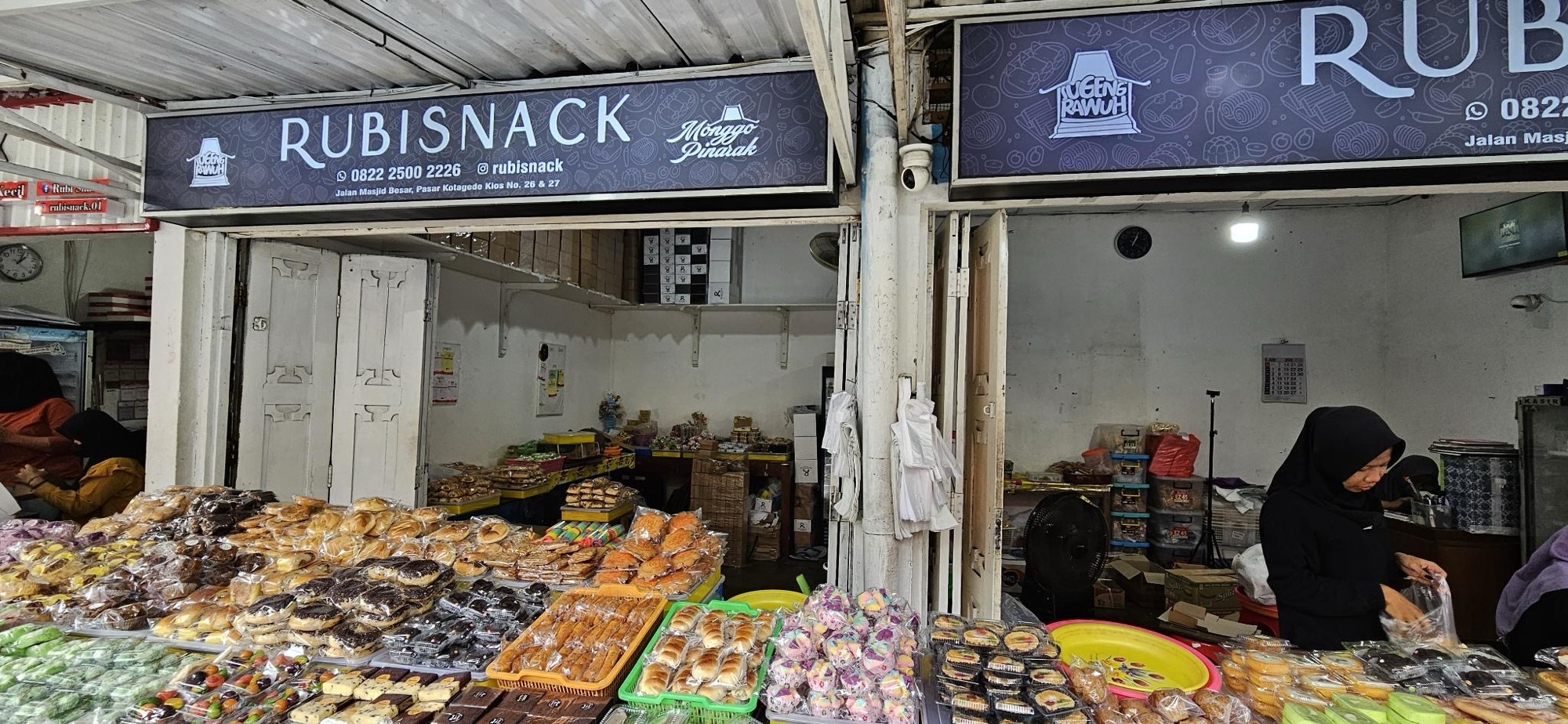
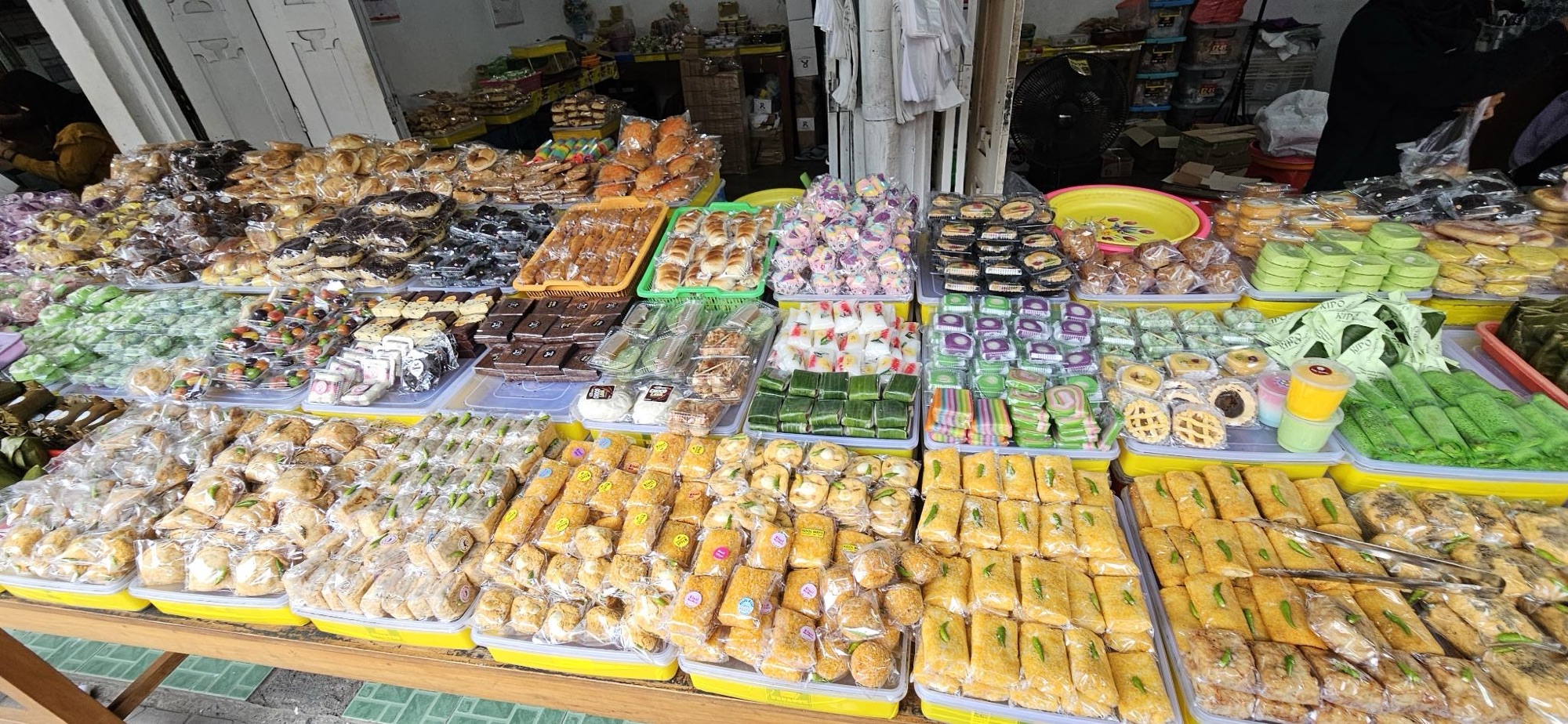
Another day, we visited the Kotagede Neighborhood market. We weren’t sure if we got there too early or too late, but there were only a couple of vendors selling things in the huge space. It was hot and rather stinky in the building, so we made our way outside and did find some ladies selling all kinds of snacks, both sweet and savory, in cute little packages.
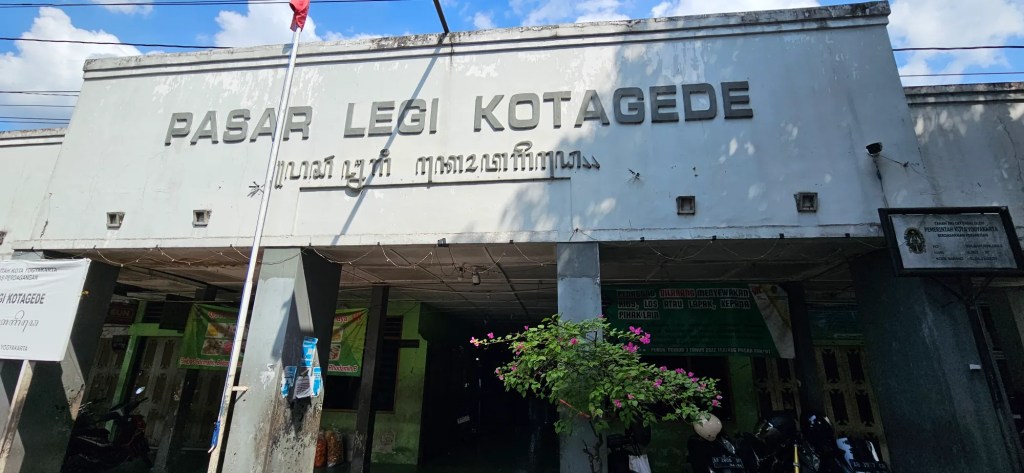
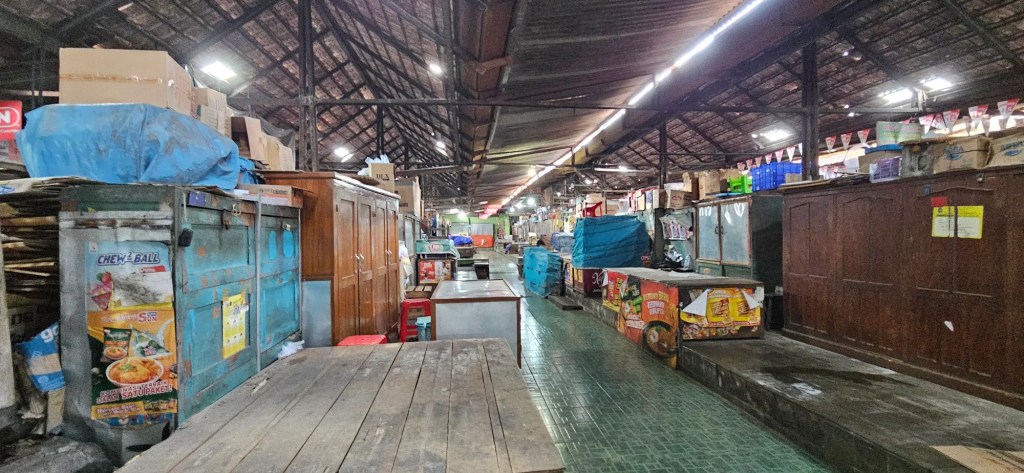
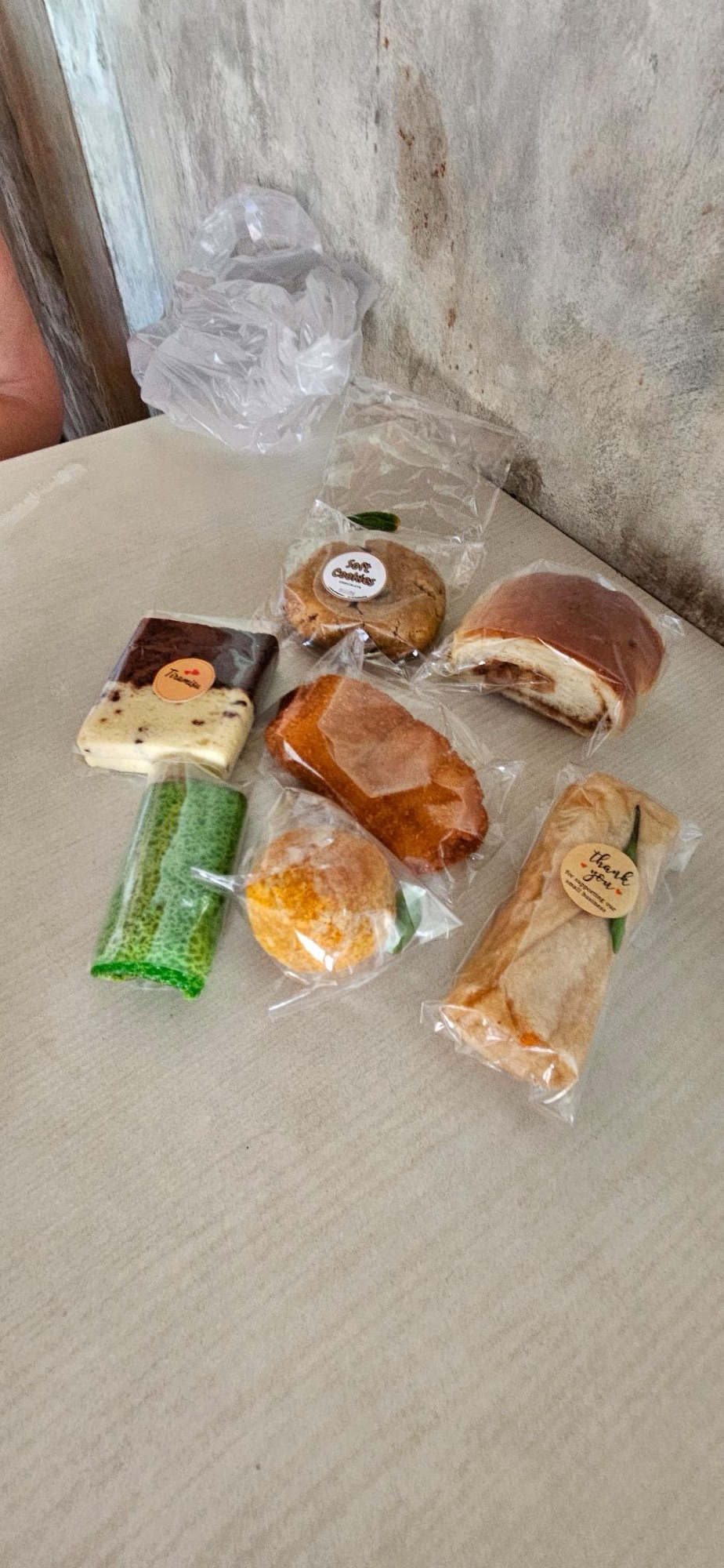
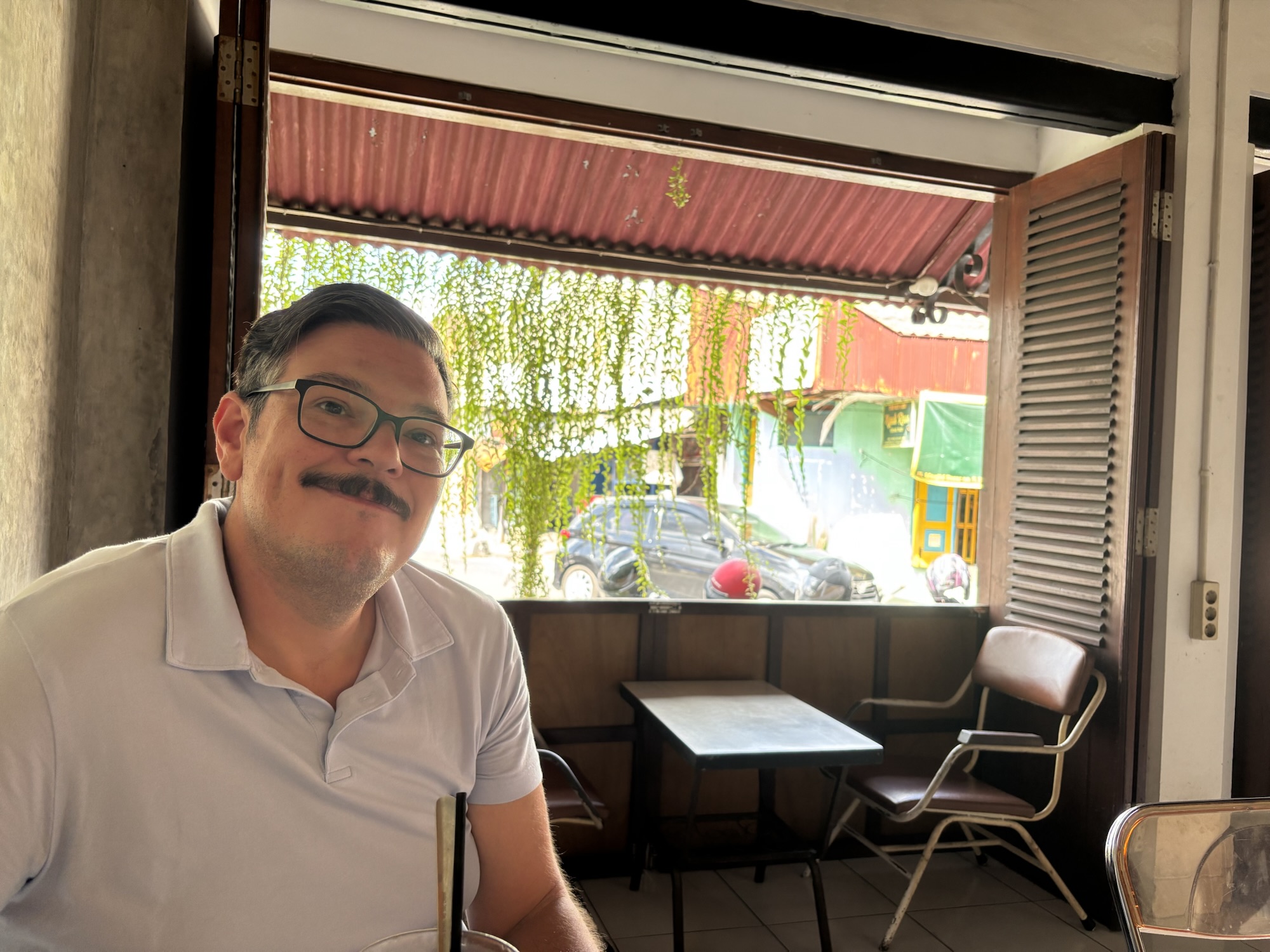
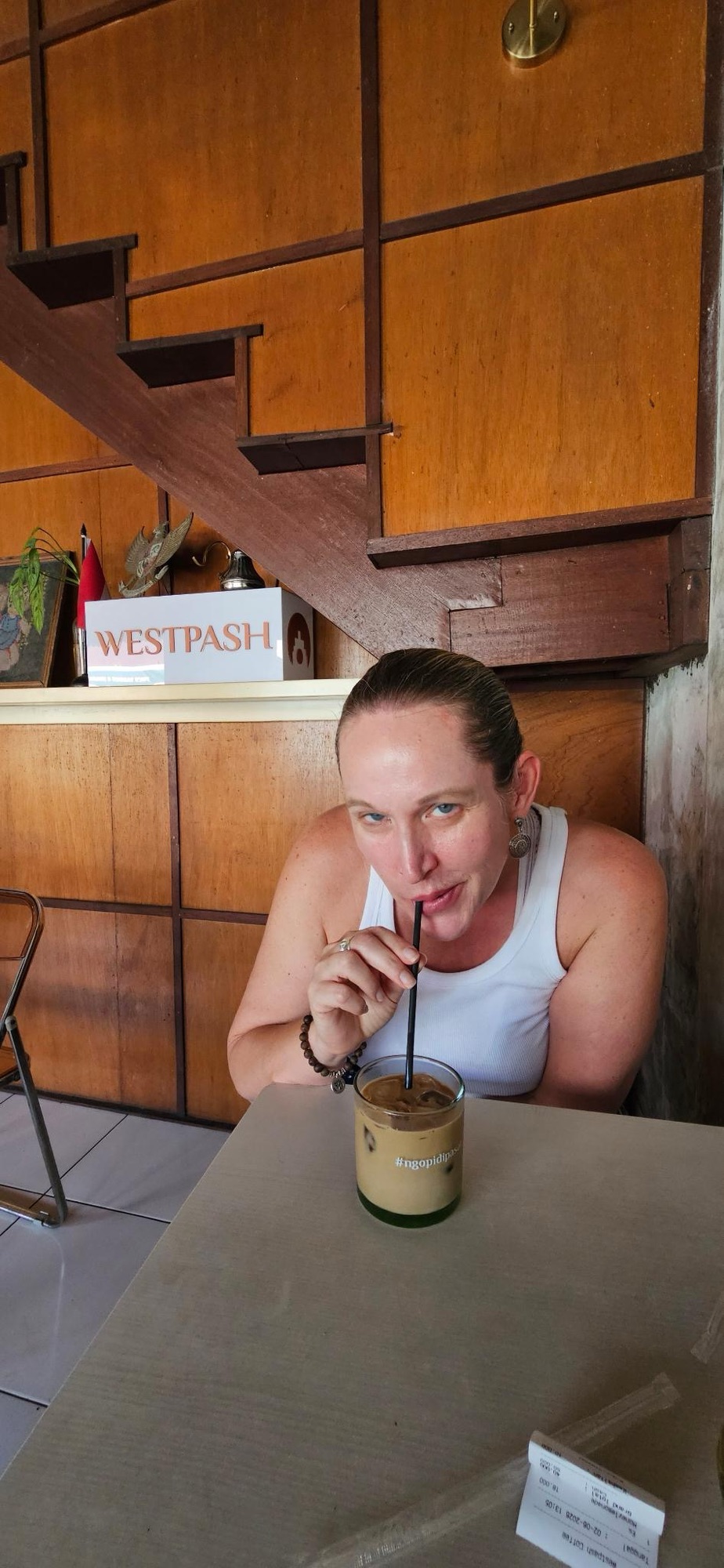
We excitedly made our choices, having no idea what we were buying, just going on looks and what our gut said (which was mostly; “that looks yummy, get that one”). After we purchased our selections, we looked for a place nearby to sit down and partake in them. Luckily, just a couple of minutes walk down the road, we found a coffee shop where we ordered some tasty beverages and chowed down on our treats.
Most of them were sweet, cake or cookie-like with one of the pandan coconut pancakes that I developed quite a taste for. We also had a couple of savory snacks with meat fillings. The only treat we didn’t love was a fried banana with a thick breading and that was only because it had sat too long after frying and was not at optimal crispness and was quite greasy.
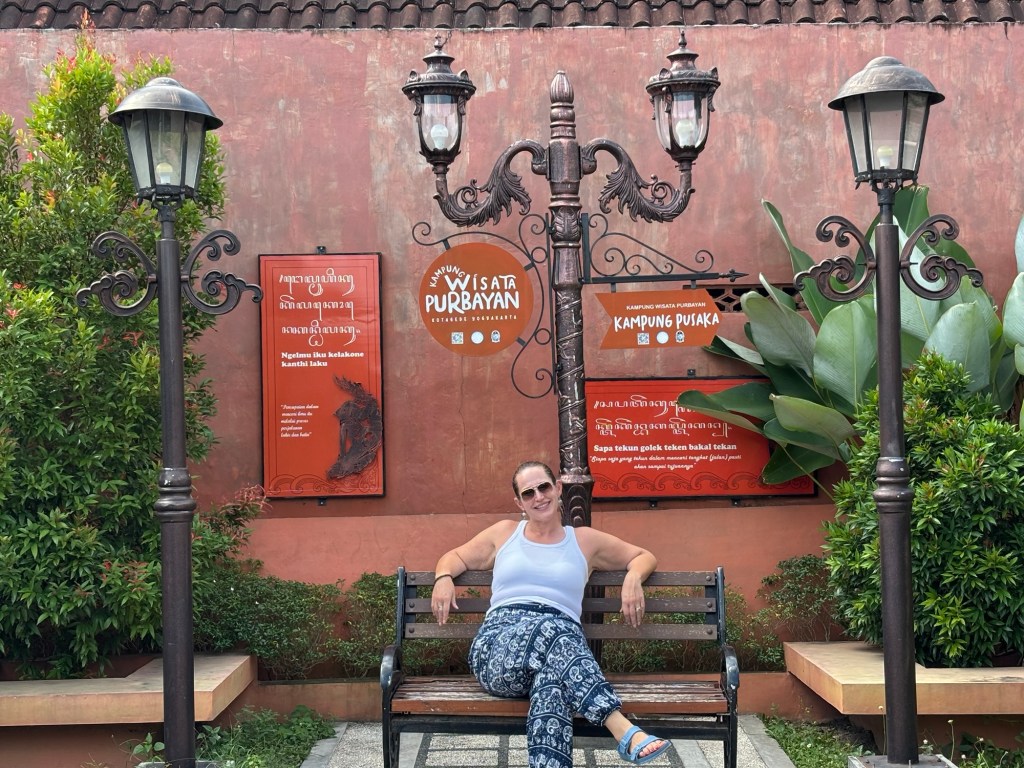
After fueling up with snacks and caffeine, we walked through the Kotagede neighborhood, winding our way down streets and alleys. One of the best ways to really explore a town or city is to spend some time away from the city center and in neighborhoods. You will likely see something really cool or unique that you never would have if you’d stayed in the more popular or populous areas the entire time. You may also meet a person or persons and/or find a hidden gem of a restaurant, coffee shop, or bar. On this walk about, we had many excited children waving and saying “hello” to us in English.
3. Prambanan!
Prambanan was my favorite temple that we visited in Jogja and all of Indonesia for that matter. It is pronounced (Prahm-bah-nahm), but I put a real Midwestern “A” on it; Pram (like the name Pam) -banan. And in fact, the first time (and every time thereafter) I said it, it was preceded with “Ohhh, Black Betty”, like the song. If you know, you know.
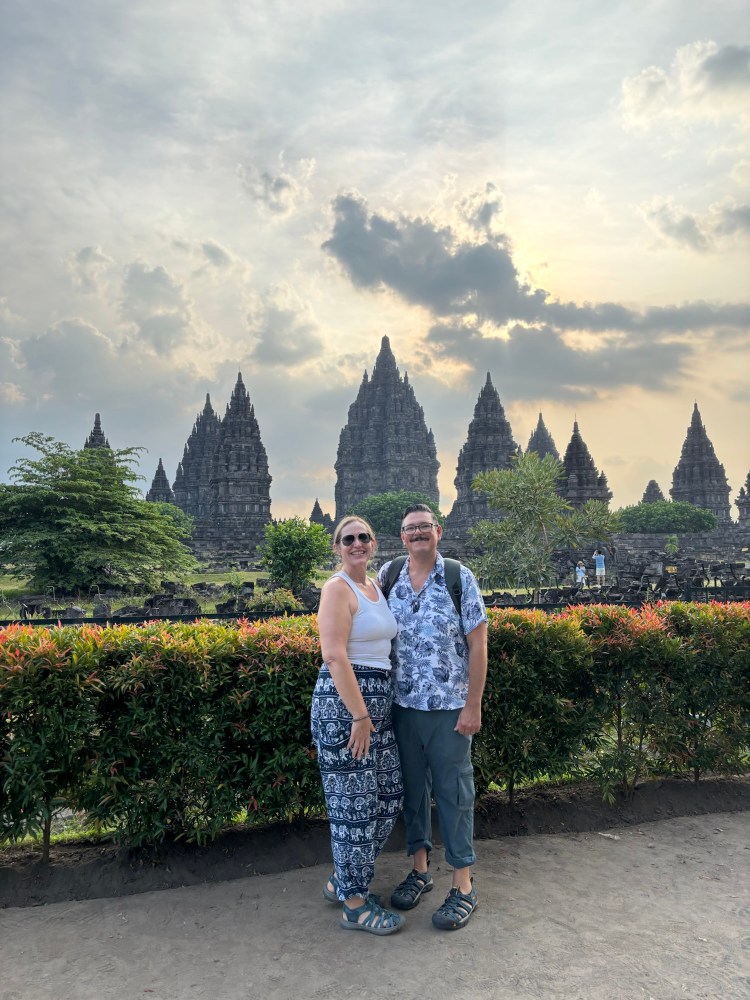
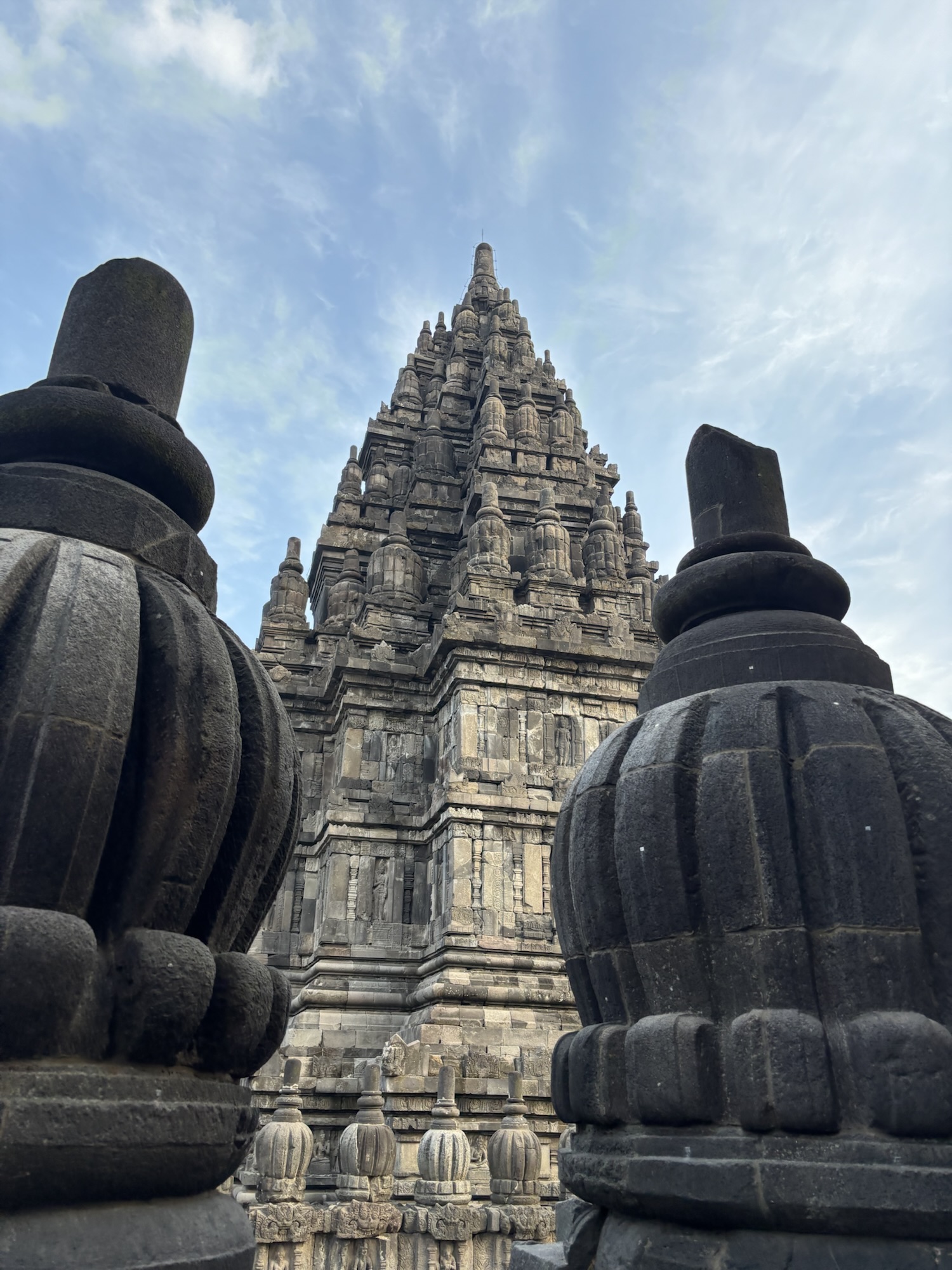
Prambanan was so cool! I mean it was super hot, but very cool. A Hindu temple originally built in the year 850 C.E., it is the largest Hindu temple in Indonesia and the second largest in Southeast Asia after Angkor Wat in Cambodia.
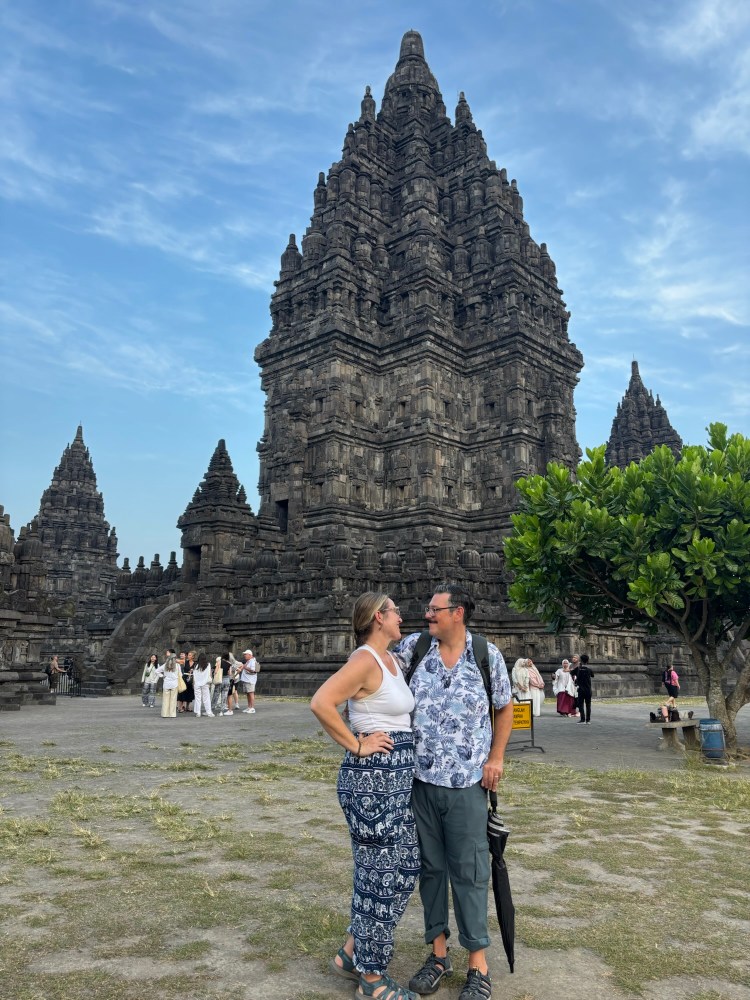
Prambanan was abandoned in the mid-10th century when political power in Java shifted to the east. It wasn’t until the ruins were rediscovered in the 1700s, and reconstruction began in the 20th century that the main six temples were restored to look like they do today. Originally, there were 224 temples, but abandonment, subsequent earthquakes, and volcanic eruptions from nearby Mt. Merapi destroyed most of them. In recent history, a 2006 earthquake and the 2014 eruption of Mt. Merapi led to the need for additional repairs.
We arrived in the late afternoon, hoping it would be a bit cooler, and we had also heard it was a nice sunset spot. After entering the gates, we saw an area where one could hire an official temple guide. It seemed well worth it to learn a bit more about the history of Prambanan. Our guide, Wagiyo, had been a guide for a very long time and lead us around the temple complex.
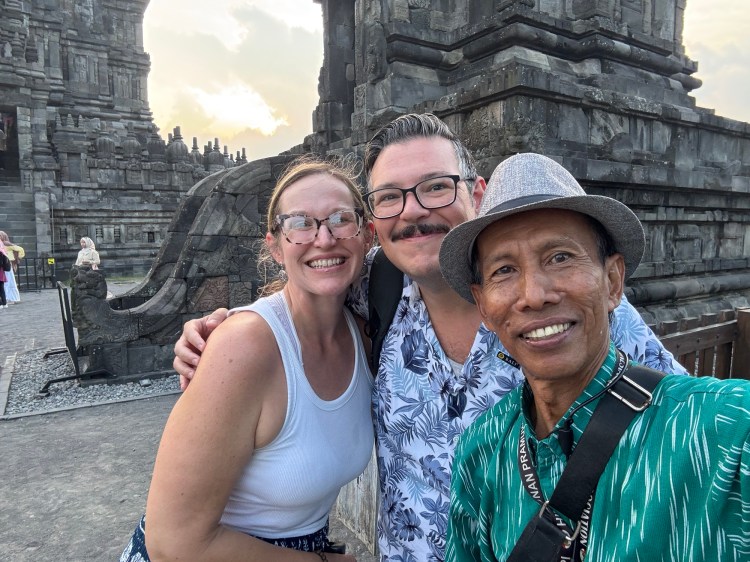
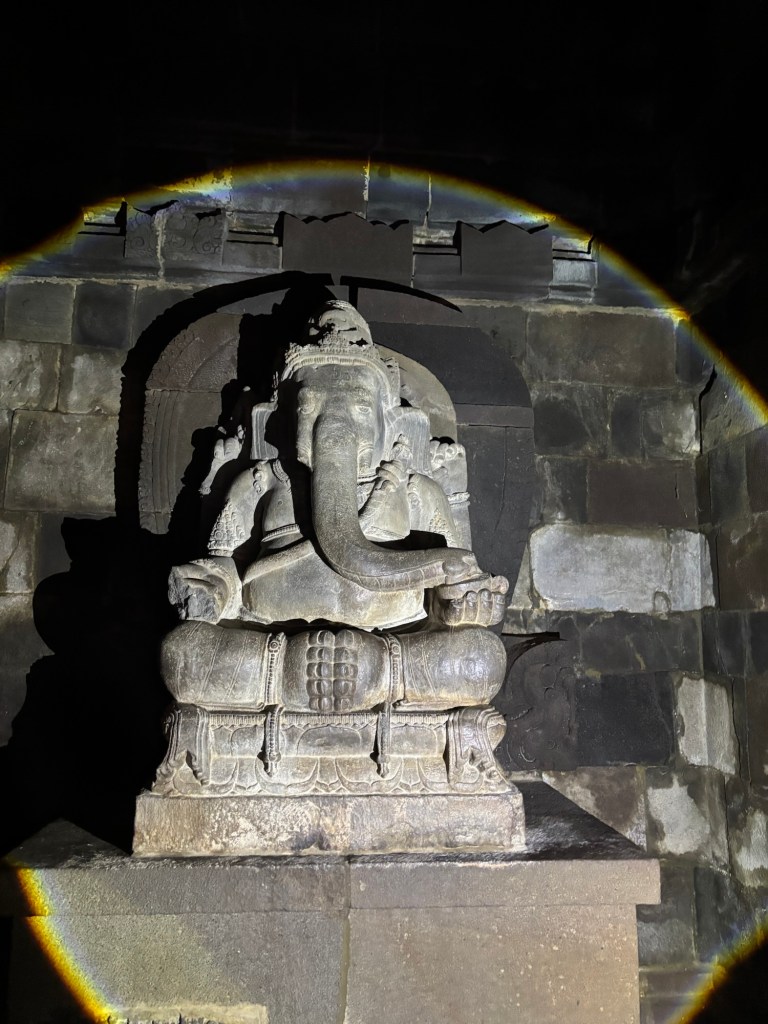
There are three main temples, the largest dedicated to the Hindu god Shiva with temples to Brahma and Vishnu on either side. Together the three gods make up the Trimurti (Hinduism’s holy Trinity): Shiva the destroyer, Brahma the creator, and Ganesha the preserver, who also happens to be the son of Shiva (and goddess Parvati).
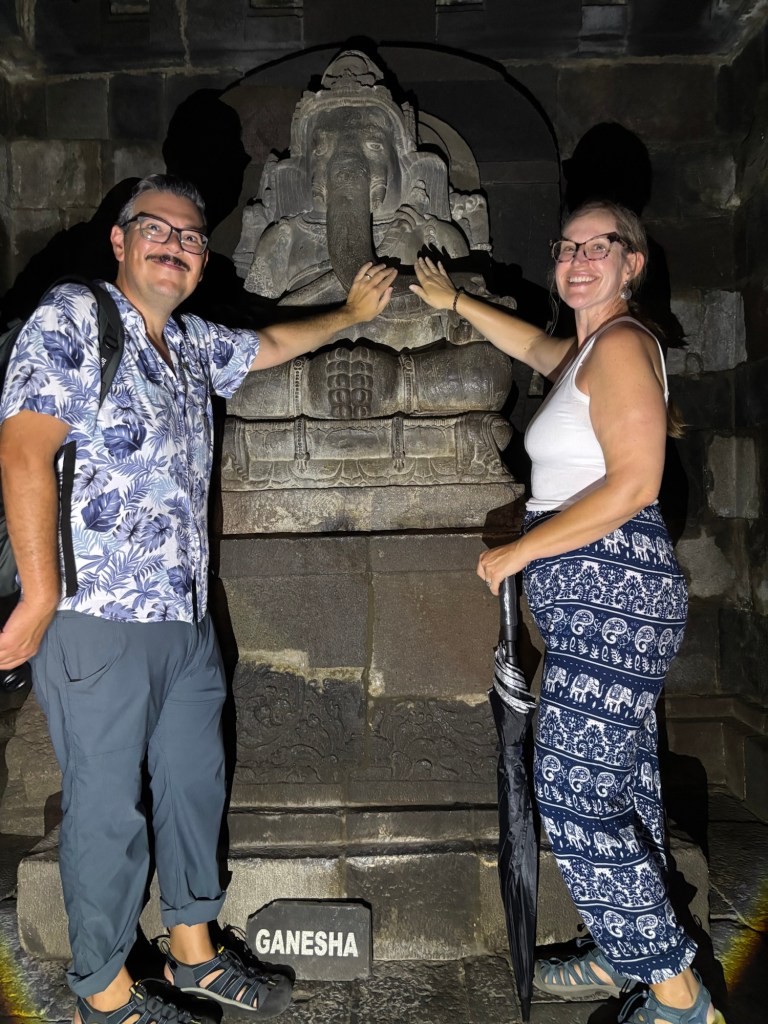
Ganesh (aka Ganesha or Ganapati) is my favorite Hindu God because he’s an elephant and I like elephants* but he is also the remover of obstacles and patron of the arts and intellect. Wagiyo said that many people rub Ganesha’s trunk for knowledge. I figured, who couldn’t use a little more of that, so Phil and I gave a rub, you know, to cover our bases.
*A quick explanation of my love of elephants: While I was in yoga teacher training, my instructor was explaining the three doshas which are essentially human constitution types in traditional Ayurvedic medicine.The three doshas are Vata, Pita, and Kapha. As he was explaining, he said, “Vata’s are like gazelles; light and graceful, Pita’s are like frogs; strong, intense, and bounding, and Kapha’s are like elephants; big, slow, and steady. Well, guess which dosha I am? That’s right, I’m a big, slow, steady gal. I embraced my inner elephant right then, after initially being mildly offended. I have been a big fan ever since.
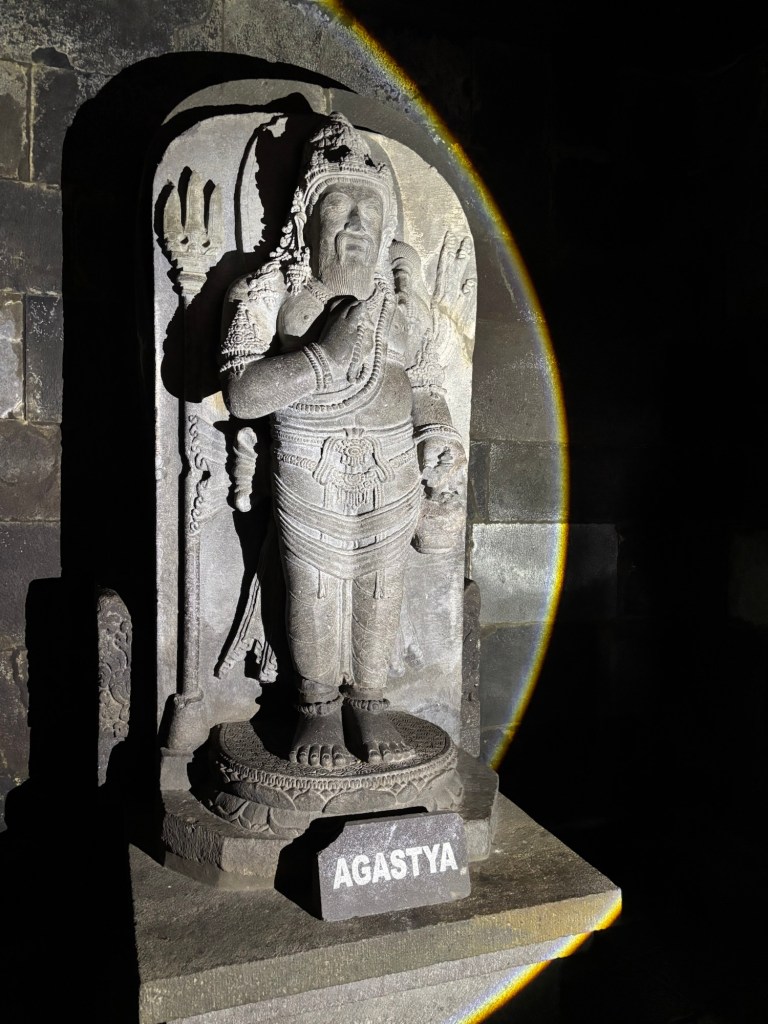
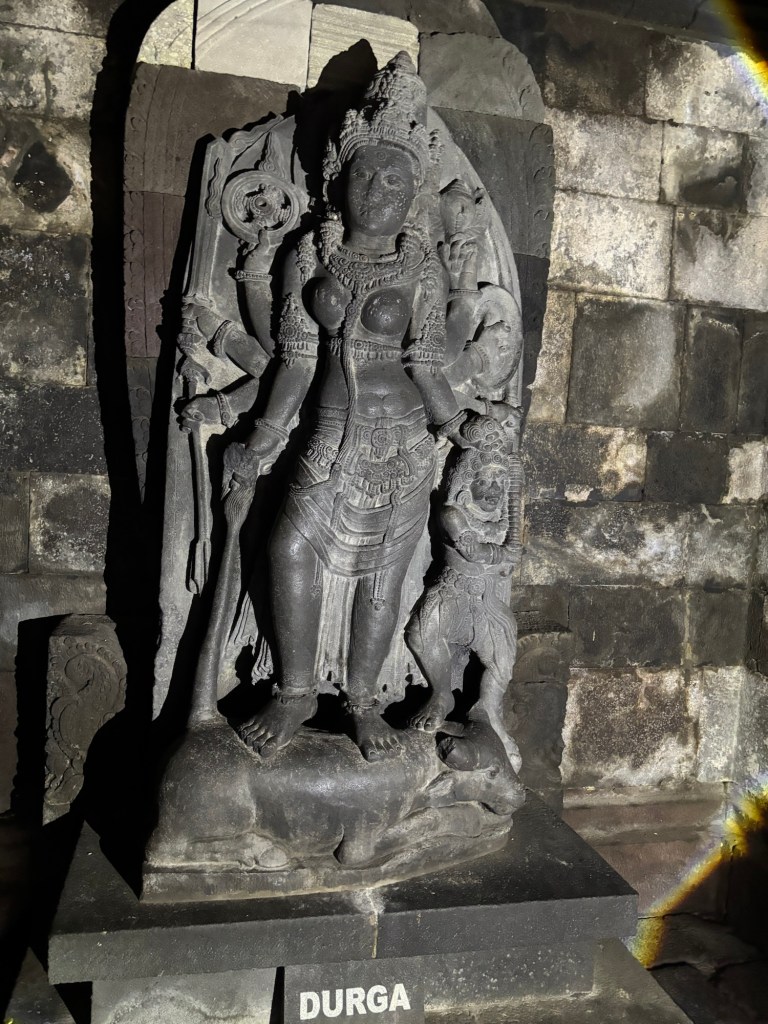
The inside of the temples were hot and dark. Luckily, Wagiyo, carried a real flashlight with him (not just a cell phone) and illuminated them all for us. He also explained the story carved on a multi-walled relief in the temple, the story of Ramayana.
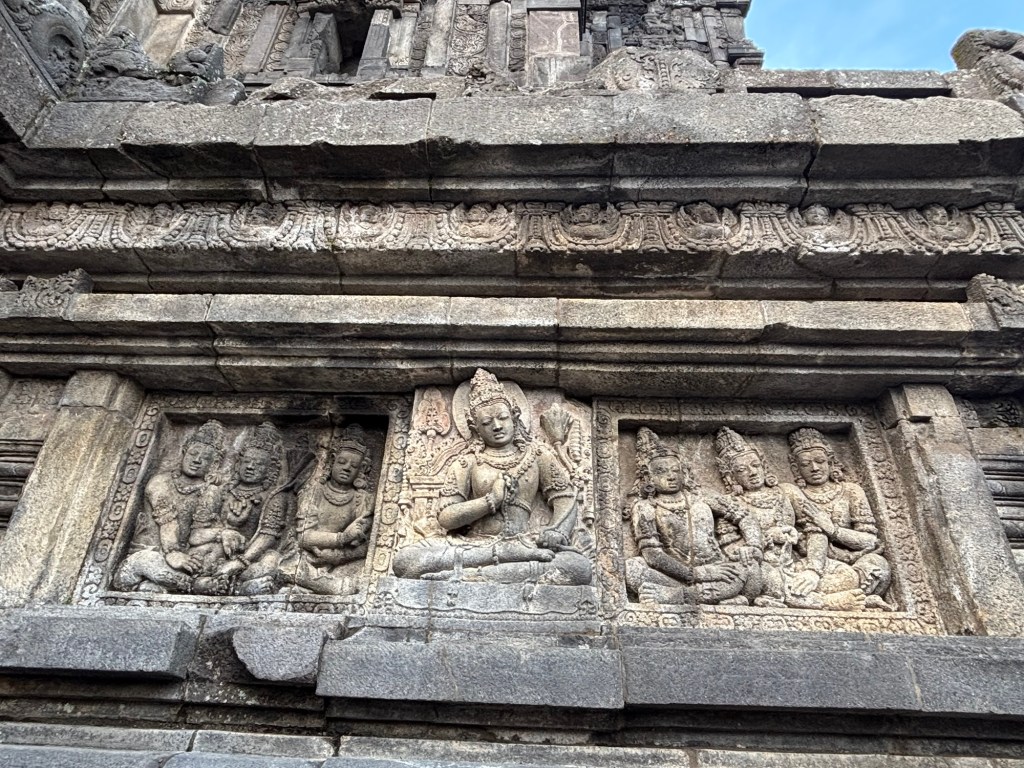
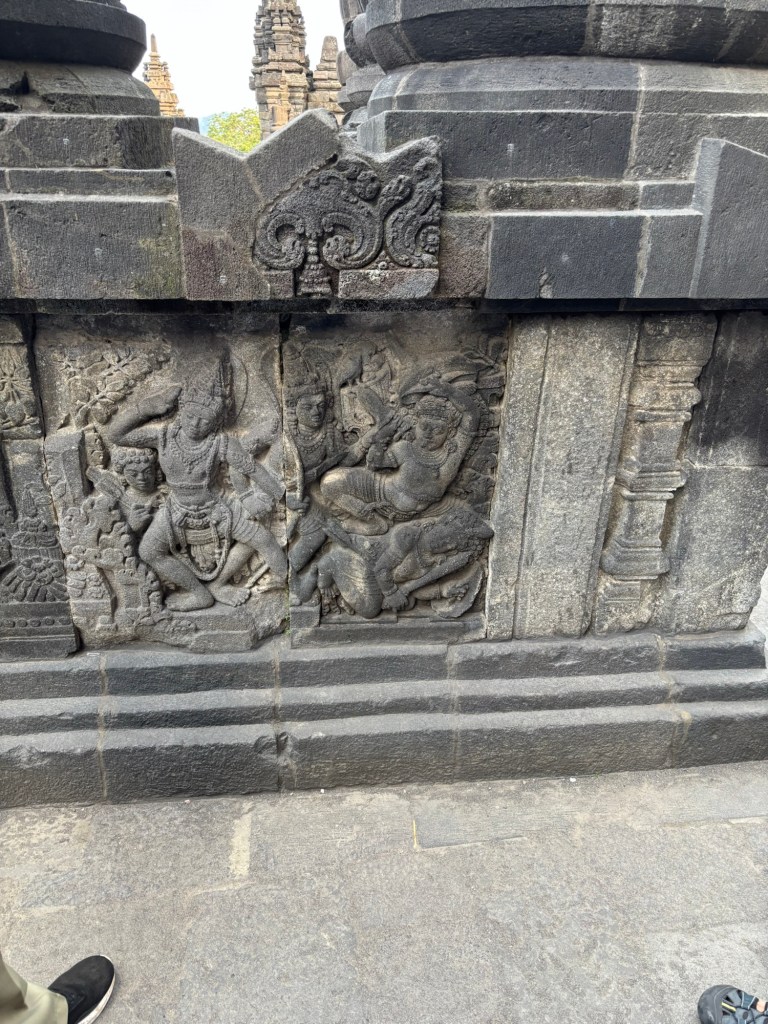
The Ramayana by the sage Valmiki is one of the great epics of the Sanskrit language, and is dated to approximately 200 B.C.E. There are many other versions of the epic in the many regional languages found in South Asia. It is the story of King Rama who must save his kidnapped wife, Sita. The story is retold in movies, plays, and ballets throughout the region, with several different versions of the story.
As Wagiyo explained it: Rama is an incarnation of Shiva, and he has a wife, Sita, who is kidnapped by the demon Ravanna. Rama has to go on a mission to save Sita, with help from Sita’s father, King Jankana along with the monkey god, Hanuman, and his brother. Rama eventually succeeds in rescuing Sita with Hanuman’s help and buries Ravanna under a mountain. After the rescue, Rama doubts Sita’s virtue (what a guy) as Ravanna was a powerful demon and she was with him for a long while. To prove herself, she agrees to a test by fire. If she is still pure, the fire will not harm her. She does not burn, and Rama and Sita are happy together once more.
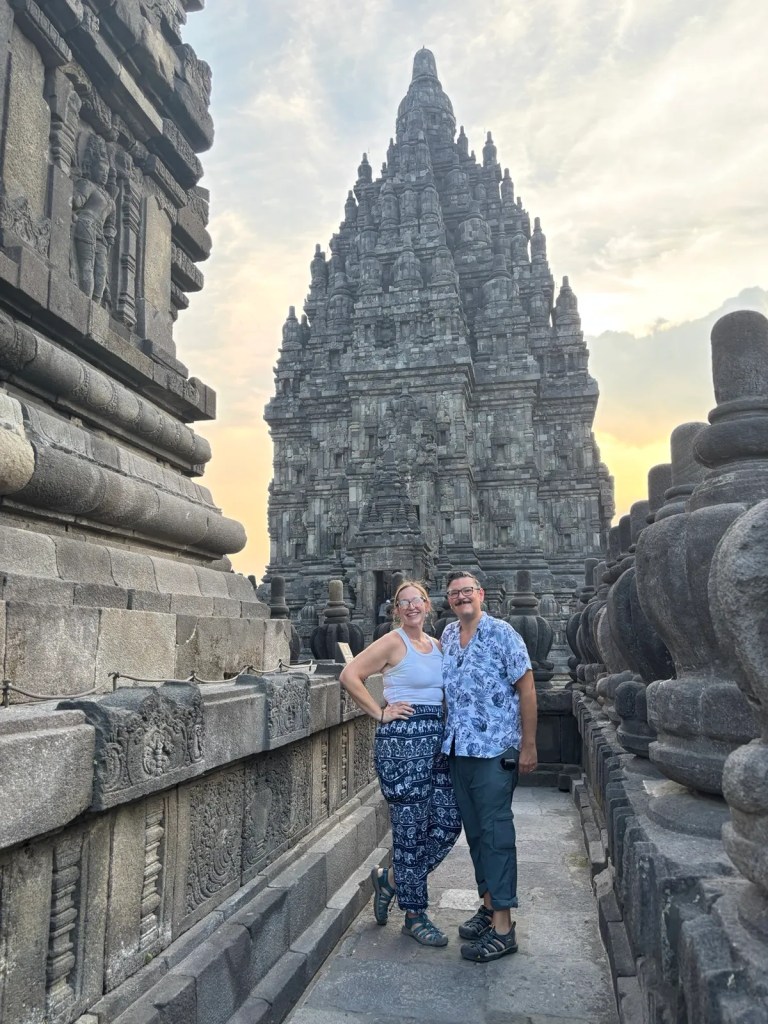
While Prambanan is the largest and most impressive temple on site, there are three other temples within a short walk. The late afternoon was cloudy and we decided a beautiful sunset over Prambanan was not in the cards for us, so why not check out the other temples before the site closed.We parted ways with Wagiyo and headed toward the other temples.
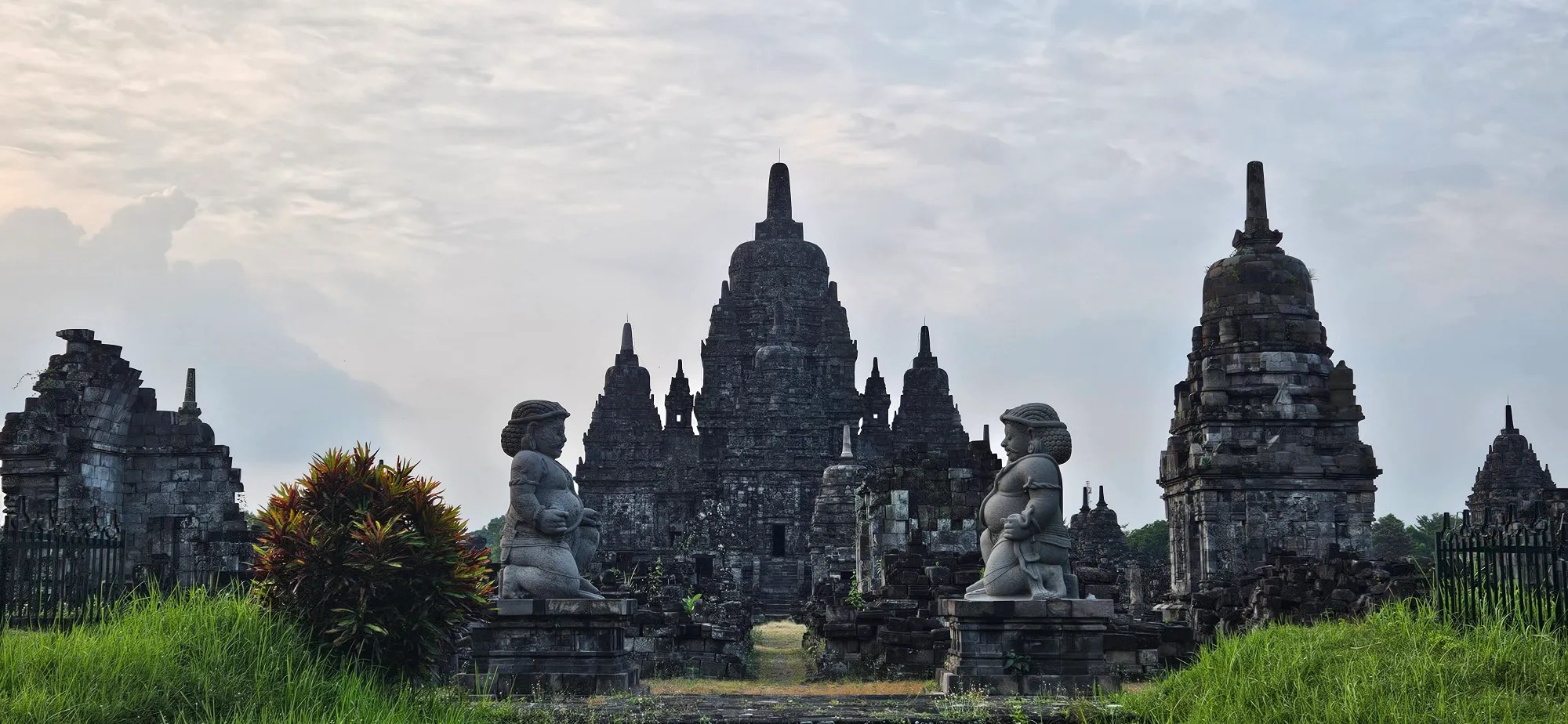
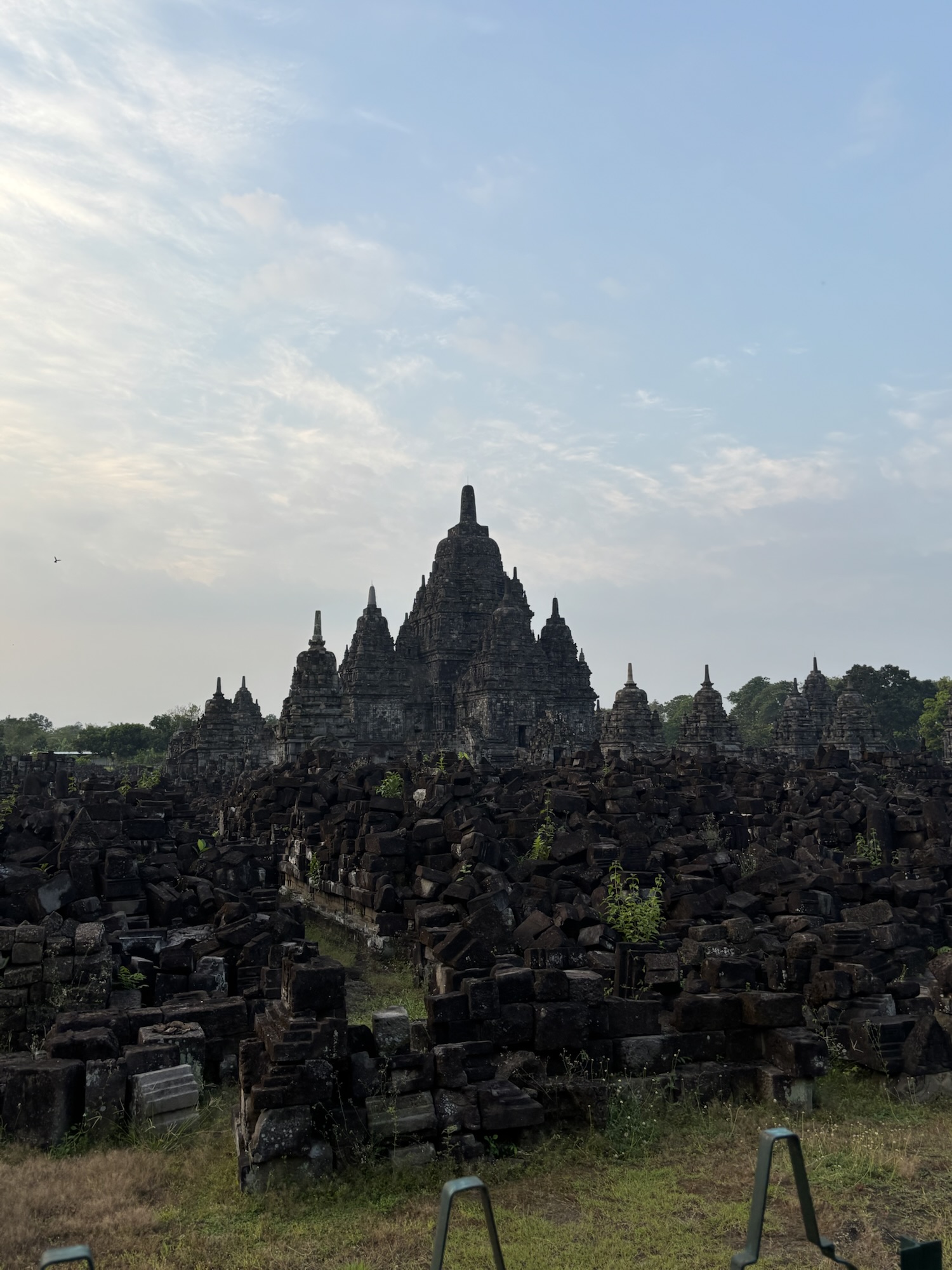
The first stop was the Sewu Temple. It was built in 792 AD is is older than Prambanan. There are 249 surrounding, smaller temples (many have been reduced to rubble and not rebuilt) and was built during the time of the Ancient Mataram Kingdom. We couldn’t enter the area surrounding the temple as it was behind a locked gate (to prevent folks from climbing on the rubble probably). It was really cool looking and the two statues at the entrance facing each other reminded me of the oracle statues in The Never Ending Story.
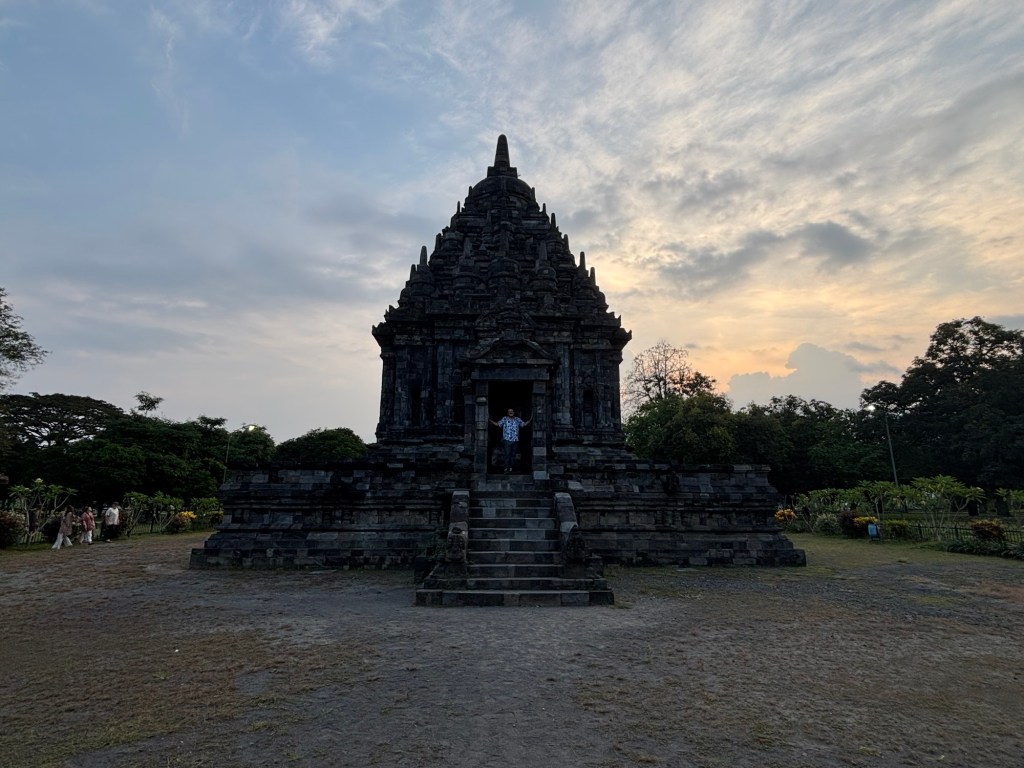
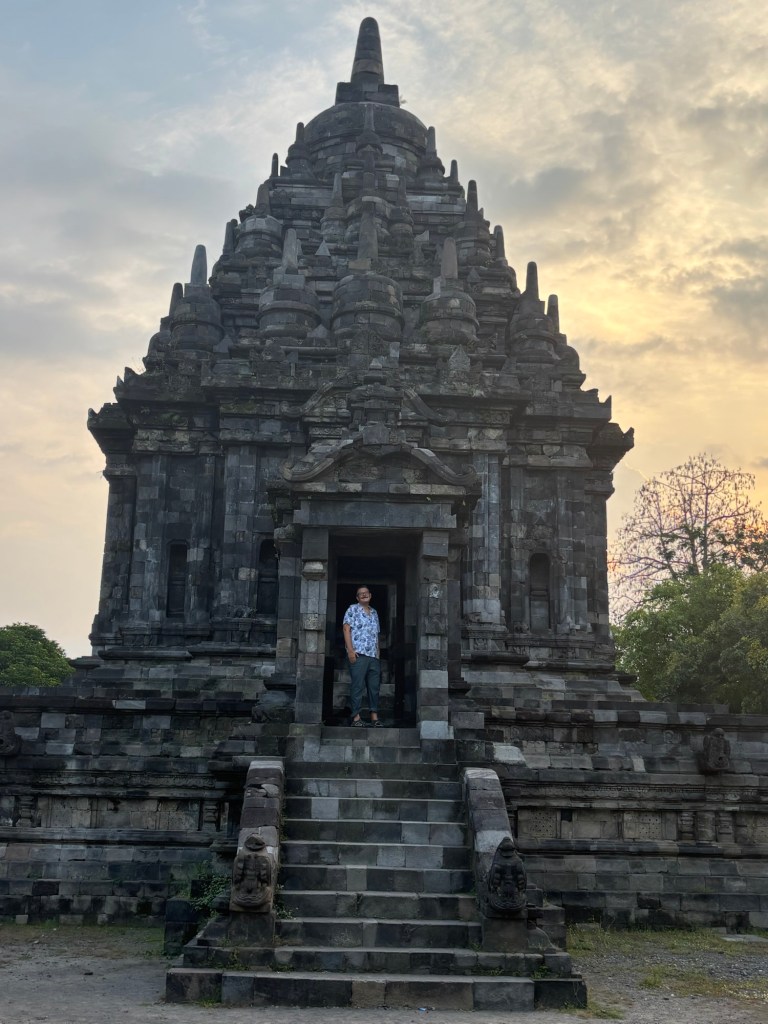
The next temple was the Bubrah Temple (which means “destroyed” or “damaged” in Javanese), and it describes the state of the temple when it was first discovered. It has since been restored and we were able to walk around the temple and grounds.
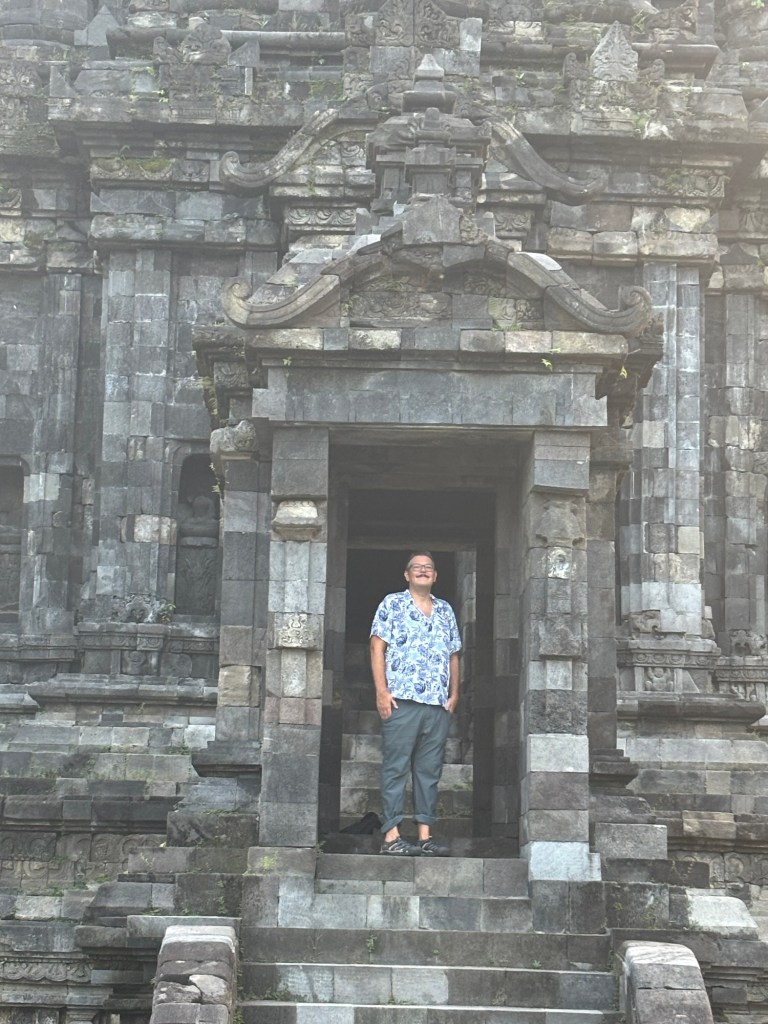
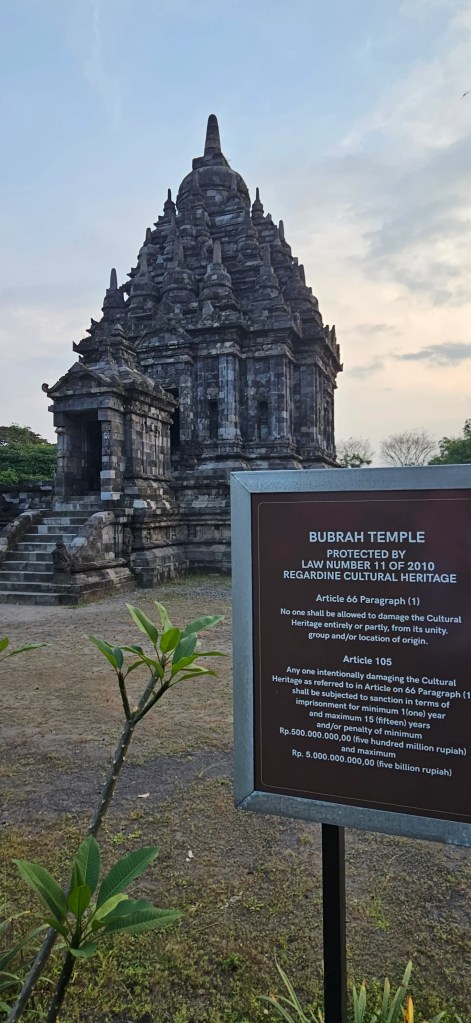
The last stop, Lumbung Temple, has a main shrine surrounded by 16 smaller ones.
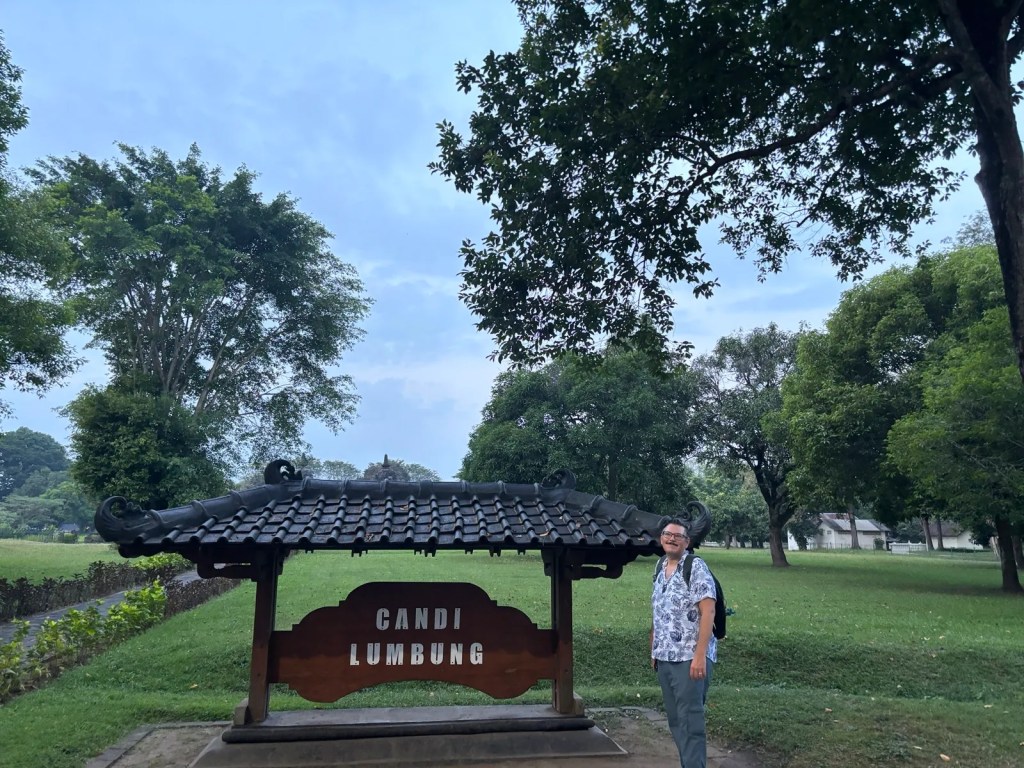
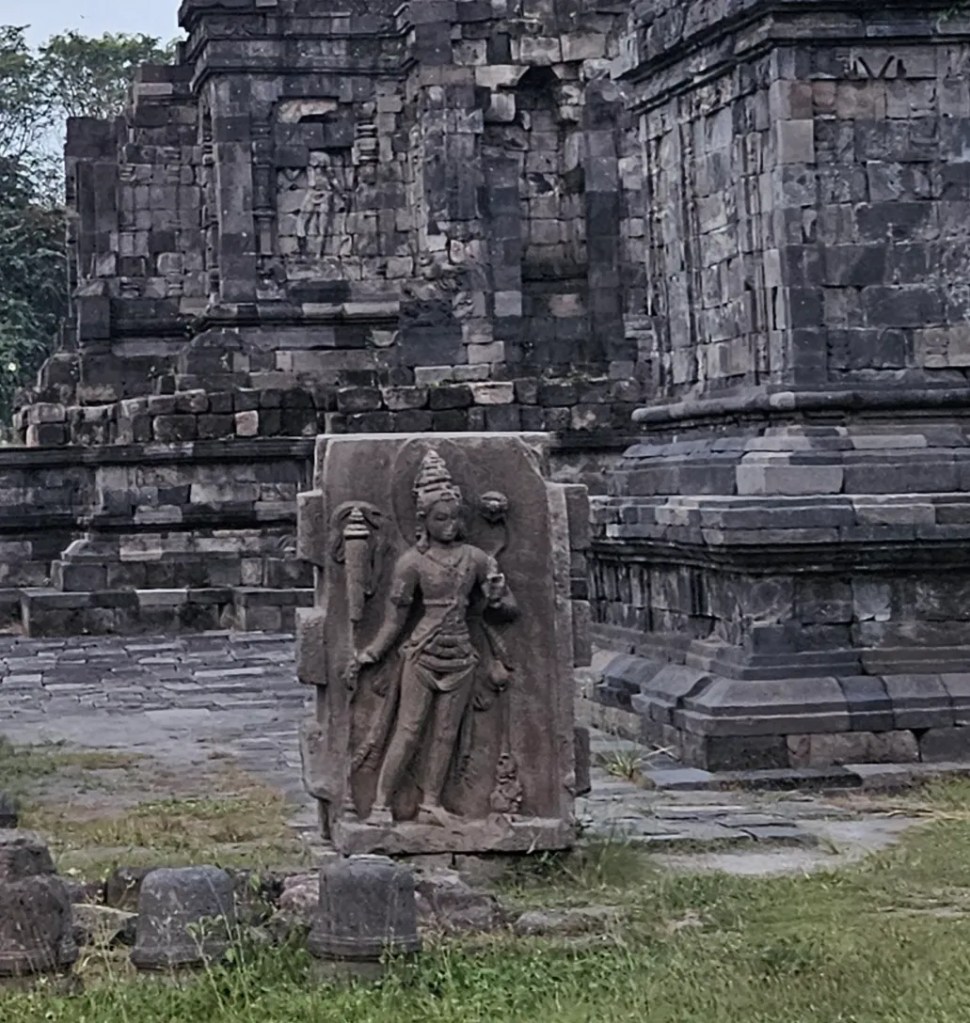
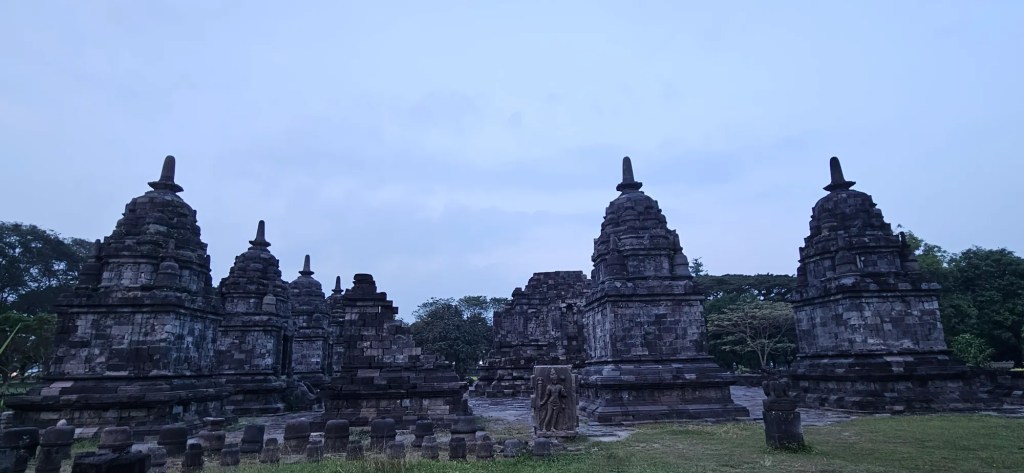
We were able to explore just a bit before guards arrived to lock the gate. It was closing time. We’d seen the guards pull up in their little golf cart at Bubrah Temple, so we’d hurried to Lumbung to see as much as we could before they arrived.
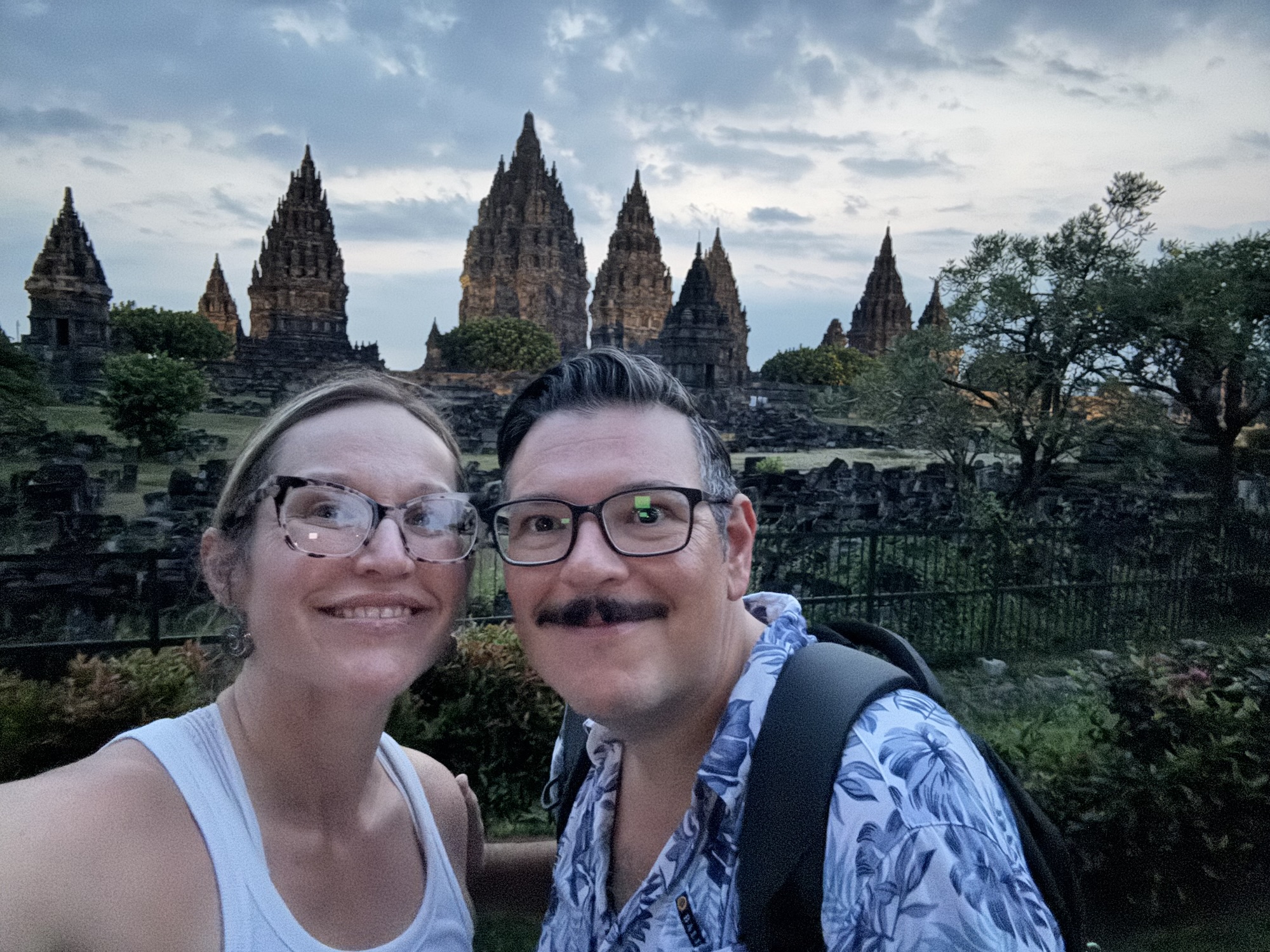
We walked back toward Prambanan and the exit. Although we didn’t catch sunset in all it’s glory, the dying light made for a cool background to the temples and we stayed and gazed upon them a bit longer before meeting up with our driver, Yudi.
4. Borobudur Temple
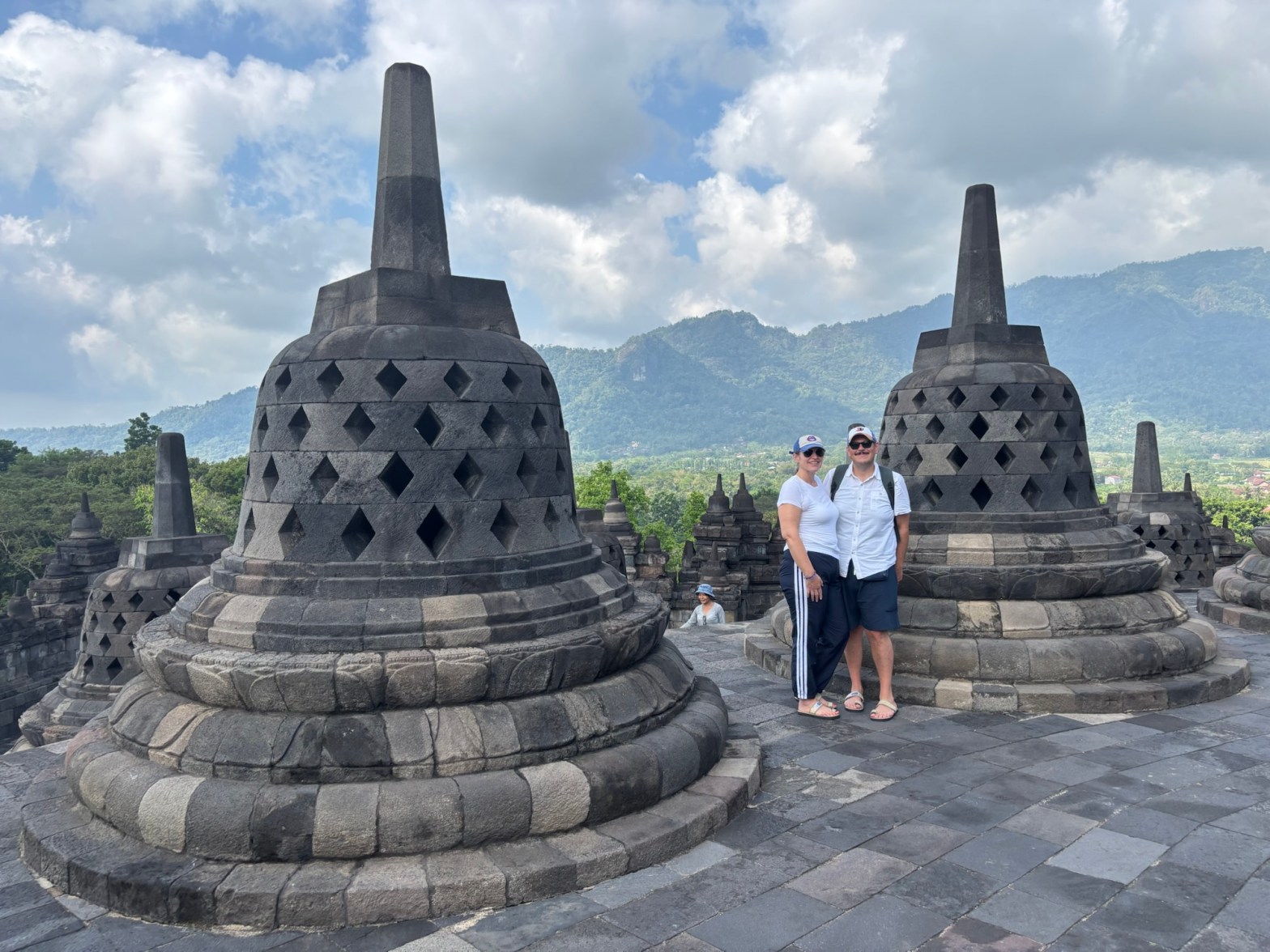
Before visiting Prambanan, we saw the more famous temple in Java called the Borobudur Temple. We later learned from our tour guide that Borobudur is not actually a temple, but a monument. The distinction is in the fact that the structures at Borobudur were not made for one to enter but to gaze upon only. In order to be a temple, one must be able to enter into the structure.
I mentioned that Prambanan was my favorite temple that we visited, and it was, but Borobudur is world famous for a reason. It is really something to behold.
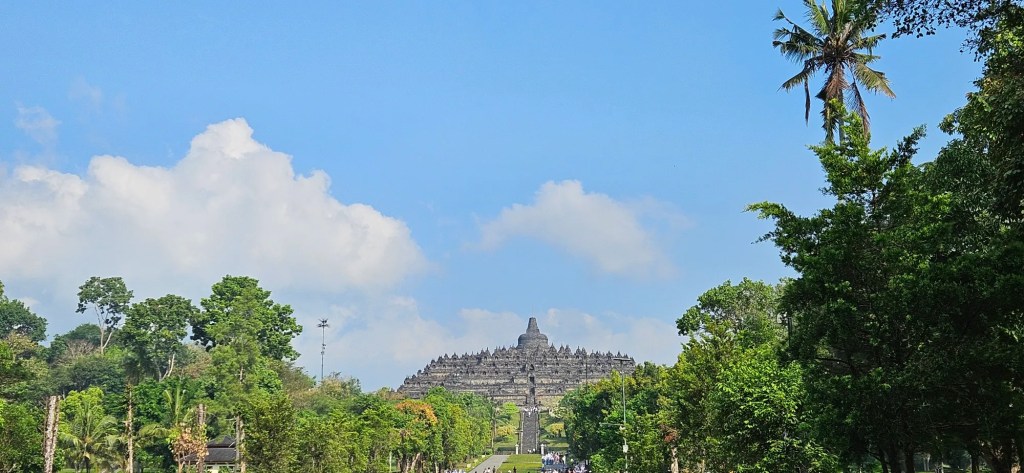
Originally built in the 9th century, it was buried under volcanic ash and dirt for hundreds of years, and was later “re-discovered” in the 1830’s by Sir Thomas Raffles, British general who was very active in exploring and “discovering” in Indochina at the time. Raffles sent Dutch engineer, H.C. Cornelius, to investigate and clear the site. Two hundred banyan trees had to be chopped down to access it for clearing renovations. Cutting down a banyan tree is considered to be very very bad luck to the Javanese and no local workers wanted to take on the chop. Cornelius employed Dutch workers for the clearing, which was an acceptable workaround, and Javanese locals assisted with the further renovations.
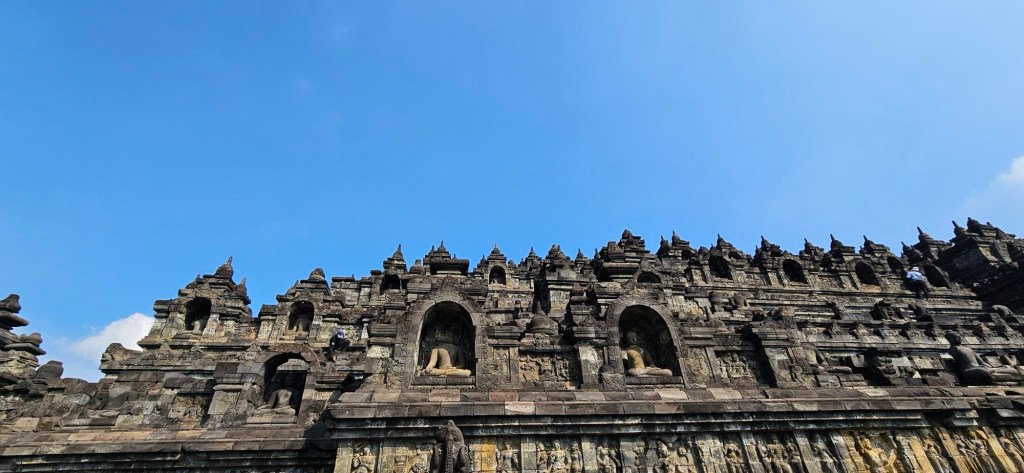
Up until the end of the 19th century, some pieces, mostly Buddha heads, were taken from the complex and sold to large museums around the world. Many of the statues of Buddha at Borobudur are missing their heads because of this. Indonesia is currently “In negotiations” with the museums to bring the Buddha heads home. A few of the museums who have the heads: The Smithsonian, The Met in New York, The British Museum, The National Gallery of Victoria in Melbourne, and the Wereldmuseum in Amsterdam.
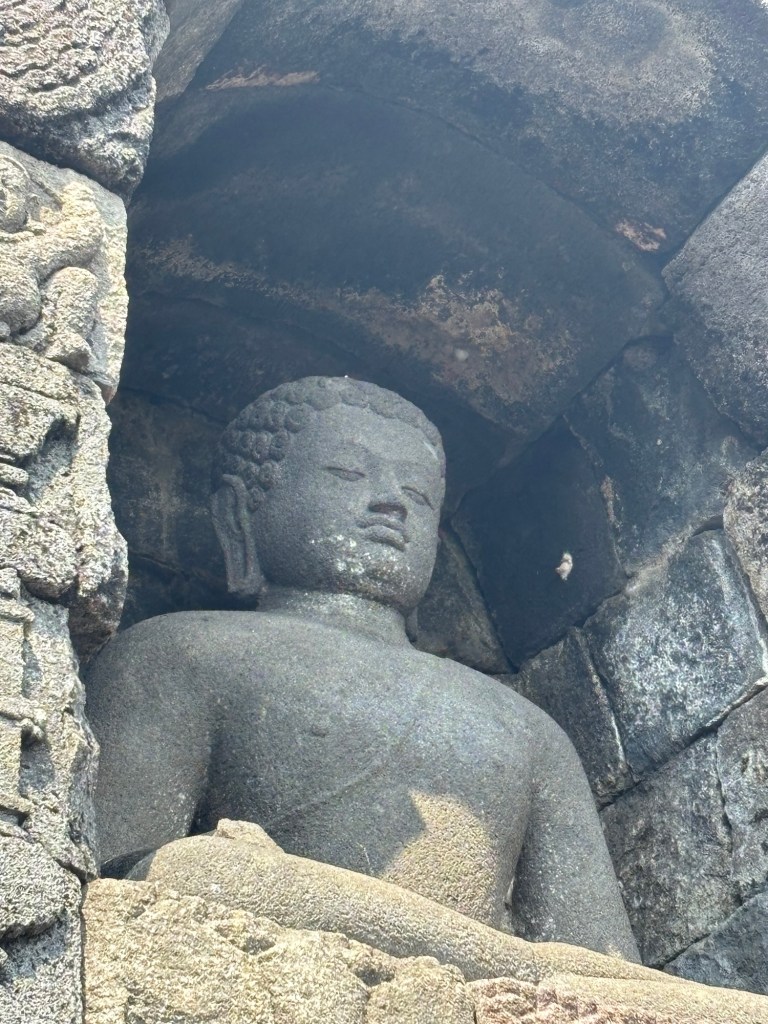
To prevent further damage to the site, one must go with a guided tour group (guide included in the ticket price), no gum chewing is allowed (apparently people spitting used gum onto the monument used to be a big problem), and visitors are given special bamboo sandals to wear when exploring the site. No outside shoes allowed. They do provide a nice cloth bag to store your own shoes in. Additionally, you get to keep the bamboo sandals!
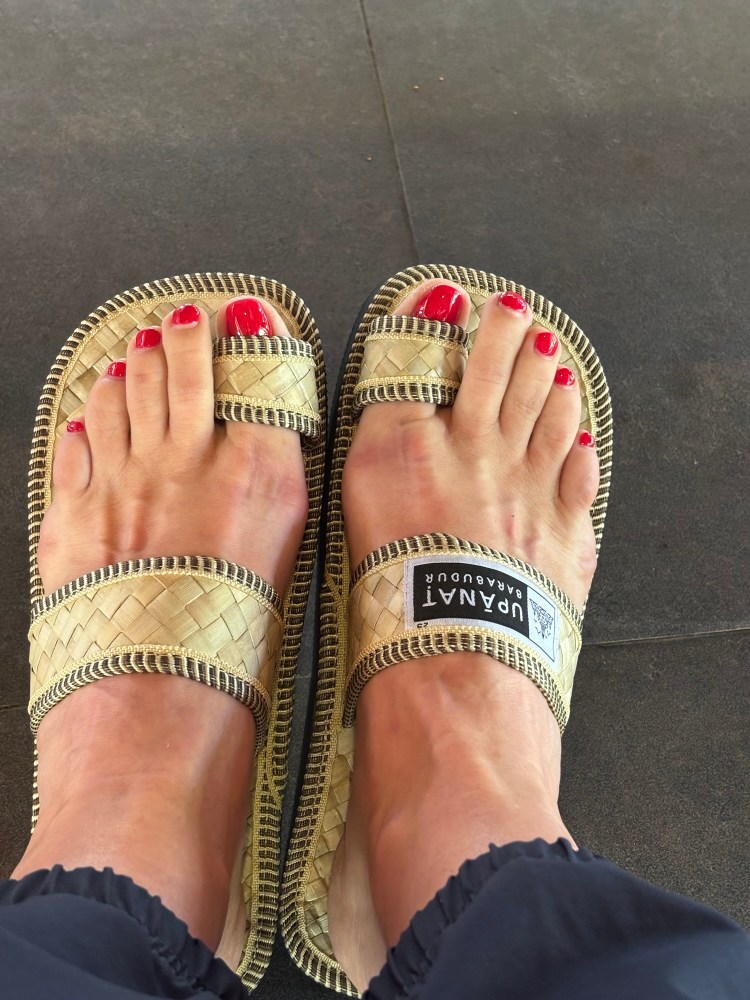
The visiting process is very well organized. When visitors arrive, they are taken via shuttle bus to a waiting area where the bamboo sandals are given out and tour groups and guides are assigned. We sat and waited a few minutes for our tour group number to be called, then walked along with our guide. We were in an English speaking tour group of around 15.
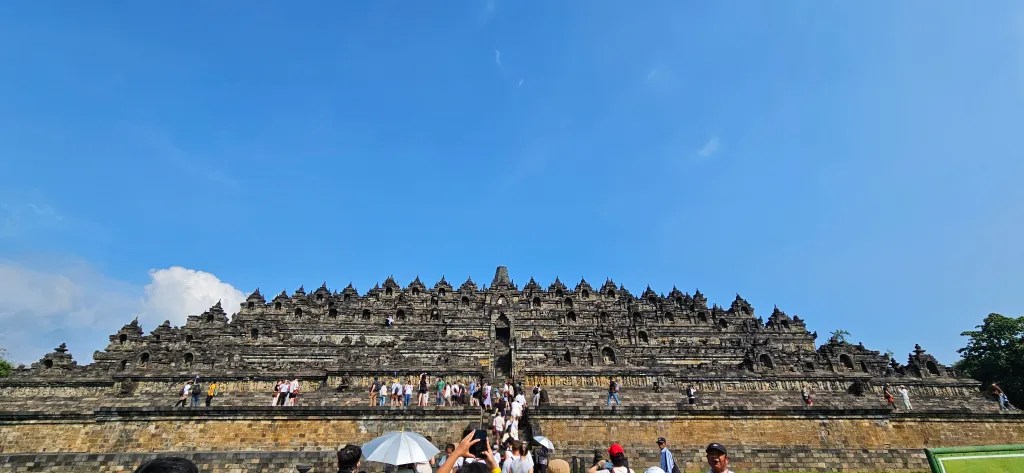
There are nine levels to the temple, the first six are square and the top three round. The stairs are steep, but we took breaks for our guide to explain the stories depicted on the stone reliefs.
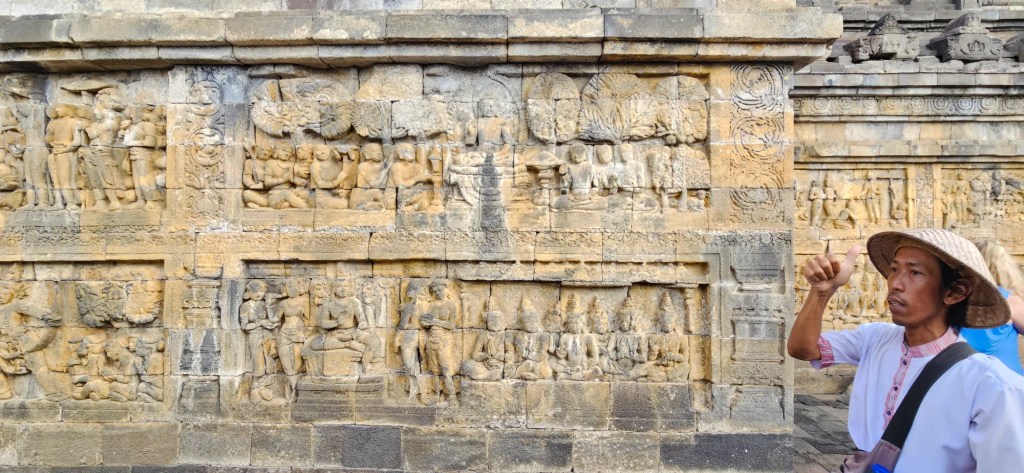
There were tales of living a virtuous life and all that comes with it. Conversely there were tales of drinking too much and making horrible choices…like sleeping with your daughter. Geez, now that’s how you keep people from drinking.
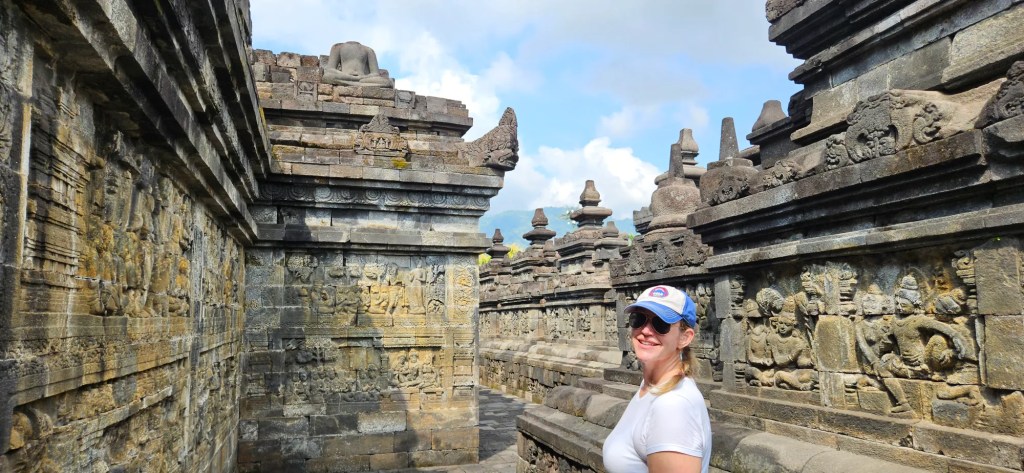
As we climbed the levels, we learned that Borobudur was built by 3 kings. Each level as we went up was a little less refined compared to the prior. After nearly 50 years (appx 782-833 AD), they began to run out of money, so had to be more economical with the stones and processes used on the highest levels.
When we reached the top, we were given about 20 minutes to wander around on our own, so we really got to chewing our gum with a purpose. Just kidding. The monument itself is beautiful as are the green hills surrounding it.
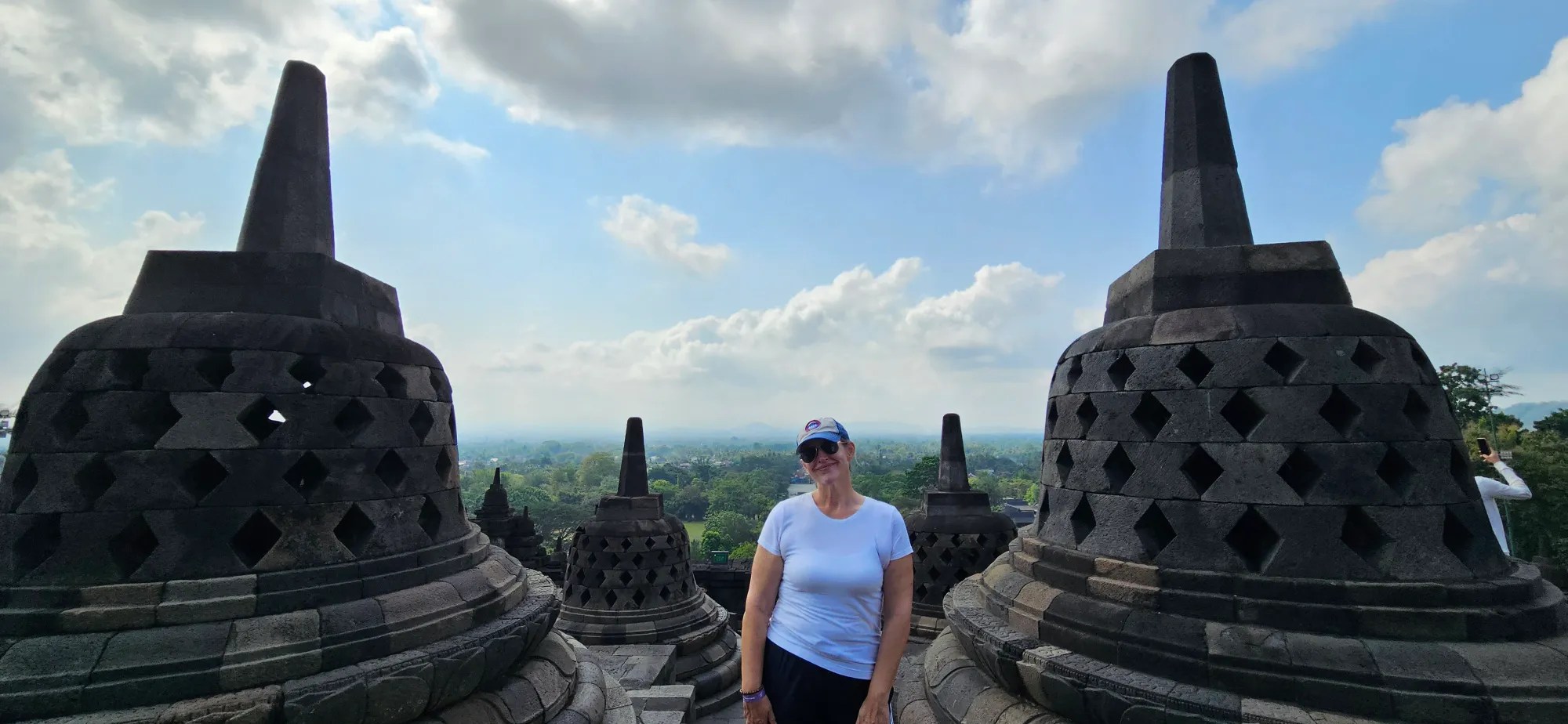
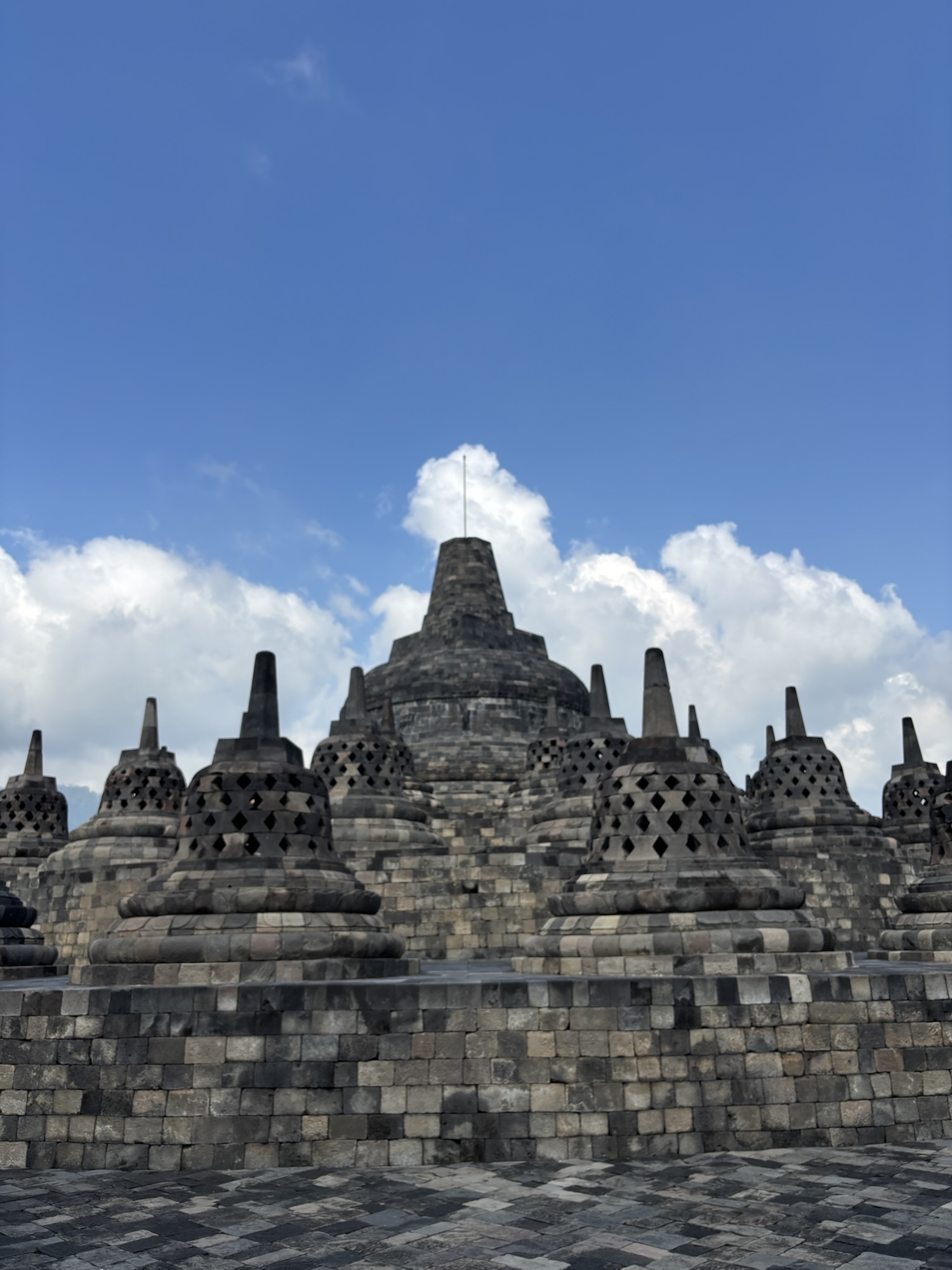
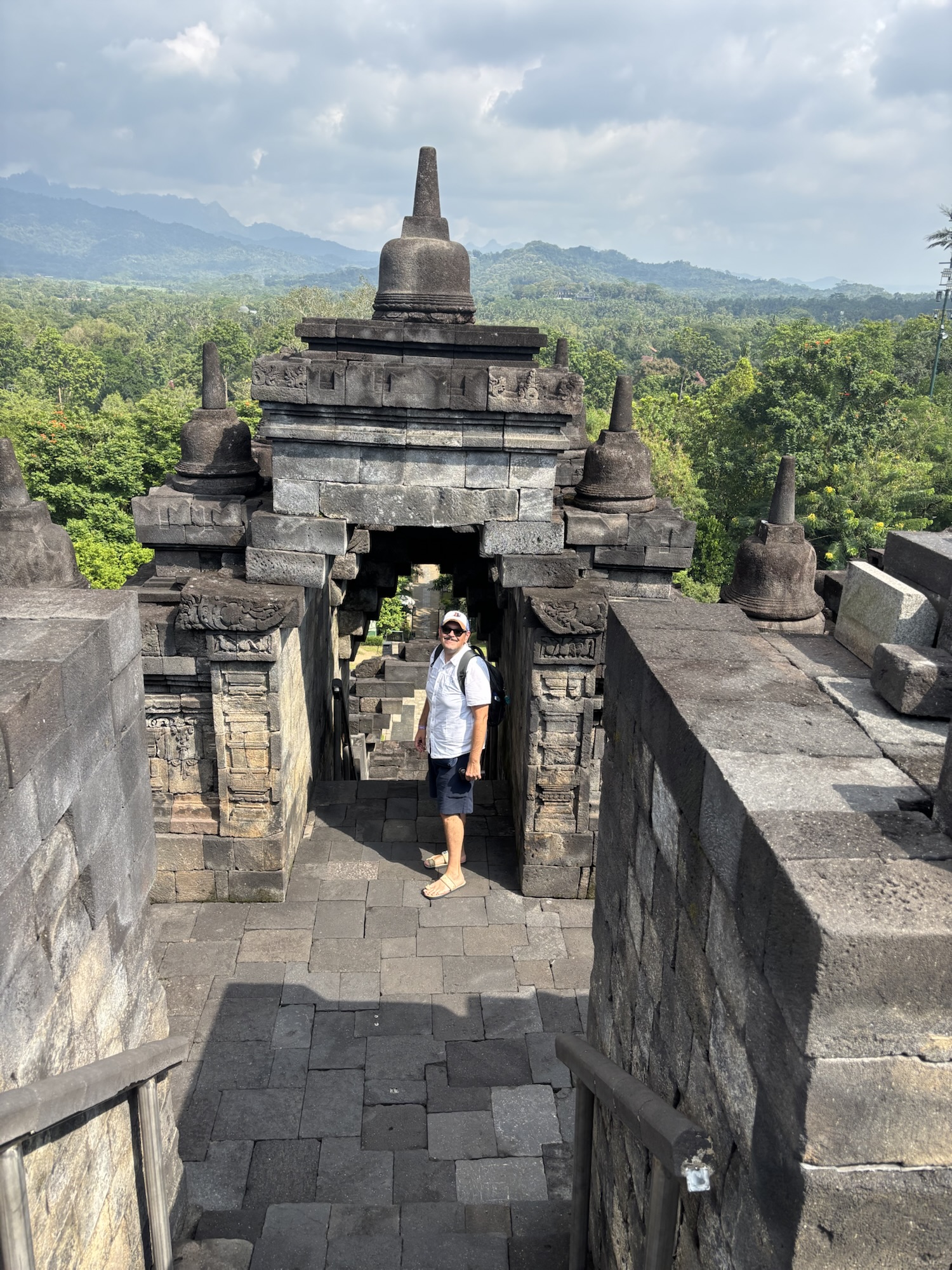
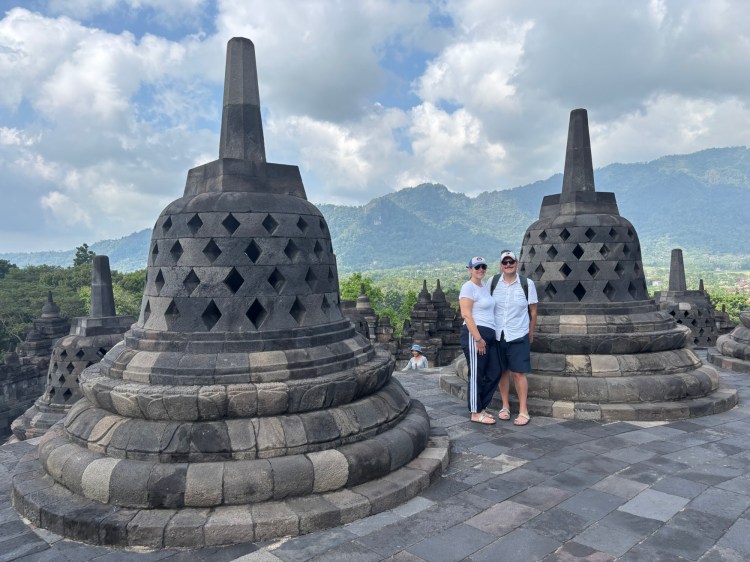
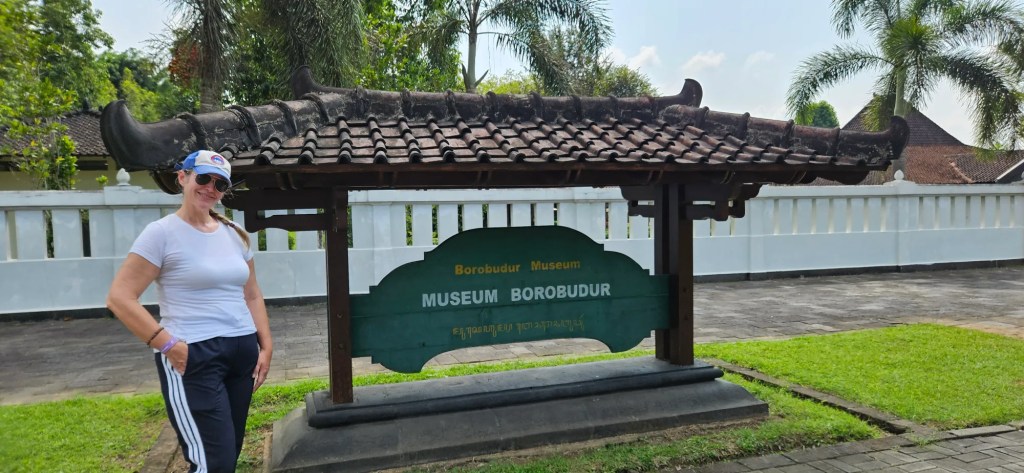
We made our way toward the shuttle bus that would take us back to the entrance, enjoying the lovely grounds. We decided to stop into the Borobudur Museum, which it seemed not many people do, as we essentially had the place to ourselves.
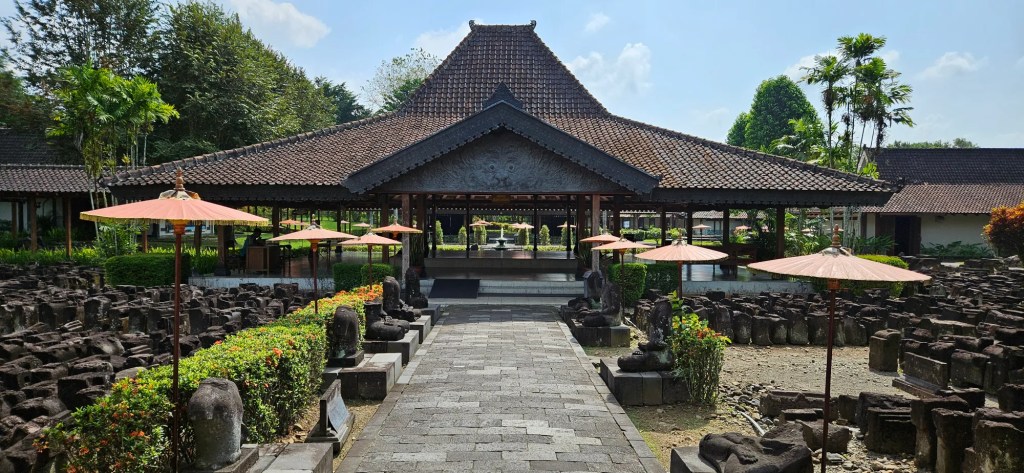
The museum had further detail on the creation of the temple as well as many, many stone blocks from the original construction but could not be re-fit and were replaced. It was a nice, shill respite from the intense grounds at the main temple structure.
We had a lot of fun in Jogja. Check out Phil’s blog here, for a more extensive account of all we did and saw.
Next up: Jakarta and reflections on our time in Indonesia


Those temples – so cool! I cannot imagine the amount of work to build them.
LikeLiked by 1 person