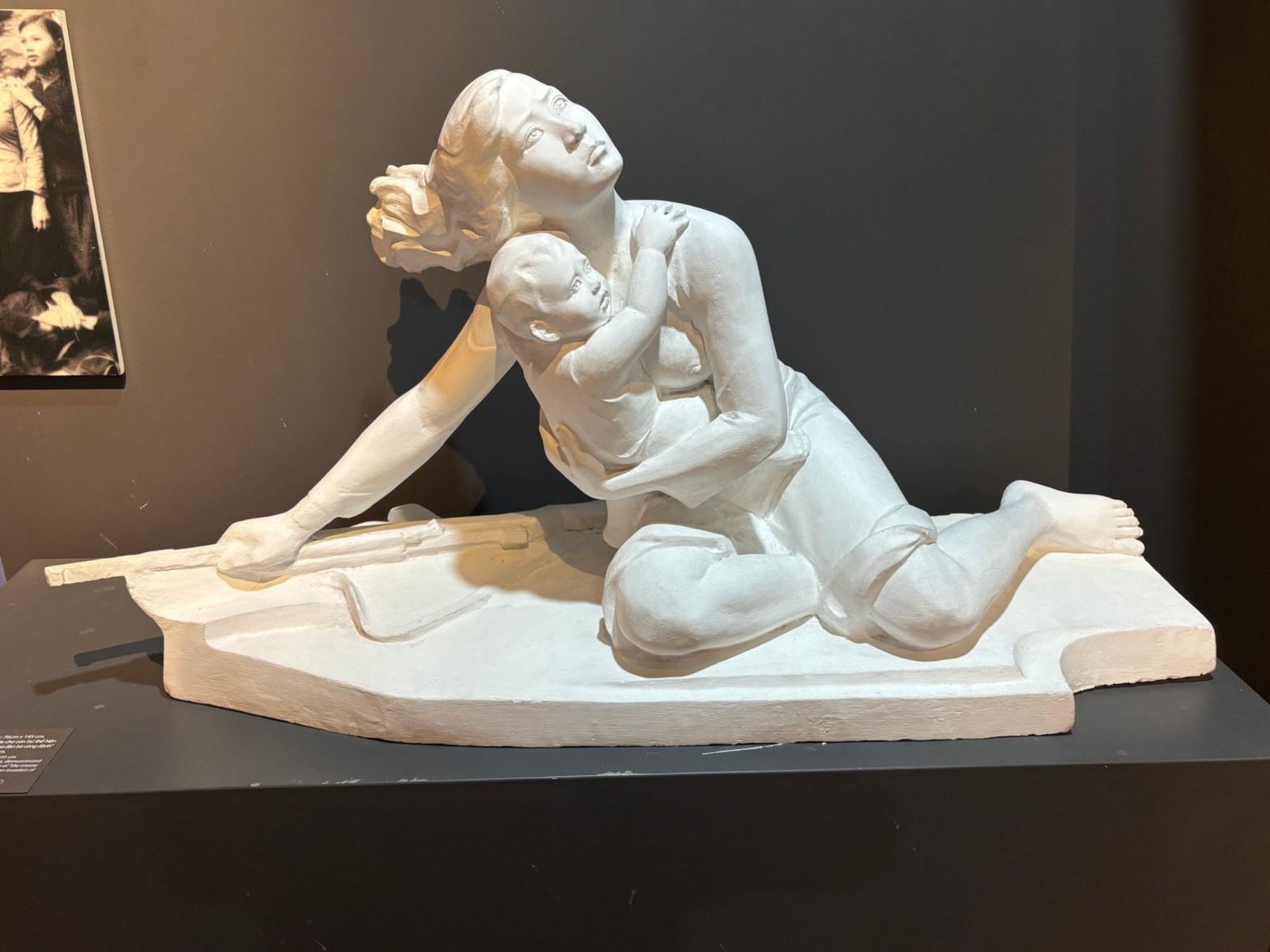
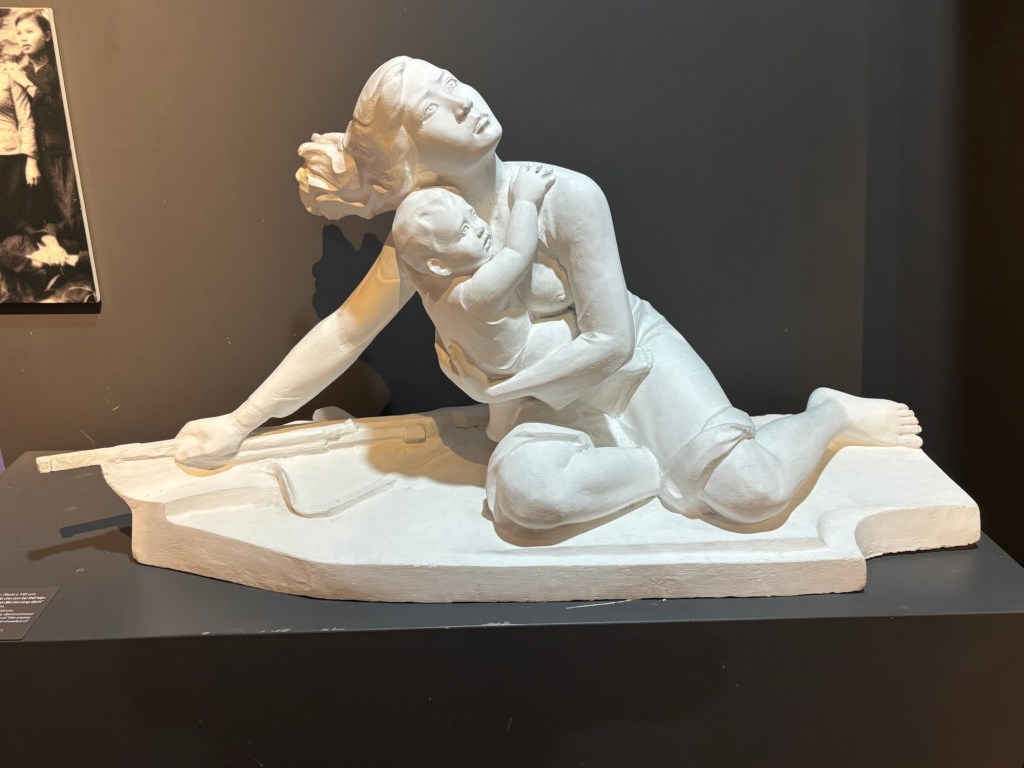
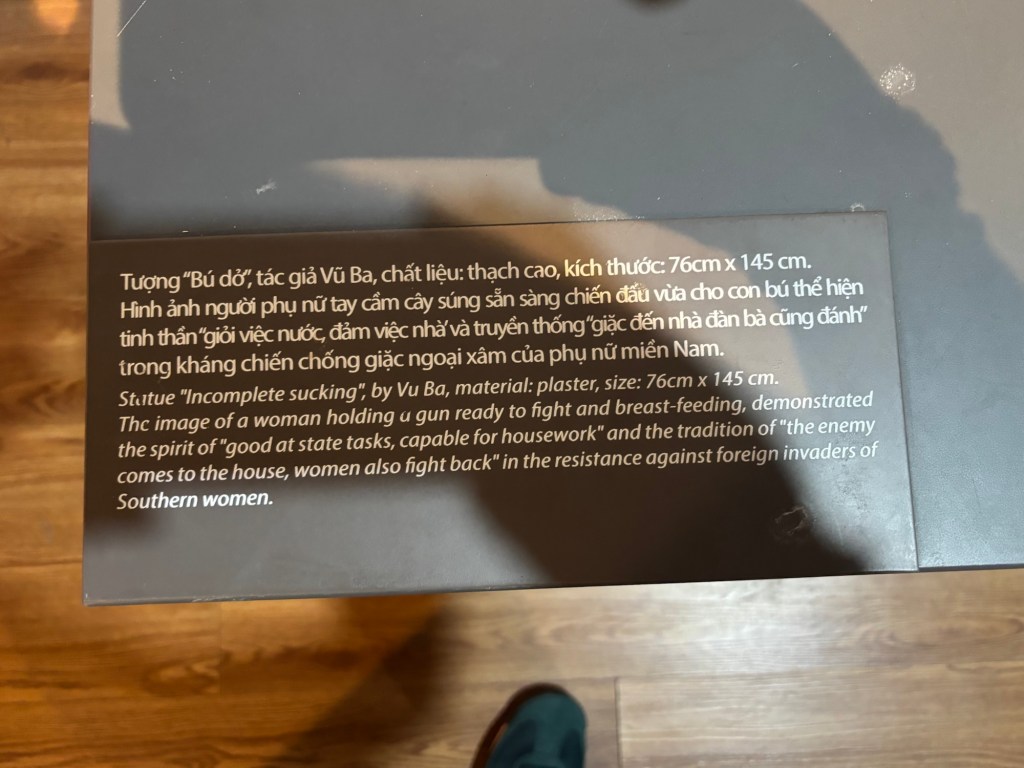
One of the things I have been most affected by during our time in Vietnam is the role of Vietnamese women, in war and the sacrifices they made for their country and their people, especially over their more than 40-year fight for independence. There is a well known Vietnamese traditional saying and cultural proveberb that says, “When war comes to the house, even the women must fight.” And fight they did.
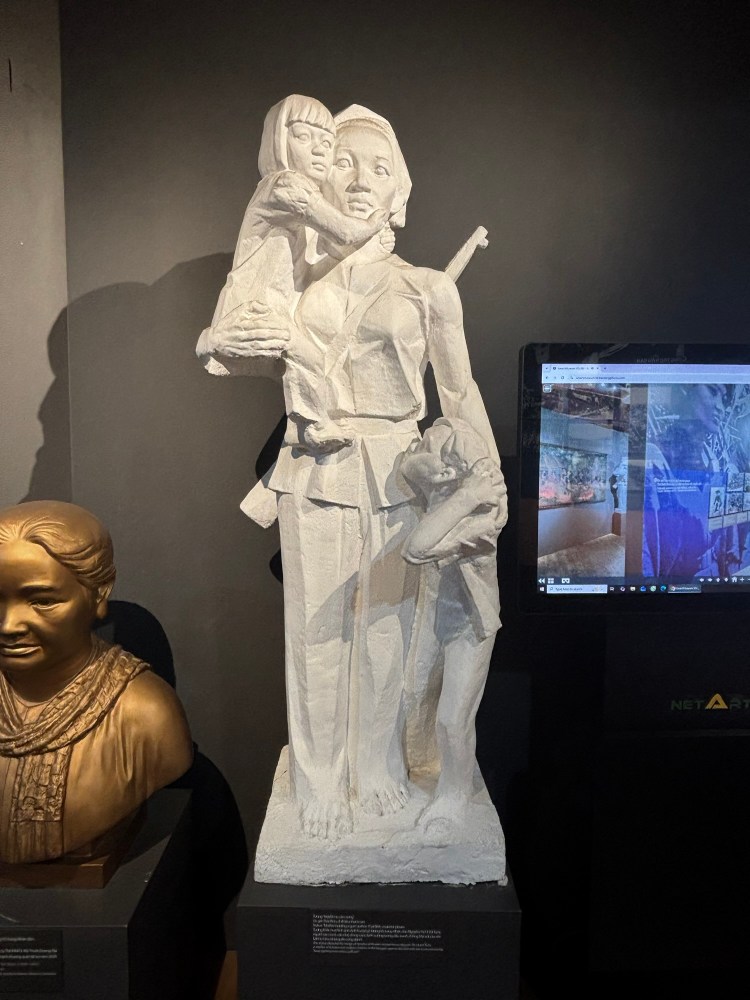
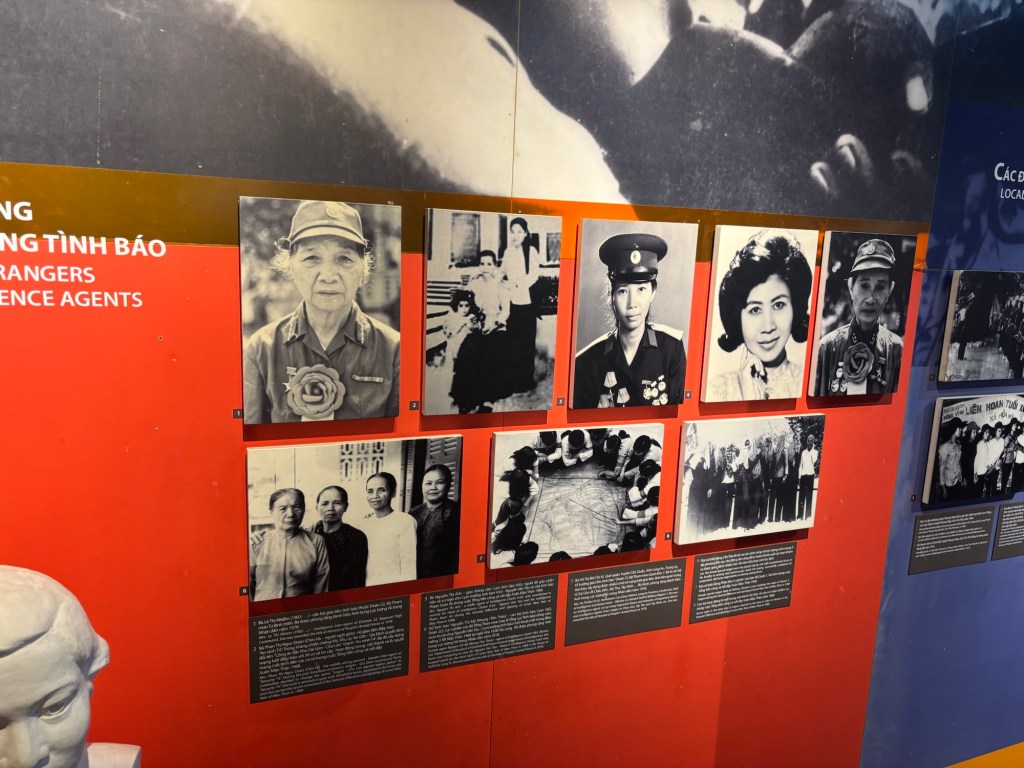
We visited a few museums that were dedicated to, or included information on the American War (what the U.S. refers to as the Vietnam War) and French War (directly preceding the American War), during our time in Vietnam. One of these museums was the Southern Women’s Museum in Saigon, with an entire floor dedicated to the women warriors who fought the French and later the Americans.
Women served in all aspects of war during the First Indochina War against the French for their Independence and later against the Americans; from the front line combat, to intelligence, and logistical support.
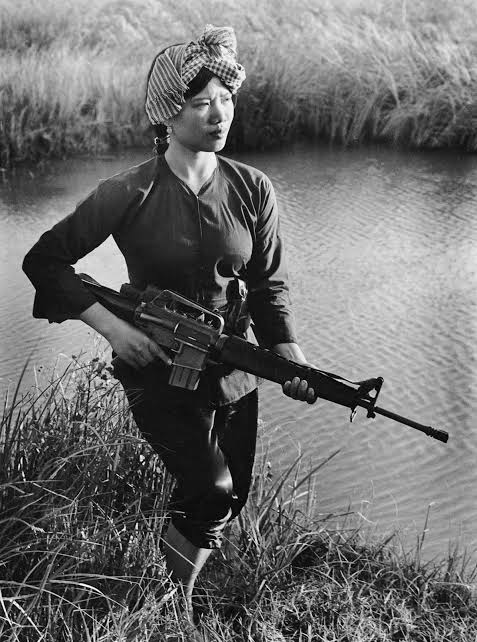
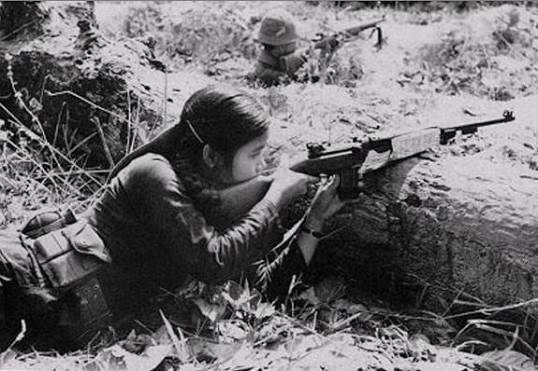
Tens of thousands of women, including minority tribeswomen, hauled heavy artillery components, food, weapons, and ammunition on foot or using modified bicycles across treacherous mountain terrain during the Battle of Dien Bien Phu in 1954 in which the North Vietnamese defeated the French.
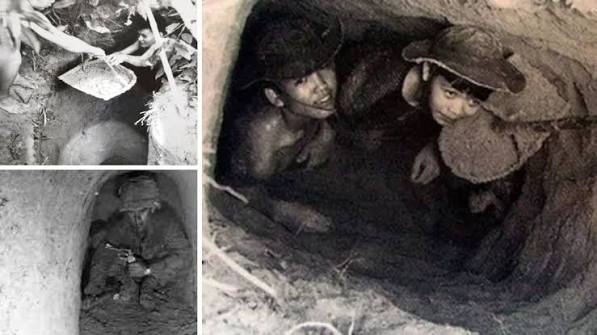
Women were instrumental in building and hiding in the Cu Chi tunnels during the Vietnam-American War, a vast network of underground tunnels spanning about 150 miles. They would dig the tunnels, then haul the dirt away in small baskets to hide the construction. Many women lived in the tunnels during the war as part of the Viet Cong underground Guerrilla network as their smaller builds could more easily navigate the cramped conditions.
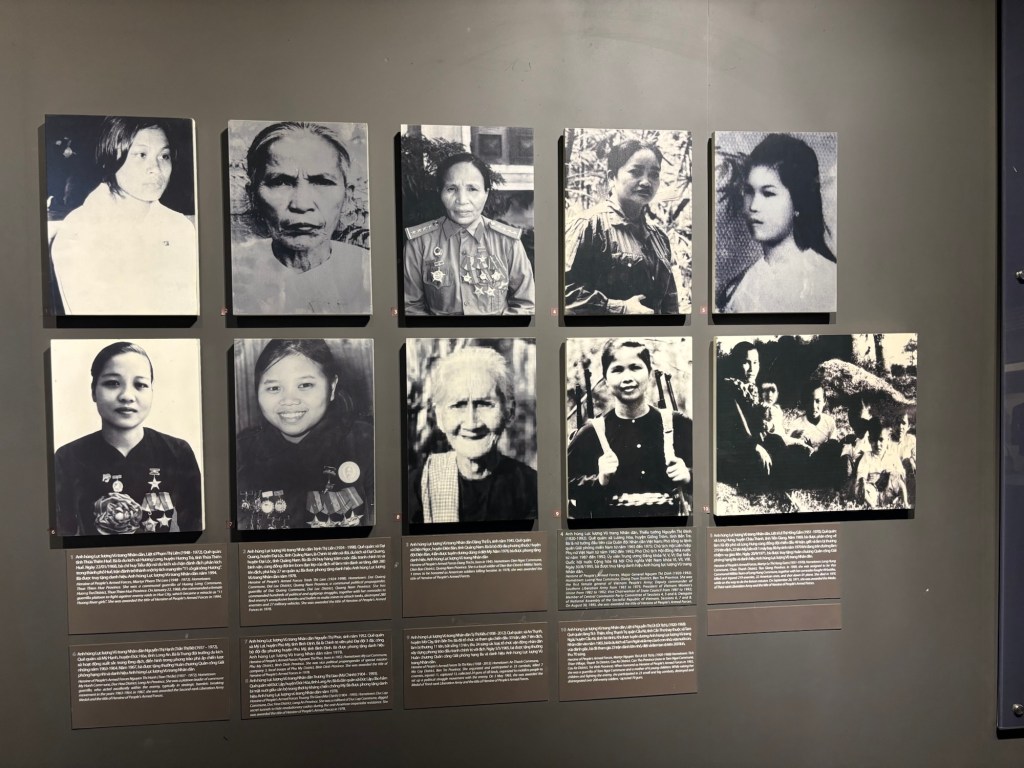
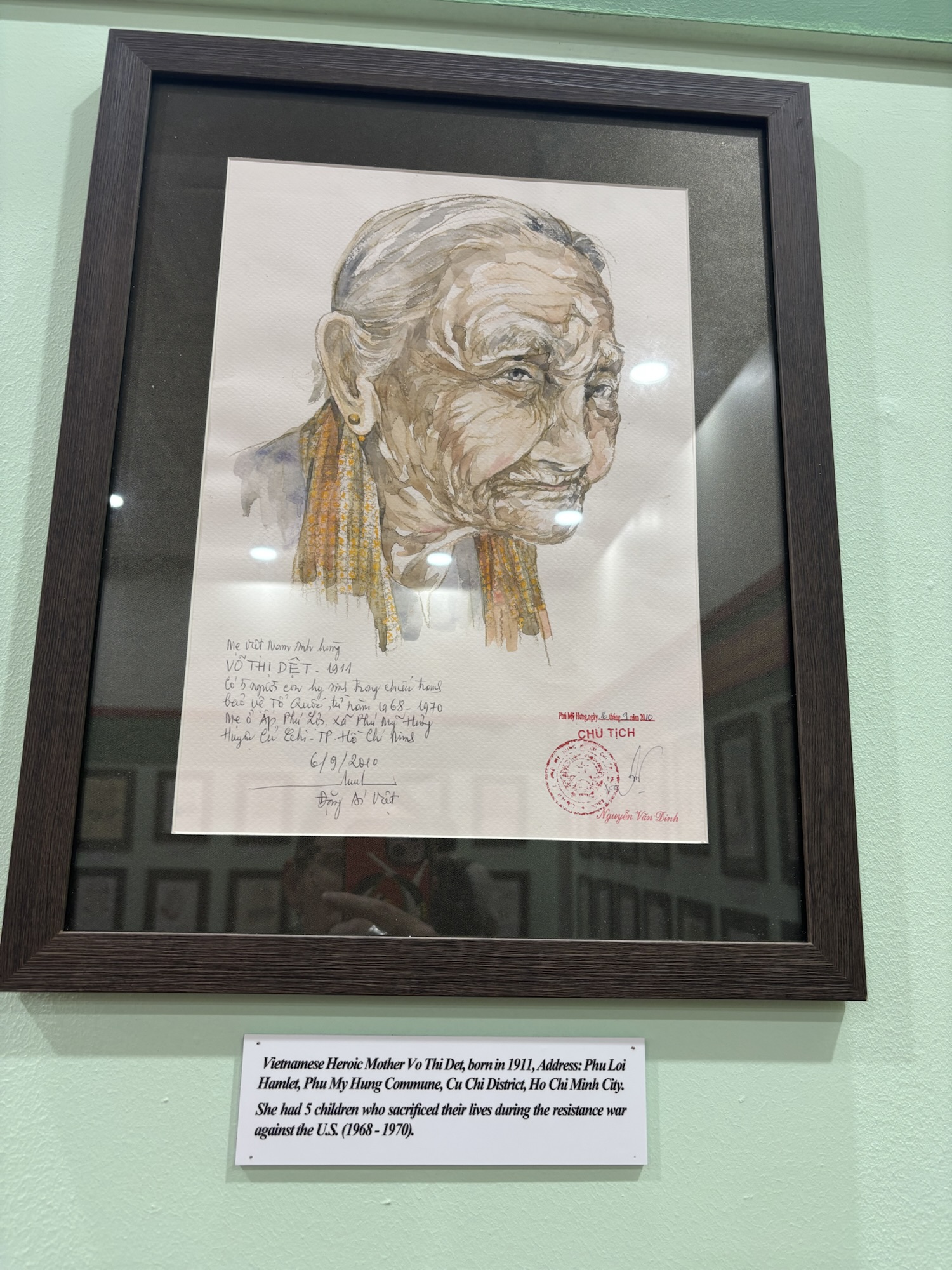
One of the most moving areas in the museum was the first floor which was dedicated to watercolor portrait paintings of the mothers who lost their children, and often husbands as well, in the Vietnamese wars for independence, done by painter Dang Ai Viet.
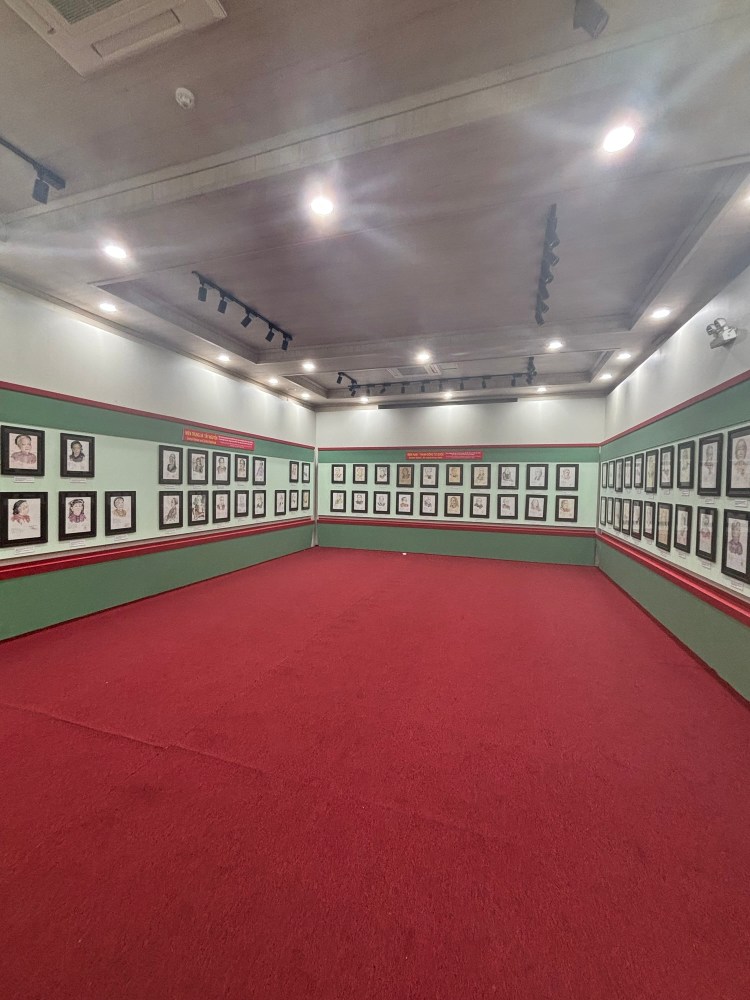
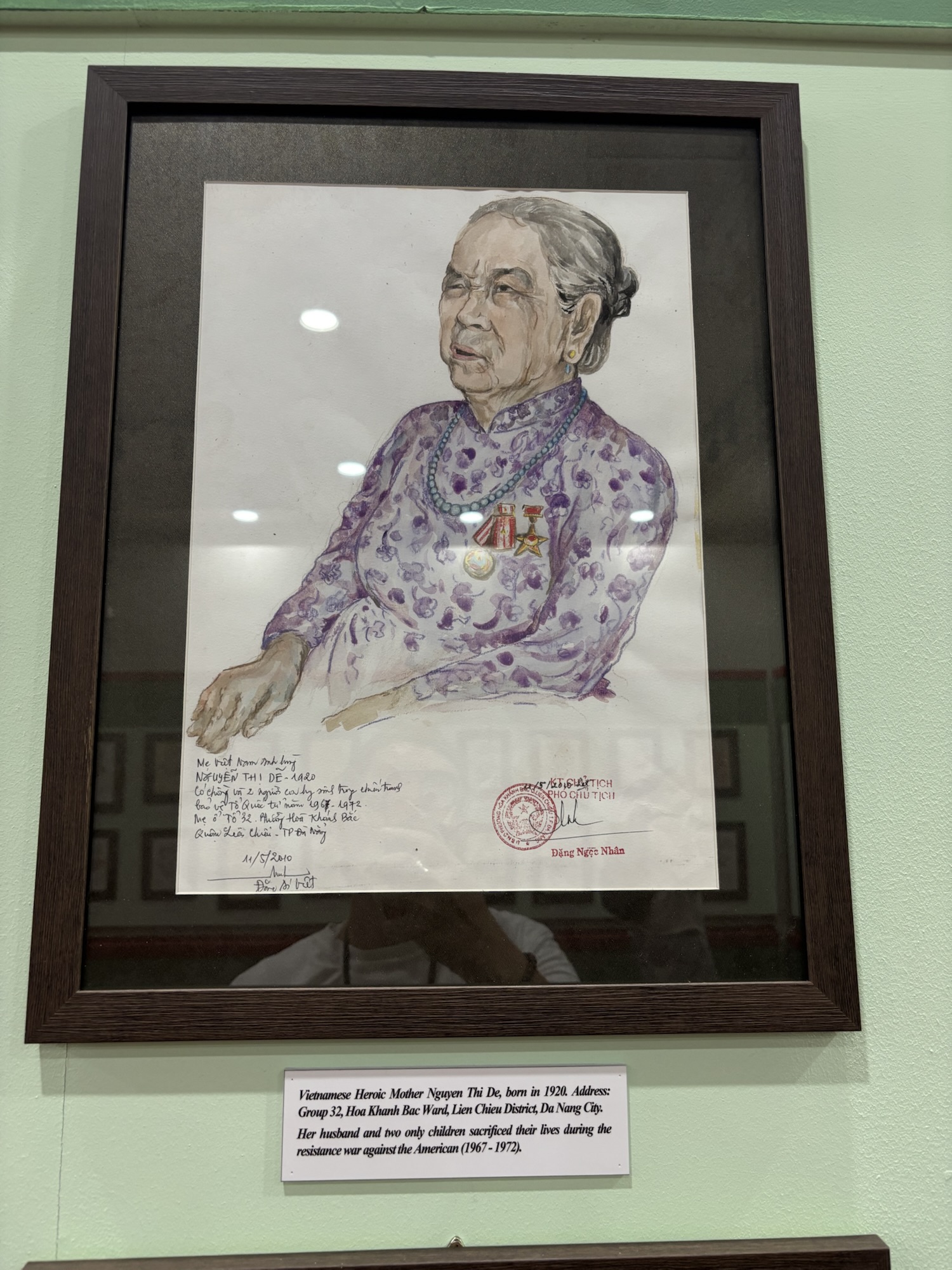
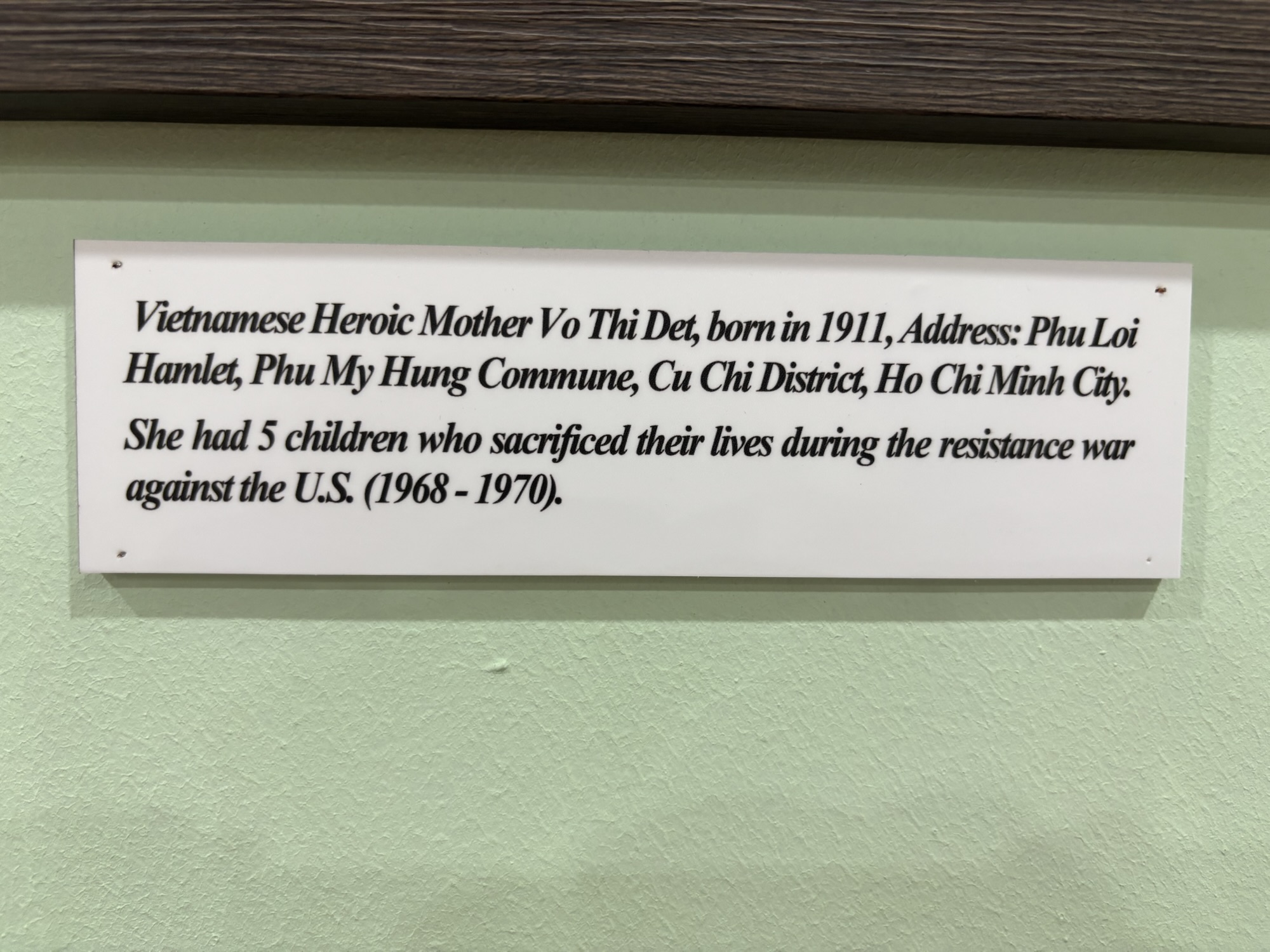
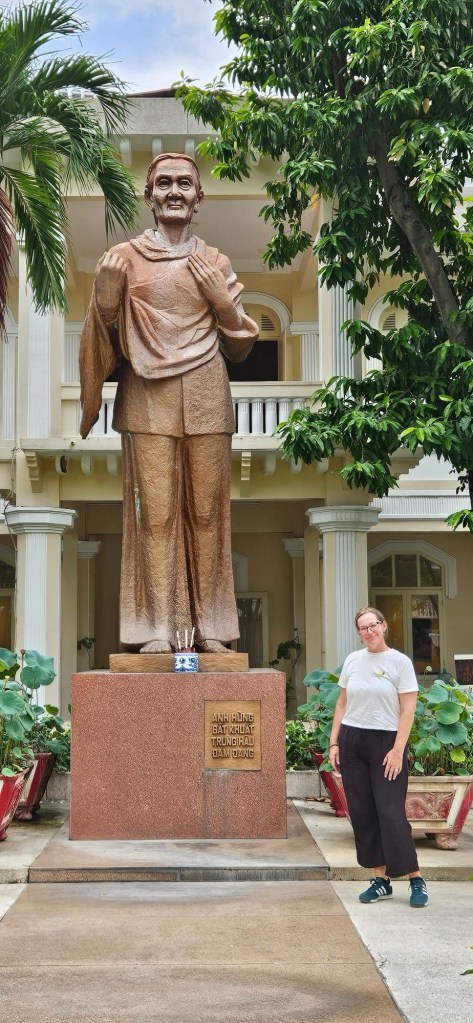
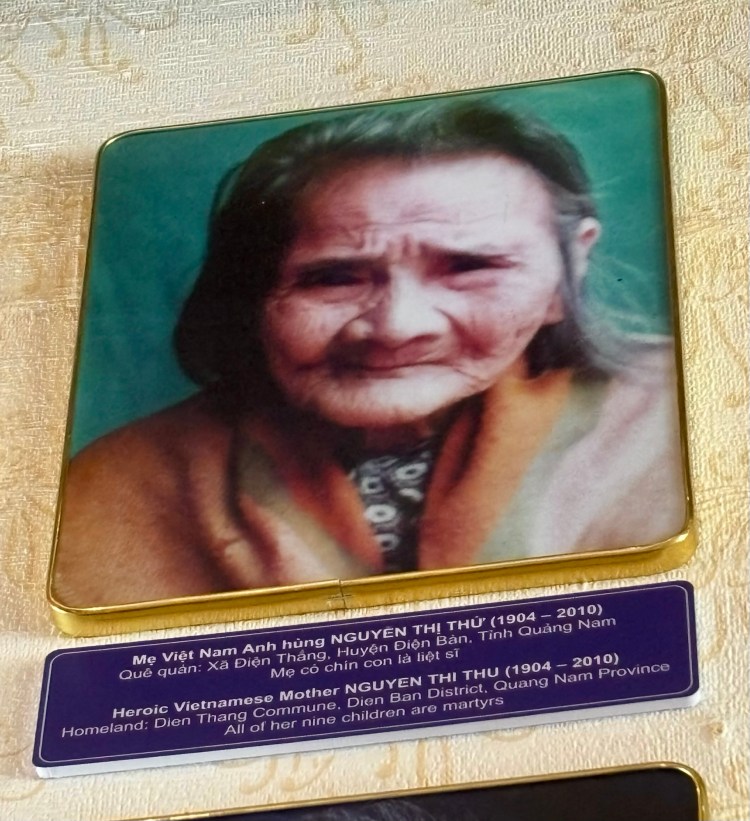
When we visited the Ho Chi Minh museum in Da Nang, they had a small room with photographs of women, mothers whose children died in the wars. Many mothers lost all of their children. The photo of the women below really stuck with me. A woman, Nguyen Thi Thu, who lived to be 106 years old, lost all nine of her children to war.
Women’s power and resilience always amazes me. The strength and sacrifice of Vietnamese women during these wars that were brought to their country, their doorsteps, is truly extraordinary. They were willing, and in many instances gave, the ultimate sacrifice for their country and their people because when the war comes to your house, you fight.
There were no “winners” in the Vietnam-American War. Everyone who fought or had a loved one who perished in the war, regardless of nationality, all lost something.
Our young, American soldiers were serving their country, as they were called to do, often with little choice in the matter. The mission; to fight the spread of communism in Asia during the cold war and to prevent China and The Soviet Union from expanding their power. Of course, the reality of the situation was well more nuanced and less straight forward. While we can turn our questions and anger about our presence in Vietnam toward our government and leaders at the time, we owe those who served our gratitude.
It is possible to both have gratitude for our Vietnam Veterans and acknowledge the sacrifice and tremendous losses of the Vietnamese people. It is possible to feel proud of my father for his service and in awe of the remarkable Vietnamese women who fought against him. To quote Vietnamese veteran Bao Ninh, “In war, no one wins or loses. There is only destruction.”


This is such a thoughtful and good way to honor both your dad and the Vietnamese women from the war. I can’t imagine losing any of my children to war, much less all of them. Those faces definitely tell a story.
LikeLiked by 1 person
Thank you
LikeLike
It is good to see women being acknowledged for their contributions to the long lasting war they lived through and sacrifices they made.
LikeLiked by 1 person