You can read part 1 of my travels in Bucharest here. The day after Phil and I visited Cismigiu Park, we headed over to the Parliamentary Palace, truly a site to behold. The Palace is one of the largest government buildings in the world, with 1,100 rooms and 3,930,000 sq ft; only the Pentagon is larger. The building was the brain child of former Romanian Dictator Nicolae Ceaușescu.
To make room for the palace, much of old-town Bucharest was destroyed. Ground breaking for the project was in 1984 and for nearly six years thousands of laborers worked twenty-four hours a day on the construction. Ceaușescu was known for his grandiose projects with no concern for budget. He literally starved his people so he could realize his dream of the perfect palace which created anit-Ceaușescu sentiment in much of the country. Ceaușescu died before construction was complete; shot by his people on Christmas day 1989 during an armed revolution.
During our hour long tour we went up several staircases, saw two theaters, a beautiful ballroom, galleries, meeting rooms, and long hallways and that was only 5% of the building. The coolest area we saw was the grand balcony overlooking Unity Boulavard. Ceaușescu had envisioned giving speeches from this balcony. The first person to ever address the public from this balcony in Bucharest was Micheal Jackson in 1992 when he famously said, “Hello Budapest! I’m so glad to be here”!
The next morning, we had reservations to tour Ceaușescu’s former residence at 11am. And what a residence it is, in the swanky part of town. In fact, it is right next door to the Kuwaiti embassy. After touring the home, we walked past several embassies in the area including the Spanish, French, and Swiss to name a few.
Ceaușescu’s former home, also known as Primaverii Palace (Spring Palace), was the primary residence of the dictator and his family from 1965-1989. Each of his three children had an apartment within the home in addition to the apartment of Ceaușescu and his wife, Elena, and Elena’s own, private apartment. Apparently the couple slept in their shared apartment together at night but Elena needed her own space during the day. I get it.
The home is large and luxurious but in comparison with the opulence of the Palace of Parliament, feels quite homey and intimate. While Ceaușescu hosted world leaders in the Louis XV day study (copy of a room of the Palace of Versailles), the family did not have overnight guests. Ceaușescu was known to be paranoid about assassination attempts (turns out he wasn’t off base), particularly being poisoned (this lead him to outfit the Palace of Parliament with a unique ventilation system using air from the outdoors instead of traditional duct work) so did not invite others outside of the family to stay at the home.
The Ceaușescu’s added on to the home in the 70’s, adding a dressing room, atrium, and large indoor pool. It was groovy to see the style of the home transition from the 60’s to 70’s. The pool area was really something with psychedelic mosaics surrounding it.
The atrium had lovely mosaics as well prominently featuring peacocks, as Peacocks were the dictator’s favorite bird. In fact he brought four back to his home following a visit to Japan in the 1970’s. Decedents of these four peacocks roam the grounds of the dictator’s former home to this day. Phil and I were lucky enough to catch a glimpse of the new peacock chicks on the property who are apparently quite elusive.
After leaving Primaverii Palace, Phil and I headed to Zexe Braserie, a restaurant our train companion, George, had recommended. The food was tasty and their dessert case featured at least twenty different delicious looking cakes. I had a croissant sandwich of goat cheese, sun dried tomatoes, and pumpkin seeds and Phil a pork loin sandwich with pesto. We shared sides of fries and spinach in some kind of creamy, slightly cheesy sauce that was the start of the show. We, of course, had to try one of their cakes. Mine was dark chocolate with pistachio cream and Phil had a vanilla and mango layered cake.
After lunch we walked through the neighborhood and came upon the Zambaccian Art Museum, which was housed in the former residence of its namesake. A private collection made up of many famous Romanian artists along with Picasso, Matisse, Cezanne, and Renoir. I love modern art so the collection was right in my wheelhouse.
While taking in the beautiful paintings and the building itself, I saw a painting of a place that looked very familiar. I thought to myself, “We’ve been there”. It wasn’t Venice or Paris or a huge, widely recognizable city. I leaned in to read the title and sure enough it was Chioggia (by artist Gheorghe Pestrascu). Phil and I made a few hours visit to Chioggia on our drive to Venice when we visited Italy in 2019.
Chioggia
The museum
I also enjoyed seeing three different paintings of artist, Stefan Luchian; one a self portrait, one by artist Traian Cornescu, and the other by artist, Camil Ressu.
Self portraitCornescuRessu
The next stop on our walk was the National Museum of Maps and Old Books. What a cool little museum!It contained maps from the 16th century through the present day. We saw an old map of Spain so I, of course, had to take a photo (and zoom up on Asturias).
The next day we made our way to the Museum of Art Collections, a huge museum of private collections that were donated to the museum. It was organized by the collections donated, and there were laminated sheets, in English and Romanian, about the donors, and their relationships with the artists, if any. There was so much to see; paintings, furniture, sculptures, and swords. You can see more from the museum in Phil’s post here.
Our very favorite exhibit was by the Japanese artist Shizuko Onda. Using multicolored plexiglass and other items, she creates artistic pieces that look different from every perspective. They were truly amazing.
After visiting the museum, we made our way back to the rental, taking in more of the cool architecture that Bucharest has to offer. I really enjoyed our time in Bucharest and highly recommend visiting.
Phil and I left Budapest around 3pm and boarded an overnight train bound for Bucharest. We weren’t sure what to expect on the 15-hour train ride as we had read several different accounts of other people’s journeys. Basically we knew to bring our own food, water, and toilet paper as there would be little to none of the above on the train. Phil booked the tickets online several weeks before our trip. A four person coach was the only option available online.
It was an incredibly budget-friendly travel option as the $100 we spent covered both our transportation to Bucharest and our lodging for the night. That is a helluva deal. So much so that we tried to splurge with an upgrade to a private coach when we arrived at the train station but there were none available. Phil even tried to purchase two additional tickets (so we could have an entire 4-person to ourselves) but with the language barrier, that didn’t happen either. So we sucked it up, boarded the train and hoped for the best, knowing that regardless of what happened, it would be an adventure.
We found our cabin, stored the luggage (luckily there was ample storage), and waited to see who might be joining us. The coach had two large couch-style benches that doubled as beds with a top bunk above each. It was certainly no-frills traveling but Phil and I aren’t overly frilly people. Don’t get me wrong, we love a good frill but we are fairly low maintenance and we entered into this adventure expecting a bit of inconvenience.
HallwayOne of our stopsUpper and lower bunksUpper and lower buksStorage
After a few minutes, a fellow joined us in our coach named George. George had been in Budapest for a music festival and was traveling to Bucharest to visit his family. A Romainian, he attended school in London and has been living and working as an architect there for the past twelve years. As the train slowly left the station, it appeared it would only be the three of us in the coach (score!). The train employee who came to check our tickets informed George, in Romainian, that at the moment, it was just the three of us in the coach but someone could buy a ticket at one of the other stops and join us. We crossed our fingers that that would not happen.
It was a very sunny and hot day and the train was very hot as well. One of two windows in our coach opened (the other one was stuck shut), which did allow for a slight breeze once we got going. When the train stopped, however, it was almost unbearable. Having spent the summer in places that averaged 90-100 degrees, we’d gotten used to sweating. After chatting a bit, and once the train was really going, I decided to head up to the upper bunk and take a nap. Heat rises and the breeze didn’t really but I was tired and had fifteen hours to kill and figured if I just laid still I wouldn’t be too hot. I half slept for a couple of hours as the upper bunk was just long enough for me; the top of my head millimeters away from grazing the wall and my feet touching at the other end. Eventually I re-joined Phil and George “downstairs”.
We ate some snacks and drank some water and eventually rolled through the border check points of both Hungary and Romania (just a few minutes apart) around 7pm. Afterwards, we sat and talked with George. We talked about history, politics, and travel. He gave us some great recommendations of places to eat and things to do around Bucharest. One pro-tip he passed along was when we went to tour the Palace of the Parliment, we needed to take our passports with us. He’d taken friends there multiple times and if they didn’t have their passports, they were refused entry. I do not like to walk around with our passports so this was a very good piece of information.
Before we knew it, it was nearly midnight. We got ready for bed and I headed to the top bunk. Luckily the night and travel through the mountains brought cooler temperatures. We even made use of the heavy duvets provided in the coach. I slept surprisingly well, only tossing and turning a bit. I thought about sleeping with my headphones in but then decided I liked hearing the sound of the train rolling on the tracks. A little after 7am, the train employee came to wake us up and let us know we would be arriving in Bucharest shortly.
We got up and ready and gathered our things. As the train pulled into Bucharest, we bid adieu to George and headed out into the day. It was very early and we could not check into our rental for several hours. Our plan was to find a restaurant or coffee shop to stop at and spend some time. We walked around the train station and decided just to stop in a restaurant attached to it as we didn’t want to schlep our bags around the streets of Bucharest, half asleep.
We ordered a couple of omelets and coffees. Over the course of the three hours we spent there, we each had four cups of coffee. I was a little surprised to see that everyone else in the restaurant was drinking either beer or wine at 9am but hey, it was the weekend and this is a judgement free zone. Heck, I might have joined them if I didn’t think it would have left me snoozing in our booth after one glass.
The owner of our rental was nice enough to let us stop in and drop off our bags an hour and a half before our check in time. We gratefully took advantage of her offer and then headed out to do some luggage-free exploring.
Very near to our rental was the Romanian Athenaeum, a theater and concert hall built in 1888. The outside was beautiful and we discovered it was open to tour. The main lobby is something to behold with four, grand, spiraling staircases leading to the concert hall in addition to the main staircase. The hall itself felt quite intimate and set up in a way that any seat was a good seat.
Inside the hallLobbyLobbyMain staircaseLobbyConcert hallOutside the concert hall
After the concert hall, we headed down Victory Street, a long main thoroughfare that leads to Victory Square. Geroge had informed us that on Sundays, the street is closed to vehicles and pedestrians and cyclists can enjoy the street, car free and care free.
We snapped photos and stopped in a church along the way. Bucharest may be the city that I have taken the most photos of buildings in. There are so many cool buildings and the juxtaposition of old world european architecture with communist era eastern bloc architecture is very interesting to see.
After our walk we returned to our rental and took much needed showers after our sweaty train adventure and walking around the city. We had the cutest little apartment with a nice balcony and a pretty great view.
The next day we had lunch in the old town at a restaurant our train companion,, George, had recommended. Caru’ cu bere (the beer cart) has been making traditional Romanian food and brewing beer since 1879. Located in a beautiful building with a dark wood interior, they offered a special lunch menu (a menu del dia of sorts) with four choices of starter, salad, entree, and dessert. I had a starter of polenta with fried eggs, covered in cheese, which was delicious and Phil had a tasty vegetable soup. For our salads, Phil had a Greek-style salad with tomatoes, cucumber, and oregano and I had a cabbage salad which tasted like an oil and vinigar coleslaw with a nice addition of fresh dill. For our entrees, we ordered the meatballs (which tasted kind of like burgers with onion soup mix in them cooked on the grill) with polenta and a chicken thigh seasoned with cumin along with raosted potatoes. It was all delicious and for dessert we had flan and a raspberry cheesecake. The cheesecake was not your typical cheesecake and had the consistency of a dense cake with a strong (similar to a gorgonzola) cheese baked into it. It was really good.
After lunch, we walked along the River to Cismigiu Park. Obviously a once grand park, Cismigiu Park has fallen into disrepair, at least a large part of the park has. The grass was dry and browning and the many, once lovely benches had been visited by pigeons a few too many times. There was even an area on the map of the park that showed a manmade lake with paddle boats and a restaurant. Now it is just a dry, cement and dirt pool, the restaurant deserted.
Cool benchDried up lake and restaurant
We came across the building below on the edge of Cismigiu Park. The Kretzulescu Palace was built in 1902 by Romanian architect Petre Antonescu. It was initially the residence of Princess Elena Kretzulescu. In 1927 it was purchased by the Romanian government and served a variety of purposes including housing the Museum of Religious Art. From 1972-2011, it served as the office for UNCESCO’s European Center for Higher Education. It now does not [appear to] serve any function and seems to be falling into disrepair. It is such a cool building. I’m sure people, myself included, would pay just to walk through it.
George had told us on the train that “Bucharest is not the most beautiful city” and while that is literally true (it is not THE most beautiful city), it still has a certain charm and a good vibe that I liked. Phil and I agreed that with a bit of TLC, it could be a really beautiful city and more of a major tourist destination. If the bad graffiti was painted over (even with just good graffiti), the streets and buildings were power washed, the cigarette buts picked up, a few more trash cans added around the city, and some of the really cool buildings refurbished, it would be so lovely. I realize that revitalizing a city isn’t as simple as paint and power washers; it’s economics and politics and I don’t know anything about either in Romania. I just know I liked Bucharest and I think it has the potential to be more than it is currently.
Next up: we head to the swanky part of Bucharest, and have more adventures!
We landed in Budapest from Frankfurt and easily found the bus heading to the center of town (thank you airport information lady!) which was a much cheper option than a taxi cab or one of the many airport shuttle services. The bus was not crowded so we were able to comfortably sit with our bags until we arrived in the city center. After a few hiccups with the metro system and our map app, we arrived at the Hotel Oktagon. After having spent July in Albania, mostly in guesthouses, Hotel Oktagon felt very swanky indeed. They even had a nespresso machine in the room!
Unlike in the US, where every hotel room has some kind of coffee maker, European hotels often do not. I am someone who likes to have my coffee first thing in the morning. I don’t want to have to dress and leave my hotel room to get coffee even if it is in the lobby. When we don’t have coffee in the room, Phil lovingly goes for the coffee. Often it is simply on the main floor of the hotel but on occasion, he has had to leave the hotel and go out into the world, to a café usually, to get us coffee. I’m pretty lucky I have him. Usually, the best you can hope for in a European hotel room is a kettle and instant coffee which is totally cool, but a nespresso machine, c’mon. What luxury. We had just arrived and I already liked Budapest.
We walked around the city a bit and found a spot to grab some Indian food. It was cheap, delicious, and spicy! Of all of the places we have visited thus far, Budapest has had the most spicy flavor options, which was a welcomed change.
After our meal, we decided to check out the area in the Jewish District known for their famous ruin bars. Ruin bars started in the early 00’s, the first and most famous of which is Szimpla Kert. Szimpla Kert is housed in a building that was scheduled for demolition when some entrepreneurs looking to open up a bar/community space decided that instead of completely rehabbing the property, they would work with it’s ramshackle estectic. They added funky furniture and art, saving the building from ruin, while maintaining the “ruined” aesthetic. The bar was a success and other buildings in the area were saved from ruin by other bars popping up and incorporating the same funky esthetic. The district is now the hub of nightlift in Budapest.
Many of the ruin bars were closed as it was still relatively early in the evening. Szimpla Kert, however, was open so we stopped in for a quick beer. I’m really glad we did. The ruin bar aesthetic isn’t really Phil’s thing but I like it quite a bit, funky and quirky. It was a huge space with little nooks and crannies and rooms tucked off here and there, both downstairs and up.
Szimpla KertSzimpla KertIn the Jewish DistrictSzimpla Kert
The next morning we were up early for a walking tour of Budapest. We intentionally scheduled the tour for early in our visit as several times we have had tours and after the fact, we’d wished we had more time to explore some of the places mentioned by the guide. It doesn’t always work out to schedule tours early on in a visit but I highly recommend doing so if at all possible, paticularly walking tours or food tours as the guide is usually a local and full of great recommendations for restaurants and sites to see. Our Hungarian tour guide, Monica, was no exception.
On our way we stopped at Cafe Gerbeaud. I had bookmarked the cafe on our shared map of things to do based on the many great reviews (and a near 20-year-old Rick Steves episode). We found out during our tour that Cafe Gerbeaud is the oldest cafe in Budapest (opened in 1858). Monica informed us that in the early 1900’s Budapest had many cafes and coffee shops that were hang-outs for artists. Oftentimes, the artists were cash poor and talent rich so in exchange for their bill, they would write a poem or give a drawing to the owner. Cafe Gerbeaud was one of these artist cafes. Now, however, it is quite posh and expensive and although we did not inquire, I doubt they would have accepted a few stanzas in exchange for our coffees, brioche bun, and tasty cheese scone.
Our breakfastInterior photo courtesty of wikipediaPhoto courtesy of wikipedia
After breakfast we had just enough time to meet up with Monica and the tour group. There were about fifteen folks all together hailing from all over the world including Brazil, France, Germany, and the Netherlands. We were the only native English speakers on the tour. It never fails to remind me how privileged we are to have been born in an English speaking country when tours are offered in either the country’s native language or English, those are the two choices. If you’re born in Hungary and only speak Hungarian, your options for world travel are pretty limited to Hungary and a few other eastern european countries. We are very lucky.
We walked along the Danube River on the Pest side of Budapest (once two different cities, Buda and Pest). We first stopped outside the Vigadó Concert Hall, a very cool building with statues and busts of famous Hungarians adorning the outside. Then we walked around Vörösmarty Square, stopping for a photo op with a famous statue of a rather jolly looking police man. It is tradition to rub his belly for good luck. This is obvious when looking at the statue as his belly is the shiniest, smoothest part. The statue was quite hot to the touch on the almost 100 degree day but I gave it a quick rub nonetheless. I will say, we had very good luck while in Budapest.
Next stop was the Első Pesti Rétesház, or the Strudel House of Pest, which dates back to 1812. We watched a man cutting the long strudel into individual servings, each time throwing away the very end of the studel. Phil and I agreed we would happily eat the end pieces. In fact, I think they could easily sell the end pices in their own box like donut holes, Anyway, we weren’t very hungry but, when in Hungary, so we ordered a portion of the sour cherry and cheese and the cabbage strudel to try. I didn’t even know that they made savory strudel and they don’t make many but cabbage is a traditional one so we had to get it. Both were delicious, especially the cabbage.
On we went, stopping outside of St. Stephen’s Basilica, Liberty Squre Park, and a very cool art nouveau apartment building that reminded me very much of the style of Spanish architect Antoni Gaudi. Our last stop was the Hungarian Parliament building which is truly something to behold. One cannot even capture its enormity in a single photo.
After our tour, Phil and I decided to check out Margaret Island. Margaret Island is a little island on the Danube between Buda and Pest. The Island’s namesake, Princess Margaret (later St. Margaret of Hungary), was the daughter of the King and Queen of Hungary who lost their land to the Mongols. Her parents vowed that if their land was liberated from the Mongols, they would dedicate their child to religion. Princess Margaret was born in 1242 and at age four was sent to a Dominican convent in Veszprém. Six years later, she was sent to the Monastery of the Blessed Virgin on Rabbit Island (now Margaret Island) near Buda where she lived until her death in 1271. Margaret is buried on the Island near the remnants of the Monestary.
Margaret Island has all kinds of cool places to check out. In addition to the ruins, they have biking and walking trails, many gardens including a rose garden and Japense garden, fountains, restaurants, cafes, and large thermal pools. Phil and I decided to rent a bicycle built for two (side by side, not tandem) and cruise around the park. Yay! I like bike riding but having grown up in the country, learning to ride a bike on gravel roads, biking in any kind of town or city makes me very nervous. The park had very little outside traffic and offered large lanes and bike/pedestrian only paths, so I was pretty stoked. The side by side bike allowed us to leisurely cruise around the island (my quads hurt for like two days after so maybe I should bike more often) at our own pace, stopping as we pleased to literally smell the roses.
Two hours later we returned the rented bike. Time flew by and we had a blast. We walked back toward our hotel over the Margaret Bridge, stopping to take a few photos.
On our walk back to the hotel, walking through Vörösmarty Square, we saw a sign for a rooftop bar. Being suckers for rooftop bars and being a bit peckish, we decided to head up. We were greeted on the bottom floor by a hostess who asked if we had reservations. We did not but she phoned the rooftop and reported back that if we could be finished within an hour, we could go up. We assured her that would be no problem and up we went.
The St. Andrea Wine and Skybar offered spectacular views of the city and a great food and drink menu. Prices were a bit steeper than we would usually pay but in a rooftop bar situation, you are paying for the view and if the drinks and food are good, it’s a bonus. We got a pretty large bonus that evening as the drinks were lovely and the food was even better. I had a rosé champagne (admittedly, that one is hard to mess up) and Phil had a refreshing summer cocktail that neither of us can quite remember what was in it but we’re pretty sure basil was a part of it and trust me, it was good. We ordered some snacks of shrimp cecivhe (tasty but a rather small portion), “dirty fries” with truffles and cheese, and the star of the show were street style octopus tacos. They were amazing and spicy and tasted of lime, avacado, and jalapeno.
Later that evening, we ventured out to take in the city at night. During our walkabout, we happened upon a bench, on a small, dark side street, with four, unopened bottles of champagne just sitting on it (photos below). I told Phil I thought it was a trap and we better steer clear. I stand by my decision. Who knows what kind of witch would currently be fattening us up in her dungeon had we fallen victim to her clever ruse. I’m glad we rubbed that statue’s belly.
The next day we traveled to Memento Park on the outskirts of town. Memento Park is filled with Communist Era statues that were removed from their original locations and relocated to the park. I think this type of museum would be a good solution for Confederate monuments in the US. Remove them all and put them in a statue park. If people want to see them, they can and if they don’t, they can avoid the park, as opposed to trying to avoid a confederate statue that is outside of their town library, for example.
Anyway, we headed to the park first taking the overground tram system and then a bus. We had some time between the tram and the bus so we walked to a place across from the bus stop to get something to eat. On the bottom floor of the building was a super market and on the upper floors there was a farmer’s market with stalls selling fruits, veggies, and other goods. The top floor had an old mall food court with a variety of food choices. A chinese place caught our eye. We hadn’t had chinese food in more than a year and a half so when we saw it, we had to have it. We shared a few different dishes, lo mein with spicy beef and green beans and rice with spicy chicken. We chose spicy because we could. As I’ve mentioned before, Spain did have much to offer in the way of spicy food and the other, eastern european, countries we have visited haven’t been any spicier. We were very happy to be in a land that embraced a little heat.
After lunch we headed back across the street and caught the bus out to Memento Park. We arrived about an hour later. We were surprised by how few people were there but figured if one only had a day or two in Hungary, schelping all the way out to the park would take up quite a bit of their sightseeing time.
At the entrance of the park, there is a small booth where one pays a minimal entrance fee and can purchase Communist era [replica] souvenirs, and a variety of beverages. We opted for ice cold water as it was a very hot and sunny day and the park offered no shade or respite from the heat and sun. The first statues that greet visitors upon arrival are Lenin and another of Marx and Engles.
The park has many large and interesting statues. A few of my favorites below.
As you leave the park, in the distance, you see these boots:
A closer look:
Across the road from the statue park, there is a small museum with information regarding the Hungarian revolution which also has a little theater playing a documentary about the methods of the secret police. In the museum we learned about the statue of the boots: In 1951, an 8-meter tall statue of Stalin was erected in Budapest in honor of Stalin’s 70th birthday. The statue was later torn down by enraged Hungarians during the Hungarian revolution. All that remained of the statue were his boots.
After making our way back into the city, we headed for our hotel but were sidetracked by the Budapest Museum of Illusions. It sounded intriguing so we decided to stop in. While not really a museum, it was fun and had several optical illusions and fun rooms for snapping photos. We enjoyed ourselves like a couple of kids.
I’m so tinyI think Phil is going to winHall of mirrorsGiant me, tiny Phil
After the museum, we stopped and grabbed a cold beverage to enjoy in the park. It seems as though Hungarians love sour cherry and not just in their strudel. Meggy, or sour cherry ale, is quite popular in Budapest. Almost every mini-mart, liquor store, or bar sells it. In fact, I’d had one at Szimpla Kert ruin bar when we visited (though they didn’t call it a meggy, only sour cherry ale). I sampled several different meggies during our time in Budapest, ranging in flavor from a little tussin-y to refreshing and delicious. All in all, I liked it quite a bit.
That night, Phil and I took a cruise on the Danube. There are many options for cruises and we decided to take one at night to see the lights and the one we chose just happened to serve bottomless glasses of prosecco. I have professed my love for prosecco many times (particularly in this post) so I was very happy about the situation. At one point before the cruise, I said to Phil, “How much prosecco can you really drink in an hour and a half anyway?” It turns out quite a lot as evidenced by the young, quite drunk, British 20-somethings exiting the boat following the 7pm cruise as we waited to board the 9pm. Needless to say, we enjoyed ourselves and got some great photos (and were able to disembark the boat unassisted which is more than I can say for the Brits).
The next day, we headed to the Buda side of Budapest to see Buda Castle. The Buda side was a bit quieter, at least the day we were there, and we strolled down brightly painted, cute residential streets and snapped photos of cool buildings.
Our goal was to get to Buda Castle and tour it before it closed but we had some time and weren’t in a hurry. We stopped into the oldest synagogue in Budapest from the 13th century. They even had some tombstones ranging in age from 1278 to 1686.
On we walked and happened by a sign for the Koller Gallery. The sign said it was free and we like fine art so decided to check it out. I’m so glad we did. We wandered through the doors off the main street, through a courtyard with a few statues and up to the door. We rang the buzzer and a woman let us in. The gallery is housed in the former home and studio of Hungarian artist and sometimes actor, Amerigo Tot. The top (3rd) floor of the gallery is a memorial room for Mr. Tot. Fun fact; Amerigo Tot played Micheal’s bodyguard in The Godfather: Part II. A few of my favorite works from the gallery and it’s statue garden out back:
We enjoyed our time at the gallery but had to hurry in order to have plenty of time to get to the Castle and see The Hungarian National Art Gallery, which is housed inside. On the way, we passed Fisherman’s Bastion, a 17th century fortress, as well as St. Matthias Church. Both are popular tourist sites but you can’t see it all and we had a castle to get to.
St. MatthiasFisherman’s Bastion
We also passed a super creepy statue of St. Stephen, the first king of Hungary. I’m convinced this was the inspiration for the white walkers in The Game of Thrones TV series. This dude looks like the straight up night king.
We arrived at the castle with plenty of time and were happy to hear about their temporary exhibit, Art Deco Budapest. A few of my favorites from the exhibit are bleow.
Cement!The castle entrance
That night we finally ate our first Hungarian meal since being in Hungary. This wasn’t by design, Budapest just had so many other cuisine offerings plus, even though I felt like I needed to try the famed Hungarian goulash, it is a soup and it was soooooo hot the entire time we were in Budapest. I wore short shorts for chrissake! Our Hungarian meal was delicious and while we did not have goulash, we did share two dishes, one of a smokey paprika tomato sauce and pork and the other a traditional (we were told by the waitress) pasta dish made with thick, wide egg noodles with creamy cheese that was actually lightly sweet and lemon topped with pork cracklings.
Hungarian dinner!Short shorts
After dinner, we headed to Hero’s Square to get a few night pics and scope out the Museum of Fine Arts that we planned to visit the next morning before we had to catch our train to Bucharest.
Hero’s square honors leaders and other famous Hungarians. It is lovely during the day but even better at night. We also saw the night king again with a few more white walkers.
Hero’s SquareNight KingWhite walkersWinter is Coming
Behind the square is a park and Vajdahunyad Castle. Luckily, the gates to the castle were open and we wandered in. It looked like a fairytale all lit up. There were a couple of weddings taking place on the grounds as well and we overheard their merriment as I strolled along with my handsome prince.
My handsome prince
The next morning, we toured the Fine Arts Museum as planned before boarding the fifteen-hour (!) train to Bucharest. You can see more of the art we saw in Budapest in Phil’s post here.
I so enjoyed Budapest. It is on the top of my list of new places we have visited this summer. It is clean, has a great vibe, and a very old-world European feel. Our friends Rob and Amanda who we met in Turkey, told us Budapest was their favorite European city to visit and they do so as often as they can. I certainly understand why they feel that way. We will definitely be back.
Phil and I arrived in Frankfurt around 5pm. We had booked a hotel near the train station as we had to take an early train to the airport the next morning to catch our 7:30am flight to Budapest. We stopped by the hotel, dropped our bags, and set out to see a bit of Frankfurt.
We walked along the Main river, through a park full of folks enjoying the evening. We came to Römerberg, a lovely public square where folks were singing, chanting, and waving German flags. A small stage had been erected and people were speaking into a microphone, energizing the crowd. We found a table outside of a nearby bierhaus, ordered a couple of beers, and watched the celebration.
A quick google search revealed that the German Women’s Soccer team had finished second place in the European Cup the previous day. I recalled our friend Katie mentioning the day before that a few bars and restaurants near her small German town were open that day (which was a Sunday), outside of normal business hours, because of a soccer match. I wish the US celebrated women’s sports the way these folks were (for a second place win no less). It was really cool to see.
After finishing our beers we set out to find some food. We found Zu den 12 Aposteln, a highly rated German restaurant and brewery. We were very hungry after our day of travel and not having had a proper meal since breakfast. We ordered the Frankfurther platter for two and it did not disappoint. Holy moly. It consisted of two different types of sausages, schnitzel, “meatloaf” which was kind of like grilled spam with a sunny side up egg on top, crispy pork knucle, with sauerkraut and potatoes. It was a-mazing. I can’t believe we finished almost the whole thing with the exception of a few potatoes and a bit of sauerkraut. We washed it all down with a couple of beers as well.
I told Phil several times that I couldn’t believe I wasn’t miserable after eating all of that food. Well, about ten minutes after leaving, the misery kicked in so we decided to try to walk off the fullness. We saw some really cool buildings during our walkabout of the city.
Unfortunately we had to call it an early night because of our flight the next day. Given our short time in Frankifurt, I think we made the most of it. It was a great few hours and what a feast we enjoyed!
After a month in Albania (Phil wrote more about our last towns visited on his blog) we headed to Germany. Our friends Katie and Kirby have been planning a move with their sons to a small town near Frankfurt for quite some time and even when our other summer travel plans were up in the air, we knew we would be visiting them for sure.
Katie is our friend from college. We’ve known her for a long time. She’s a gal, like me, who appreciates good food and experiencing new things. She studied abroad in Australia, later lived in New York City, and then moved to St. Louis a short time after we did in the mid-aughts. In fact she was our only friend from Missouri who came out to stay with Phil and I when we lived in Long Beach.
When we arrived at Katie’s new home (much much later than anticipated due to some hiccups with the trains), we felt at home. It has been a long time since we have stayed in an actual home. We’ve stayed in hotels and rentals but not a home with folks who feel like family. When I say Katie feels like family, it is not an exaggeration. We text or email sporadically, we go years at a time without seeing each other but when I’m at her house I feel no awkardness about scoping out her fridge and pantry or sitting alone, messy haired and bleery eyed, on her couch first thing in the morning with a cup of coffee in my PJ’s.
Phil and I had big plans for our time in Germany. We were going to take the local train to different towns and explore, almost daily. Well, it seems as though our bodies, sensing this whole “family in a home situation”, wanted to hunker down and hibernate despite our plans. We slept in and lounged on the couch and watched their boys play video games. It was delightful.
Even in our hibernation mode, we still managed to take advantage of the area. Rodenbach, the town Katie lives in, is a very cute little place with a church, tasty bakery, ice cream shop, and a number of walking/biking trails. The town is very near the large airforce base, Ramstein, which is both the headquarters for the US Airforces in Europe and NATO’s Allied Air Command. Because of this large US military presence, the population of the area, or at least in Katie’s neighborhood, was about half and half Germans and Americans. This made it very easy for us as we did not have to worry about trying to speak German since almost everyone speaks English. That being said, Germans are known for speaking English pretty well, so airforce base or not, we probably would have been ok.
We walked around Rodenbach, passed several churches, a cemetery, and a cool clock tower. Unfortunately we could not go inside of any of them but snapped some pics of the outside. We had a snack of a couple of savory pastries and a giant, tasty butter cookie from the local bakery.
Another afternoon, following a morning of hardcore couch lounging, we decided to check out one of the nearby trails. We wandered through the town, a park, and even a small putt-putt golf course (complete with attached beer garden. It is Germany after all). The trail took us past a frog fortress (pictured below). We did not see any frogs, which was a bummer but just a little farther down the trail, we came upon the ancient burial mound of a celtic prince (with a creepy entrance) dating back to around the 5th century BC. The small display inside included a sword and a couple of other small objects found in the mound. Atop the mound is a small obelisk.
As we walked further down the trail, we were soon in a lovely wooded area with tall trees. It felt good to be out in nature. With the exception of an older fellow and his dog we passed, it was just the two of us until the trail eventually led us back into town. It was a really nice walk.
One of our days, we went to Little America on the Ramstein base with Katie for a little taste of home. We went to the big mall (basically it is a mall) and the giant American-style grocery store. The aisles were huge! Some highlights of the haul: jalapeno kettle cooked potato chips, velveeta and rotel for queso dip (!), and some bomb-ass peanut butter cookies. The plan was to have lunch at Chili’s but the wait was over an hour and Katie told us that they didn’t have southwest eggrolls there anyway (what?!?), so nbd. We decided it would be better to have a lighter lunch anyway so we could save room for the taco feast Katie was preparing that evening. As you can imagine, I was very excited.
After leaving the base, Katie dropped us off the nearby city of Kaiserslautern (population around 100,000) so we could do some exploring. Our first stop was the Art Museum, Museum Pfalzgalerie Kaiserslautern, followed by a lunch of schnitzel in a pepper sauce with fries and a beer. I know, I know, not the light lunch we’d discussed but Phil and I split the meal so I didn’t feel like I was spoiling my taco dinner. Plus, when in Rome, do as the Romans do. When in Germany, drink beer and eat schnitzel.
One of my favorites from the museum by Ernst Ludwig KirchnerOne of my favorites from the museum by Albert HaueisenA sculpture on the streets of KaiserslauternSchnitzel!Beer!
After schnitzel, we walked around a bit, passed a couple of fountains, one of which was very unique looking, and then toured the history museum of Kaiserslautern, the Theodor-Zink Museum. Afterward, we took a stroll through the Kaiserslautern Japenese Gardens and finished the day with a cab ride back to Katie’s and the aforementioned taco feast. It was absolutely delicious. Tacos not pictured because tacos don’t sit still.
View from lunchUnique fountainBeside the fountainHistory museumHistory museumJapanese gardensEntrance to the gardens
The next day, it was time for a ladies trip to the French town of Strasbourg just over the German border. Katie’s eighteen year old niece, Kennedy, and her friend Kody (not a lady but was down to participate) joined us. They arrived in Germany from Arkansas the day after Phil and I did. We planned to visit a large flea market that Strasbourg is famous for. This also happened to be the first time in over two and a half years that Phil and I had more than a few hours apart. He stayed behind with Kirby and the boys for some guy time. We both enjoyed our weekends very, very much.
We left around 8am and after a couple of hours drive to the border, we parked the car with the plans of training it over the border and into Strasbourg. We’d just missed the train so decided to go outside and look for a cab instead. We found the taxi stand but no taxis were present. I asked the french woman in the cafe we were waiting near if a taxi would be coming and she said “yes, maybe ten minutes”. We stood in the hot sun waiting for what seemed like well over ten minutes. It is almost unheard of to wait so long for a taxi right outside of a train station in Europe. They’re usually lined up outside waiting to catch a fare.
I decided to order a beer at the cafe so we could sit down while we waited (I know, I really took one for the team). As we sat, Katie noticed the tram line, which was right across the street from us, that seemed to be heading over the bridge and into Strasbourg. We decided that, of course, would be our best and easiest ride into the city, so we hurriedly gathered our things and headed toward the tram that was just arriving. As we were about to cross the street, we had to stop for the red light. As soon as the light turned green, we made a run for it. The tram driver saw us and appeared to be waiting for us (sweet!) but as soon as we neared the doors, the tram drove on. Dammit! We headed back into the train station and had just enough time to catch the next one into Strasbourg. From there we caught a taxi and finally arrived at our airbnb where we could set down our backpacks and have a cold drink before heading to the flea market.
We had a bit of trouble finding information online about the flea market and it’s location so decided to set out and see what we saw. Near the city center, we did come upon a flea market, mostly vendors selling various clothing items. Not what we’d had in mind (I am happy to report Katie has since since returned to Strausbourg and found the actual, famous flea market, which she stated was glorious) though Kennedy did find a super cute dress for herself.
We decided to stop for some food and we found a cute little spot called Pacific Princess that looked like a cruise ship inside. We sat on the patio and shared a few delicious small plates and a bottle of rosé. While our younger companions didn’t love everything we sampled quite as much as Katie and I did, they did try everything which is great. Your tastes change as you age and tasting different cuisine is a huge part of the traveling experience. So while you may not love everything a paticular country, region, or style of cuisine has to offer, I think it is important to try it and try it more than once because who knows, you might like it or you might eventually like it.
We shared meat and cheese plates, foie gras with currants, a viennese chicken with curry wurst sauce which was basically chicken nuggets with curry sauce (score), fish cakes with a creamy mint sauce and strawberries (oddly delicious), and the star of the show was a dish of smoked gravlax (a scandanavian dish of dry, cured salmon using salt, sugar, and herbs), with a corn imulsion and micro greens. It was smokey and delicious and served in a small, sealed, glass dish with smoke on top that disappated upon opening. It was all super tasty and a delightful experience.
We walked around Strasbourg a bit more after lunch, taking in the pictureeaque town, popping into a small catholic church and taking a few pics, then happening upon a huge cathedral! The cathedral of Notre-Dame Strasbourg is very impressive outside and in with gorgeous stained glass.
Kody and KennedyThe cathedralThe cathedral
The next day we were off the Black Forrest and the town of Baden-Baden. We decided to stop in the small town of Bühl on the way for lunch as we planned to do a bit of a hike through the Black Forrest and figured we needed our energy for the trek. We found a cool little pub, or bierhaus, with dark wooden booths and friendly service. For some reason, the chicken wings on the menu were really calling to me. Well, actually I know the reason, it is because I hate having to choose between a salad or fries. I want salad AND fries and the chicken wings came with both. I know it’s not a particularly German order but sometimes bar food is bar food, right?
I am so happy I ordered the wings because they were the best chicken wings I have ever had. I don’t know if it was a fried then baked situation or twice fried (there was definitely a two-step process at play is all I’m saying) or what but they were delicious. Super crispy and juicy and extremely well seasoned. Katie, who does not particularly care for chicken wings agreed, they were damn good. I washed them down with a Paulaner beer, which is a particular favorite of mine made even better because I was in Germany.
Next stop: The Black Forest! Katie took us to an area she had been before for a lovely hike to a waterfall. The hike was perfect; shaded, even terrain without many hills. I won’t shy away from a sweaty uphill hike but it was nice to take more of a scenic nature walk instead.
After our hike, we drove into the town of Baden-Baden. There is a famous bakery there that makes the famed black forest cake. We walked around a bit and then headed for the bakery. Cafe Koenig has a small shop with many delicious options for baked goods with an attached patio area and a rather fancy-looking restaurant inside. Lucky for us, it wasn’t too busy and we snagged a spot on the patio. Katie had been there before and tried the black forest cake so opted for an ice creamy-coffee drink instead. Kody and Kennedy both said they were still full from lunch and just ordered water. “What does being full have to do with anything?” was my reply. I was in the Black Forrest and dammit, I was going to eat Black Forrest cake.
The cake was not what I expected. Black Forrest cake in the midwest is basically chocolate cake with cherry pie filling on top. The real deal consists of several layers of sponge cake and cream, one of which contains a boozy, liqueur component, cherries of course, with a cookie-like bottom crust. I wouldn’t say I loved it, though It did grow on me with each bite and I ate the entire piece, so it was pretty good.
We headed back to Katie’s after leaving Baden-Baden and Phil and I packed for our departure the next day. We were heading to Frankfurt in order to catch a very early flight to Budapest the following morning. We ended our last night in Rodenbach with nachos made with the leftovers from taco night. It was the perfect ending to a lovely visit.
After leaving the village of Theth (see part 1 of Albania Mania here), Phil and I headed to Lake Shkodra (or Shkodër, and to be more different the Montenegrins call it Lake Skadar so take your pick). It was a two hour drive, back down the mountain. We stopped at Rozafa Castle in the city of Shkodra on the way to the lake, which oddly is not in the actual city of Shkodra.
The castle dates back to the Ilyrians in the 4th century BC (Phil writes in more detail about the history in his post). We paid a small entrance fee and climbed up a steep hill paved with well worn stones. The first of several castles we would visit during our time in Albania, Rozafa offered great views and many intact, climbable ramparts. Unlike some of the other castles we visited, there were no security guards or barriers to block access to any part of the castle so we were free to roam where we chose. We often marvel at how in Europe, most historic or scenic sites do not have any fences or safety barriers (only barriers to prevent folks from walking on centuries old mosaics, for example) unlike in the US. It’s kind of refreshing and I suppose a bit dangerous. I guess they trust you to use your head and not jump off the edge of the cliff, wall, ledge etc.
After our castle stop, we were on to our next guest house, Lake Shkoder rooms. As the name suggests, it is located right on the lake, past the little lakeside town of Shiroka. Down the winding road we went wondering if we would ever reach the place. At the literal end of the road there it was, right next to a mosque, nestled on the blue shores of the lake.
We were welcomed warmly by Ardit, who runs the guesthouse and attached restaurant, along with his family. Ardit spoke very little English but between his limited English, our very limited Italian, gestures, and google translate, we communicated quite effectively during our stay.
On the day of our arrival Ardit’s brother Elvis and his family from Italy were concluding their final day at the lake. Elvis spoke English and as we conversed with him we asked him where abouts he lived in Italy and he informed us he had been living in Pescara for the past 22 years. Pescara! We had just visited Pescara with my mother-in-law during her visit back in May. The city is located in the Abruzzo region where she was born. Elvis knew the town of her birth, Raiano, quite well. We took the family’s warm welcome and connection to Abruzzo as a good sign.
Ardit, Elvis explained to us, had graduated from culinary school in Italy and was now running the restaurant’s kitchen, with a little help from his mother, who made a couple of local specialties. For our first meal, we ordered the recommended lake trout along with a Greek salad. Platter after platter emerged from the kitchen and we were treated to a real feast, including several dishes we hadn’t ordered. We enjoyed the lake trout, pasta with cheese and olive oil, bread topped with cheese that had a similar consistency to cast iron skillet corn bread but was not made with corn meal, and a platter of fried fish roe cakes. Everything was delicious.
The following day we decided to relax a bit and take advantage of the lake’s beach right in front of our room that we practically had all to ourselves. The lake water was turquoise blue and beautiful. I took a little walk to a nearby convenience store and bought an inflatable raft to use on the lake. It was lovely to float around, under the sun, feeling the breeze on my skin without a care in the world. The lake was very quiet other than the occasional small fishing boat passing by in the distance. I would have probably stayed in the water for well longer but, after seeing what I thought was a small water bird bopping along out of the corner of my eye, I realized it was not a bird when a mother and daughter who were wading near the shore pointed at it, screamed, and ran. I quickly became acutely aware, after having seen it rise up, out of the water, that it was in fact, a snake. I paddled my way to shore with the speed of an olympic champion.
Our beachfrontFloating aroundBlue lake Shkoder
Each morning, we were treated to a fantastic breakfast from Ardit. The frist morning we had crepes with nutella and homemade cake (good thing neither of us is a diabetic), the second morning a plate of tomato, peppers, eggs, sausage, and cheese with a basket of toast, the third delicious croissants, and the last a huge basket of toast with a variety homemade jams. Each day we were given water, juice, and coffee as well. Breakfast was a great start to the day and mostly kept us full until dinner.
Yum
On our third day at the lake, we decided to drive into Montenegro as we could literally see the neighboring country from our guesthouse. We could have walked over the border relatively easily but, wanting to take the official, legal route in, we opted to drive an hour, over the boarder and into the beach town of Ulcinj on the Adriatic coast.
Ulcinj had a very touristy beach area with a lot of crowded beaches to choose from to lounge and relax. We opted to take a walk along the Adriatic on a trail Phil had discovered called the Long Beach Trail. We had assumed the trail would run right along the coast, on a boardwalk or paved path (or at least I had assumed that). Instead, it was somewhat high on a hill with occasional glimpses of the sea. We walked under one section of trees that had at least six spiderwebs complete with giant spiders hanging in them. I should have snapped a photo of this spooky scene but I was too concerned with trying to limbo my way under them without knocking them down or getting them in my hair.
After the walk, er hike, we found ourselves by a sprawling sandy beach with chairs and a little strip of convenience stores and restaurants. I had been unprepared for such a nature hike only having worn sandals. Phil, being the tropper he is, offered to walk back and get the car where we had parked it before setting out on the walk and then come to pick me up. I sat at the large resort hotel that apparently owned all of the seats on the beach and had a beer at the bar. Once Phil returned, we grabbed a bite to eat at a nearby restaurant serving traditional, Montenegrin food. We shared stuffed eggplant with tomatoes and cheese along with grape leaves that were served warm, and cooked with oil and what looked like thick bacon. Both were super tasty.
We grabbed a few supplies at one of the convenience stores, including the peanuts I mentioned in my last post (oof). On the drive back, we stopped at a lookout point high above Lake Skadar (aka Shkoder) before crossing back into Albania.
We were so full from our late lunch, we opted to skip dinner, instead munching on a few snacks we had in the room. I opted for chocolate and peanuts. After our snacks, we sat on the lovely restaurant patio and played cards and drank some of Ardit’s homemade raki (traditional Albanian spirit).
That night I woke up with tummy troubles that continued into the next morning. Phil ventured out into the nearby town of Shiroka while I attempted to recooperate, hoping it was a twenty-four hour thing. When Phil got back from his trip into town, I was feeling well enough to float on my raft while he took a swim and promised to watch for snakes.
The next morning I was feeling mostly better with just a hint of weird belly as we ate breakfast and then set out for our next destination, Berat. Berat, known both as the white city and the city of a thousand windows, is a Unesco World Heritage Site. Located on the Osum River, the town is known for its Ottoman houses and Berat Castle sits high on the hill above the town.
We arrived at our guesthouse and met our hosts Lili and her husband. Lili had two rooms available and let us pick our favorite of the two. She spoke a little English while her husband spoke none but both were kind and full of smiles for us, offering us coffee after our long car ride.
After settling in at the guesthouse, we walked toward the city in search of food. Phil had quickly googled and found a highly rated local restaurant serving traditional Albanian food called Lili Homemade Food. The old town, with homes built onto the hill reminded me a bit of Frigiliana and Cudillero in Spain with its old buildings and steep, winding, stone pathways.
They were repairing some of the stone stairs and at one point we wondered if we should even be walking on the street, thinking surely a restaurant could not be located in such a tucked away, hard to get to location. Soon we saw a sign for Lili Homemade Food. It certainly did not look like a restaurant and it felt a bit as if I was walking into someone’s home as I peeked my head into the door and went in.
Entrance to Lili’s
We were warmly welcomed by Lili who luckily had one table left, informing us that he had reservations for the table at 8:30 but if we could be done before then it was ours. It was 6:30 and we assured him that would be no problem.
There were six, two person tables, set up in what looked like Lili’s home patio (I’m pretty sure that was exactly what the situation was). Phil and I sat beside a young Irish couple, and Lili excitedly described the menu options to us (with the menu board pictured below) and the others gathered for an early dinner. We ordered the fergesa, which is a warm dish of tomato sauce, cheese, and spices served with bread for dipping, along with the qofte (meatball), Greek salad, and byrek (Albanian stuffed filo pastry) with cheese and spinach. We paired the meal with a pitcher of homemade wine made by Lili’s father. All of the food was prepared by his wife whom he would occasionally disappear to talk to but who we never actually saw during our time there.
Menu boardByrekOur spreadLili’s
Phil and I chatted with the Irish couple sitting next to us while Lili hopped back and forth between the patio and kitchen, bringing wine, water, and food. The food was all delicious and afterward, Lili offered everyone a complimentary glass of homemade raki (Albanian pomace spirit). Everyone graciously accepted the offer of raki. As we waited for the spirit to be poured, the Irish couple asked if we had tasted raki before. We said it had and it actually tasted quite a lot like whiskey, thinking they would like it, because well, they’re Irish. They both informed us, they did not particularly care for whiskey which immediately made me feel like a stereotyping jerk but what are you gonna do (besides learn more about people). After Lili brought each of us a shot glass filled with raki, and took a smaller glass for himself, we all toasted one another. The Irish couple did agree the raki tasted like whiskey, which somehow made me feel better.
We watched as Lili had a small toast of raki with each table before coming back to ours and offering us another. We all accepted as our eyes communicated to each other our surprise at the situation. None of us particularly loved raki but because Lili was such a gracious host and seemingly wanted people to toast with so he could drink more raki, we all smiled and drank more. The third time Lili filled our shot glasses, we all laughed in disbelief as he smiled and explained he had to “get ready” for the next group of guests coming for dinner at 8:30. By that time, the raki had grown on us (as often happens after a third shot of anything). We all left feeling happy and warm, from both Lili’s hospitality and the raki.
Phil and Lili
The next day we ventured out, looking for a dervish mosque, Halveti Tekke, that dates back to the 1500’s. I had read the visiting hours were inconsistent but it was well worth a visit should you find it open. We wandered up to the building and saw an older gentleman nearby. He approached us and, with his limited English and our few words of Italian, communicated effectively. He told us the history of the Halveti Tekke, a small, one room building decorated exquisitely. Then he left us alone to take a few pictures, advising us to meet him at the entrance of the [much larger] mosque across the courtyard, when we were finished.
After finishing up at the Halveti Tekke, we walked toward the larger mosque, still in use. I started to cover my hair and the older fellow who was showing us around informed us that Albanian muslims were very liberal and there was no need for me to do so. We took off our shoes and entered the mosque. I think he could tell we were genuinely interested in the history and architecture because he asked us if we wanted to climb the stairs to the minerette. The minerrette is where, in most mosques nowadays in our limited experience, speakers play the five times daily prayers of muslims. At one time, the mosuqe imam climbed the minerette steps to recite the prayers.
Phil and I jumped at the change and excitedly climbed the 94, cramped, dusty steps to the top of the minerette. Only one of us at a time could peer out the small door and step out onto the ledge to take in the view of the whole town. It was so cool and an amazing experience.
The next morning, our plan was to climb to the Berat castle, high atop the city. I woke up feeling not quite 100%, again with the belly trouble but decided I was well enough to carry on with the planned hike. Phil and I slowly made our way up, taking rest and water breaks as [I] needed.
Once atop the city, we took in the views. The castle walls enclose a large area that is still inhabited by residents as well as shops and restaurants. Phil and I met Toni, a resident, who offered to take us on an hours-long tour of the castle grounds. We accepted and were joined by a Czech couple from Prague, Roman and Hannah.
Toni, who was born and raised in a house within the castle walls, told us the history of the place as we walked. He informed us that the oldest base walls dated back to the 4th century BC and were built by the Illyrians who were later conquered by the Romans. Berat became a part of the Byzantine Empire in the 11th century. Later, in 1417, it became part of the Ottoman Empire.
Phil climbing up the catel wall
We saw the old Roman cistern, a mosque from the Ottoman era, and several churches. At one time, there were twenty churches within the castle walls. Only a few remain but lucky for us, Toni had the keys to two very old ones that only hold service once a year. The small, Orthodox churches still had colorful frescoes on the wall. Though obviously damaged by time and moisture, they were still a site to behold. We ended our tour at the Berat Castle lookout point high above the city that offered great views of the city and river below.
High above the city
We headed back to our guesthouse where I remained with fevers and chills, until the next morning when we left for Gjirokastër. Lili, the proprietor of our guesthouse was very sweet and when I did not show up for breakfast the next morning, she gave Phil a fizzy alkaselzter-like medicine to give me as well as another presumably Albanian remedy that tasted a bit like maple syrup and tea. I drank both because I could use all the help I could get and figured that this Albanian grandma knew a thing or two. As we left, she urged me to eat something. I declined to which she replied, “one crepe”. I declined again and she said, “it is just bread and cheese. Eat.” I thanked her but I was adamant that I did not want to eat. She reluctantly let me leave without breakfast. Her husband helped us load our bags and we were off.
In Gjirokastër we stayed at a hotel rather than a guesthouse. It was a somewhat surprisingly very nice hotel with a large room, big, comfy bed, thick blinds, and satellite TV. This was all perfect for me since I spent our two days in Gjirokastër at the hotel convalescing from what I am now positive was salmonella from those damn Montenegrin peanuts. Phil was able to see the village and wrote about it here.
While I am bummed I got sick, I still had an amazing time during our month in Albania. The people were so kind, the food so tasty, and the beaches, swimming and castles all amazing. We traveled farther south to Ksamil and Himara, and then back to Vlora and the capital, where we started our Albanian adventure, Tirana, of which I can’t wait to tell you more about!
Hi all! It’s hard to believe that Phil and I left Greece three weeks ago! Man, time flies when you’re having fun. Although I greatly enjoyed the food tour of Athens we did and I wrote about here, we did a lot more in our five days there which Phil wrote about here, here, here, and also here.
Albania has been so fun! I say this even after having been out of commission for almost a week with what I am pretty sure was salmonella from some peanuts I ate during a day trip to Montenegro. Whatever it was is gone now, hallelujah, and I am so happy to be feeling back to normal. I’ll spare you the details on the food poisoning and jump right into the beauty and hospitality of Albania.
Why Albania? Where is Albania? I’ve been asked both of these questions more than once. Where? Albania is a Balkan country located on the coast of the Adriatic Sea, across from the boot of Italy. To it’s north lies Montenegro and Kosovo, to the east North Macedonia, and to the south, Greece.
Why? Well, in looking at our post-Spain, pre-return home summer travel options, we looked at several criteria. Summer is notoriously the busiest, touristy time to visit anywhere in Europe. This is why all of our previous trips have been in the spring or fall. We did not have the luxury of choosing the season this go-round, so we looked at places that aren’t necessarily the most popular destinations in hopes we’d find a few less tourists. We also looked at countries that sparked our interest but that if we were flying to Europe from the U.S. would not be easy to get to (therefore taking up valuable vacation days with travel time).
Phil and I visited Croatia and Slovenia in 2004 during our first trip to Europe together. We knew the Balkan countries were beautiful and have talked about visiting more countries in the area on multiple occasions. We also knew July anywhere in Europe was going to be HOT, so best to choose a country with plenty of options to get in the water and/or up into the mountains for a respite from the heat. We watched videos on Albania and not only was the country beautiful, we heard and read over and over again how friendly the people are. And so, it was decided. We would spend July exploring Albania.
We picked up our rental car in the capital city of Tirana after landing and were off to Shëngjin on the northwest coast of Albania, on the Adriatic Sea. Phil and I have now been on both sides of the Adriatic, most recently with my mother-in-law in Pescara, Italy. We took an unforgettable road trip up the Adriatic coast of Italy in the spring of 2019 (ah, sweet pre-pandemia). It definitely holds a special place in our hearts.
Shëngjin is a laidback beach town. Not all beach towns in Albania are so laid back, we would later discover. Shëngjin is mostly a tourist destination, with a long strip of sandy beach and beach bars (forever chiringuitos to me) on one side of the street and restaurants and more bars on the other side. Lining the beachfront are various beach chairs with umbrellas, usually with a small table. Each change in chair style or umbrella color denotes a change in ownership of the seating area. Once you identify a seating area/umbrella situation that suites your needs, one simply sits down at an open seat and shortly a fellow will be by to collect the small sum (less than $5 USD) to rent the chair(s) for the day. Oftentimes, these seats are affiliated with a beach bar. This offers both the comfort of lounging by the beach and the ease of procuring a beverage mere steps away.
Our first beach day in Shëngjin was spent a short five minute walk from our accommodations (let’s talk more about Albania accommodations later because they are worth mentioning). We set up in beach chairs equidistant from the sea and the beach bar. We had a large umbrella with a table around it to block the sun and hold our drinks. The beach was soft and sandy, the water blue and while not the clearest or most beautiful we’ve seen, it was warm and inviting. The water was so shallow near the shore, one could walk out nearly fifty yards and still touch the sea floor. We swam and lounged and drank the whole afternoon, grabbing a couple of pizzas on the way home for dinner.
A waiter at one of the beach bars had advised us to check out the Rana e Hedhun Beach (Thrown Sand Beach), a short drive north of Shëngjin as it was a nice place to watch the sunset. The next afternoon we did just that.
As laid back as the beach in Shëngjin had been, the Rana e Hedhun beach was even more so, with fewer people and larger stretches of beach between the beach bars and seating areas. The Italian fellow who owned the beach bar we settled at was very nice and even made us mojitos that he served us on the beach. The sunset, as advertised, did not disappoint.
The next day we said goodbye to Shëngjin and headed for the mountain village of Theth, set high in the Albanian Alps.
During our time in Albania we have stayed in what are referred to as guesthouses, very similar to rural casas in Spain. They typically consist of a building or house that has been divided into several guest rooms, with indoor and or outdoor common areas. Breakfast is often included and the guesthouse is usually operated by a couple or family. Some rooms are spacious and feel like studio apartments whereas others feel more like dated hotel rooms. We haven’t had a bad stay in a guesthouse yet. Albanians are known for their hospitality and the guesthouse owners genuinely want to ensure their guests are taken care of. The gueshouses are also extremely affordable. The one we stayed at in Shëngjin was the equivilant to $20 a night for a large room with queen bed and two twin beds (we often ended up with triple or quadruple rooms or the “family suite” where we stayed because we wanted a private bathroom), a kitchen table with four chairs, and a kitchette complete with full-sized refriderator. The room wasn’t fancy and it looked like it was straight out of the 1970’s but it was clean and had airconditioning so suited us just fine.
Ariel photo of SH-21 courtesy of dangerroads.org
The road to Theth winds high through the Albanian Alps (aka the Accursed Mountains-for real, that’s the name). The road, known as SH-21, is impassible from November-May due to the heavy snow and ice accumulation. In fact, prior to September of 2021, one needed a four-wheel drive and an extreme thirst for adventure to drive the road at all as it was unpaved and guardrails were sparse. I found this video of someone driving the road before it was paved and it was no joke.
Phil is driving during our time in Albania. We thought the extra money to rent an automatic would be well worth it as we’d read that Albanians are very aggressive drivers. In fact, the fellow at the rental office (who himself is Albanian) said Albanians don’t like to follow the rules of the road and are the worst drivers in Europe. Phil is from Chicago, home of the aggressive driver. Offensive driving he calls it. O-ffensive driving I call it. After driving all over the U.S. and having lived in LA where there are up to six lanes on each side, Chicago is still one city I prefer not to drive in if I don’t have to. Anyway, we felt Phil had a unique set of skills that lent themselves well to driving in Albania.
Luckily, we didn’t encounter anyone driving too crazy on the way to Theth because although the road is paved, it is still windy, mountain driving with narrow roads and switchbacks. As is also true with most mountain driving, we had glorious views of the beautiful country.
At the end of SH-21 lies Theth. It’s a cute little village on the Shala river whose icy waters flow down from the mountains. The village is composed mostly of Guesthouses, restaurants, bars, and a couple of small convenience stores. Theth National park also lies in the Shala River Valley and the surrounding mountains. A relatively short but narrow road led to our guesthouse, Bujtina (the Albanian term for guesthouses, literally translated as Inn) Dreni.
We arrived in the evening after being greeted by young Aron, the teenage son of the owner, who showed us to our room. It was our simplest accommodation; a bed, nightstand, and small bathroom but it met our needs just fine. The main guesthouse had a restaurant and dining room on the first floor, with guestrooms on the upper floors. There was also another, smaller house next to the mainhouse that was a bit like a hostel, offering shared accommodations and bathrooms with no private rooms.
The guesthouse had a very laid back, wandering traveler kind of vibe to it; a couple of fellows were hanging out on the front porch drinking beer and playing cards, a solo young woman emerged from the shared accommodations and headed toward the river to take a dip, and a few other pairs of backpackers made their way down the road presumably returning from a day’s trekking in the area.
The mother of the family running the guesthouse, Anna, told Phil the two must-sees in Theth were the Blue Eye of Theth (a natrual blue pool in the mountains-which we had already planned to visit) and a nearby waterfall. She told him the waterfall was only about a 20 minute walk from the guesthouse. We decided it was still early enough in the evening for us to check it out, so off we went. We walked along the river, following red signs pointing the way to the falls. We eventually saw the waterfall in the distance but were confused as to how to reach it. Soon the trail curved upward and we knew how we would reach it, by climbing up the damn mountain (escalar, escalar). We had already been walking for well over 20 minutes but figured we’d made it this far so might as well keep going.
Up we went, climbing and sweating. Before too long, we felt the temperature drop as we neared the mountain falls. They were lovely and well worth the climb. As we were there not long before sunset, there were only a few other folks and pretty soon, it was just the two of us. It was a great way to spend our first few hours in Theth, getting out into nature and breathing in the fresh air (respira al aire). The green hills and rustic stone walls of the area reminded me of our beloved Asturias.
On our way back to the guesthouse, we stopped at a little beer garden; an area with small tables that had a couple of coolers of cold beverages and a few snack offerings. We drank water and enjoyed a beer while we cooled off from our impromptu mountain hike.
The next morning after a tasty breakfast outside, gazing at the mountains, we walked into the village where we found a little festival that was taking place. A stage had been erected outside of a large indoor/outdoor restaurant and two fellows were speaking and laughing as the audience listened. We saw some other folks in traditional looking garb preparing for some kind of performance and decided to carry on with our walk (the village is not that big) and circle back afterward to see what was going on.
View from breakfastWalk to townWalk to townWalk to town
After a quick stop at the tourist information center and the general store, we headed back toward the festival. We found out from the gal working the tourist information that the festival was celebrating the opening of the tourist season. The town essentially closes in the winter and all but a few families return to wherever they live full-time. Anna, Aron, and their family who ran our guesthouse live in the capital city of Tirana for most of the year.
After watching a bit of the performances and grabbing a beer, Phil and I decided to make our way back to the guesthouse as the sky was getting dark and rain looked to be moving in. They’d even started taking the stage down from the festivities. On the way we saw the Kisha e Thethit, the small Cahtolic church in town. It was in the direction of our guesthouse so we decided to take a different route that would take us home, passing in front of the church.
The church was completely encircled by a gate, though one area had steps that let up and over the gate and down again. The door to the church was open and there was a white horse hanging out in the grassy area near the door. We’re pretty sure he was the guard horse as some young men approached the church as we were standing there, and the horse walked toward the door and seemed to block it. The sprinkle of rain that had started as we neared the church had turned into a full blown rain, so we put some pep in our step and headed for the guesthouse with haste.
Guard horse
The wind picked up and the rain drops grew fatter and our umbrella turned inside out! As we rounded the corner toward the guesthouse, a friendly barkeep who must have seen us coming, stepped outside and opened his door, ushering us in. We thanked him and sat down, ordered a couple of beers, and tried to dry out a little. The nice fellow brought us a small plate of tomatoes, cucumbers, and cheese to have with our drinks. About 20 minutes later, the rain began to let up a bit and we decided we should make a run for it before the road to the guesthouse was one big mud puddle.
Waiting out the rainView from the bar, waiting out the rain
The next day, we made the trip to the Blue Eye of Theth. One can take a small bus to the trail head that leads to the Blue Eye for only €6 and hike the remaining 45 minutes or one can take a 4 hour hike to the Blue Eye. We like hiking but an hour and a half round trip is much more our speed than eight hours round trip. We boarded the bus along with some other folks from the guesthouse around 10:30 am and were off. After a bumpy half hour ride we arrived. A small bridge over the river and lovely blue swimming hole led the way, past a couple of small stores and restaurants. A couple from Dublin who were staying at the guesthouse with their two teenage girls invited us to join them and their private guide for the hike to the Blue Eye. We happily accepted, chatting as we went.
Parking near the trail head
The relatively flat, gravel trail led to an uphill rocky one. At one point we stopped for a breather and one of the teen girls asked the guide if we were almost there to which he replied we were not quite half way. She audibly groaned and said she was just going to stay seated in that spot and wait for them to return. She wasn’t so lucky and on we went, up the mountain. As we got closer we passed through a little shack on the trail selling cold beverages and a covered spot to drink them. I figured if we stopped at that point, I might make an offer much like the teen girl did so we refrained and carried on.
On the hikeOn the hike
We arrived at what we thought must be the Blue Eye, a large blue swimming hole with a bridge atop it and another man selling ice cold beverages in a huge metal trough cooled by the mountain water. I asked the man if we were at the Blue Eye and he said, “Blue eye up” and pointed. Damn.
Drink shackBlue eye upBlue eye up
At that moment, we saw a group of hikers coming down from the direction of the fellow had pointed and we asked them how close we were. “Three minutes” he said. That sounded doable so we walked up and then back down to the Blue Eye. It was beautiful and blue and clear and freezing cold. Some folks lounged near the edge of the water in their bathing suits but only a very few braved the icy waters. After sitting along the water’s edge, taking a few photos, and refilling our water bottles with the cold, fresh, mountain water, we headed back down to meet back up with the bus.
That evening, after dinner, we sat outside and played cards and drank raki, the traditional, potent, distilled spirit made from grapes. It was a lovely way to end our time in Theth. The next morning we were off again, back down (and up and down and up and down) the mountain road. This time we were headed for Lake Shkodër. Stay tuned for more on our time there.
Raki and cardsHeading outGoats on the road out of town
I’ve wanted to visit Greece for a long time. Because it’s so far away from the rest of Europe, it wasn’t an easy add-on to our previous European travels. It is also a long flight (15 hours from LA). Though once we knew we were going to Turkey and then Albania, Greece, being between them, was an easy choice and with only staying a few days, it wouldn’t break the bank.
Because we only had five days, we decided to stay only in Athens and forgo a trip to the islands (we had beach time in Antalya and more to come in Albania). Islands are nice but c’mon, it’s Athens. While a trip to the islands would have technically been doable, after spending the fifteen prior days in intense Istanbul, we felt like staying put and chilling. Now, the idea of chilling in Athens may sound funny given that it is a major tourist destination, especially in summer. Compared with Istanbul however, Athens is a relatively small city.
In Athens we had an entire rental to ourselves! No more box of a hotel room that barely fits around the bed! We had a full on apartment with a separate bedroom, bathroom, living room, and kitchen. It was so very nice to spread out. I was even able to fit in some yoga which I hadn’t been able to properly do in several weeks given the size of our accommodations. The apartment also had AC! Athens is hot, very hot, so being able to chill in a cool apartment during our down time was a dream.
We arrived in Athens around 9am and couldn’t check into our rental until 2pm. Schlepping around luggage in the hot hot is not fun so we found a cafe and hunkered down for a few hours before grabbing lunch at a fantastic restraunt right around the corner from our rental called the Traditional. Our lunch consisted of a Greek salad (with an entire flippin’ slab o’ feta cheese on top!), mousaka, and what the menu simply listed as “piglet” which was roast suckling pig. It was nice to have pork again after being in Turkey where it is tough to come by. I do love lamb but pork will always have my heart (if you keep eating so much pork it will, Jess). It was all delicious and at prices that rivaled those in Turkey which was a surprise indeed.
The next day, we had an Airbnb experience booked; a food tour of Athens hosted by a native Athenian, Julia, who was assisted by her husband George. A few days before, Phil and I had been talking about some religious images we’d seen and I said I thought it was St. George. He wasn’t convinced. My logic was that we had seen the image in a Greek Orthodox church and I thought George was probably a pretty common name in Greece as almost every Greek restaurant I have ever been to in the U.S. was named George’s (we later discovered, it was indeed St. George). Julia informed us on our tour that George (pronounced Yay-or-hee-os… kind of) is the most common male name in Greece and said if you find yourself in trouble and simply call our “George!”, someone is bound to come to your aid.
I was very excited for the tour as the reviews were great and promised we wouldn’t leave hungry. It did not disappoint. We met Julia, Geroge, and the four other folks on the tour; a newly retired couple from Pennsylvania and two friends in their late 20’s who had met studying abroad in Germany during college (one lives in Long Island, NY and the other is Bahamian) at a bakery near to our rental. We sampled an Athenian pastry, bougasta, made with filo, custard, and plenty of cinnamon.
After introductions and the pastry sampling, we were off to the next stop; spice shops. We walked past shops, some 3rd and 4th generation, filled with beautiful looking and fragrant spices. Probably the most loved and most often used spice in Greece is oregano. I can totally support this. I too love oregano. They even have oregano flavored potato chips that are super tasty (not on this food tour, on the food tour that is my life). After the spices, we saw meats, delicious cured meats hanging from the rafters, literally.
As we walked through the neighborhood we next stopped at an olive cart with bins upon bins of olives, at least thirty different ones. We tried kalamata olives, green olives, back olives of all curing times and styles, spice pairings, and sizes. My favorite was probably a large green olive brined with lemon. So delicious. I probably ate fifteen to twenty olives. Good thing we brought a large water bottle with us.
After the olives, we stopped at a quaint local restaurant where we sat in the small back room and Julia made us simple, homemade tzatziki: full fat Greek yogurt, red wine vinegar, garlic and olive oil. We ate it atop a grilled Greek bread called lathobrekto that is a bit like a thick, square crostini with a distinct olive oil flavor. We also tried local red and white table wines that one could commonly find in Greek homes. The restaurant served us a generous charcuterie board of cured meats: pork and lamb salami along with a dried beef that is coated in spices and then air dried called bastruma or pastrima (a cousin of pastrami that is neither cooked or smoked). It’s distinctly bright red, hard casing looks a bit like wax but is not and really packs in the flavor. We also had feta and graviera (Greekgruyère) and learned that true feta can only be of Greek origin and made with at least 70% sheeps milk and can have up to 30% goat’s milk), otherwise it is not feta. It can be called feta-style or Greek-style cheese but true feta meets the origin and milk criteria (and a few others) set by the EU after Greece petitioned them to do so.
YumThe front room of the restaurantMore yum
After the restaurant, we were off to eat a bit more. Por qué no (wait, that’s not Greek)? We stopped at the local meat market. Before heading in, Julia and George ordered up souvlaki makings. Julia showed us what she considers a perfect bite of food; a small pita triangle, the ground souvlaki meat dipped in a mustard sauce, topped with onion and tomato. She made two perfect bites and customarily, just like her grandmother used to, served them to the [two] men in the group (they’d be unable to do it themselves, she said) and then the gals were free to make up our own bites. They were delicious though pretty dang big bites.
After our bites (I was beyond full at this point), we walked through the meat market. Julia’s grandfather had owned a shop in the meat market when she was growing up and she knew the vendors and her way around well. We saw a variety of animals and their hearts, livers, testicles, heads, and faces. Living in Spain, it was fairly common to see heads and faces on butchered animals (unlike in the states) but in Greece for the first (and hopefully last) time I saw a skinned sheep’s head, complete with wide, staring eyeballs. It was extremely unsettling. Luckily I didn’t get a photo of it because it was something nightmares are made of. Clarice! Clarice! Yikes.
Meat market
After the meat market, we stopped at Polykala distillery, a one hundred and twenty-five year old family run distillery. Rena, whose grandfather started the business, told us a bit about the various liquors and liqueurs they make, complete with samples! We tried small servings of coffee, lemon, sage, cherry with cinnamon (that tasted like Christmas), grapefruit, and rose flavored liqueurs. My favorite was sage. It was so, well, sage-y. Phil’s favorite was peppermint. We compromised as he did not like the sage and I did not care for the mint, and purchased a bottle of the lemon, or limonata. It tasted similar to limoncello but not quite as sweet. I like Rena’s style. Inviting folks in and getting them a bit liquored, or liquered up as the case may be, tends to loosen the purse strings more often than not I imagine and everyone walks away happy from the experience.
After the distillery, we were off to eat more food. The booze did help to counter balance the extreme fullness I had been feeling so I was up for tasting a bit more. We went to a tiny, unassuming little restaurant and all sat together outside. The owner, from a small Greek island, uses fresh local produce to make different menu offerings daily, using his mother’s old recipes. On the day we visited, he offered us meza (small plates similar to Spanish tapas) of meatballs, zucchini fritters, fresh tomatoes with seaweed, and more tzatziki and lathobrekto bread and served with small glasses of rosé. Julia and George left to meet their next tour and we all sat and chatted for a bit. The owner of the restaurant came out and gave us and himself all a shot of Tsipouro, a grape distilled spirit very similar to raki. After taking mine, I looked at Phil and gave him the look of, “that was surprisingly smooth”, to which the owner responded by giving me, and only me, another shot. When in Greece I suppose.
We walked with the twenty-somethings back toward where we began the tour as the four of us were all feeling quite chatty at this point. We parted ways near our rental and we made our way back so I could promptly lay down and take a nap. It was a fabulous tour and a wonderful day in Athens.
The Prince’s Islands are a cluster of nine islands, the four largest of which are inhabited, located southeast of Istanbul in the Sea of Marmara. A former colleague of Phil’s who is married to a Turk and had visited Istanbul several times told him that her favorite thing in Istanbul was Büyükada Island, the largest of the Princes’ Islands. That is how we learned about them.
If one only has a few days in Istanbul, the hour and forty-five minute boat ride to the islands may not land it on the must see list but as we had fifteen days in Istanbul, it was definitely on ours. The boat is part of the Istanbul public transportation system so the rechargeable card that allowed us to ride the public buses and metro also got us on the boat to the islands.
We decided Sunday might be a good day to head to the islands. We were wrong. The huge boat was SO crowded. We were lucky enough to score a two person seat when we boarded. Folks on stops after ours were not so lucky and soon there were people sitting on the floor and stairs. A few smart passengers who had brought along portable beach chairs unfolded them and made their own space on the boat to sit.
We decided to disembark at the first Princes’ Island stop of Kinaliada, the smallest of the islands, and travel on to Büyükada later in the afternoon. It felt nice to get off the crowded boat. The port area was bustling with passengers arriving or waiting to leave, with plenty of bars, coffee shops, restaurants, and souvenir shops to offer them. There were even beach resorts where one could rent a lounge chair on the pebbly beach and swim. We had brought our swimming suits with us but a busy, rock beach right beside the buslting port wasn’t all that appealing so, we decided to walk on and if we found a spot to swim we would and if not, no big deal.
As we began our walk, we passed more cafes, restaurants, and beach bars but as we got further from the port, the less people we saw. The islands are primarily car-less other than emergency vehicles (and from what I read, only electric cars, though we didn’t see any). Residents drive mopeds and what look like suped-up jazzy scooters. The island is quite hilly so I understand why they would be the preferred method for getting around. We just had our feet but getting out in nature and moving, even if it was up and down hills in the hot and humid afternoon, felt really good.
One guy in the front two in the backScooterSuped-up jazzyPrepared for all weatherGrocery delivery
We walked around the whole island and while we did find a couple of beach spots that looked inviting, we opted to stay dry. It was nice, after having been in the super crowded city, to be in a place where we could get away and be by ourselves. We encountered a few people while walking around the island but for the most part, it felt like we were alone.
Checking out the Sea of MarmaraChicken crossing the roadGetting away from it all
Before we reached the port area again, we passed by a couple of water-side restaurants and decided to stop for a late lunch. We opted for fish as it was very reasonably priced and we were literally sitting beside the ocean, so bet on it being pretty darn tasty. It was. We dined on small, whole fried fish that I think were anchovies or sardines though I really have no idea. They were small enough that once fried, you could eat them whole (including heads), with the exception of the tip of the tail. We also had the sea bream which was equally delicious. We paired it with a salad of tomato, pepper, parsley, and walnuts with balsamic that was absolutely delicious (our favorite salad during our entire time in Istanbul).
View from lunch
After lunch, we slowly walked toward the port. We purchased tickets to Büyükada Island (we didn’t want to wait for the public run boat so opted for a reasonably priced private one) and sat at one of the many cafes and enjoued a Turkish tea while we waited. We joined other folks on the dock waiting for the boat to Büyükada and boarded slightly earlier than anticipated.
Walking back toward the port
It was a short while later than we realized we had boarded the wrong boat and were headed back to mainland Istanbul. It was too late in the day to take another boat back to Büyükada from the mainland, so we decided to return again the next day when it would hopefully be a bit less crowded with tourists.
Just as we expected, there were much fewer people on the Monday morning boat to the Princes’ Islands than there had been on Sunday. We had our choice of seats and purchased round pretzel-like simit bread from a fellow selling them on the boat and settled in for the nearly two hour boat ride.
Near empty boat and our simit guyApproaching our destination
Büyükada is the largest of the Princes’ Islands. Many folks visiting rent bicycles or opt to take the small mini-buses that shuttle people around the island. After a quick bite for breakfast at a cute little cafe, we opted to walk.
View from breakfastView from breakfast
Our path took us straight up the middle of the island to its highest point at the Aya Yorgi (Saint George) Greek Orthodox Church. On the way we passed the The Prinkipo Greek Orphanage, a 20,000-square-meter wooden building that served as an orphanage from 1903-1964 and is considered the largest wooden building in Europe (the second largest in the world). The orphanage is fenced off and closed to visitors but is huge, and creepy. There is a house within the same fence as the orphanage and we saw [presumably] the owner walking around inside as we snapped a few photos. It was especially creepy as the [presumably] owners two small little girls were playing near the orphanage which gave it a super scary ghost vibe. They were ghosts, weren’t they?
We walked on and continued up the hill to the church (and former monastery) of Saint George. The church while small was very beautifully decorated inside (photos were prohibited). Phil and I had never visited an Eastern Orthodox church before. While there are similarities between it and the Catholic churches we’ve visited, it was distinctly unique (stay tuned for my post about Athens that includes photos of an Eastern Orthodox church).
Aya YorgiAya YorgiAya Yorgi
The church was nice but the view was the main attraction. It made the long climb up the hill totally worth it. A nice young woman was kind enough to offer to take a photo of Phil and I. We have a ton of selfies from our travels but photos of the two of us together are in short supply. After our photo op, we found a spot overlooking the sea and sat there together for at least an hour, enjoying the scenery and each other’s company.
Something I had noticed on the walk up that became even more notable at the top of the hill were trees with what looked to me to be trash (and in one paticular case a candy bar wrapper) tied around the branches, specifically strips of plastic, like plastic grocery sacks. Near our lovely vista of the sea, we saw even more trees with plastic tied around the branches. I consulted google to try to find out exactly why folks were leaving behind these non-biodegradable souvenirs. Most of what I discovered talked about Muslim Turks and Eastern Orthodox folks alike making a pilgrimage to the church on April 23rd, Saint Geroge’s Day. On this day, they leave bells and candles symbolizing prayers. I found only one article that mentioned tree branches that said mostly women will tie cloth (most I saw were plastic) threads around the trees as prayers for children.
We walked back towards the port down the opposite side of the hill that we climbed up. We were glad we did as this route took us past some of the famous old mansions of Büyükada that we had read about; huge, old, colonial-looking homes, some in better condition than others. We stopped for an ice cream before making our way back to the boat (we took the right one this time!).
We pulled into the port at the Kabataş stop an hour and a half or so later and disembarked. We decided we were a bit peckish and opted to find a dinner spot in the area. After a quick google search, Phil found a spot less than ten minutes away and off we went. We didn’t know the entire ten minutes would be spent walking uphill but it was totally worth it for the delicious meal we had at Ali Ocaskbasi Gumussuyu. We dined on stuffed zuccini blossoms, babaganoush, tzastiki, liver kebabs, and lamb ribs. Lamb ribs! I had never had lamb ribs before. They were amazing and tasted like the fatty/meaty part of a deliciously grilled steak where the meat meets the bone. We finished the meal with Künefe, a sweet cheese pastry made with shredded filo dough, honey, butter, and pistachio.
Lamb ribs!
After dinner, we discovered we were very close to the famous Taksim Square that we had yet to visit, so decided to make our way there. It was bright and bustling and full of young people hanging out, talking, and smoking cigarettes*. After snapping a few pics in the square, we headed back to our tiny hotel, grateful for another fantastic day.
*Side note: Turkey is the smokinest country we have ever visited. Europe in general loves their cigarettes and I thought Italy was number one in cig love but they’ve got nothing on Turkey. Cigerettes also happen to be super cheap in Turkey. At around $1.50 a pack, Turks can afford to pick up smoking as a hobby and not just a habit. It was gross and stinky and only made me want to pick smoking back up a few times.
After initially having apprehensions about going to Turkey, I am so glad we did! It was an amazing cultural experience. The history, art, architecture, food, and people were wonderful. I left wanting to know more about the country and its history; from the Byzantines, Ottomans, to the father of modern Turkey, Mustafa Kemal Atatürk and I wouldn’t hesitate to return. It was truly a life changing experience.
Phil and I experienced so much in Istanbul I couldn’t possibly write about it all. I mean, I could. It is humanly possible. Phil is going to (try). What I am saying is that I could not possibly write about it all without taking an extraordinarily long time, and so I won’t; but I will tell you about some of the things that I enjoyed while we were there.
After our whilwind first two days of rug buying and close call with religious converstion (you can read part 1 here), we met up with our friends Amanda and Rob, whom we’d met in Antalya, for dinner and drinks. We dined on pide (like sauceless pizza), vegetables, and kebabs at a tasty little restraunt Phil and I frequented several times while in Istanbul, The Three Partners Cafe (that we kept referring to as Tres Hermanos). I uncharacteristically have no photos of the food but trust me when I say we enjoyed good food, drink, and conversation. Amanda and Rob have traveled to many countries and we enjoyed listening to their travel adventures while recounting a few of our own.
After dinner we took a short cab ride to the hip Karaköy neighborhood near Galata tower that was absolutely bustling with nightlife. People were in the streets talking and laughing while music played from the bars that lined the sidewalks. We stopped at a little bar called The Tower Bar and ended up talking with a Turkish fellow named Mehmet for several hours. He had struck up a conversation with Rob about darts as we first sat down. I don’t believe anyone actually ever played a game of darts for the remainder of the night, just threw a few at the board intermittently while talking.
Galata Tower (and Amanda’s pink hair)
Mehmet was an interesting guy. He had studied in Oregon for his Ph.D and had traveled extensively. I was surprised when he asked us to guess his age and I said 36 that he responded he was in fact 26. He had a beard that perhaps covered a more yourthful looking face and had traveled more places than most 26-year-olds I know (I guess I don’t know that many 26-year-olds now that I think about it, but I once was 26). Phil later said he believed Mehmet’s age because although he was skeptical, he wasn’t yet cynical. Cynicism comes with age. And while I consider myself to be an optimist (you’re straight up delusional, Jess), I do agree with his summation.
We met up with Rob and Amanda again a couple of days later for a cruise on the Bosphorous Strait. Many local cruise operations catering to tourists offer two hour cruises from 20-30 euro. Lucky for us, Rob and Amanda had spotted one the day prior that is run by the city government for only 32TL (about $1.50)! The cruise was lovely and we had great seats on the middle level of the boat which was elevated enough to have great views but also covered to protect us from the rain and harsh sun (belileve it or not we had both on this afternoon). And we saw more dolphins than we ever expected to see. Bonus!
Phil and I visited several palaces and museums which he wrote about here and here. Below are a few of my favorite photos from the Rumeli fortress, Topkapi Palace, The Museum of the Turkish and Islamic Arts, the Naval Museum, under the Hagia Sofia, and the home of Turkish poet Tevfik Fikret called the Aşiyan Museum (that was quite a climb).
In addition to the places we visited, it was also cool just to walk around different neighborhoods and through street markets. There are so many areas and neighborhoods to explore in Istanbul, one could live there for years and still not see it all.
Probably my favorite thing we did (it’s so hard to choose!) was to visit the Prince’s Islands. We visited two islands, one each day, and here is a little taste of what those looked like.
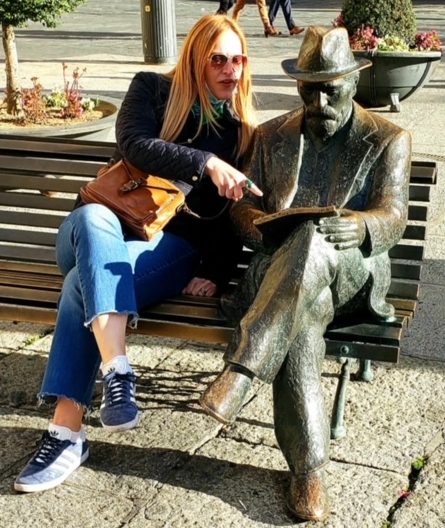

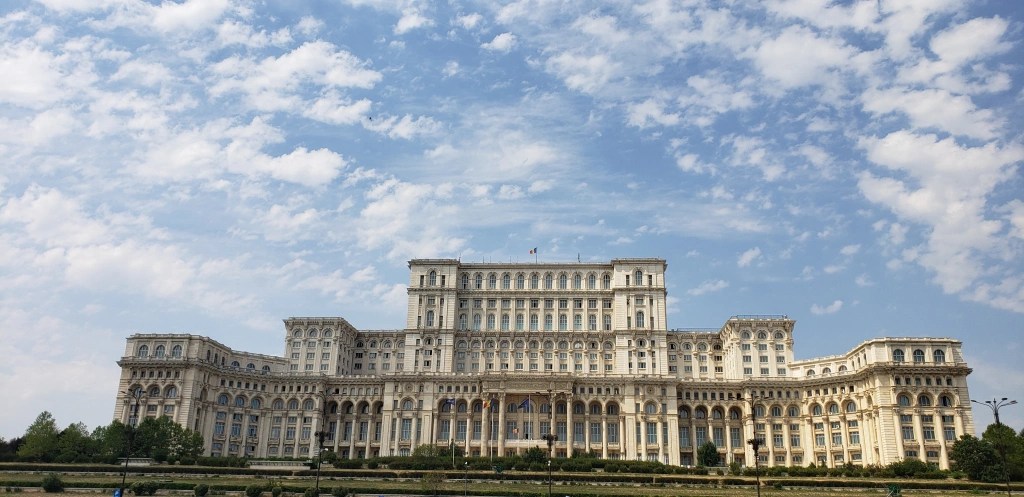
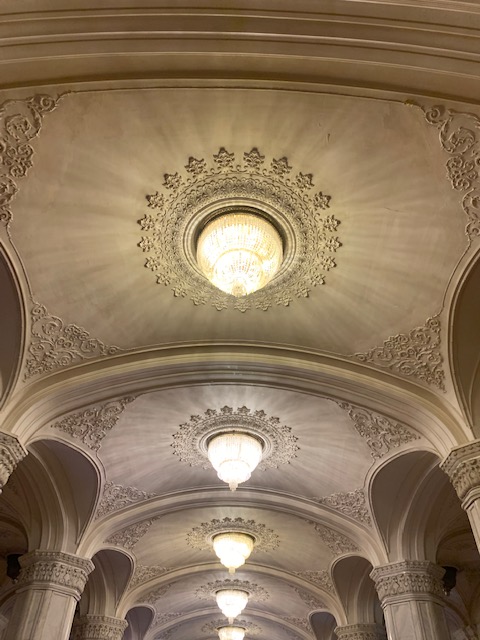


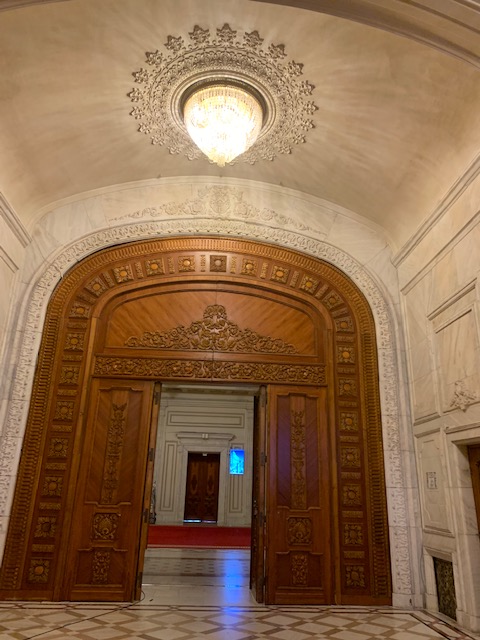


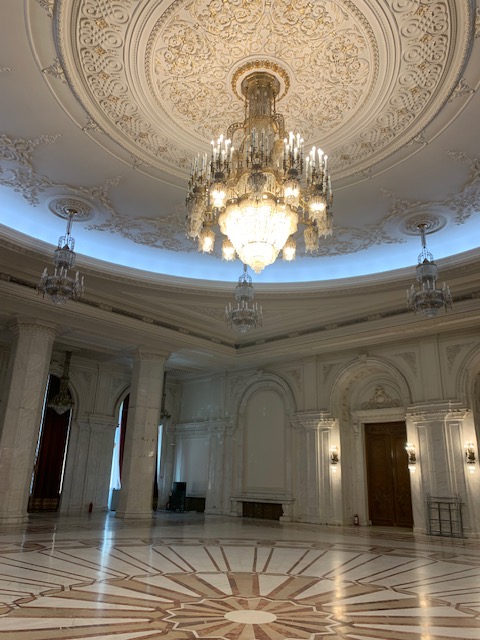


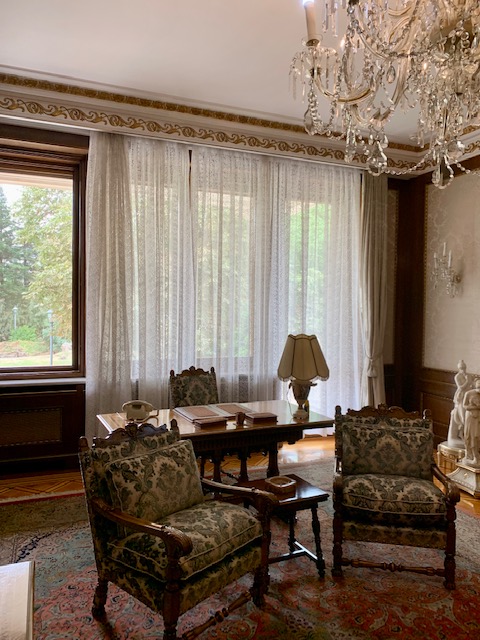
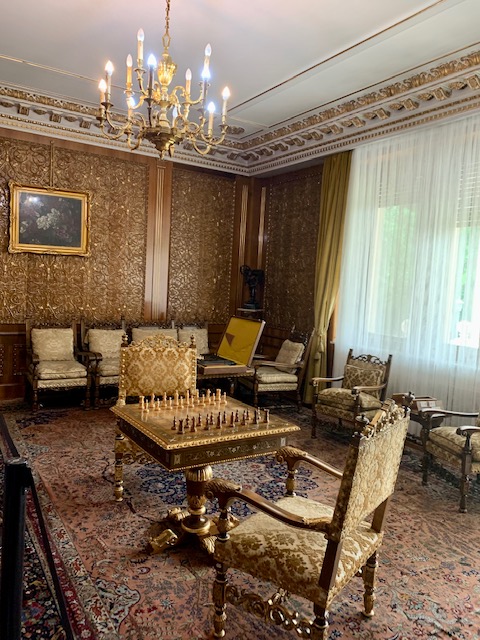
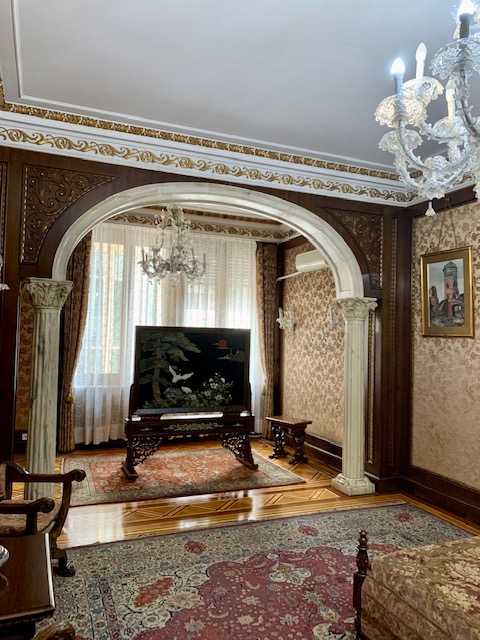
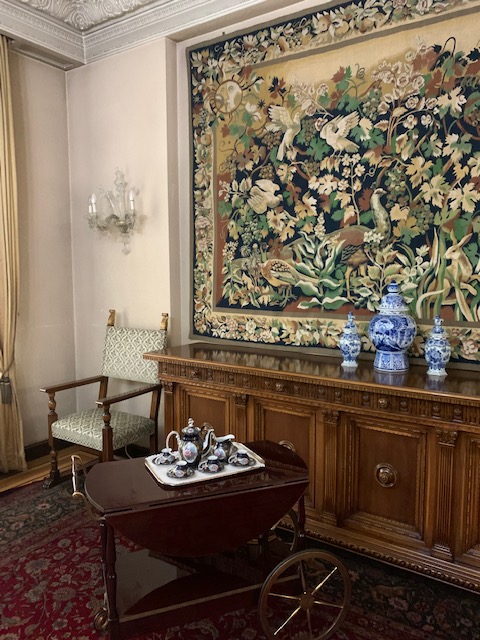

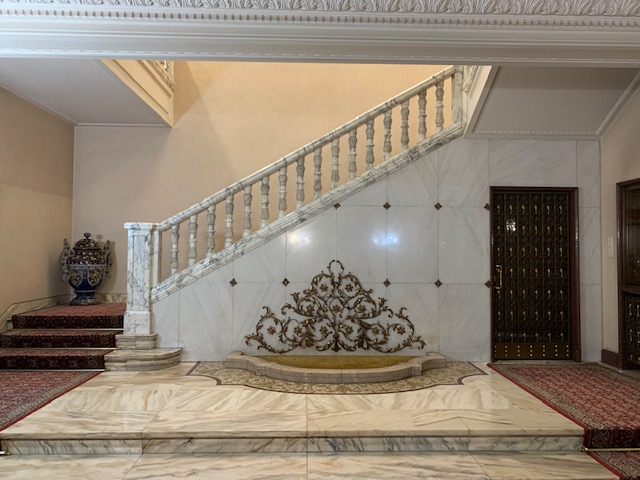

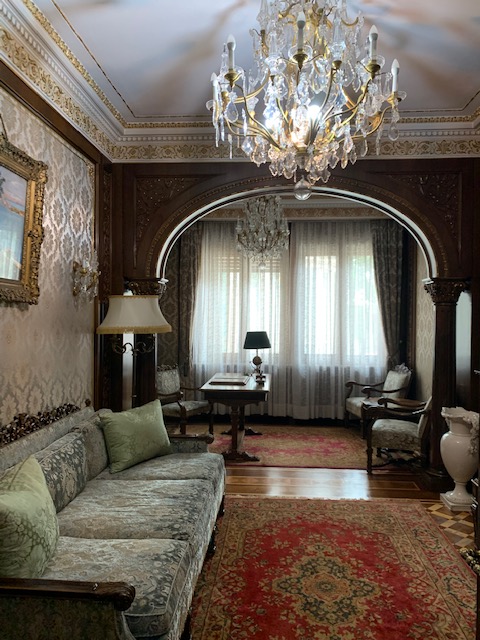


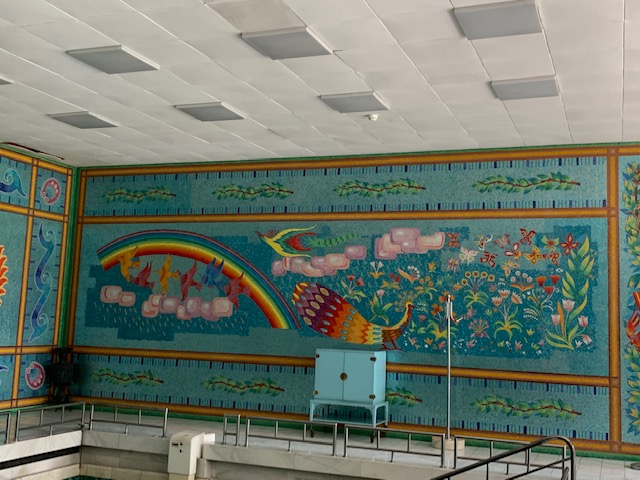

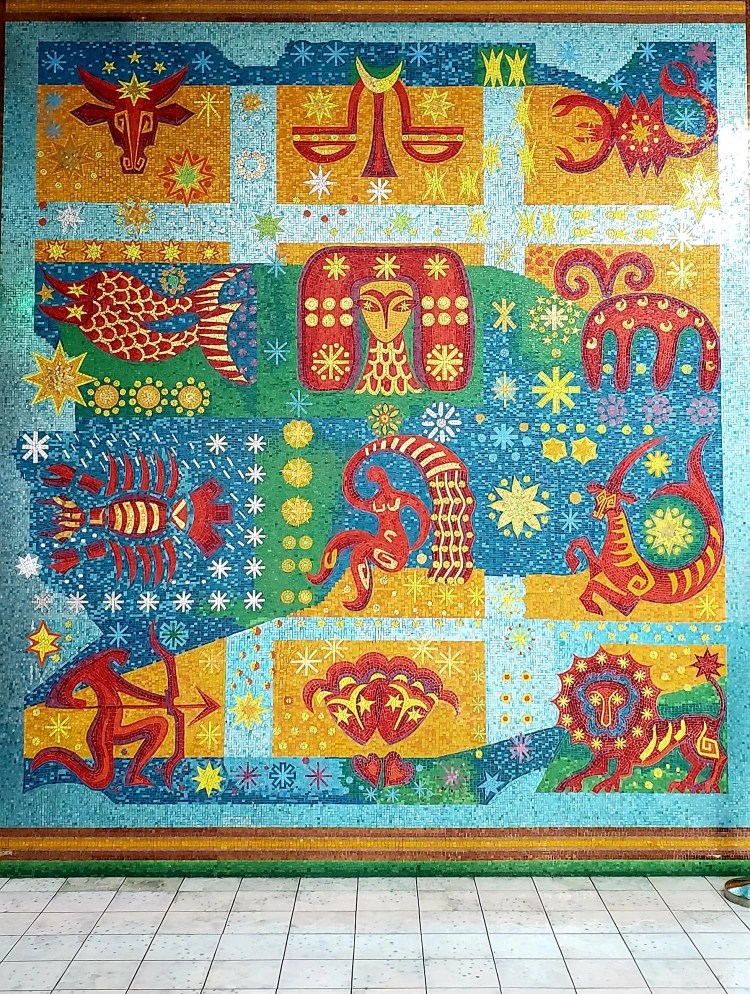


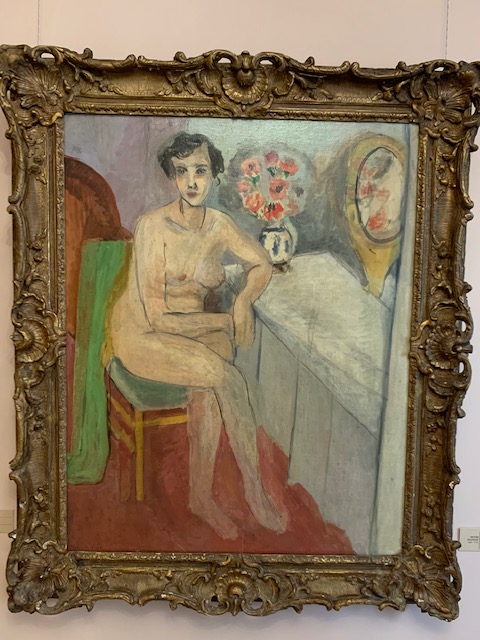
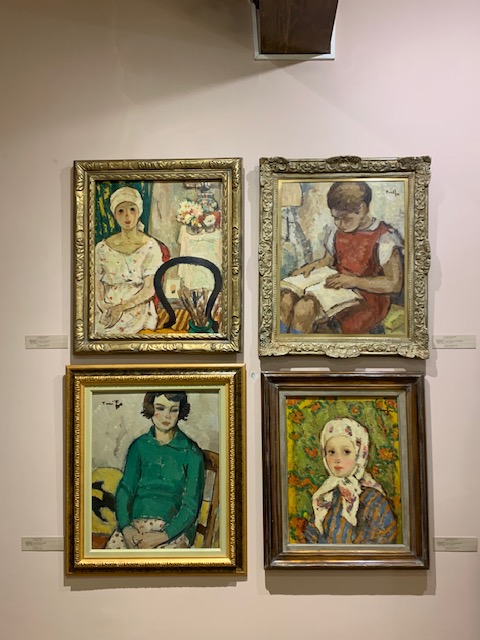


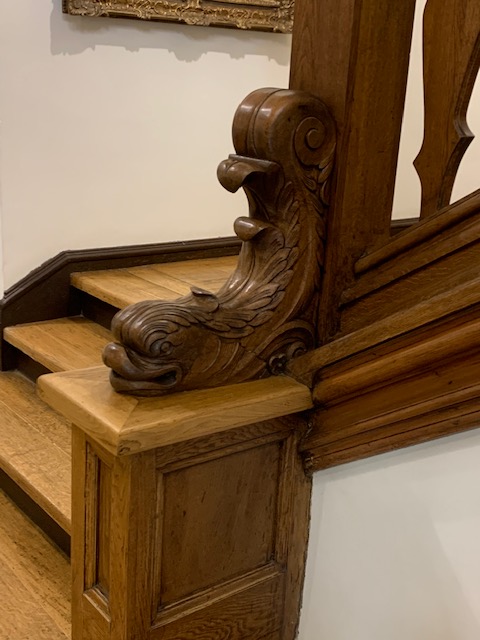


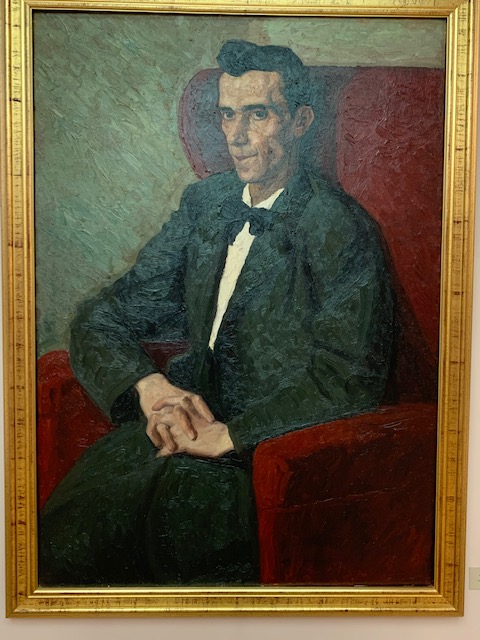


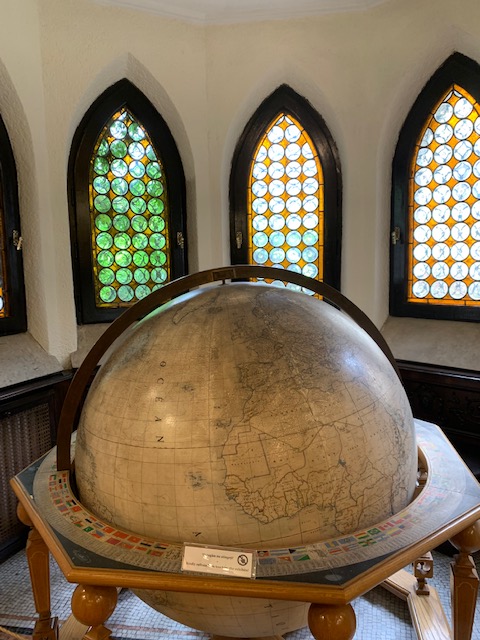


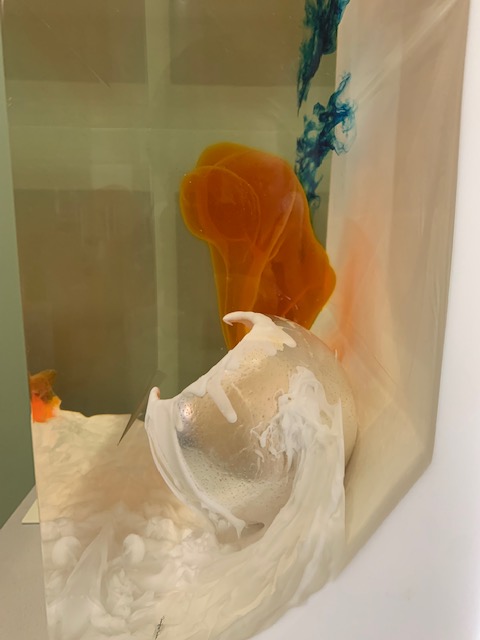

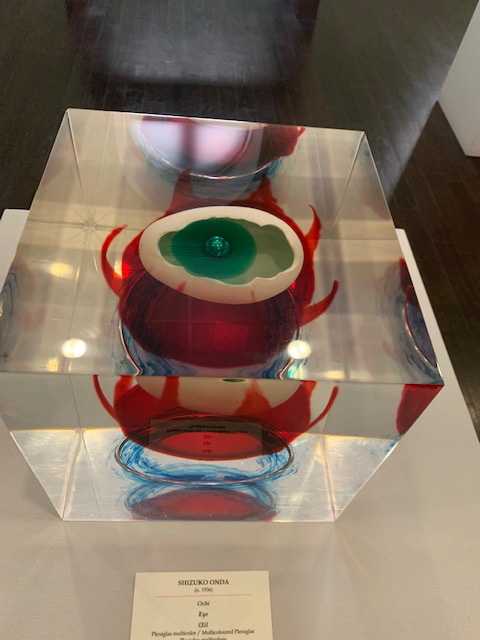
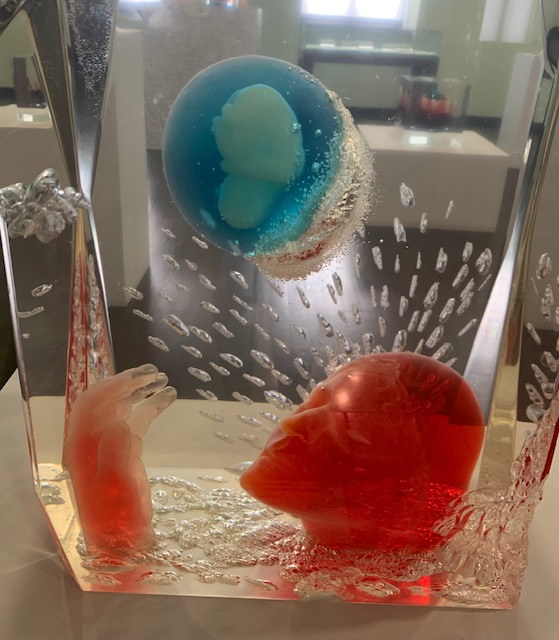


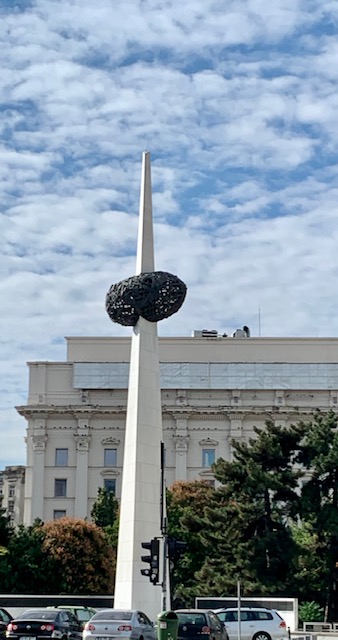
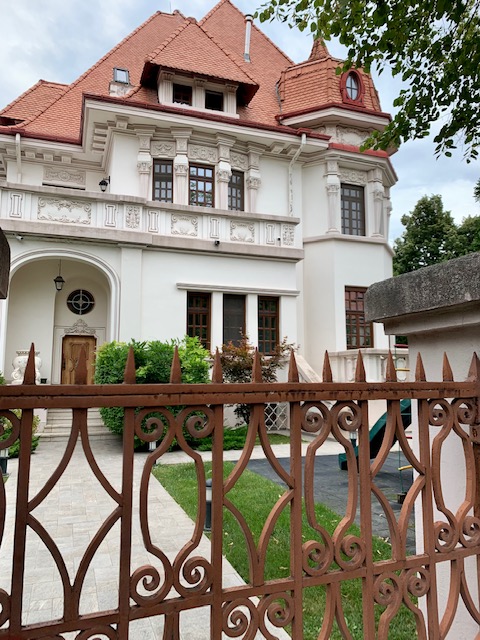
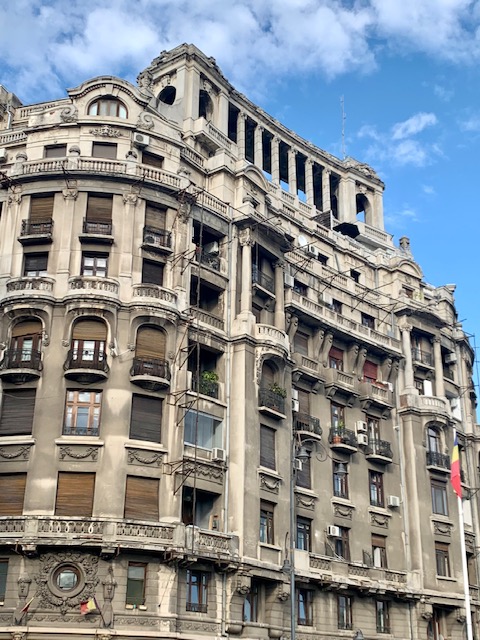
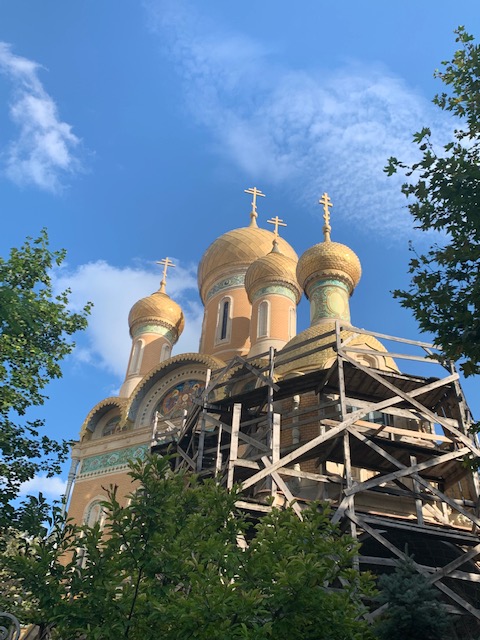

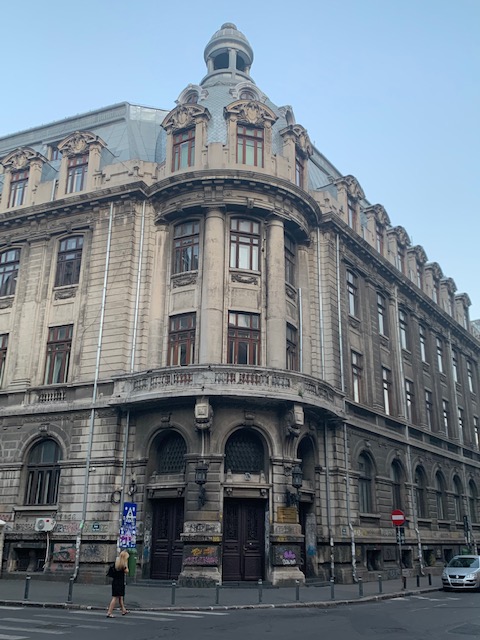
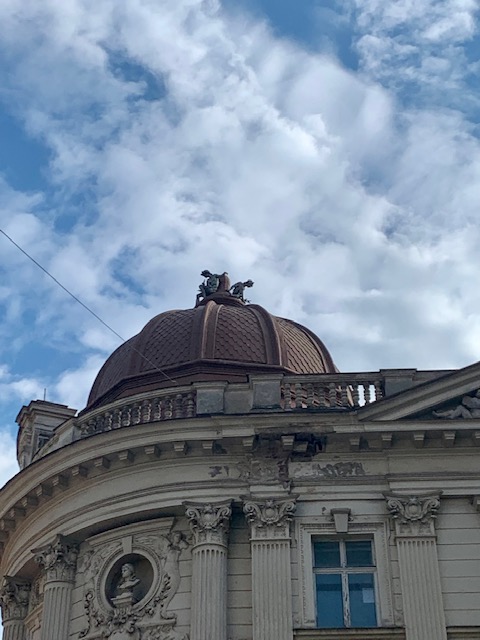
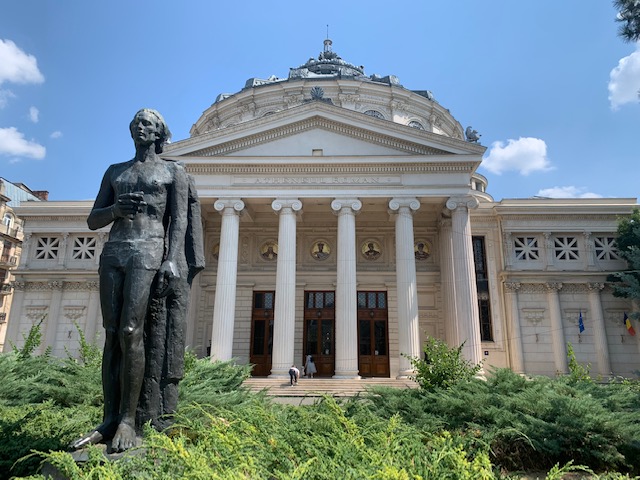


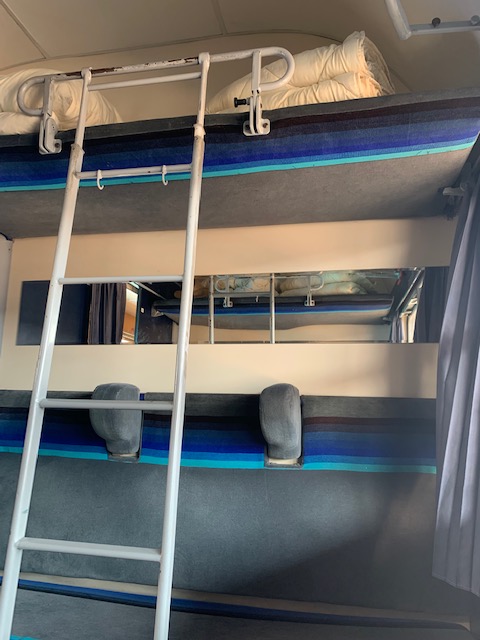


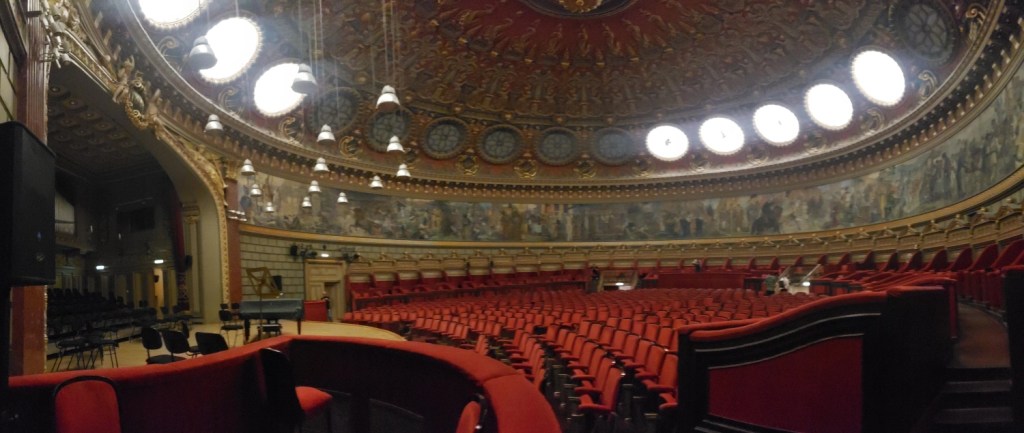


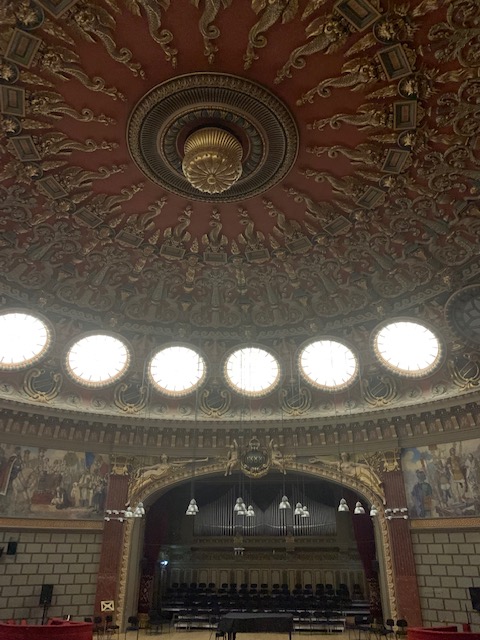
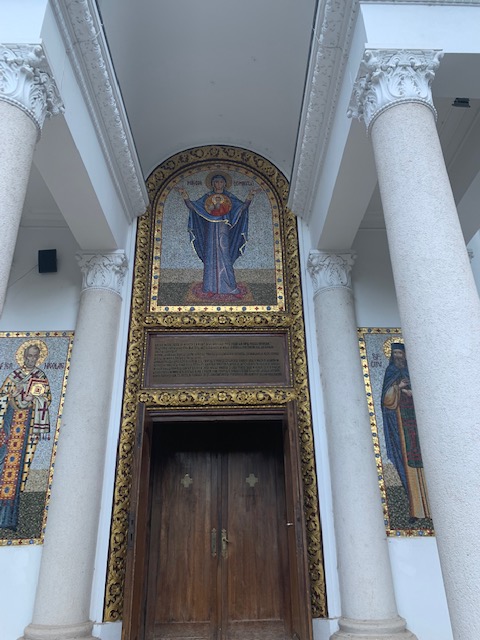
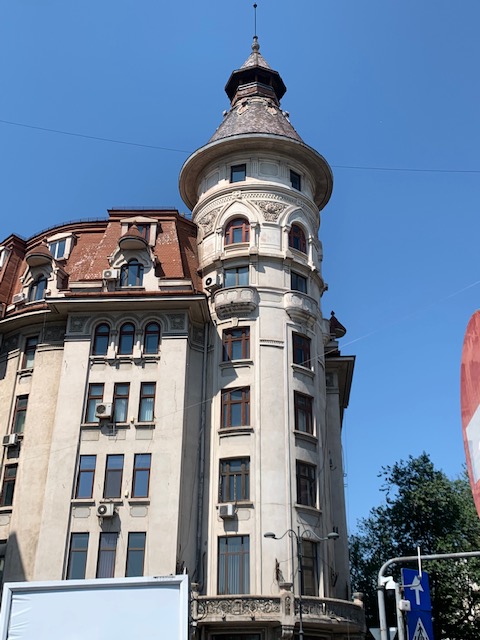


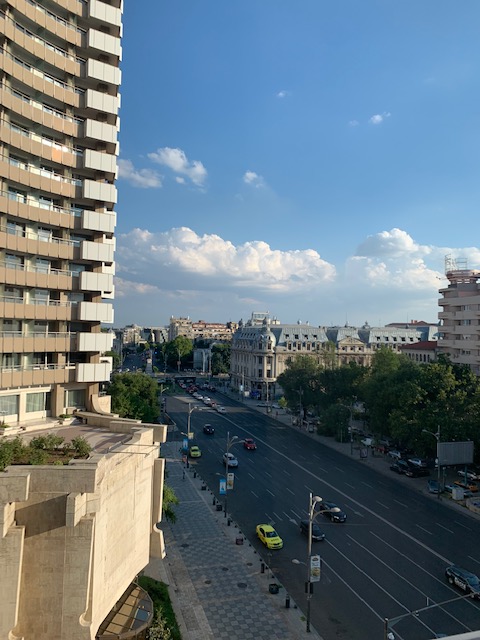
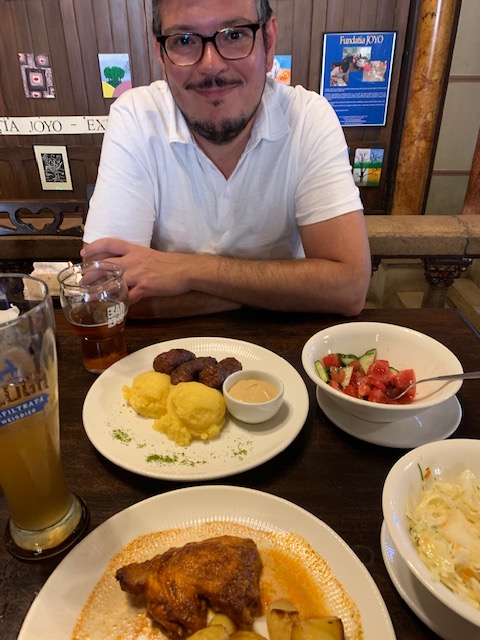

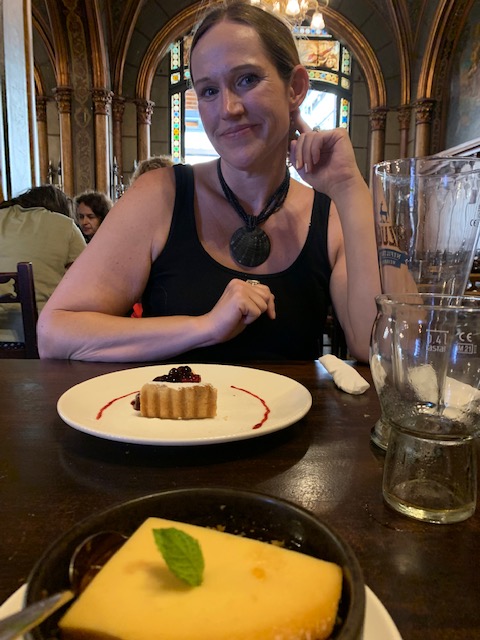


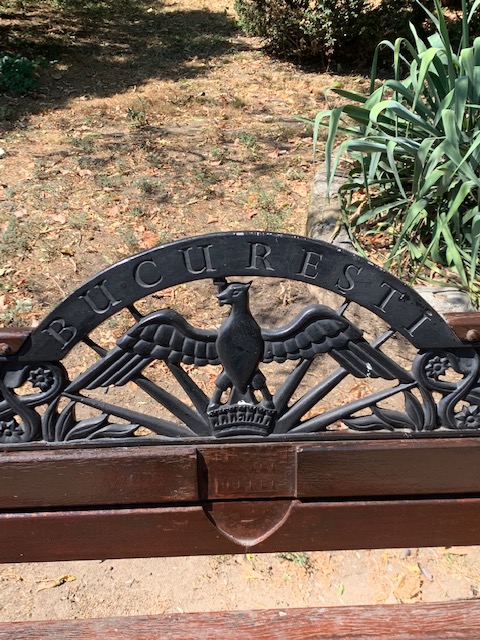
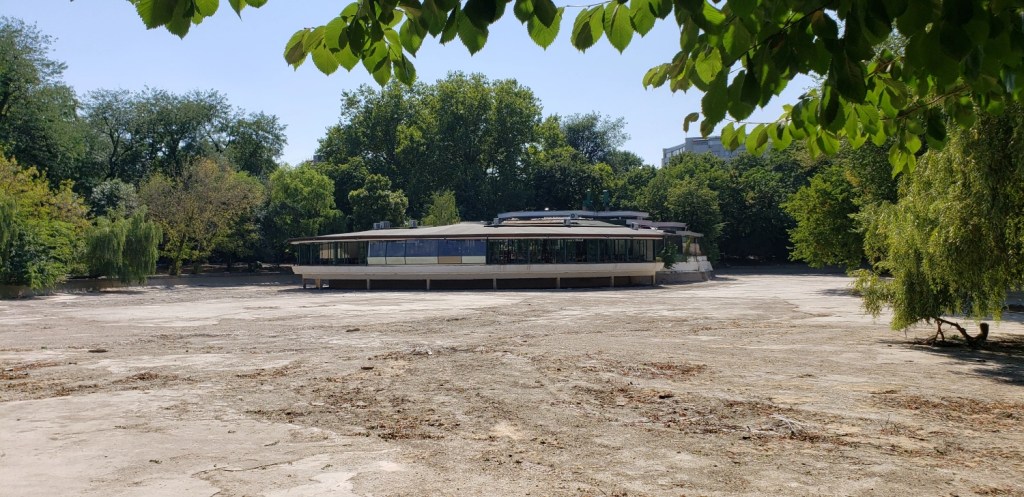


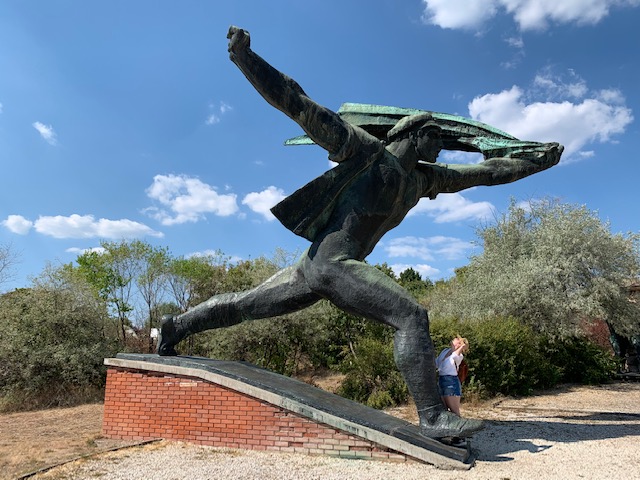

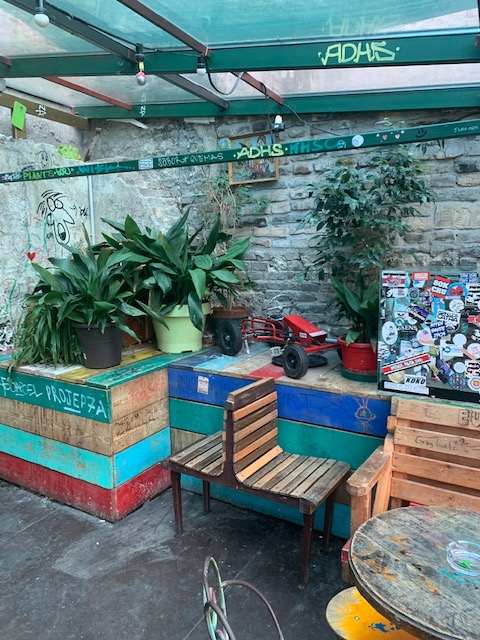


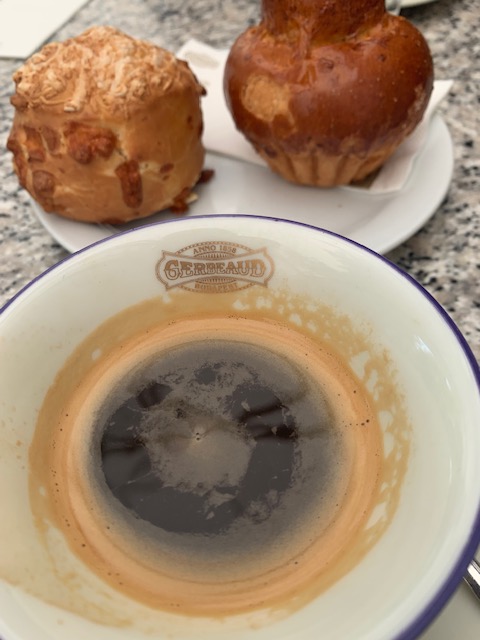


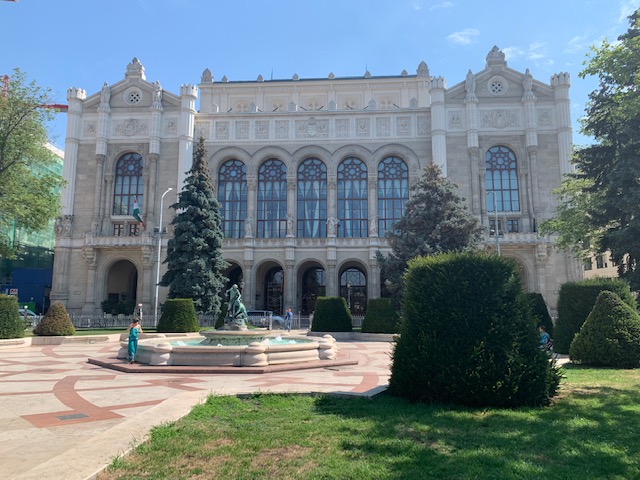


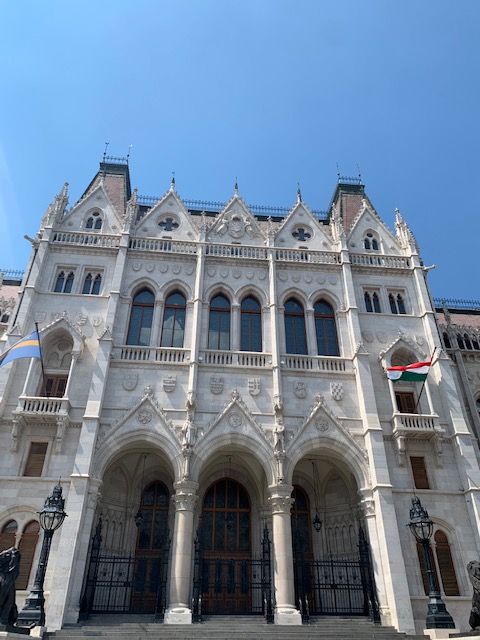
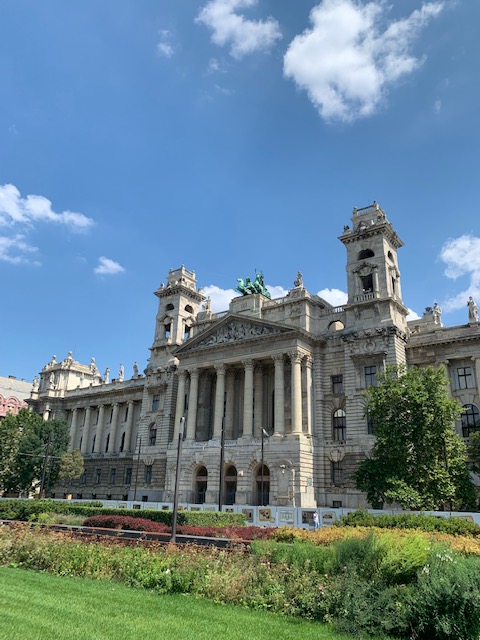

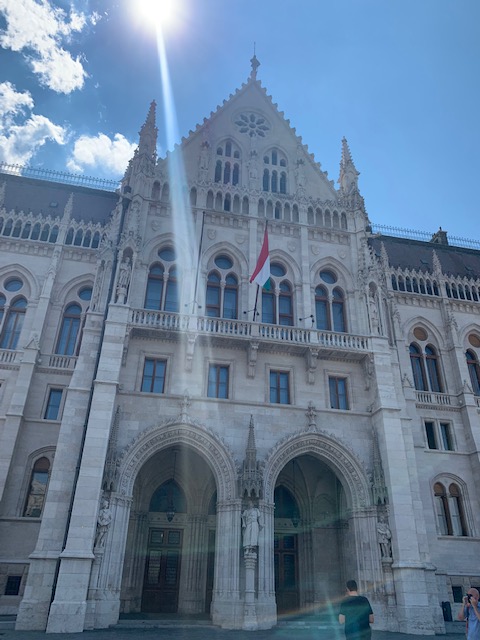

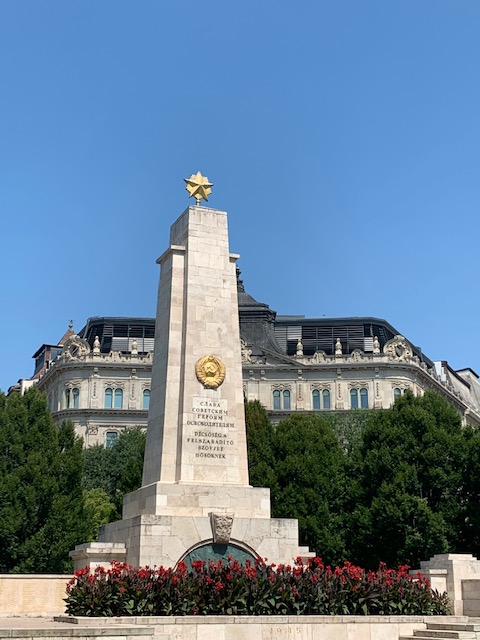
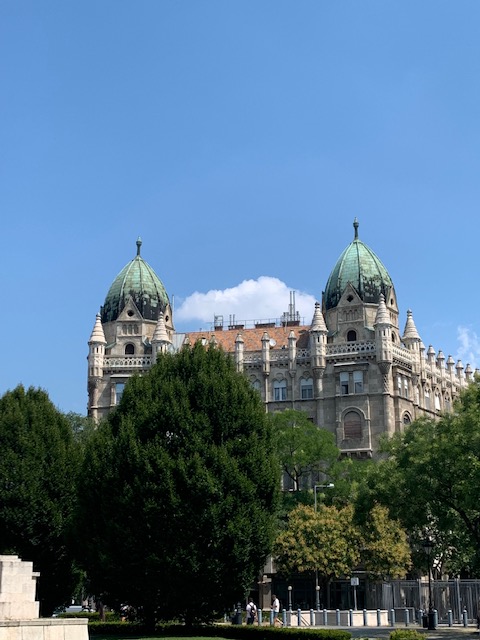


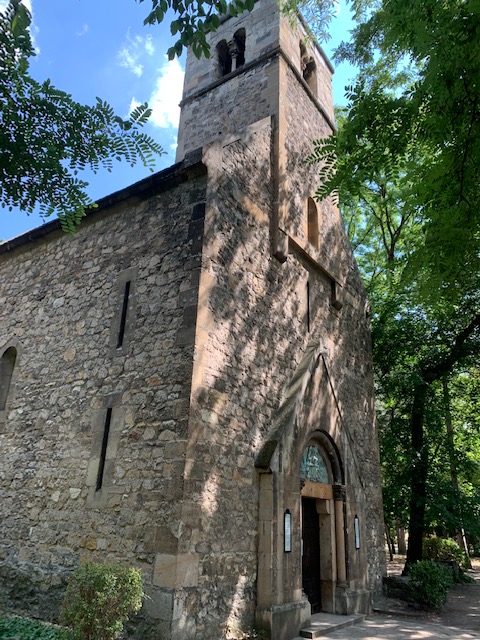
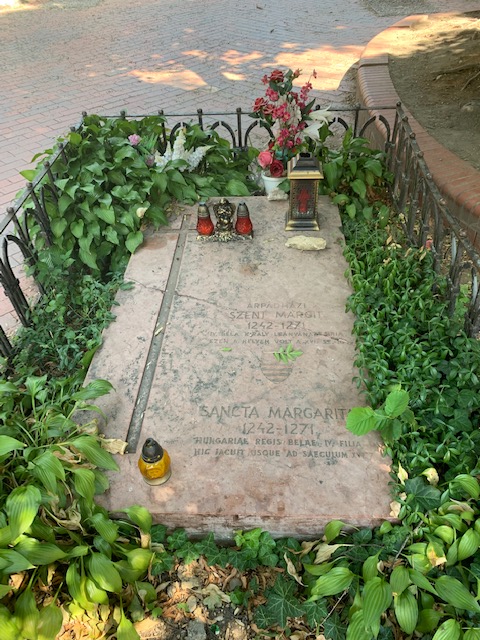


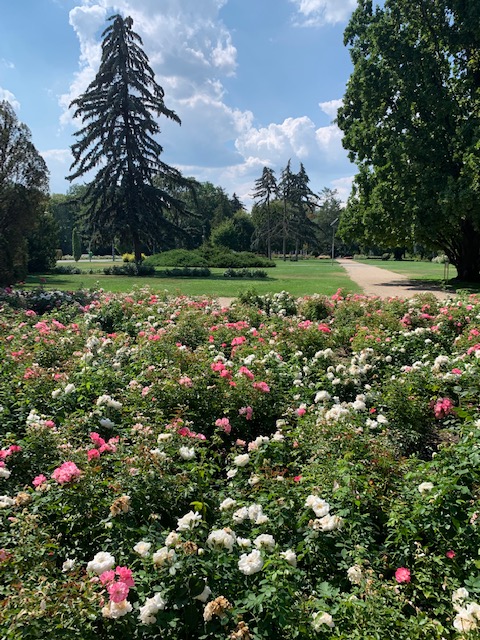


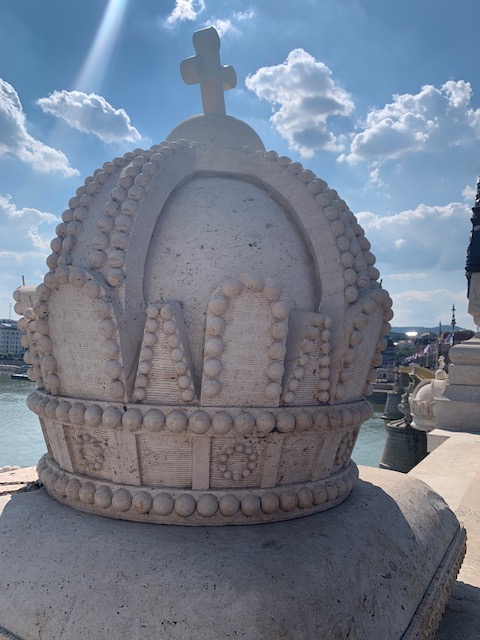
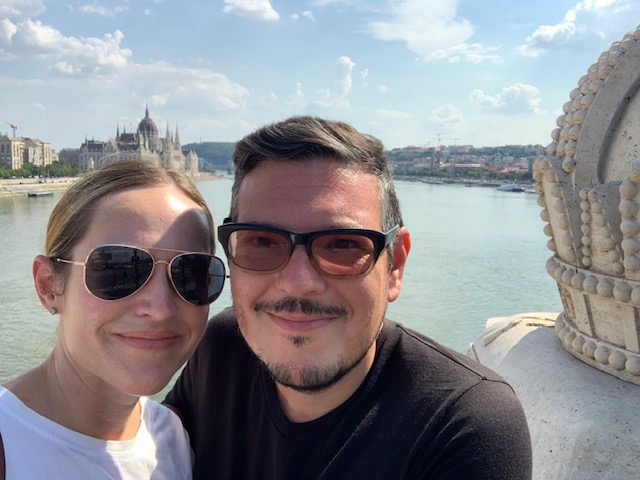
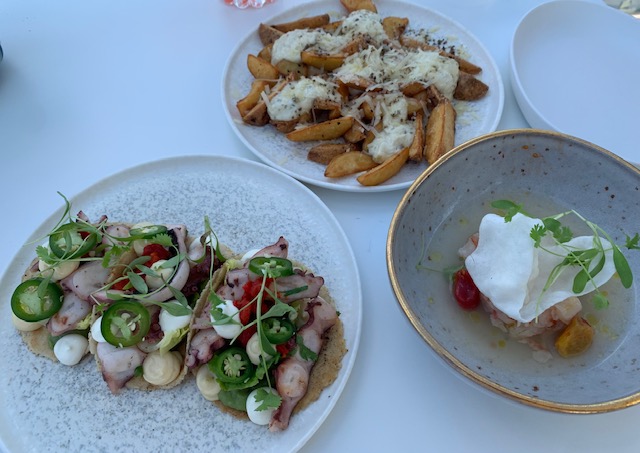
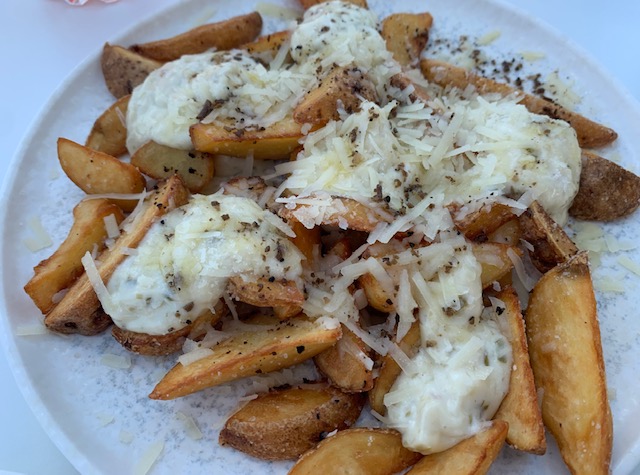
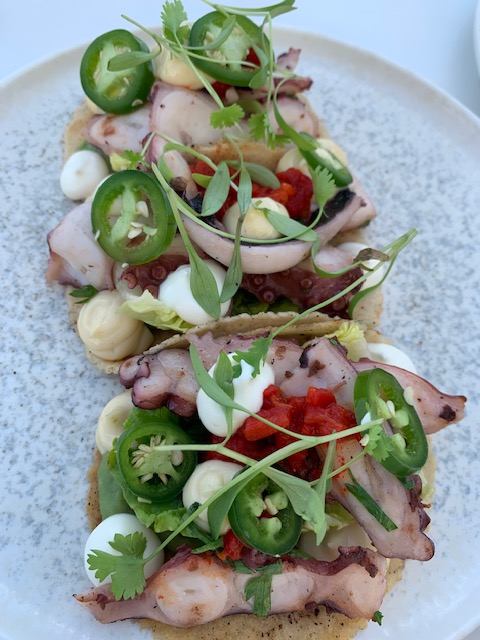


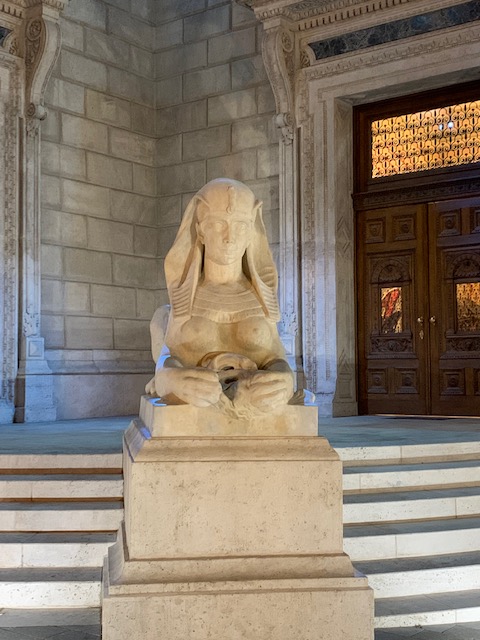
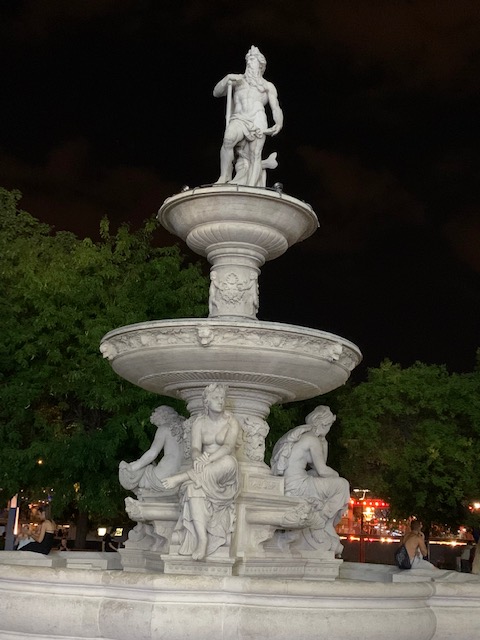


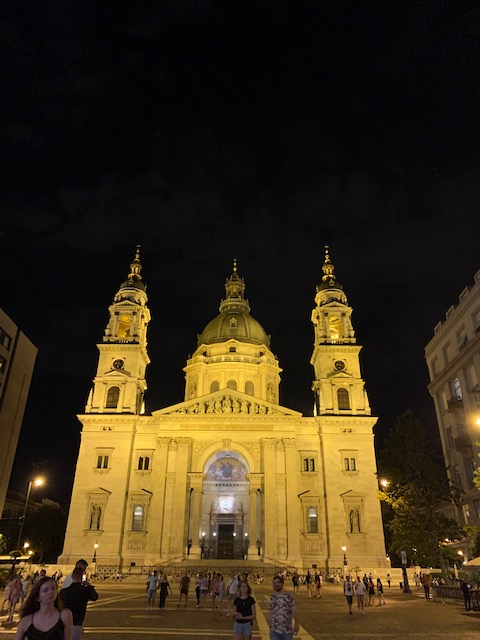

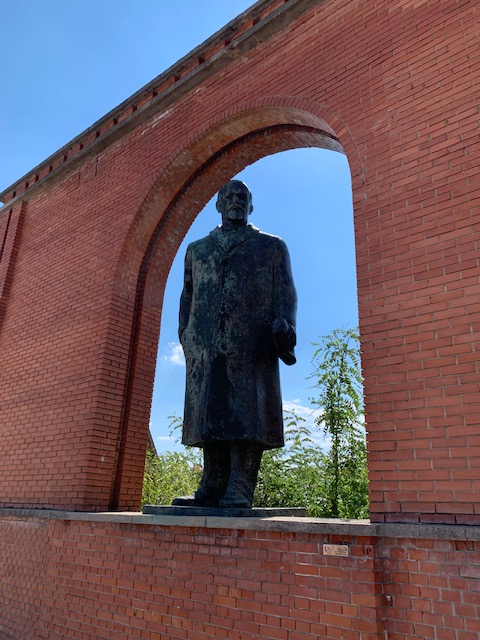

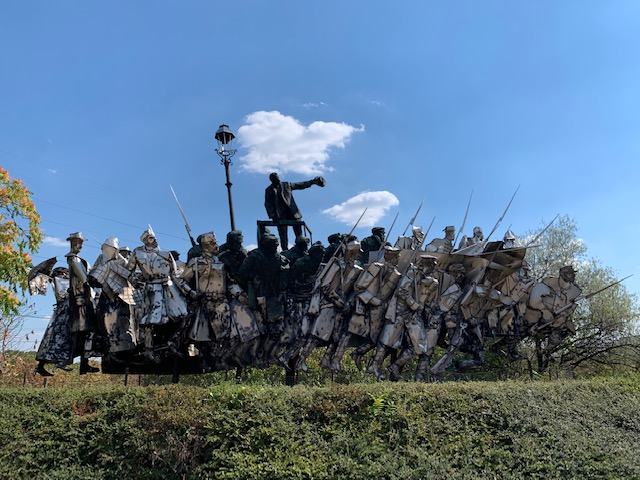


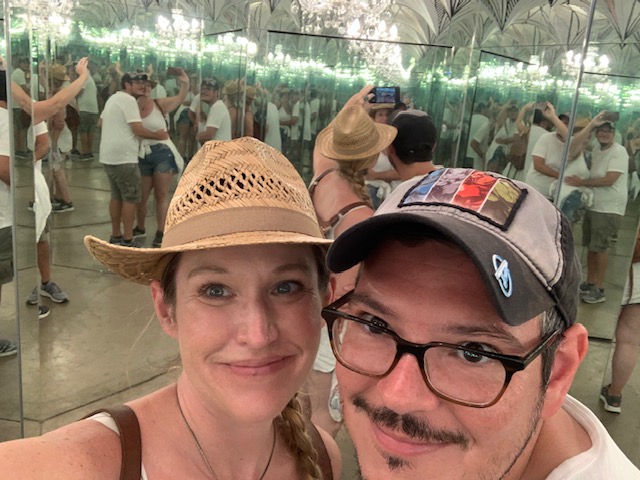
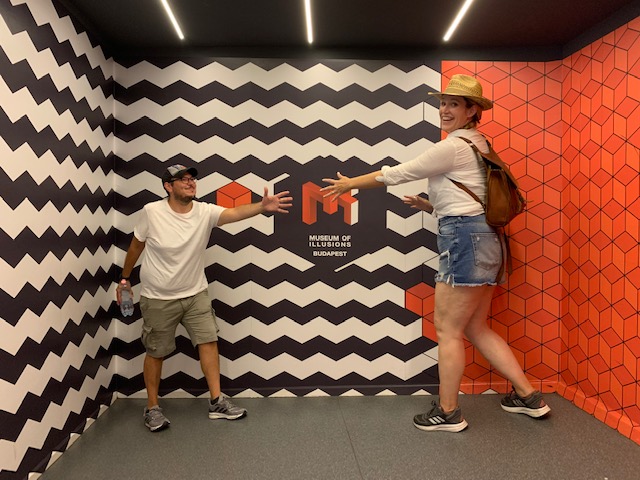
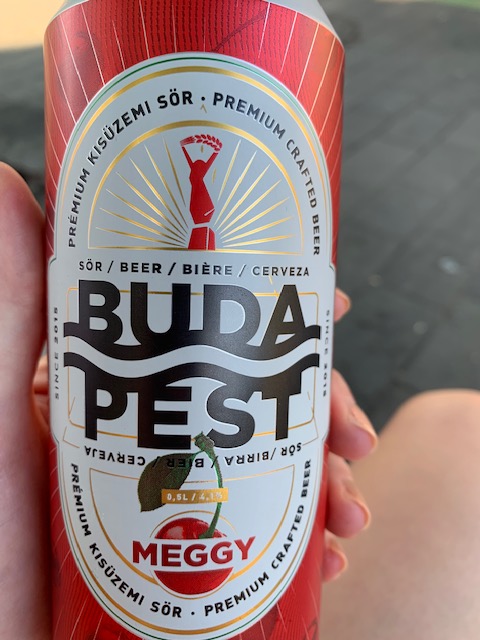
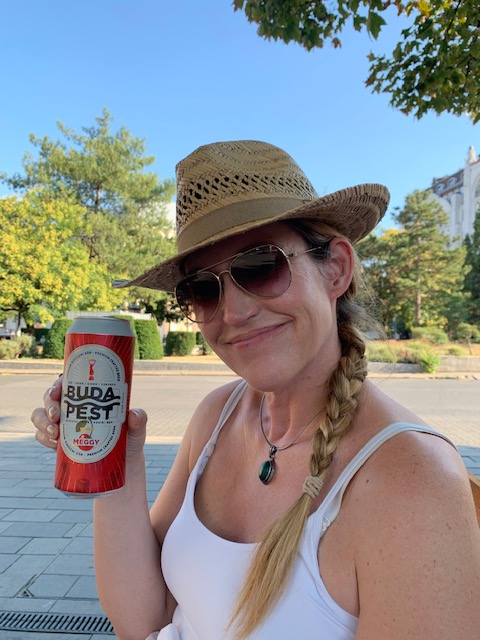


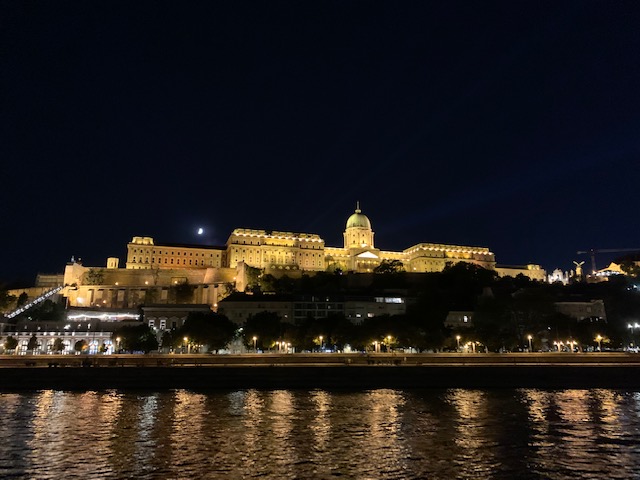
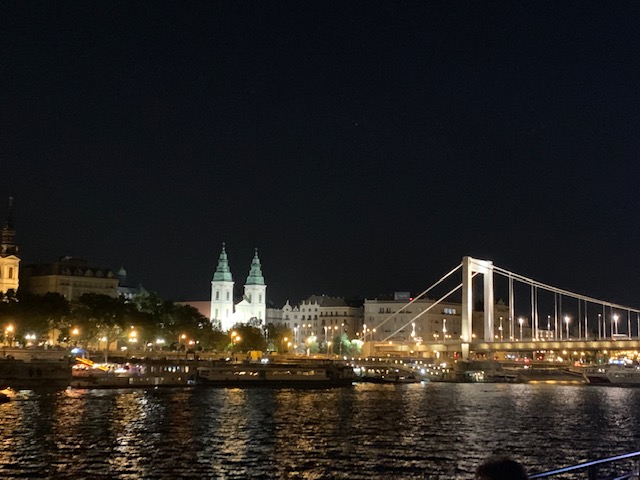


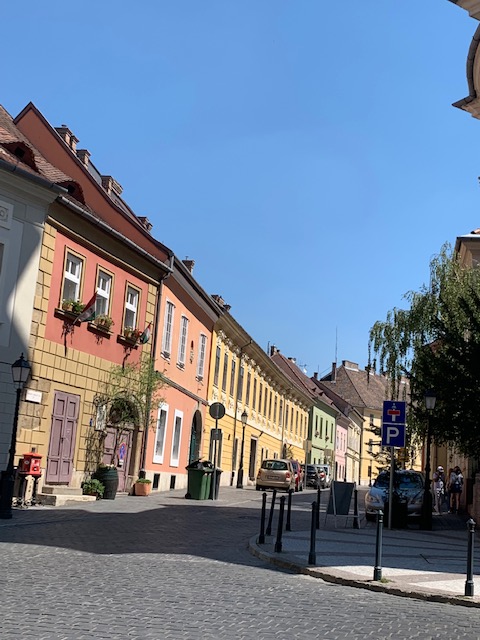
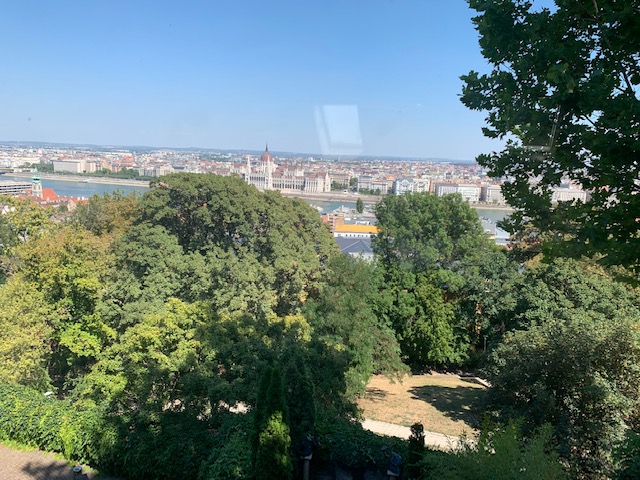


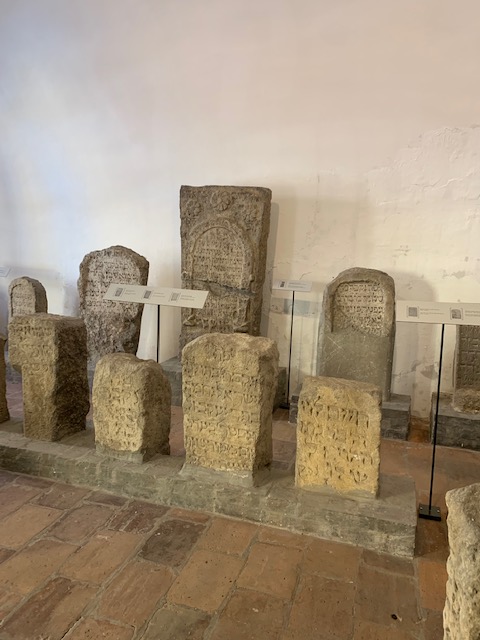
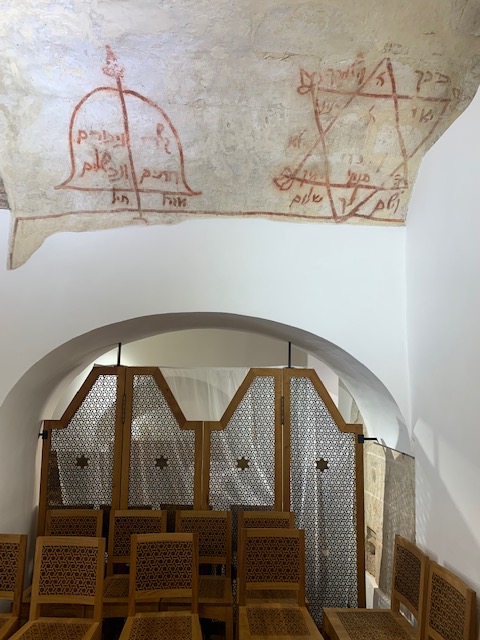


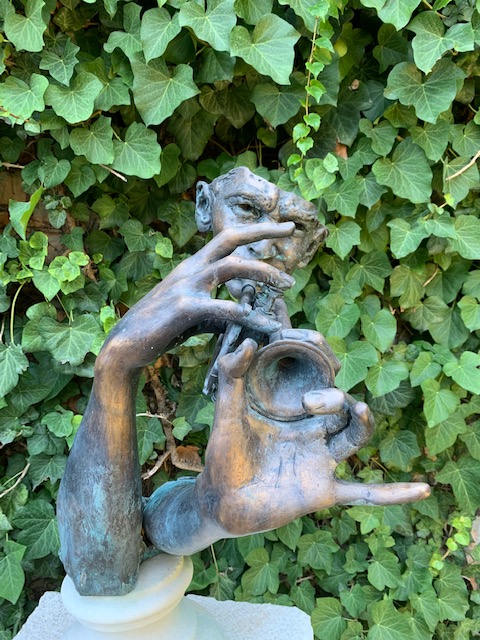

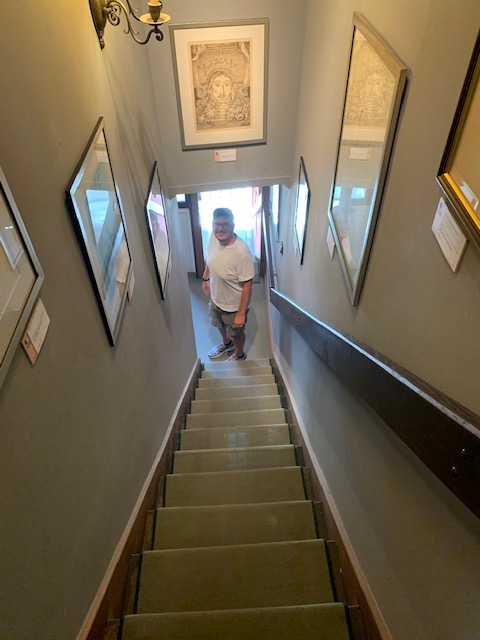


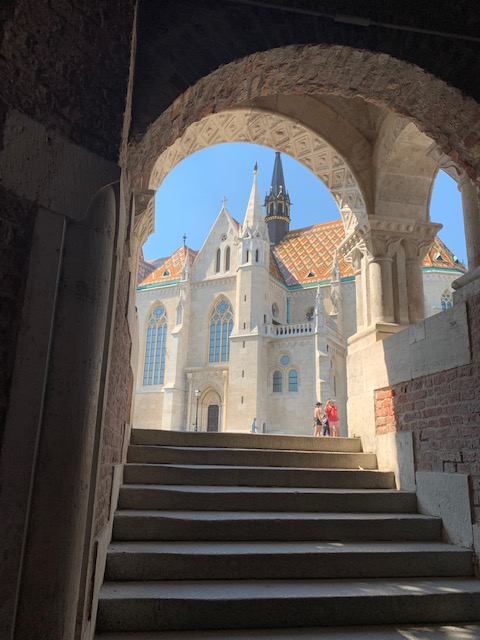


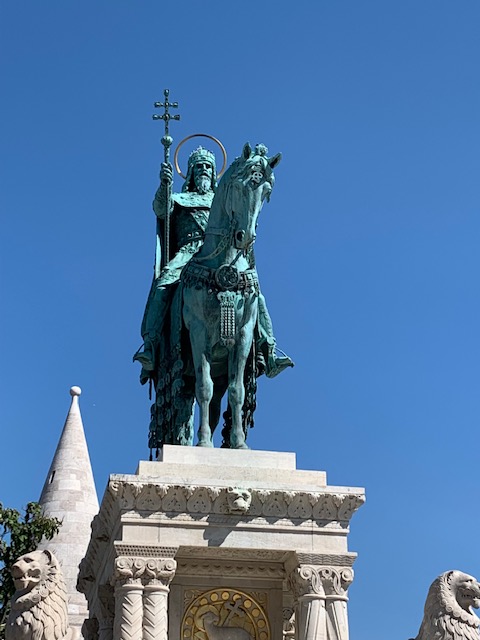
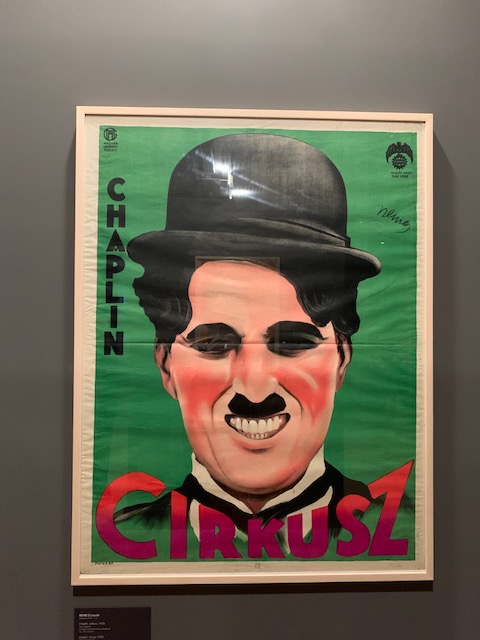

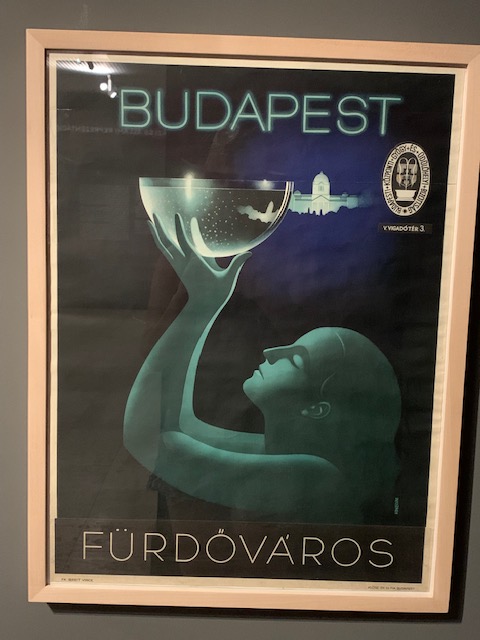

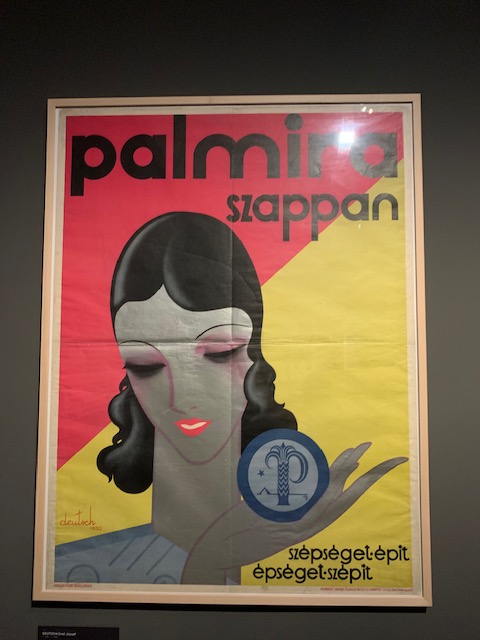
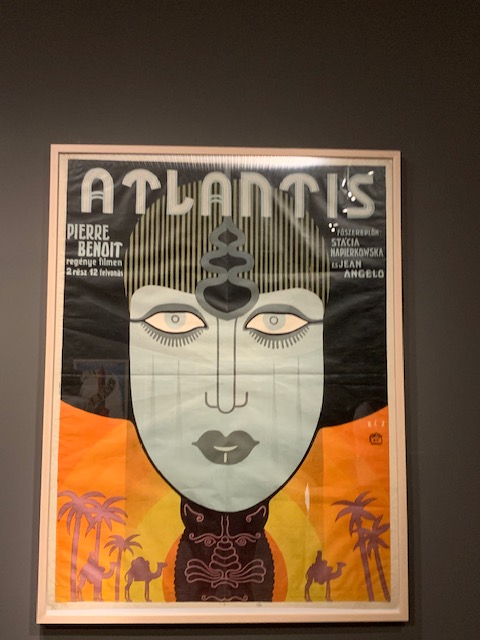
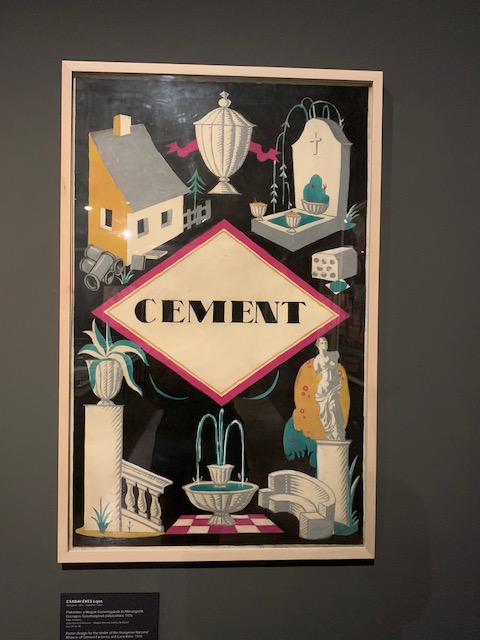

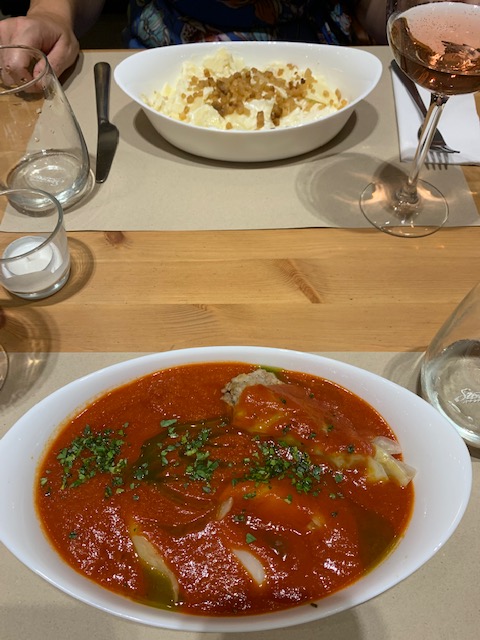
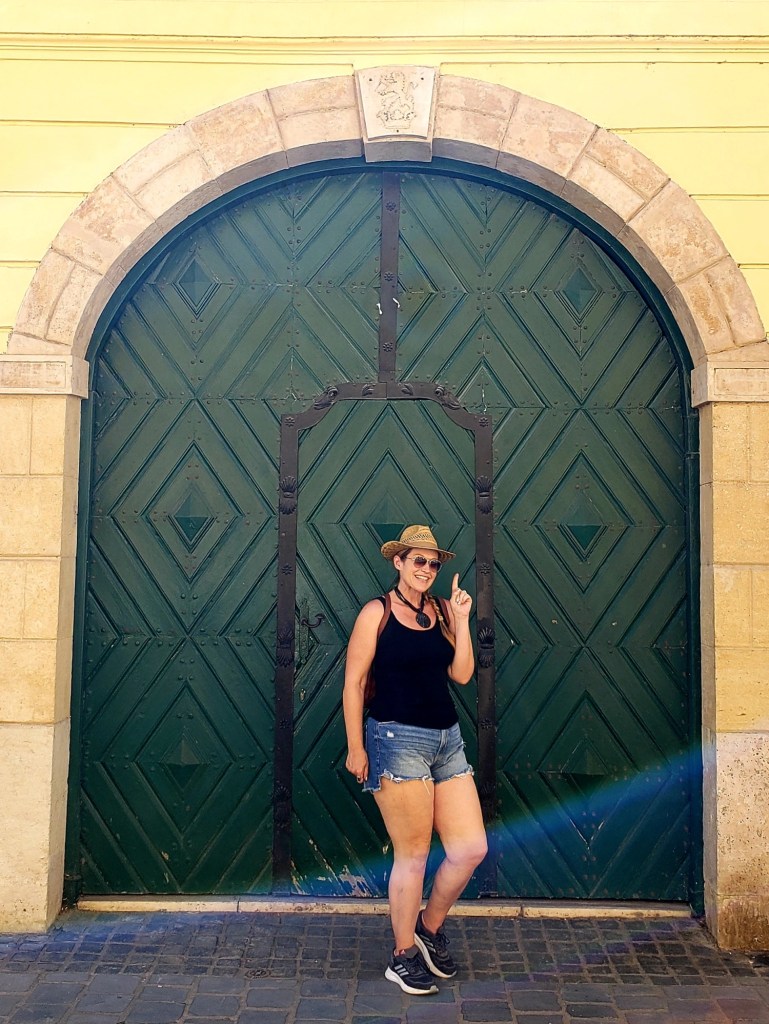

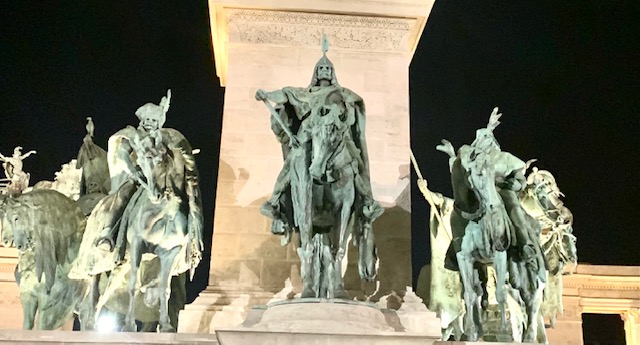


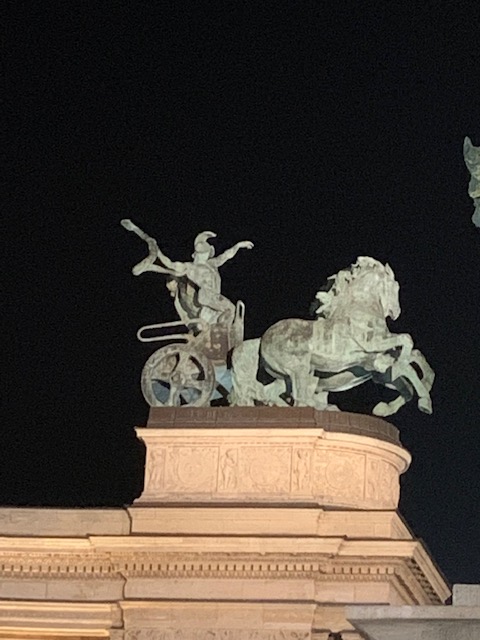


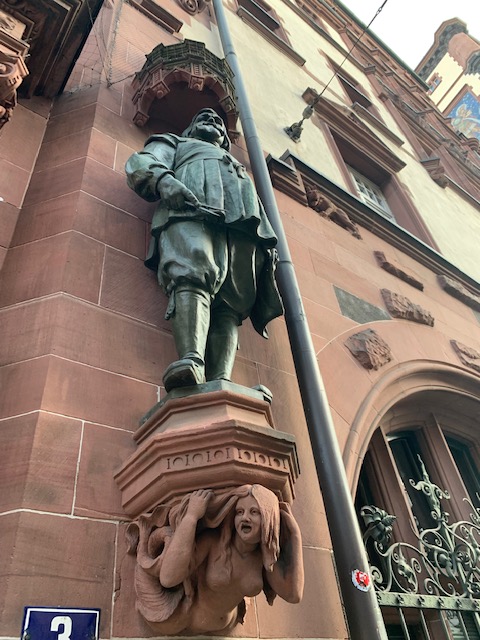
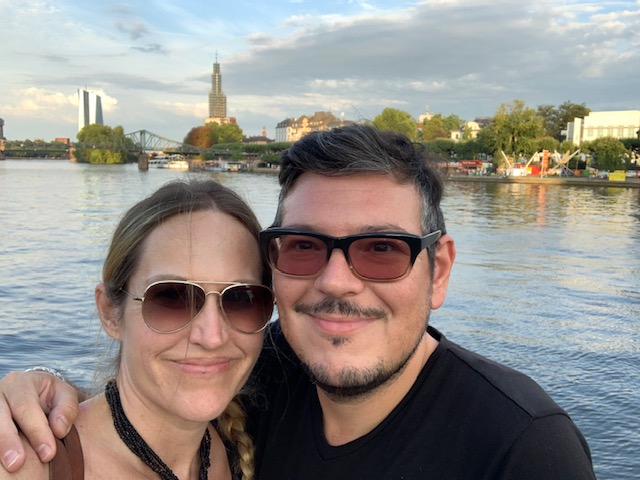
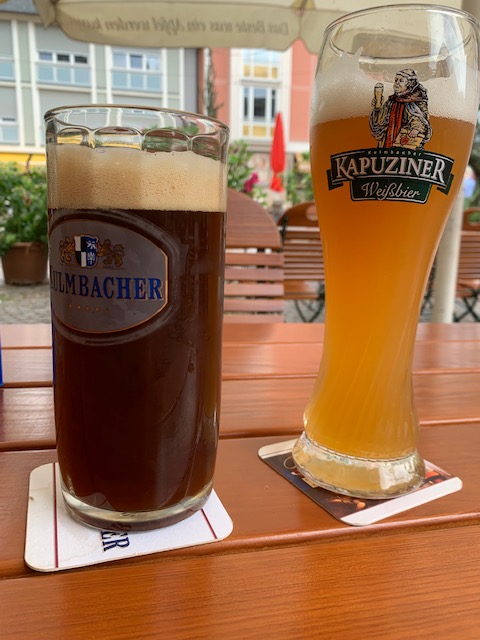


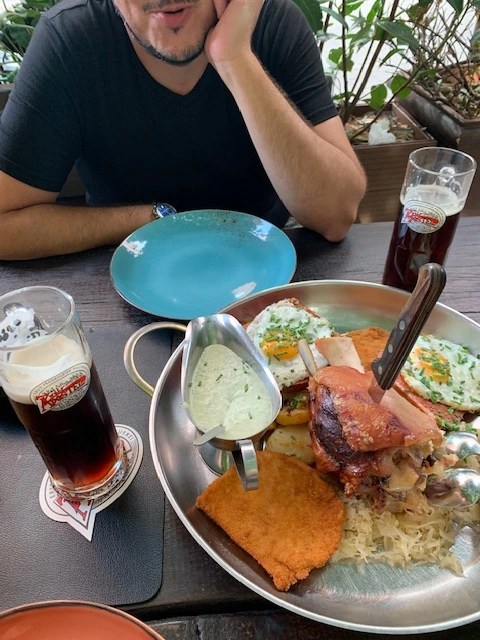


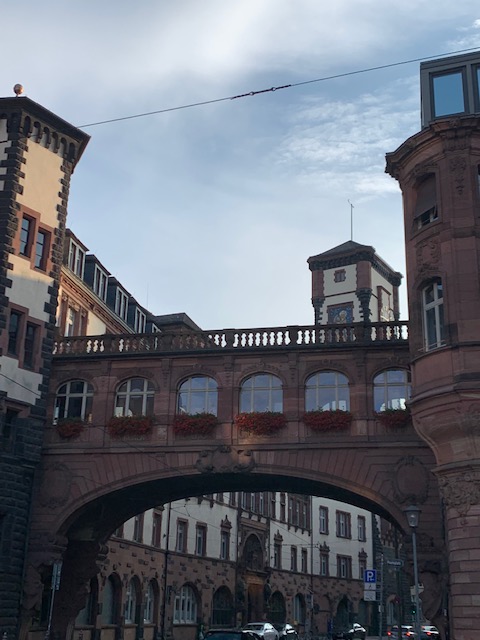


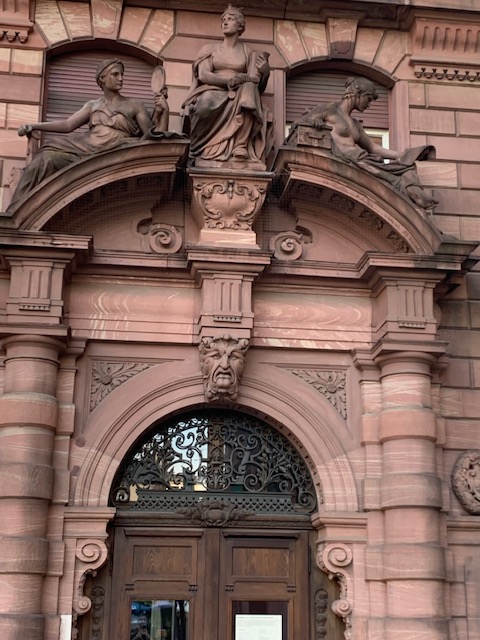
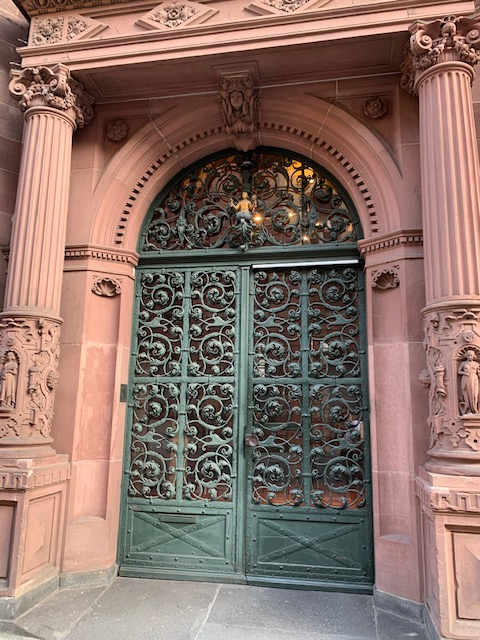
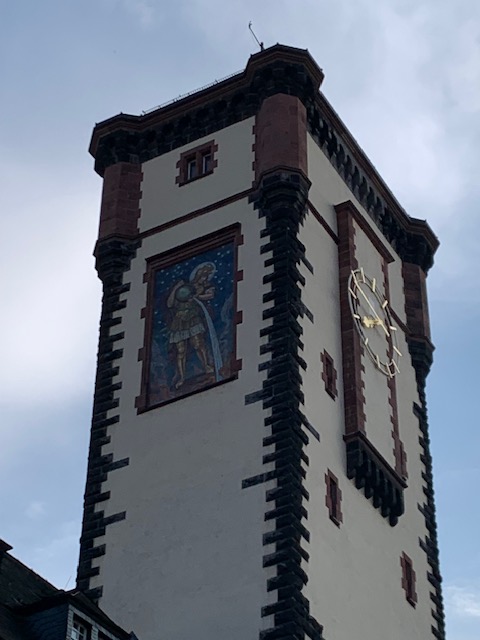


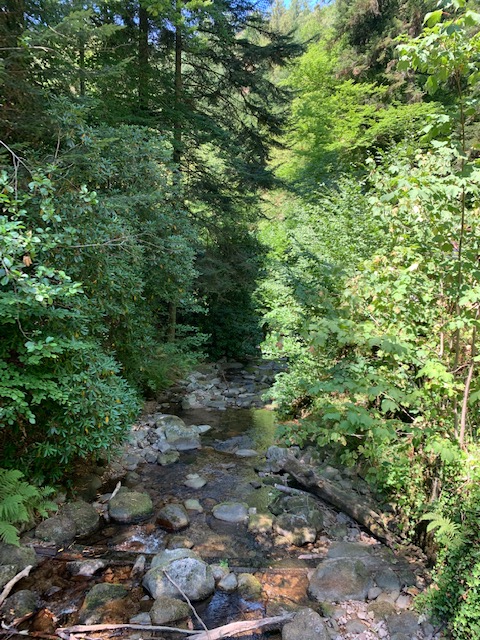

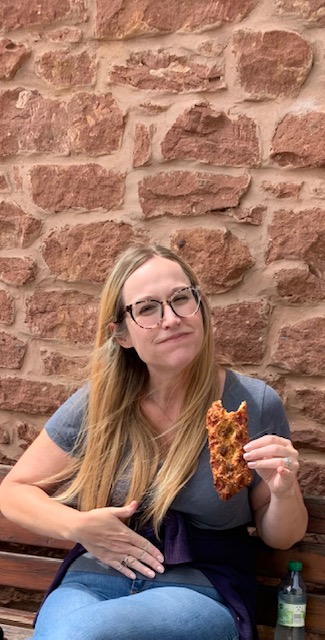
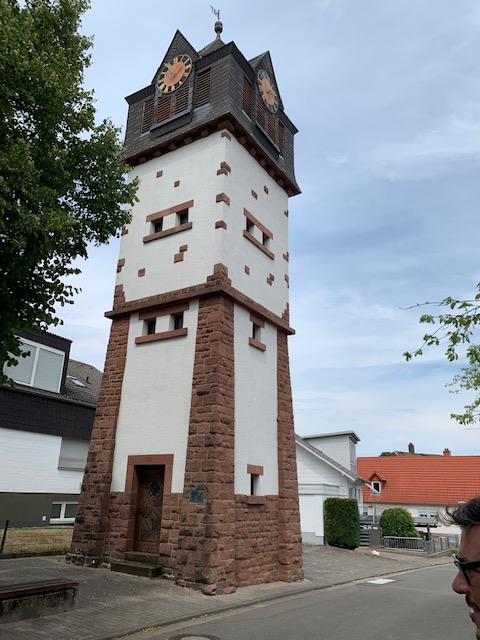


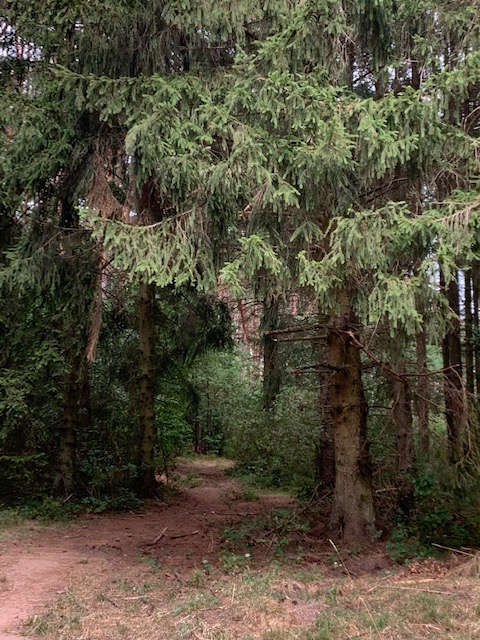
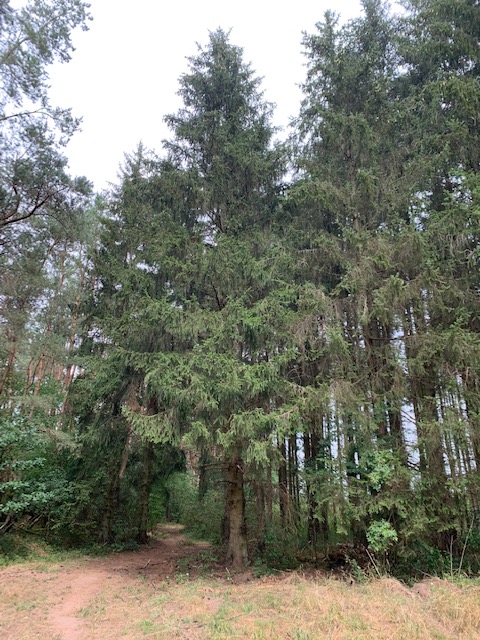


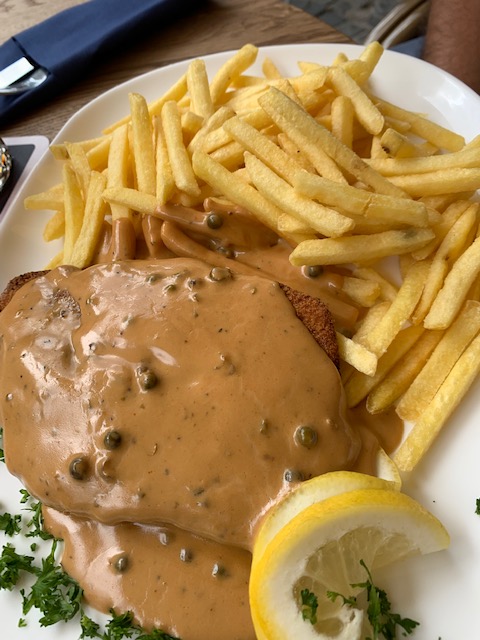


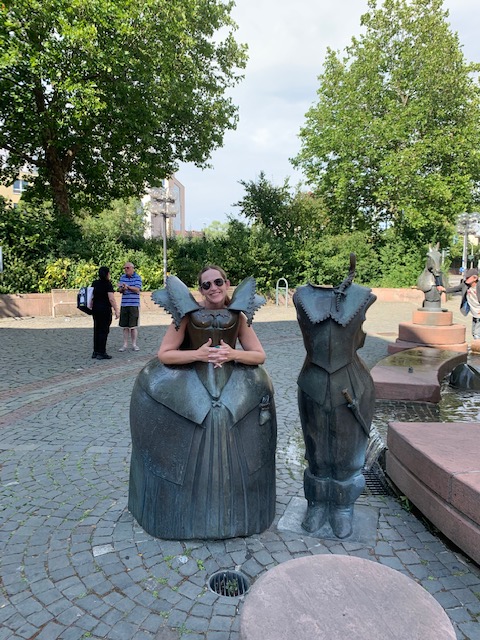


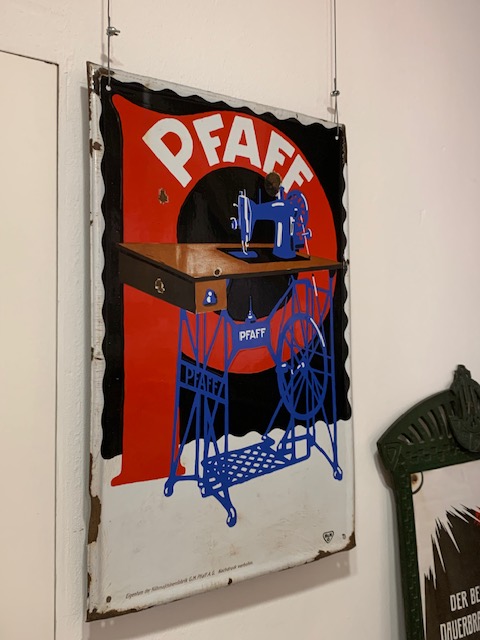


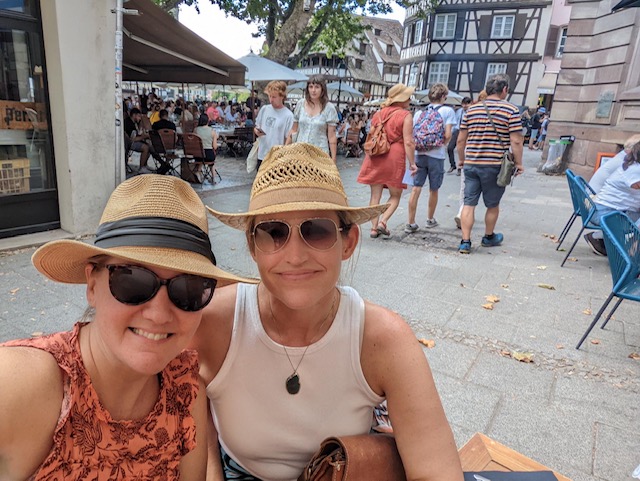
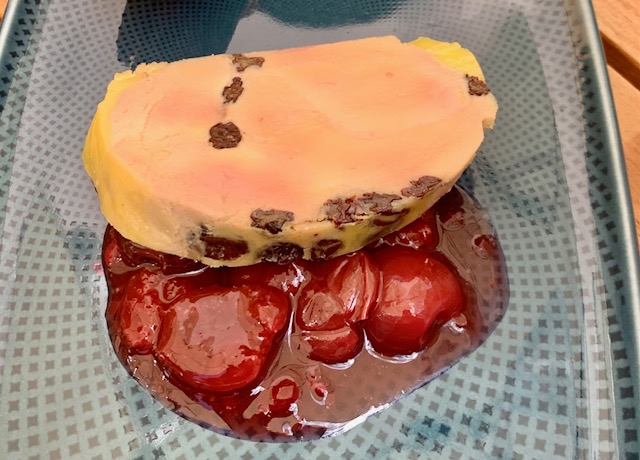
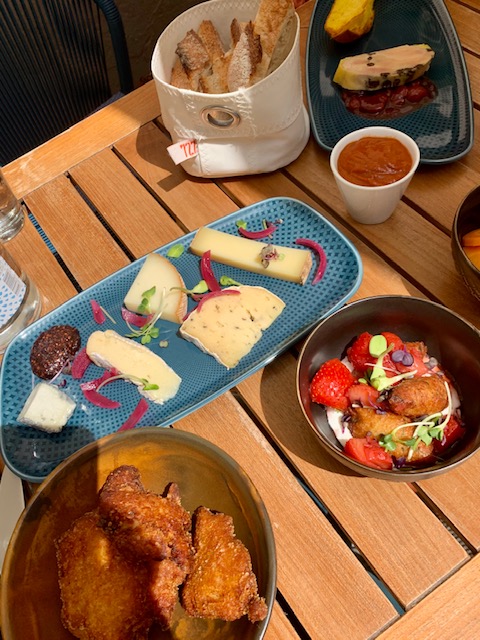


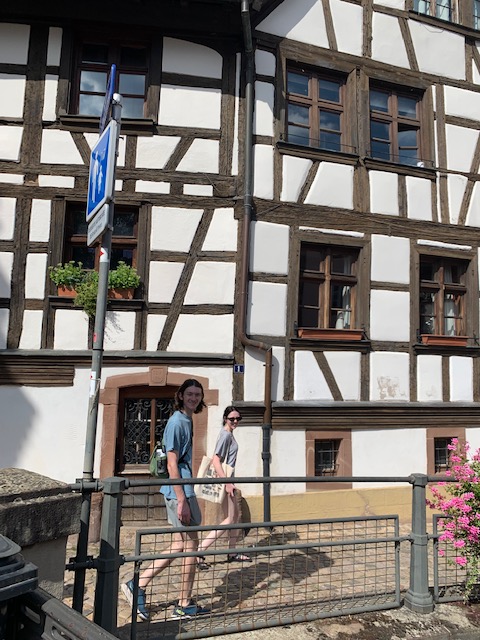


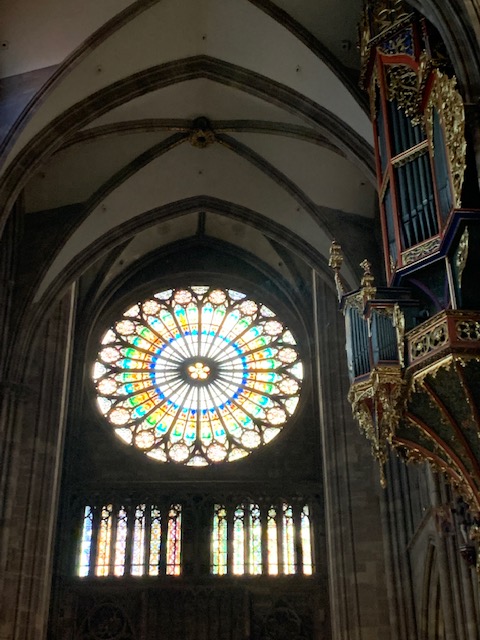

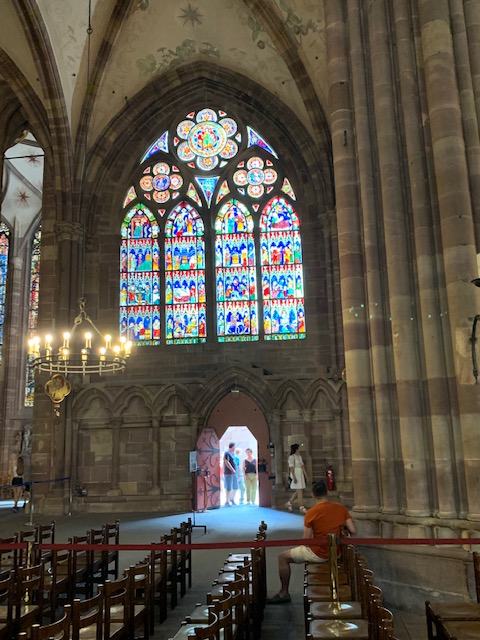


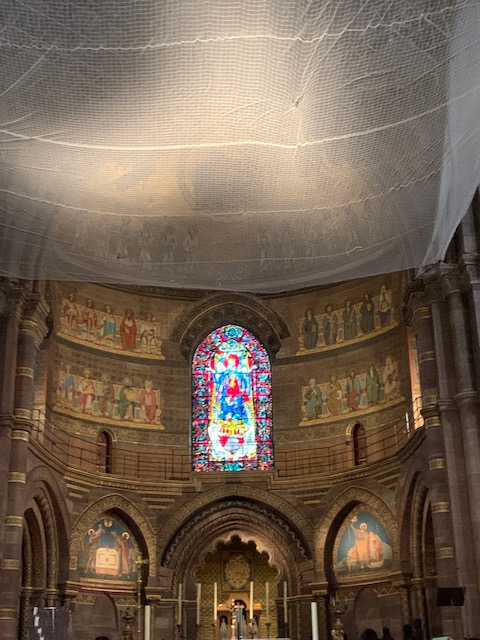
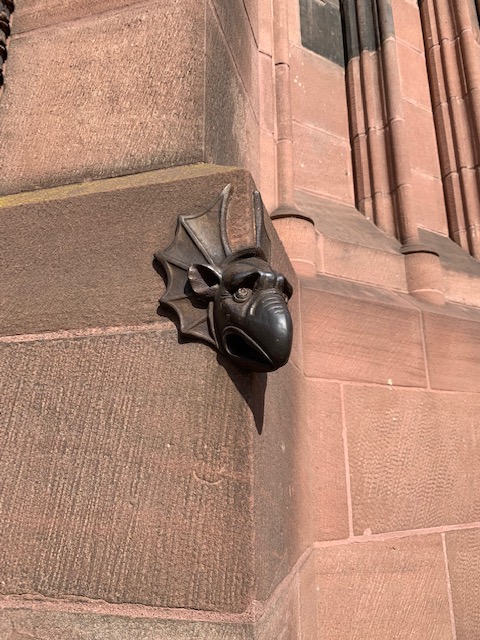


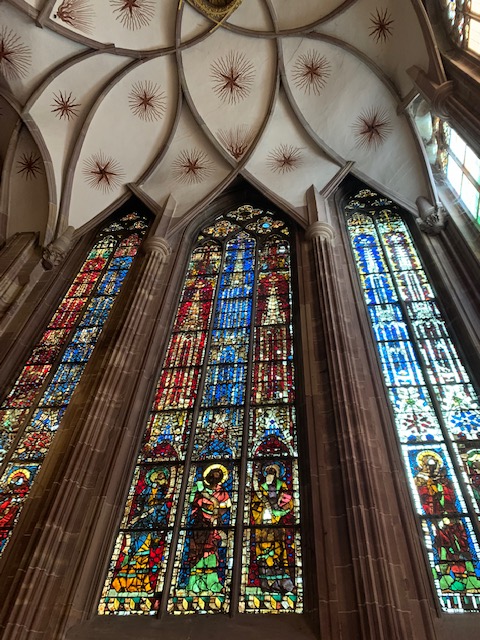

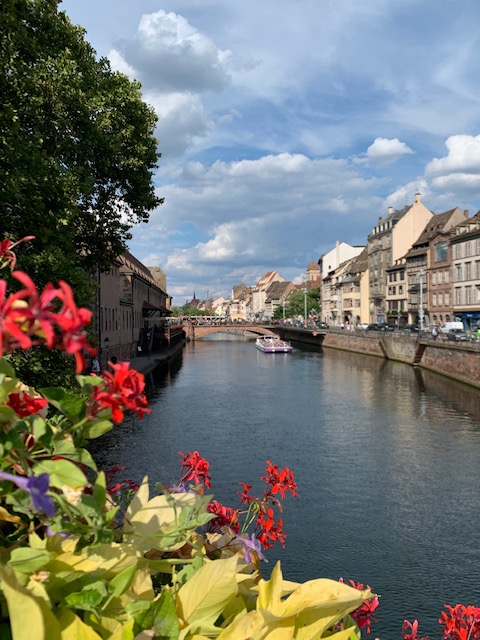
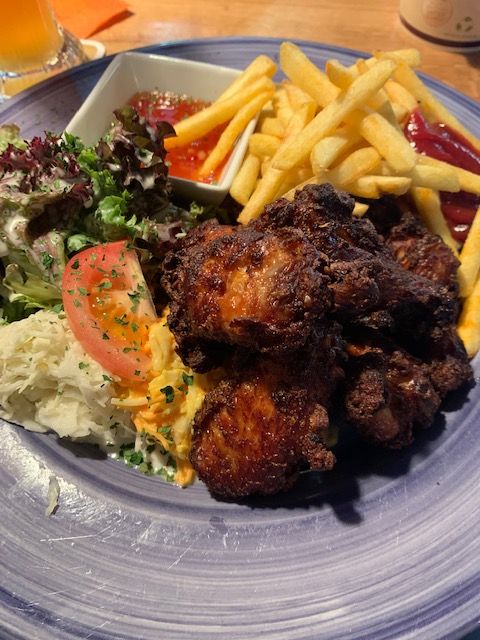

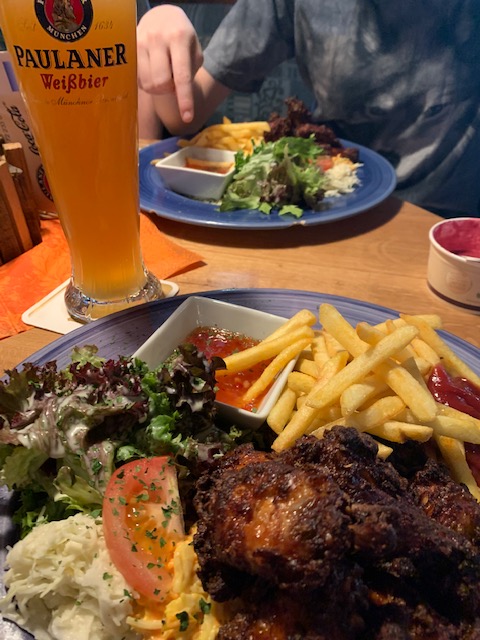


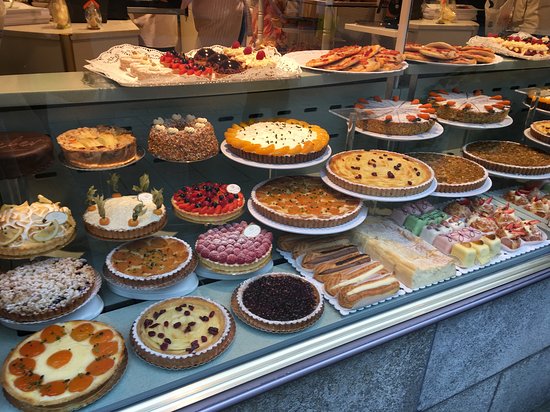


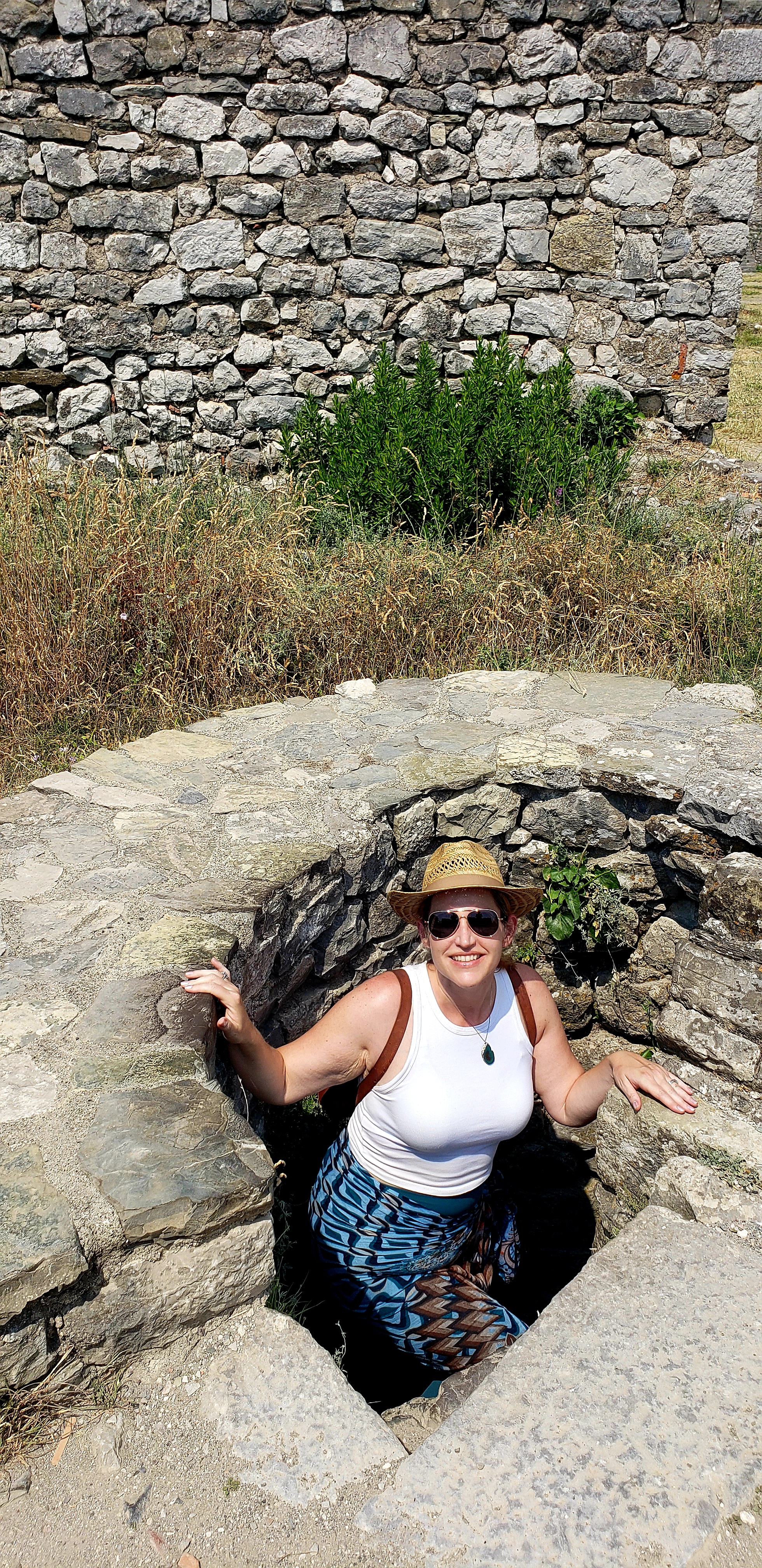
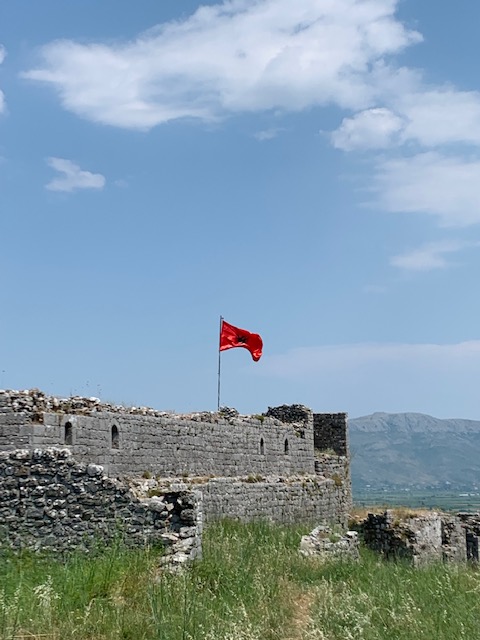

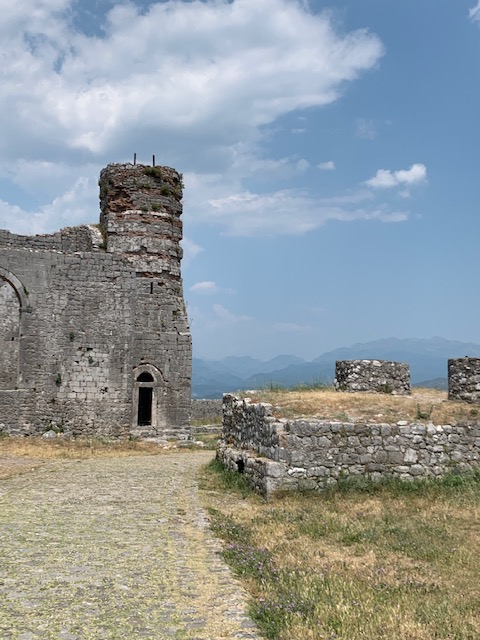
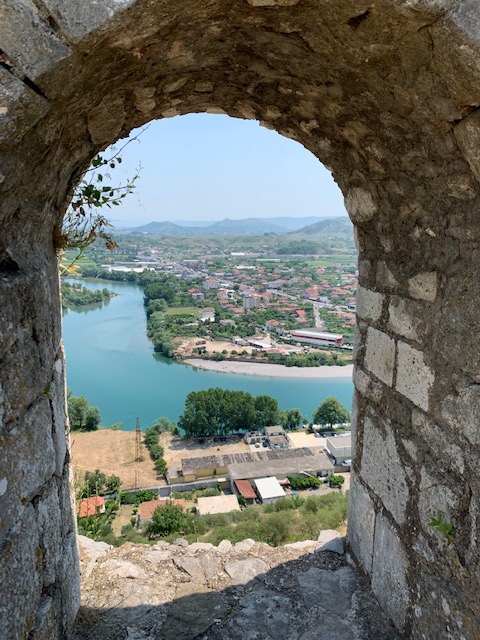

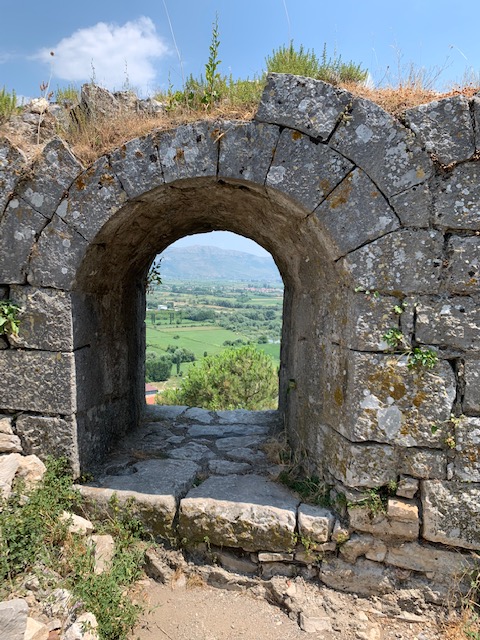

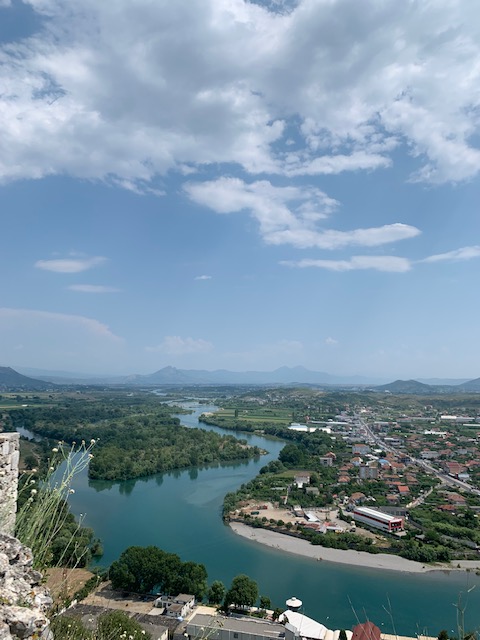
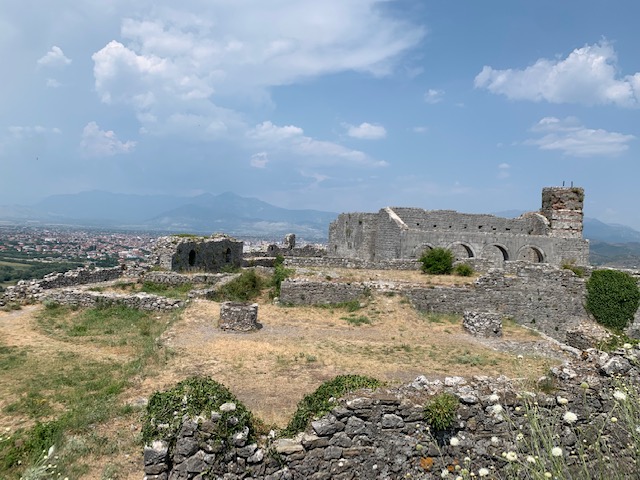
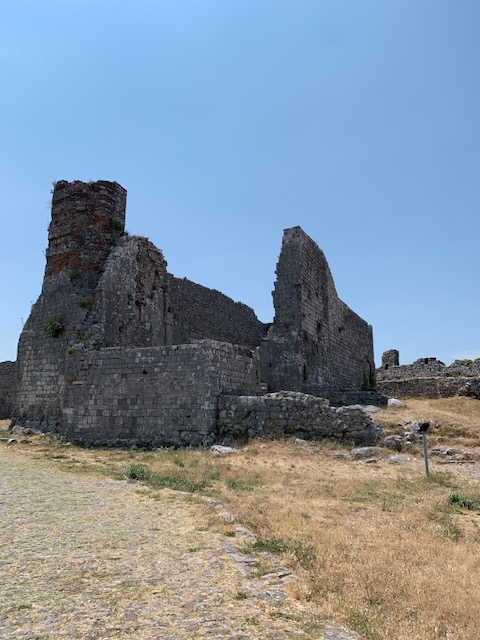

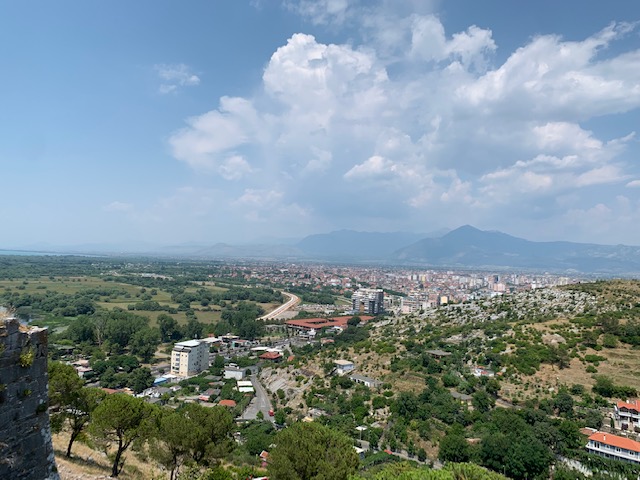

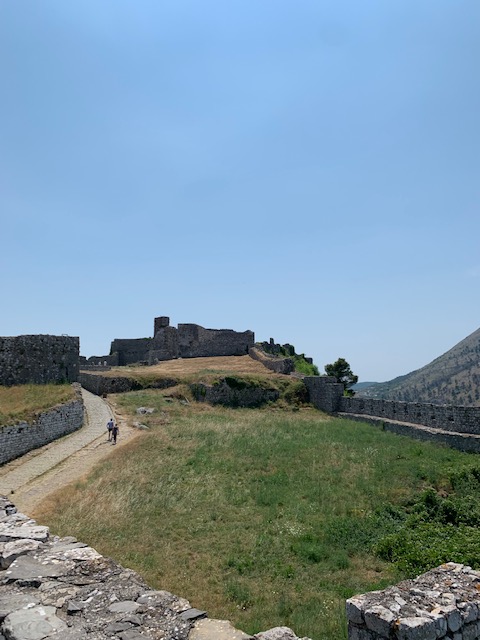


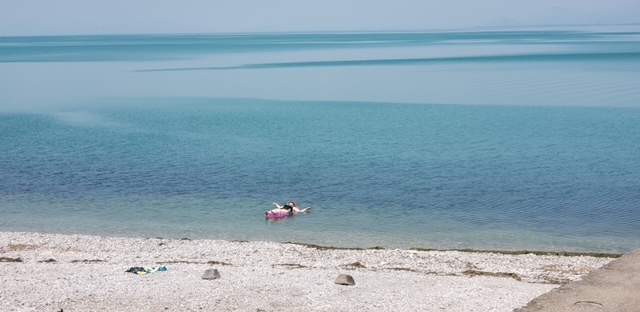
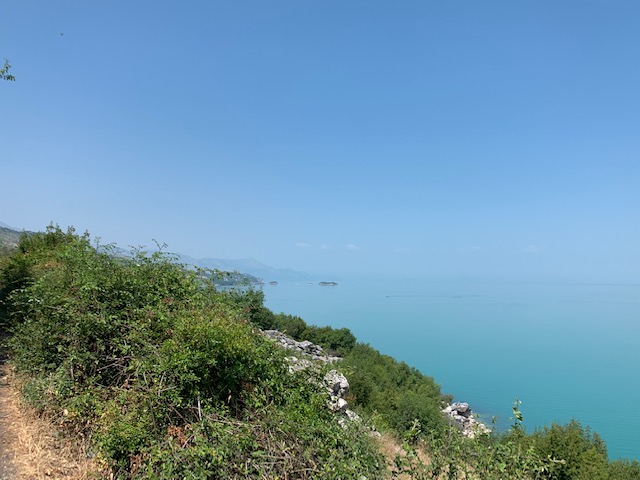


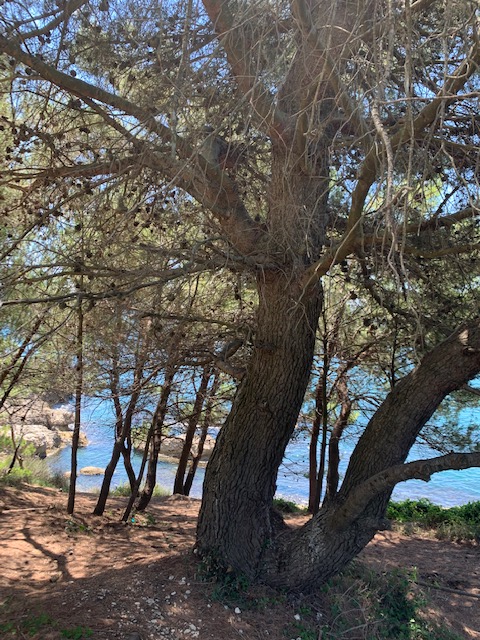


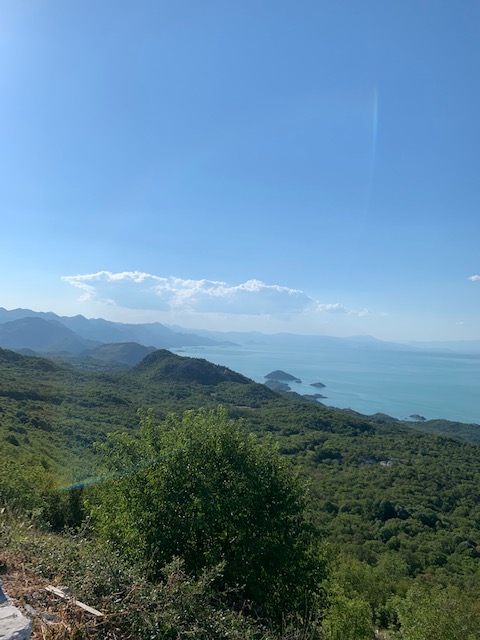
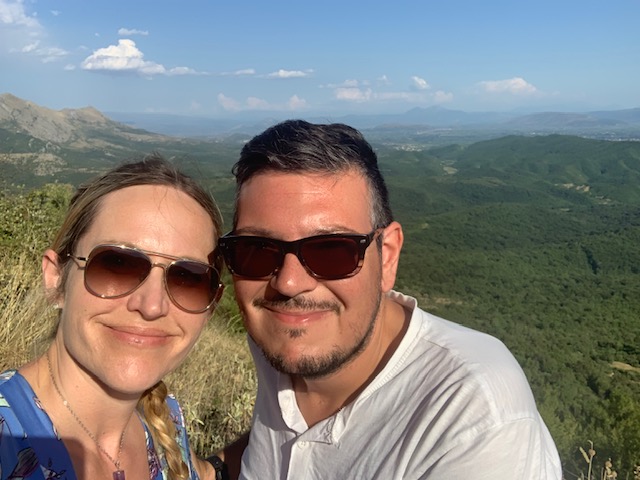


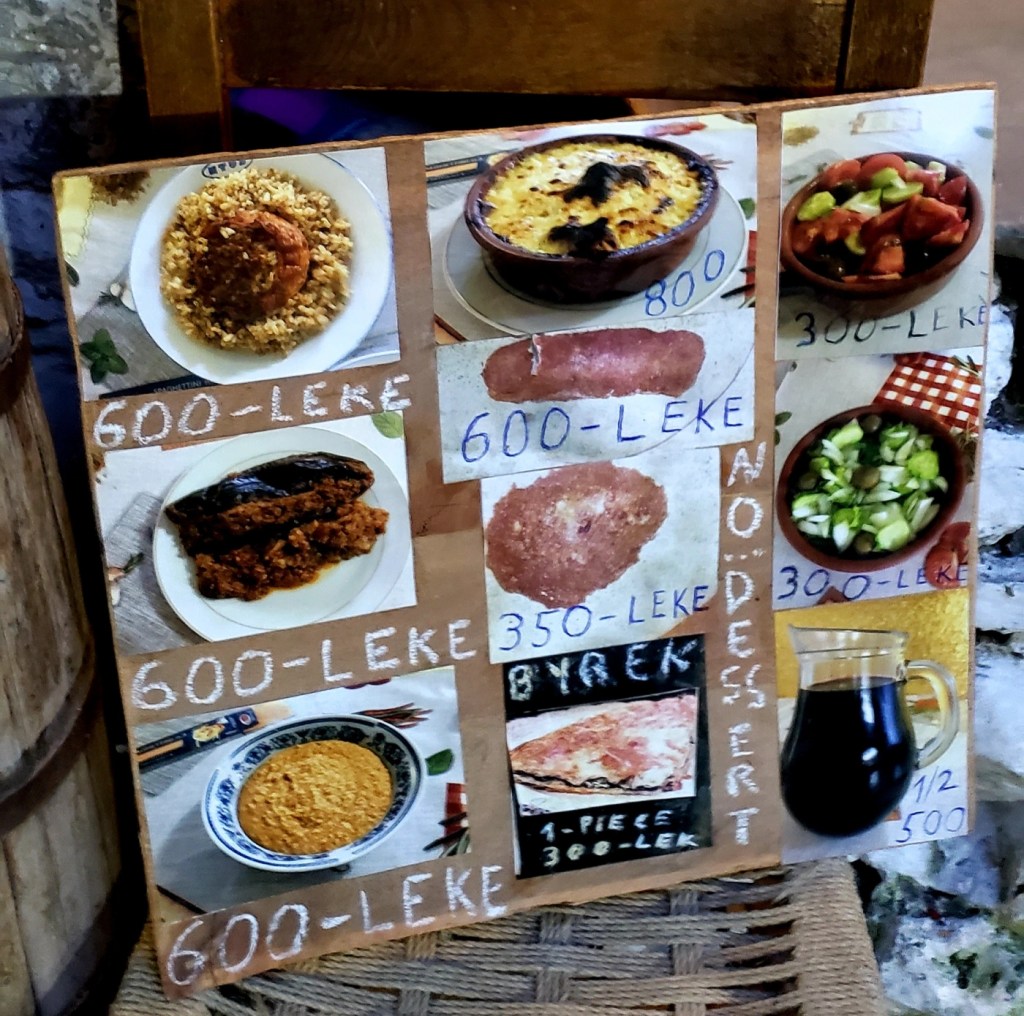
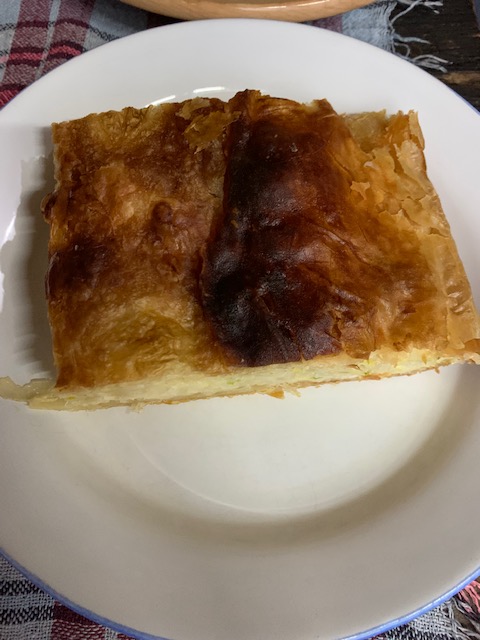

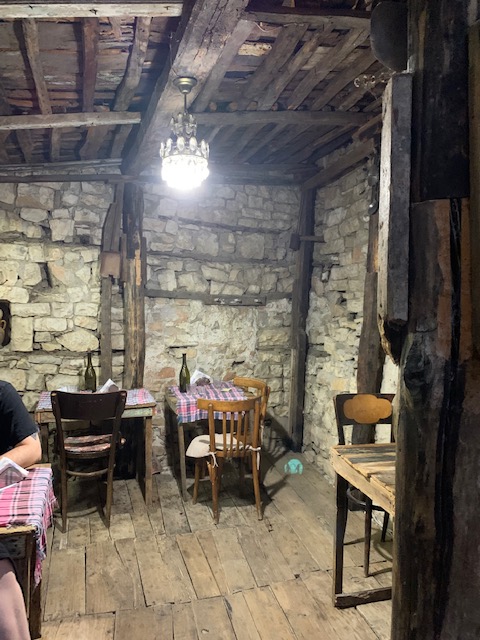
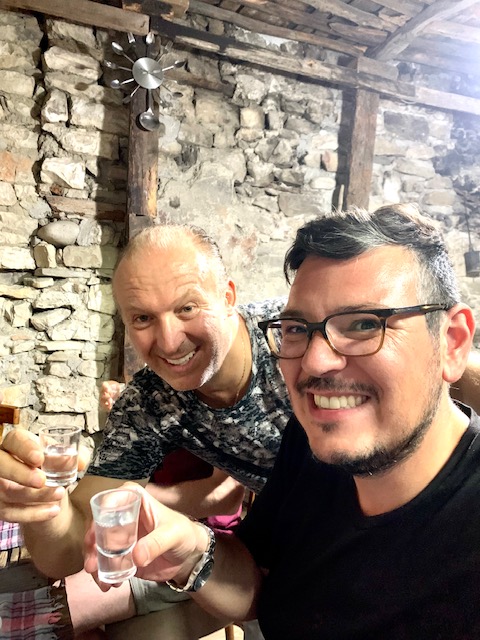
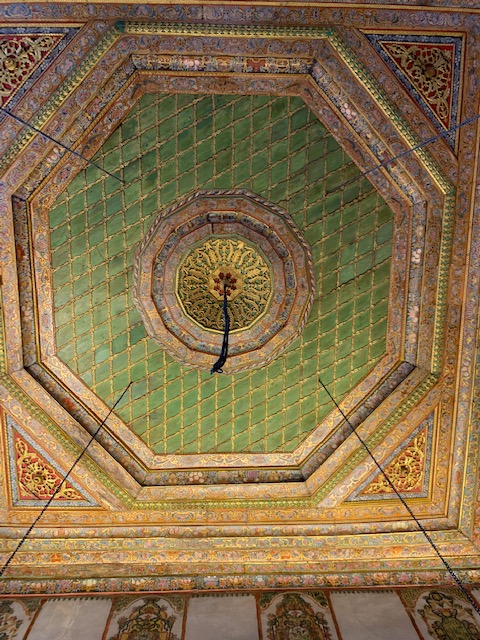
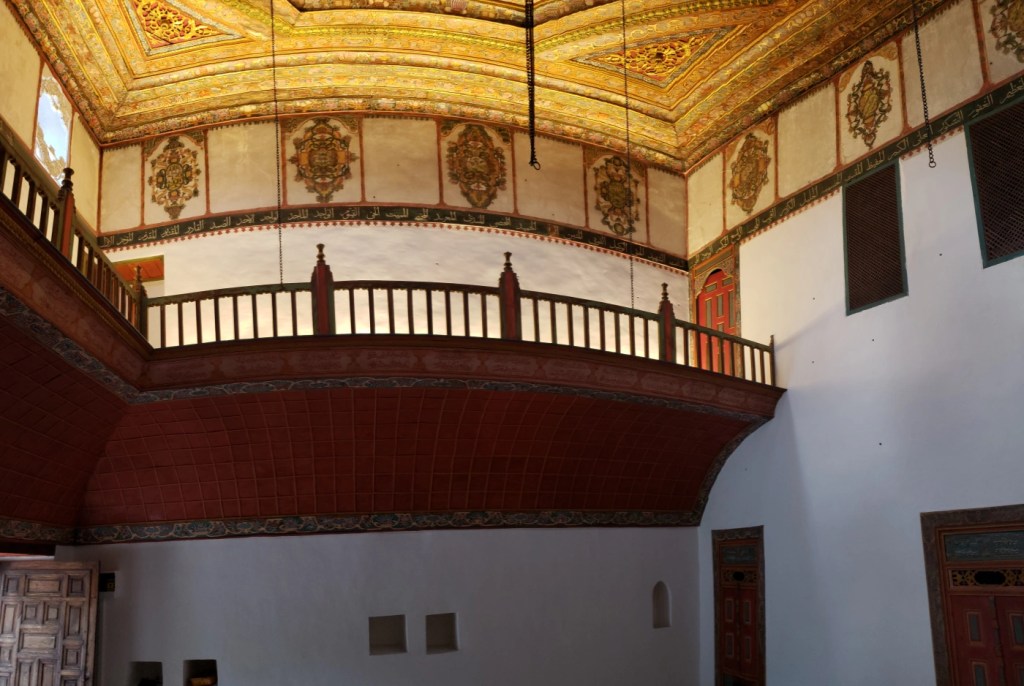

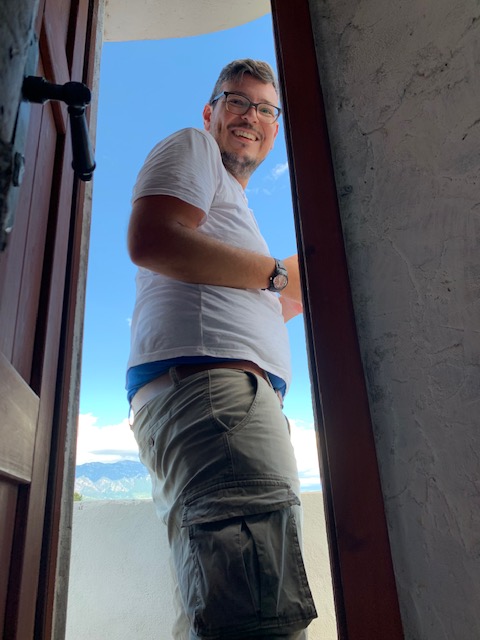
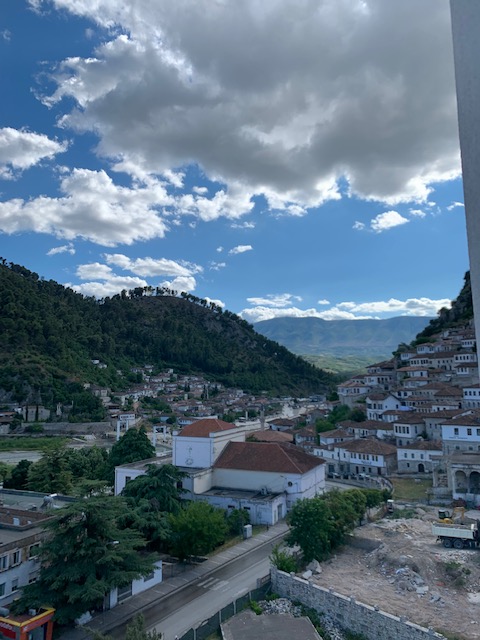

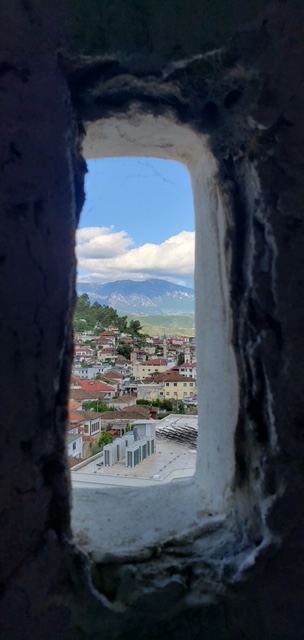
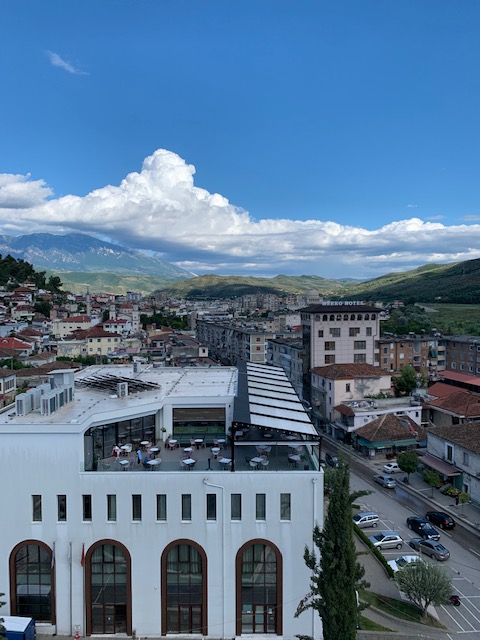
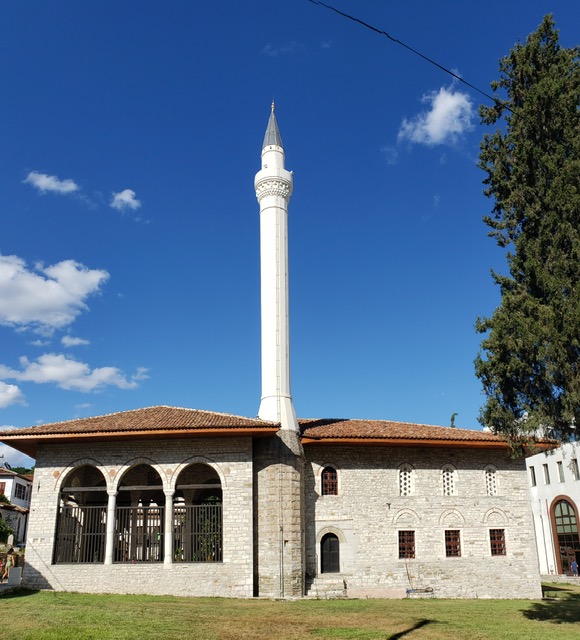
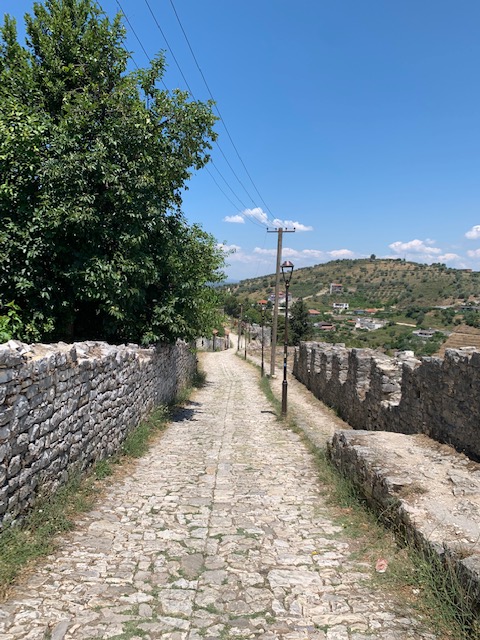


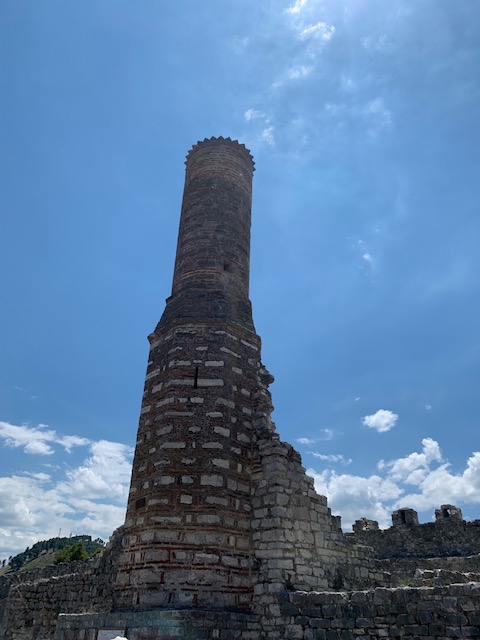


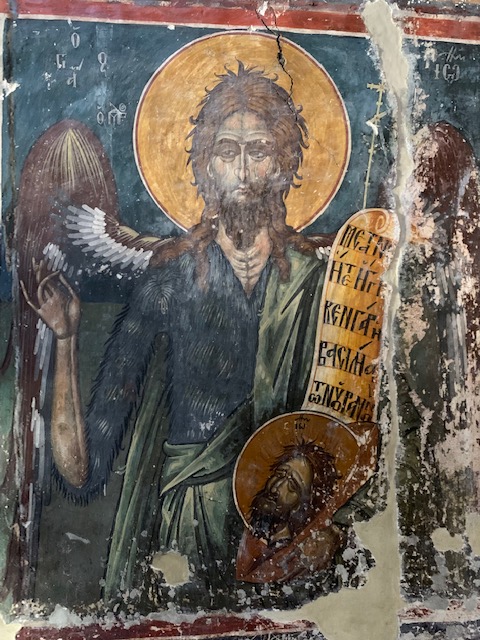
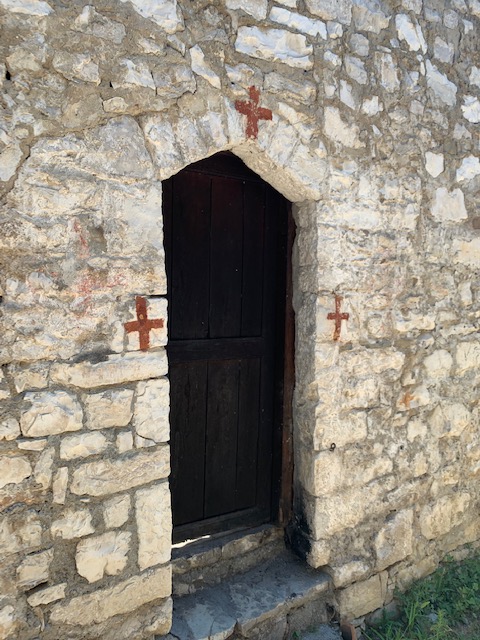


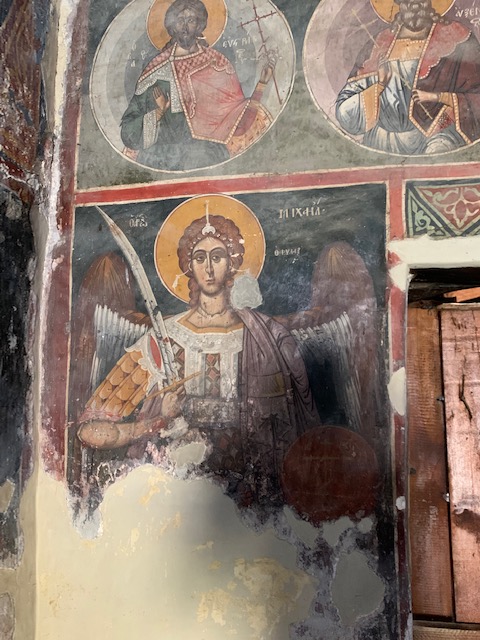
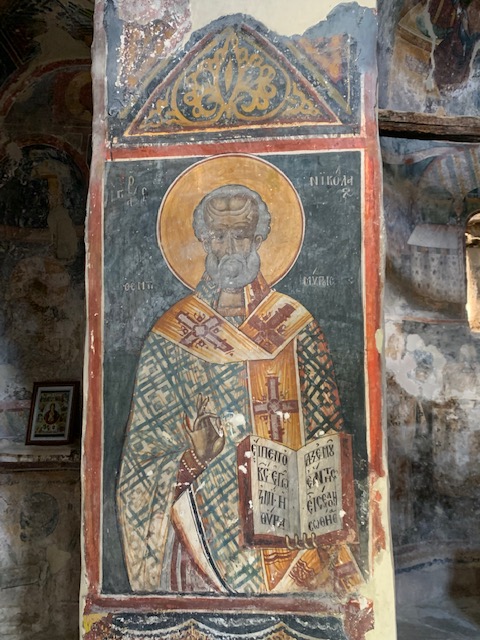


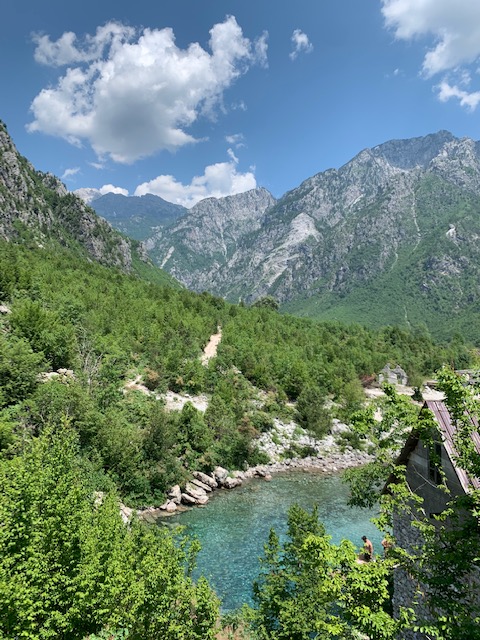


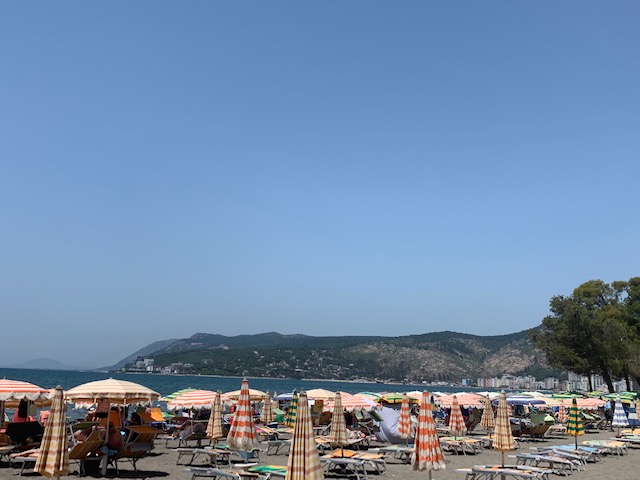
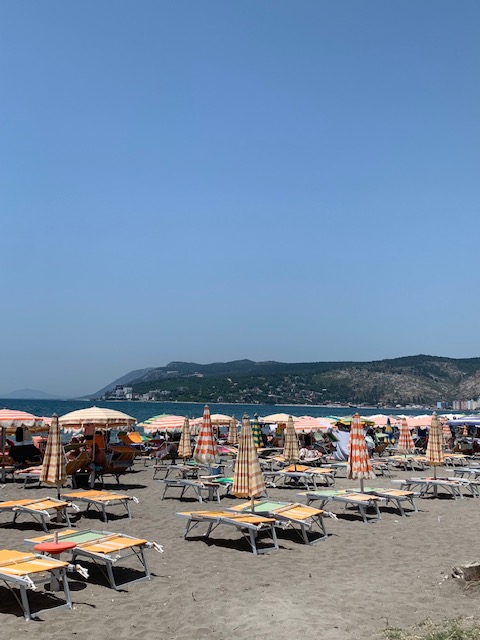

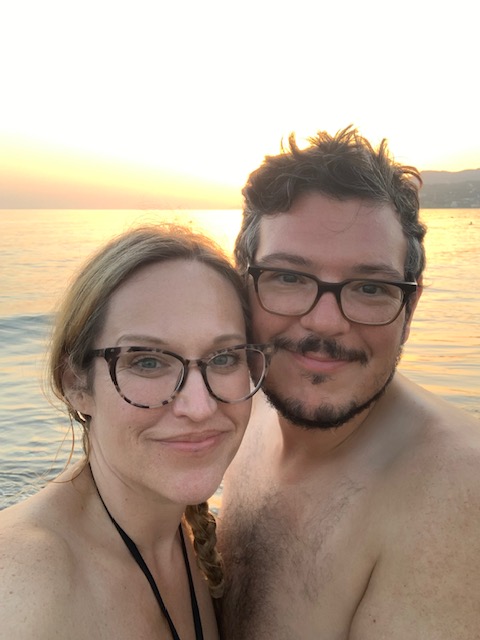

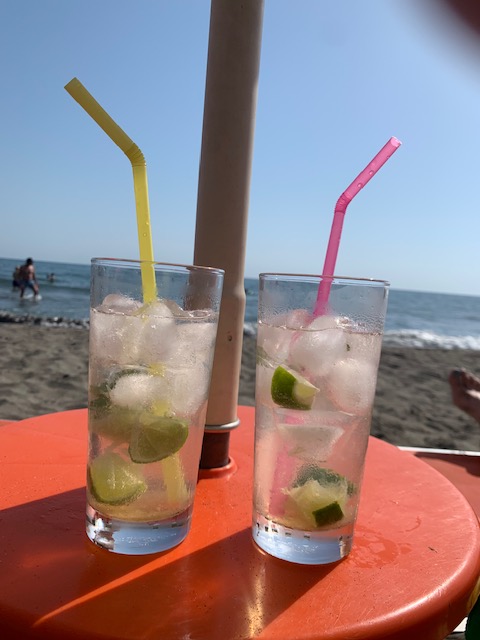
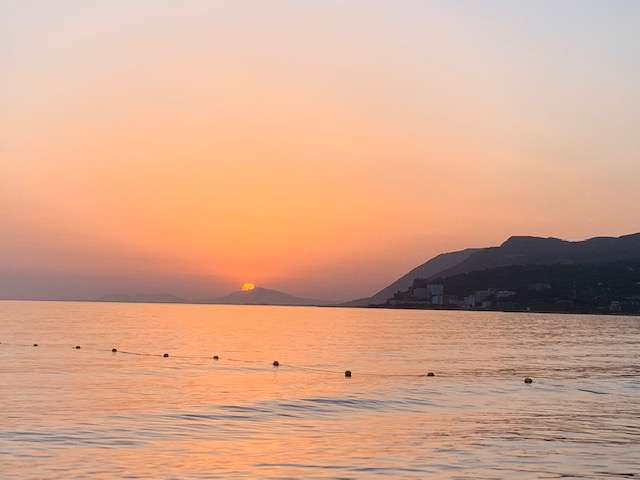

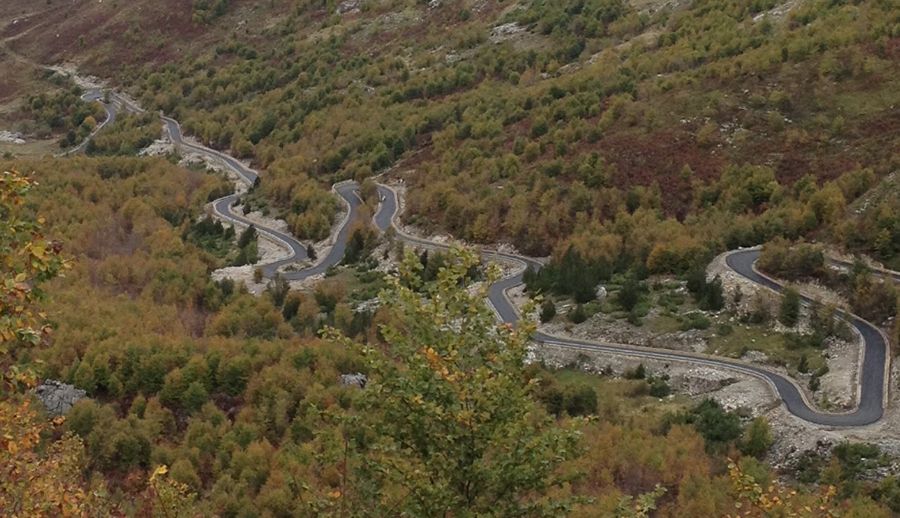


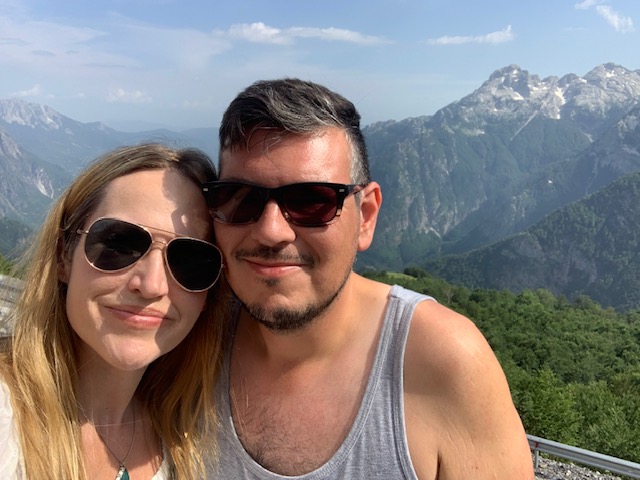


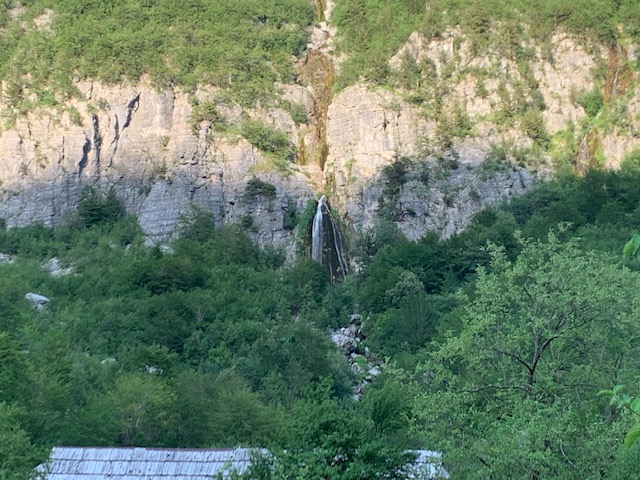

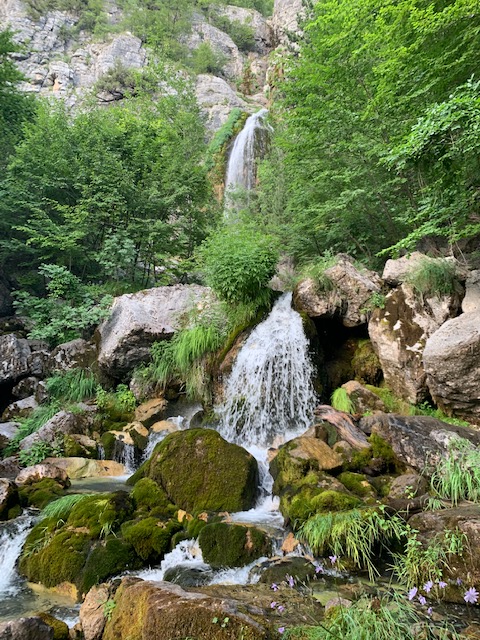
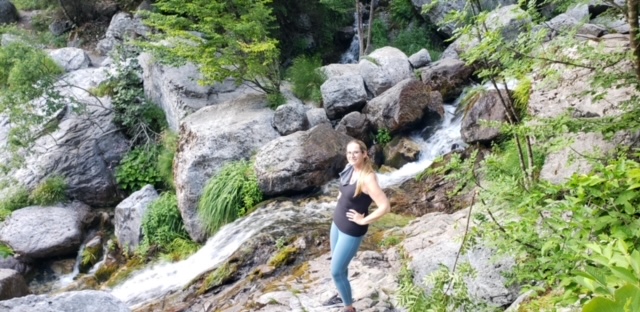
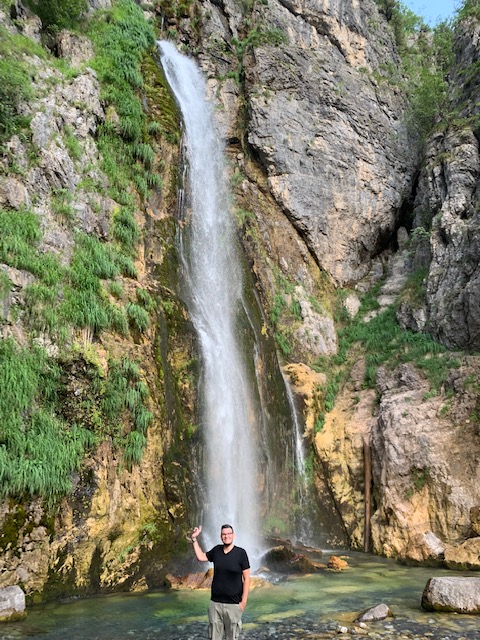


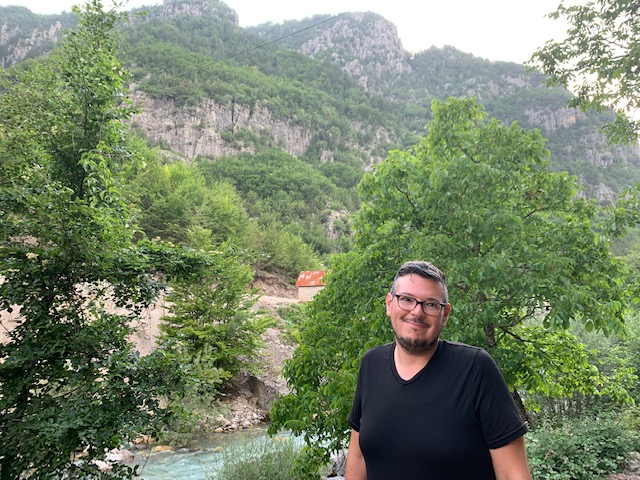
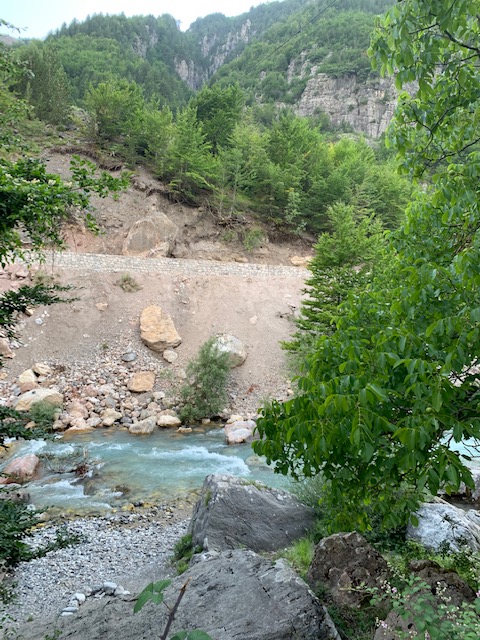


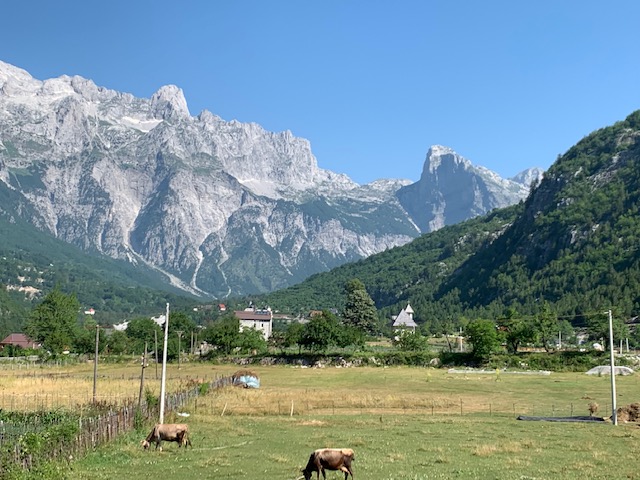


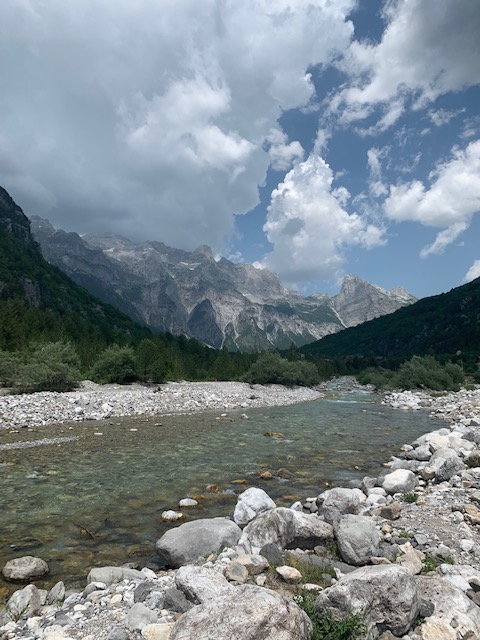
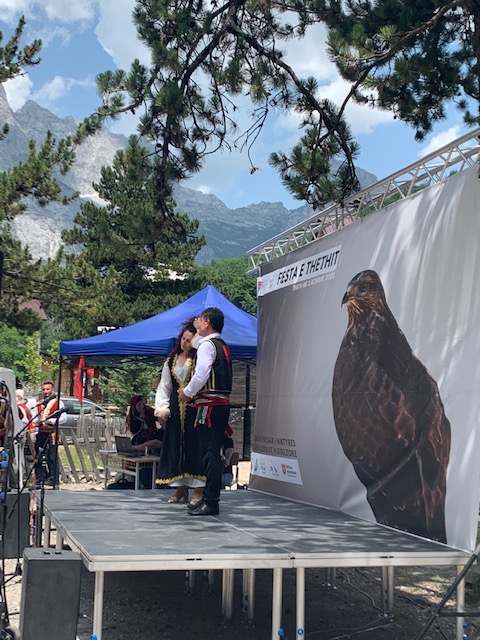

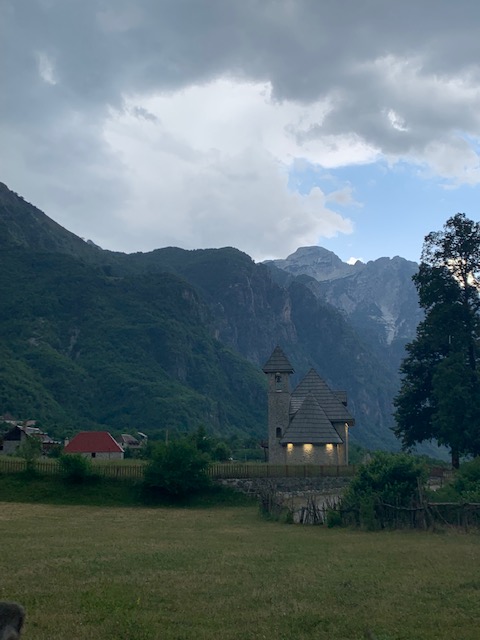

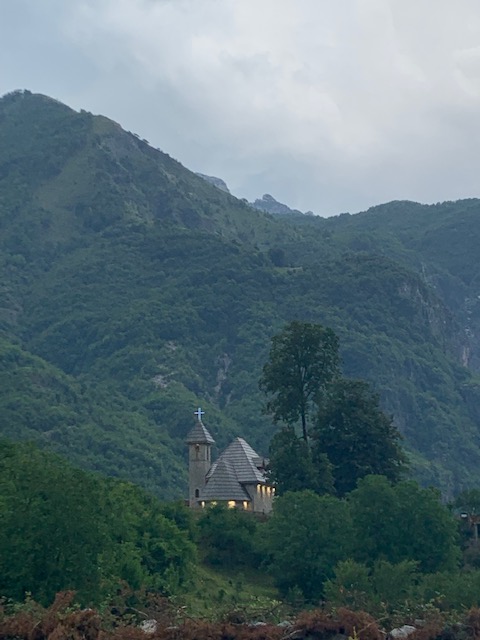

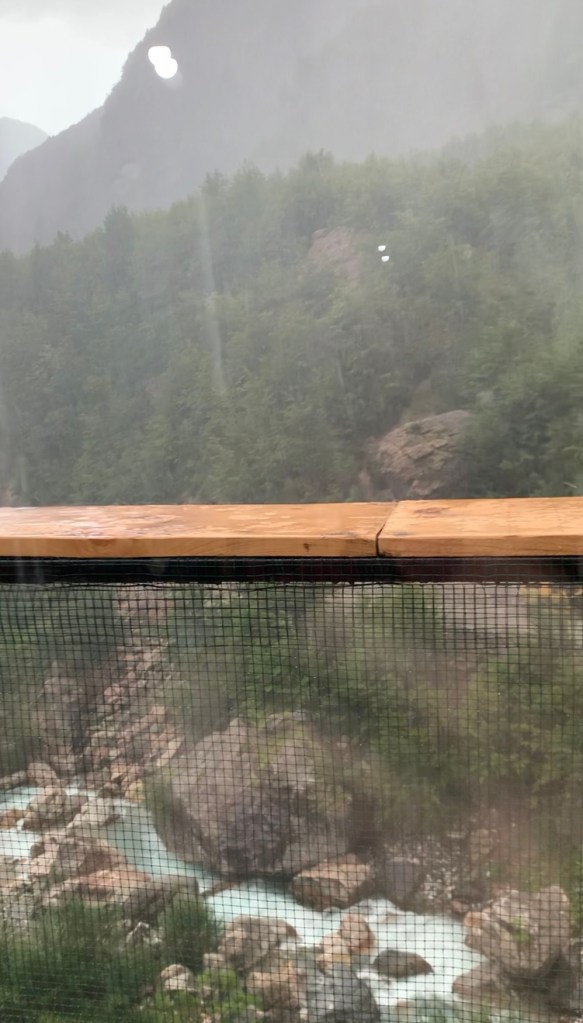
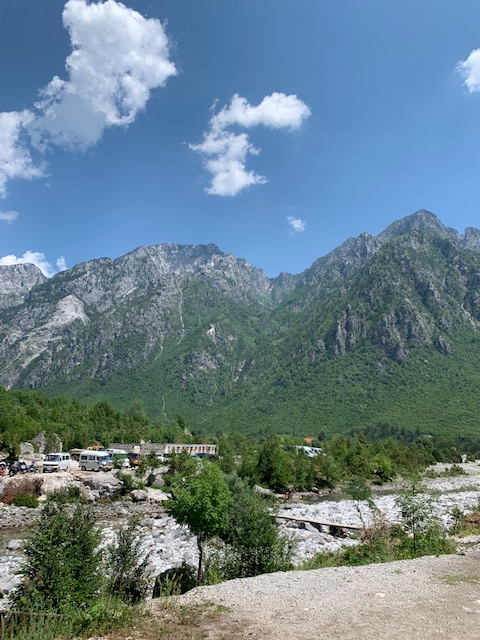


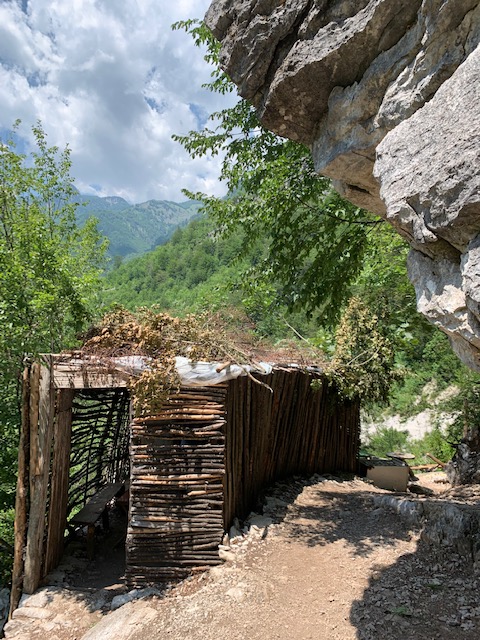
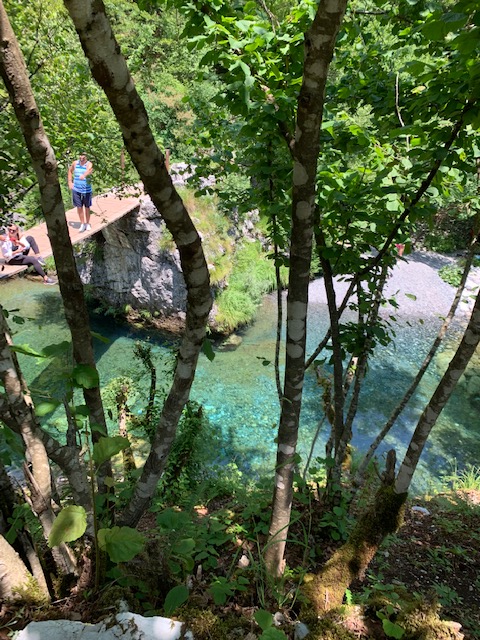

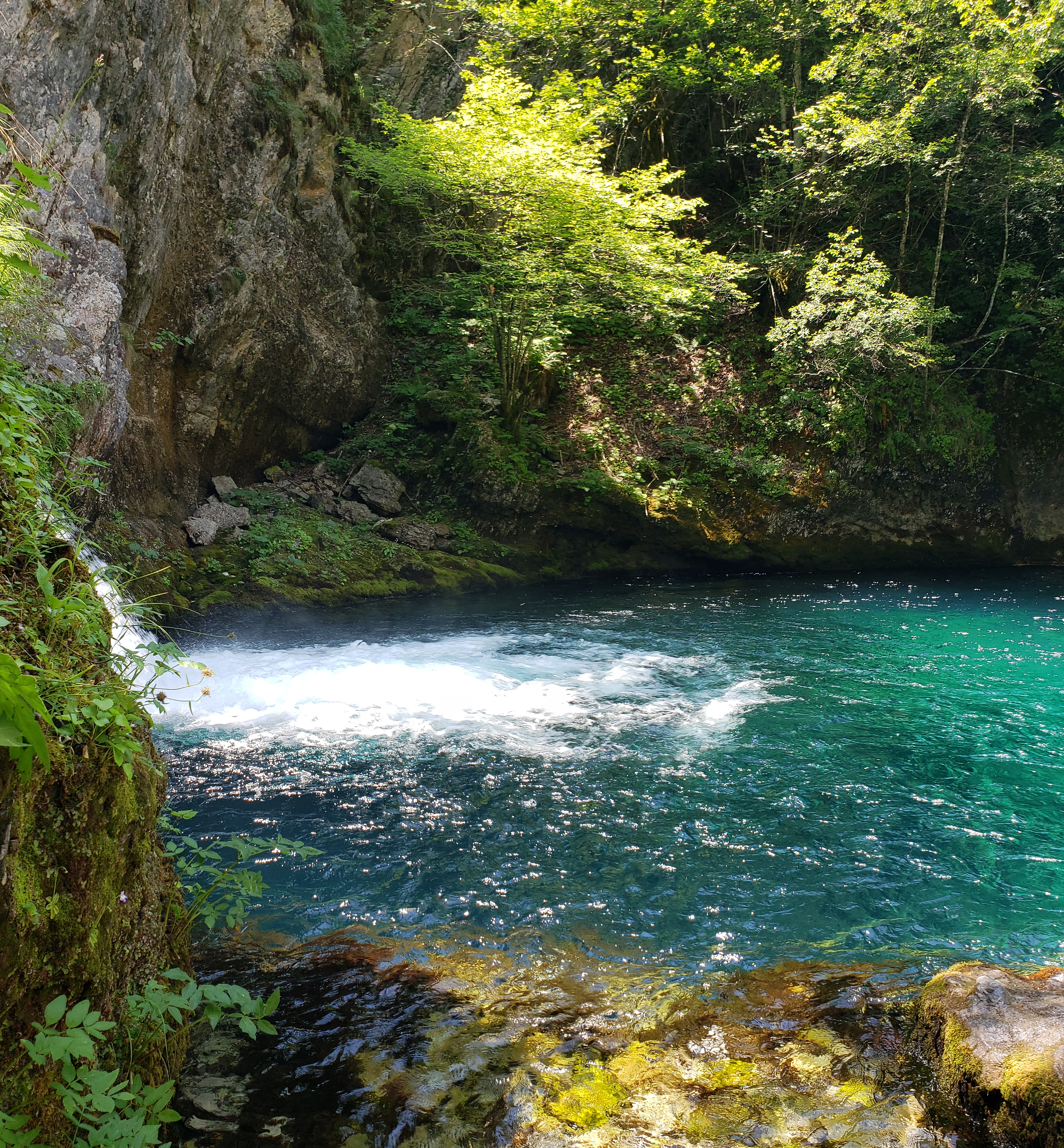

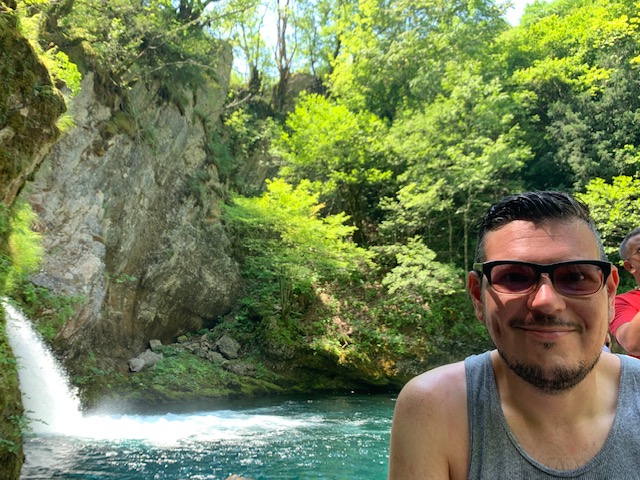

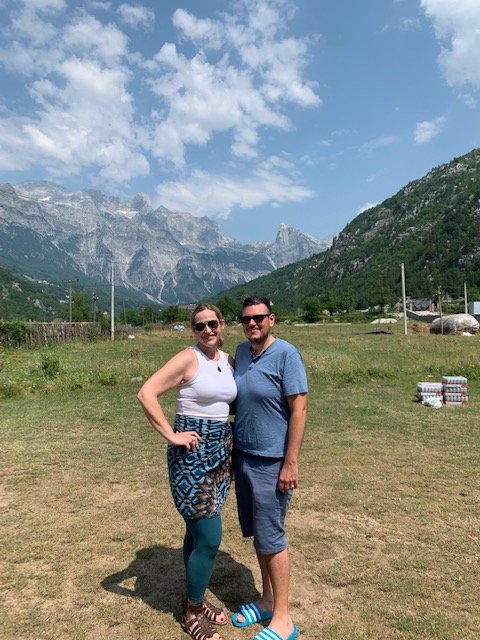


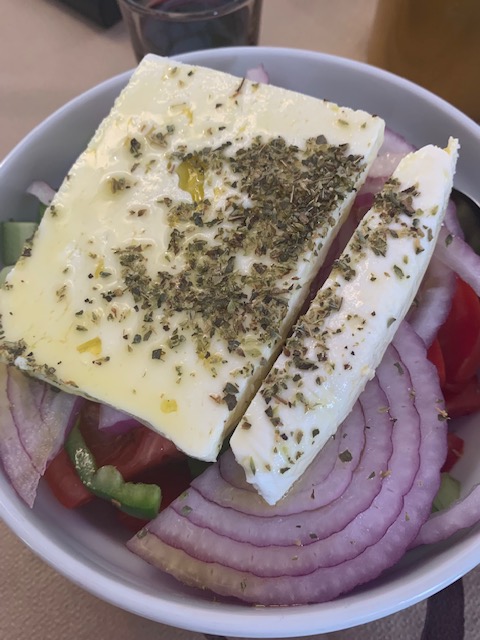
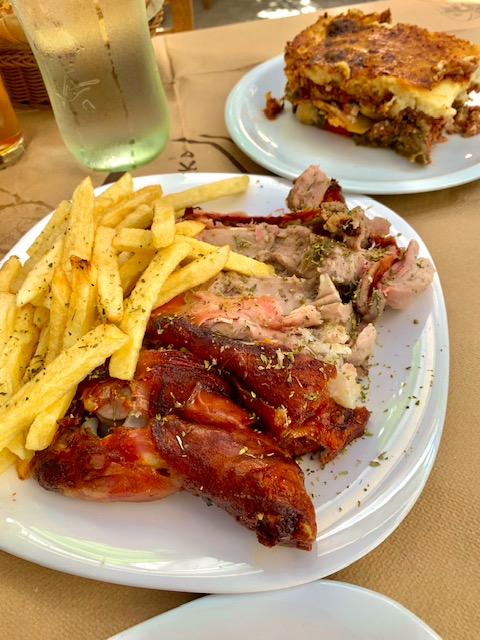
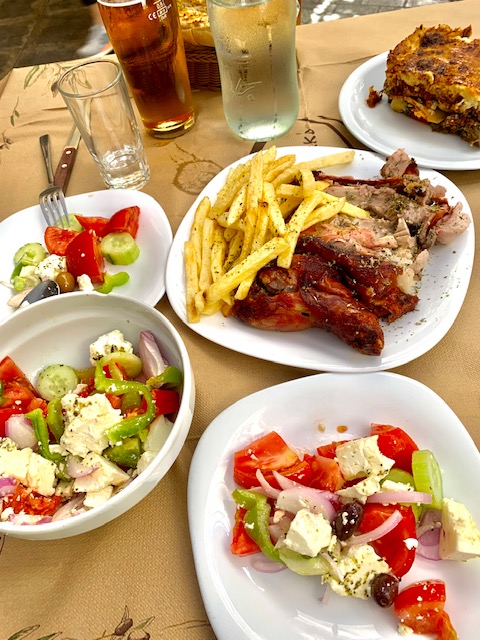
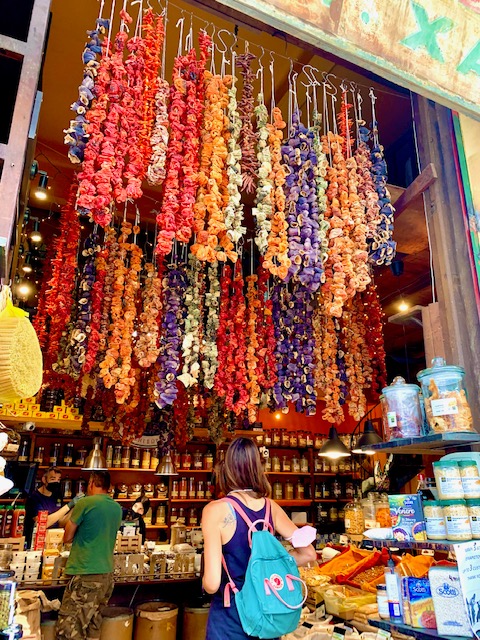


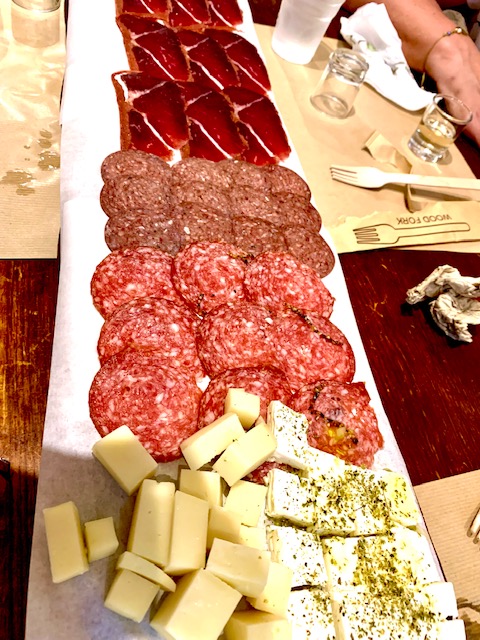
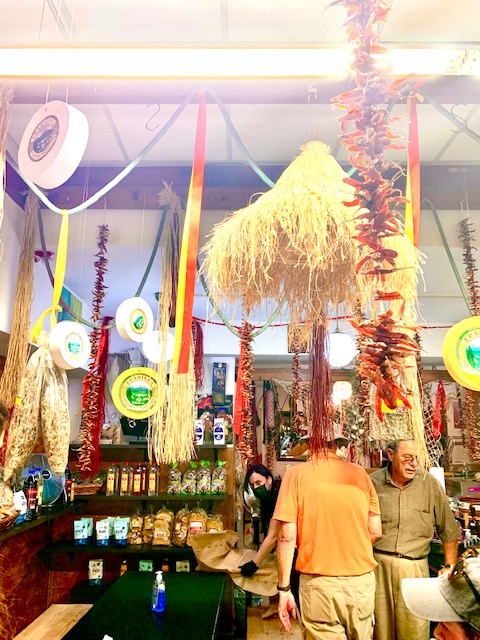

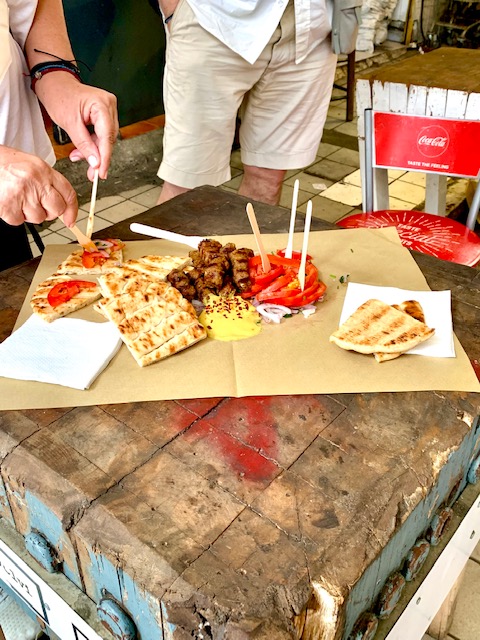


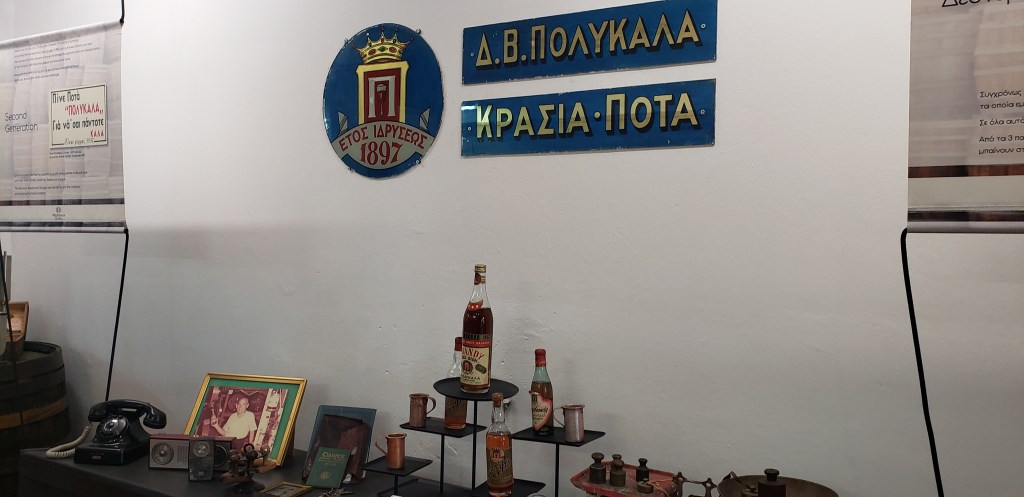
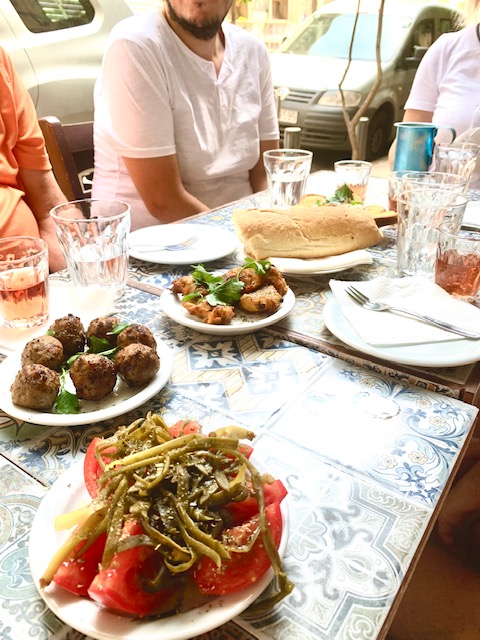
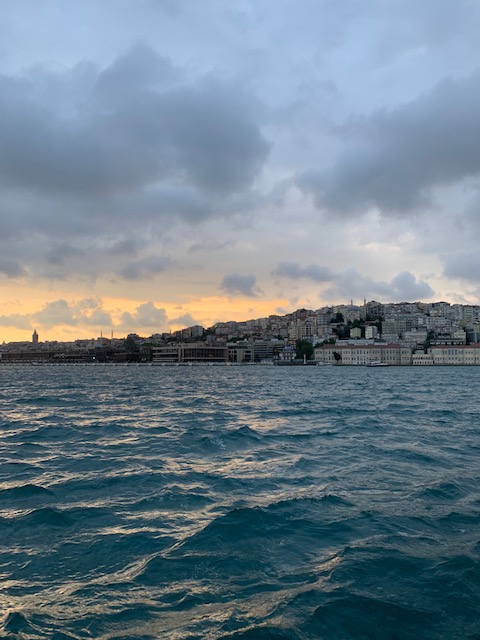





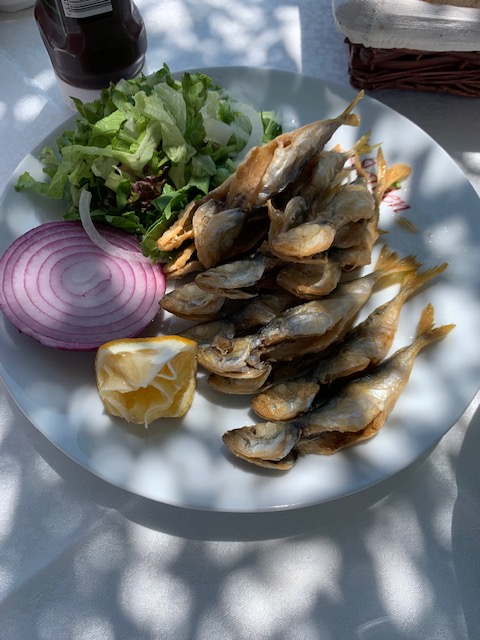


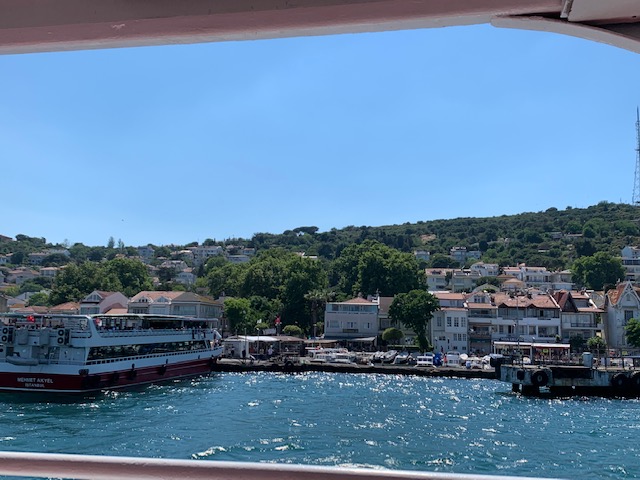


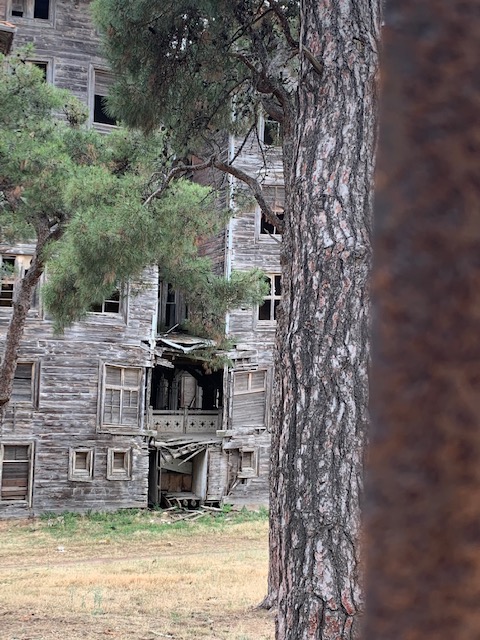
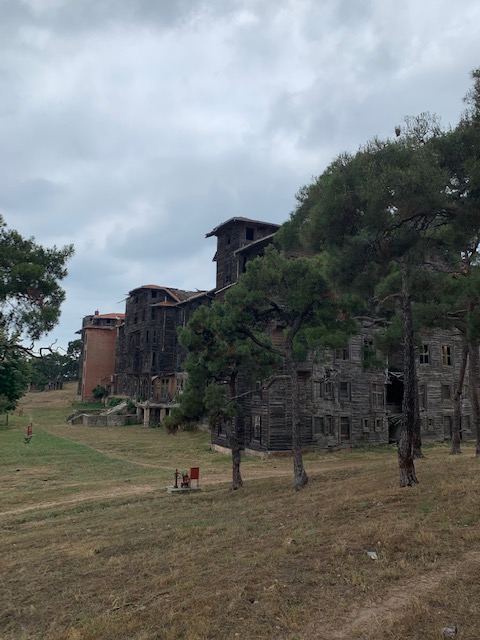


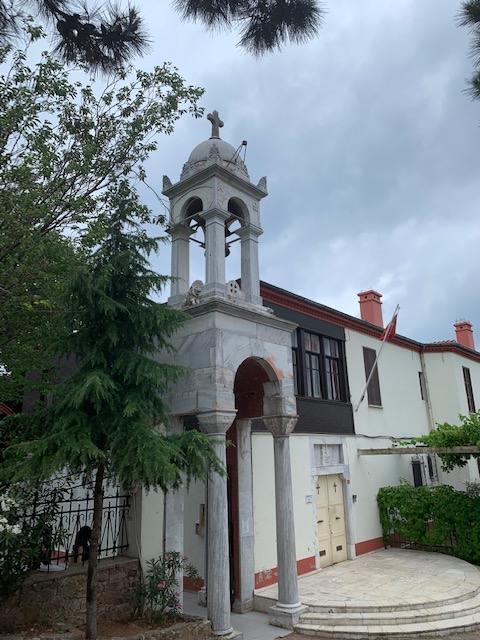

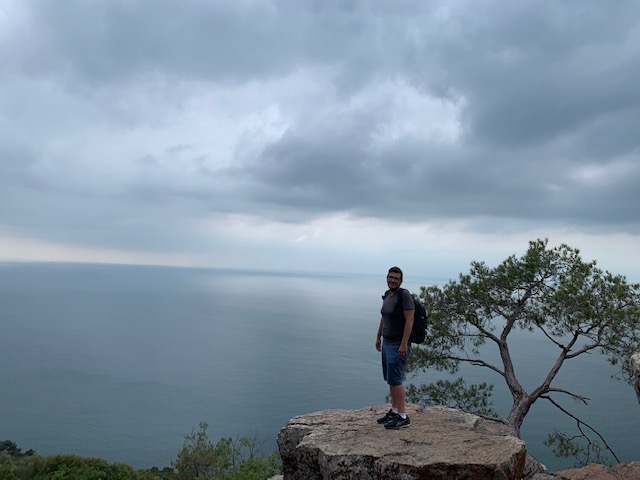

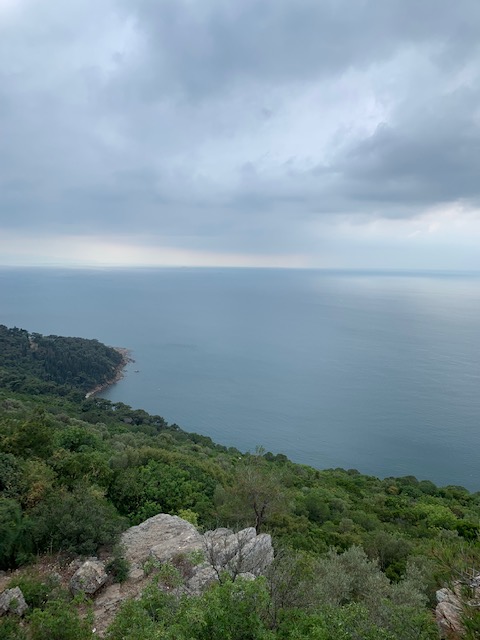

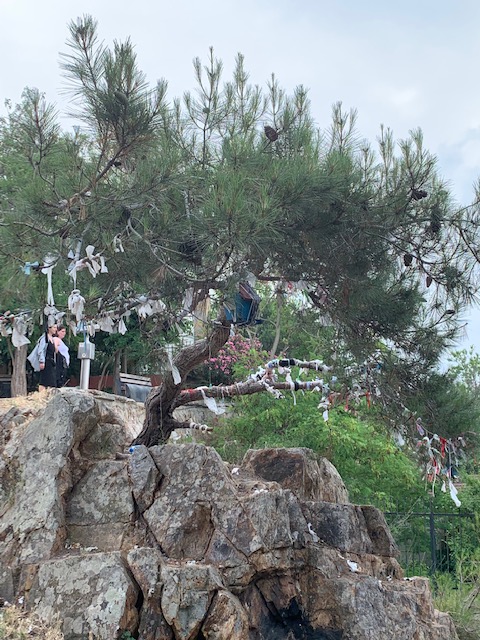

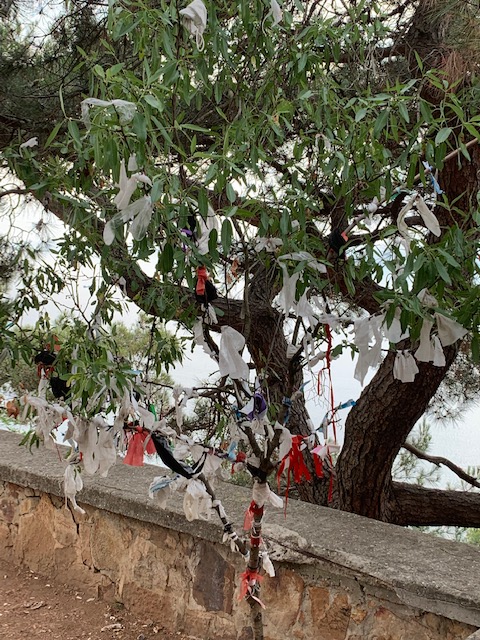
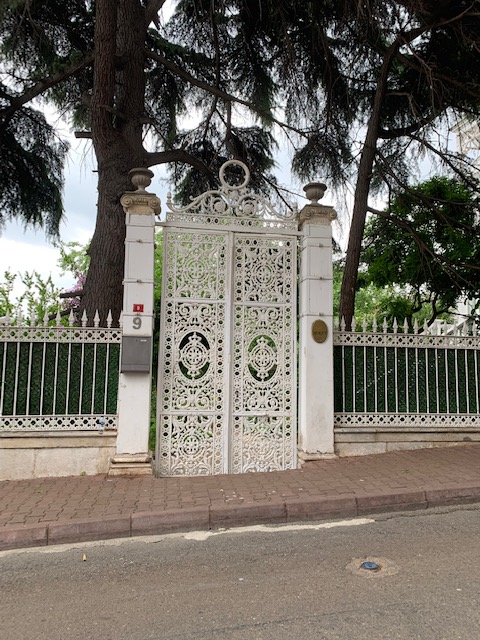
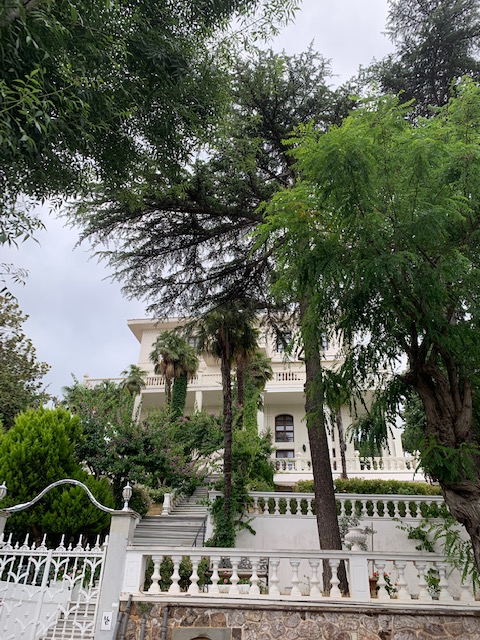
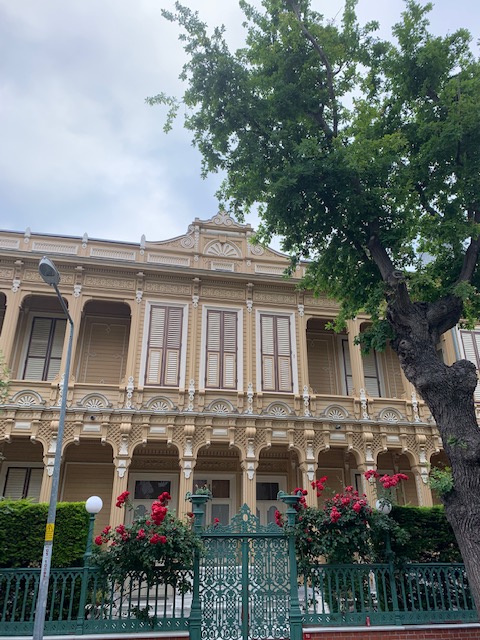








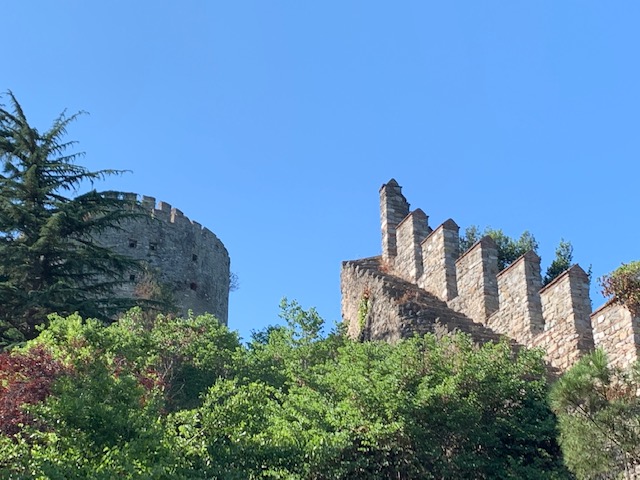

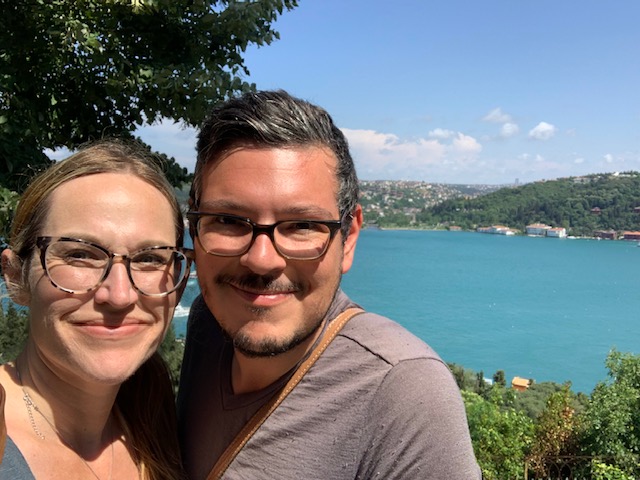
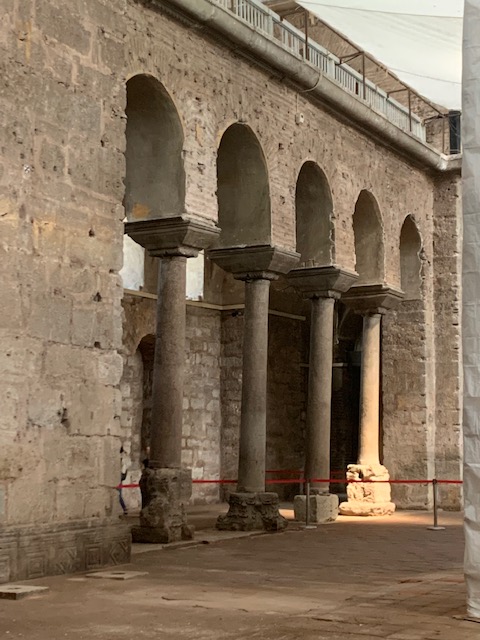
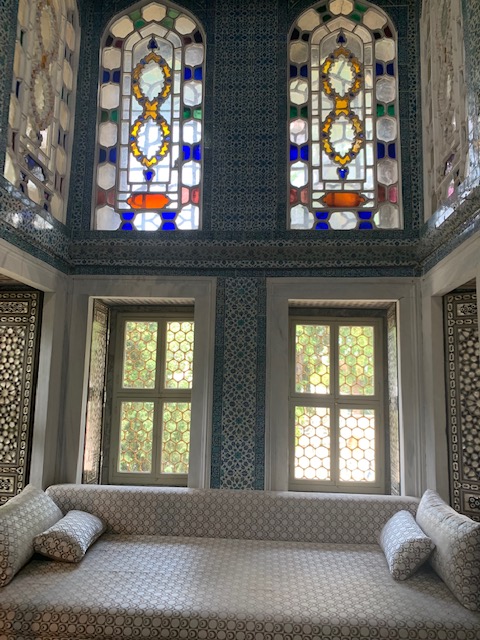
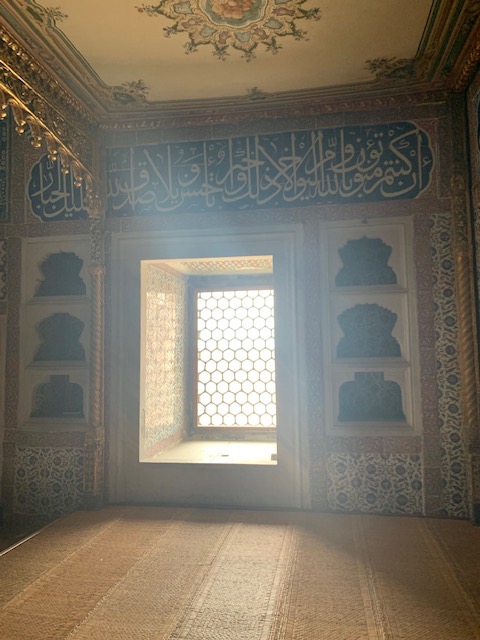
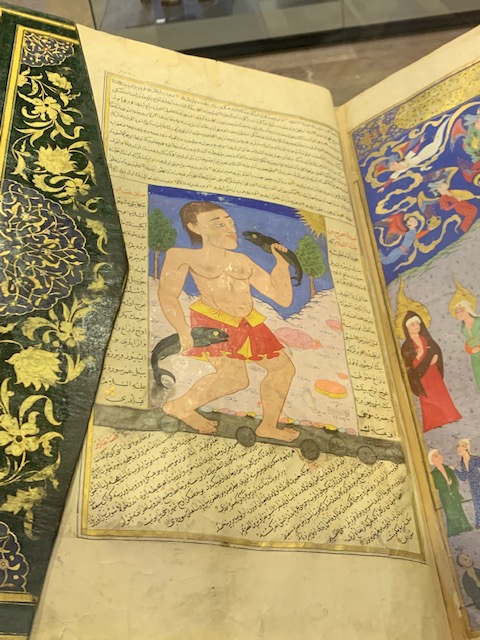

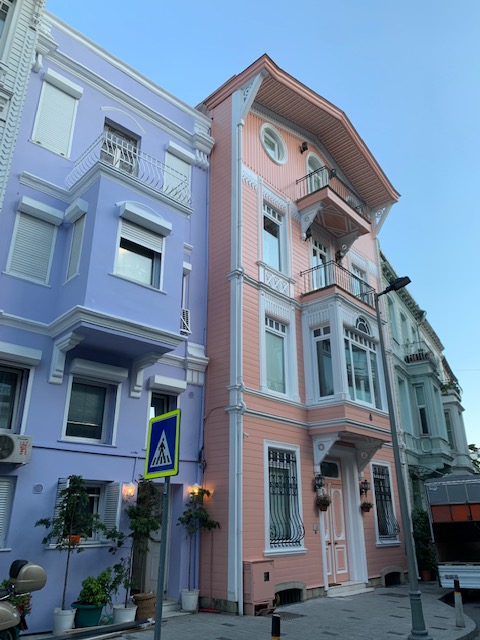
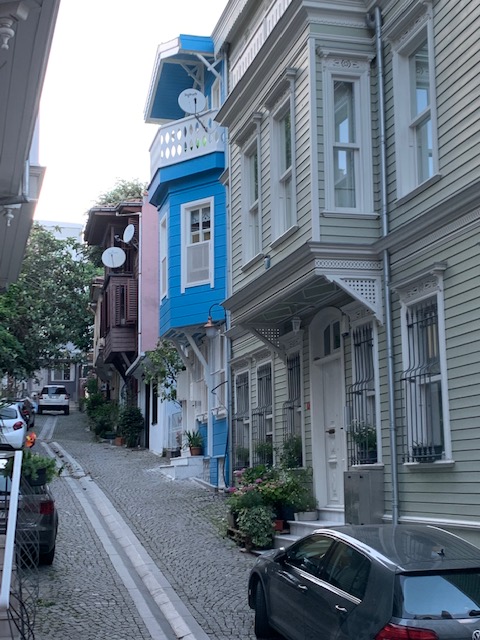



 Jess Barrington Travels