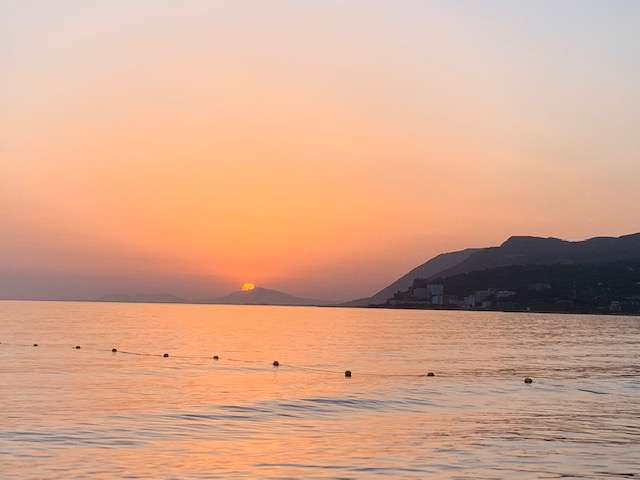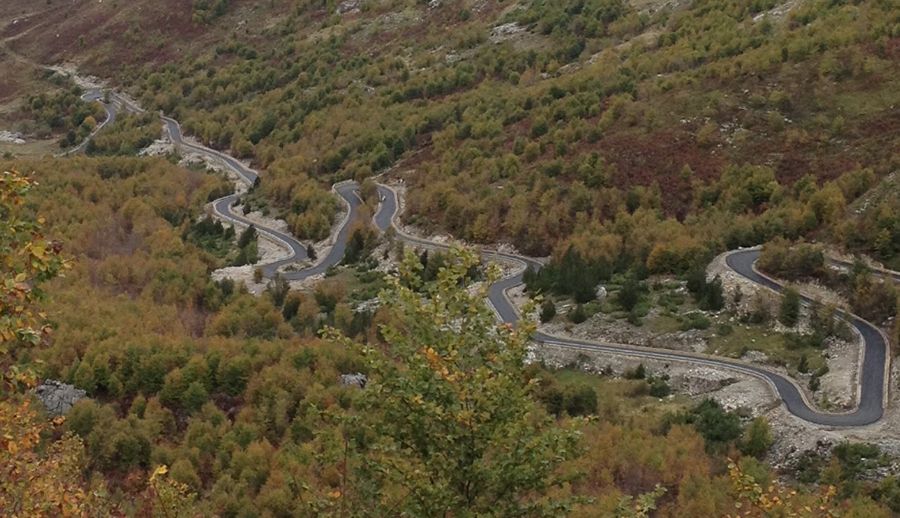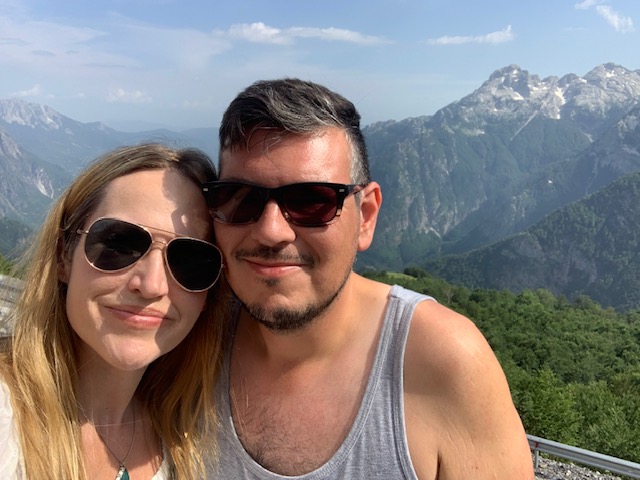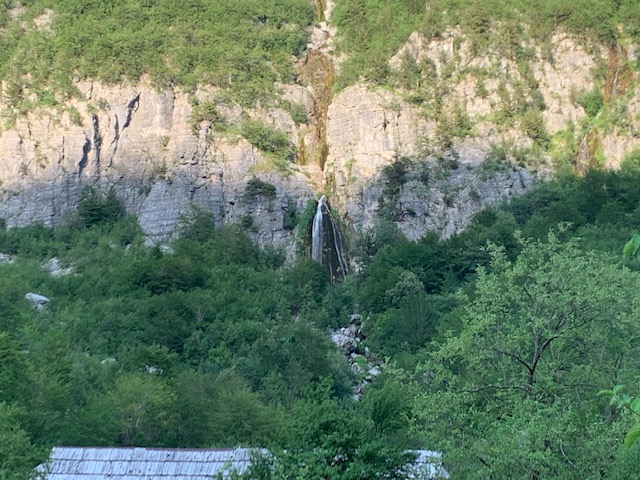
Frigiliana: Pueblo Blanco in the Mountains

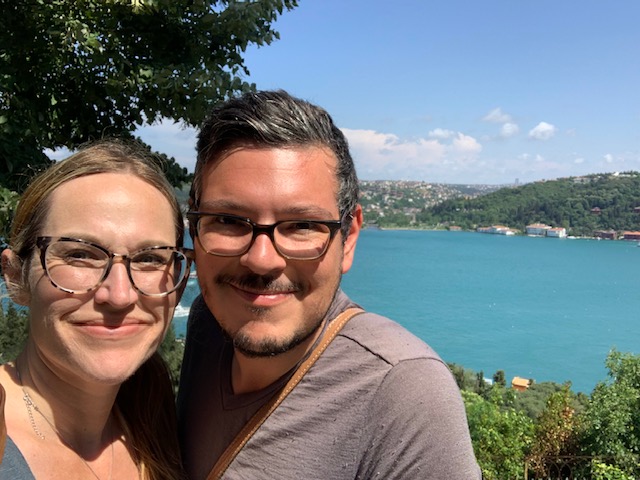
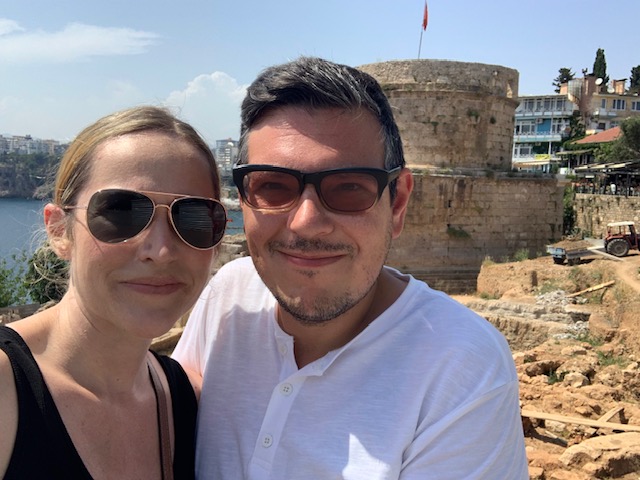
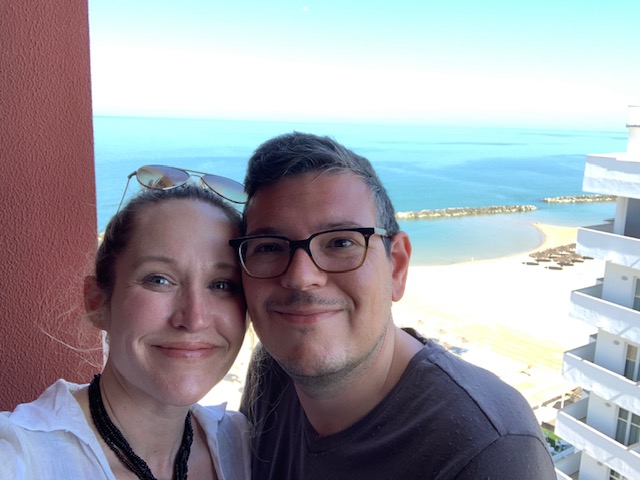
After leaving Málaga, Phil and I headed 45 minutes westward to the mountain village of Frigiliana. Because it was Semana Santa or Holy Week, accommodations almost everywhere in Andalusia were quite expensive. Andalusia is a very popular destination for Spanish and international tourists alike, especially during Holy Week. It’s essentially the national spring break for the country as schools are closed for the entire week and many families vacation during this time. Because of this, it was cheaper for us to rent a car and stay in a smaller town than securing accommodations in a larger city. I am so happy it worked out this way for us!

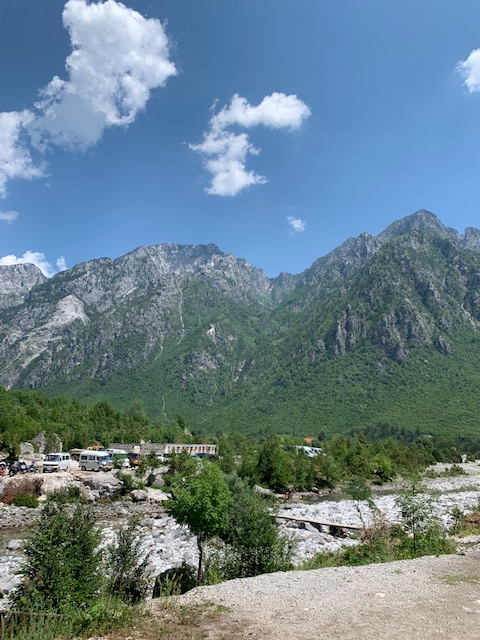
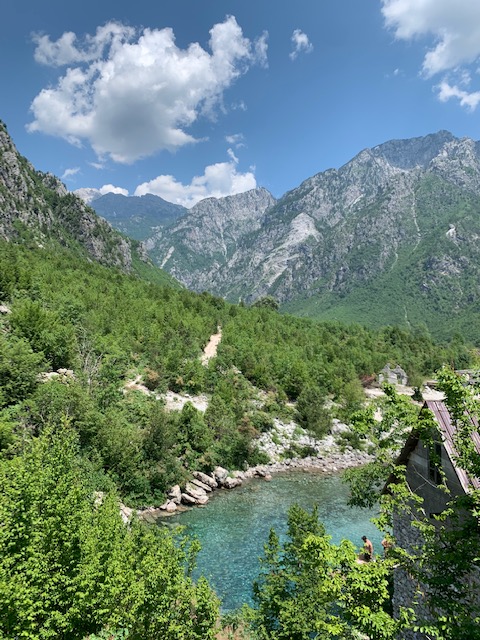
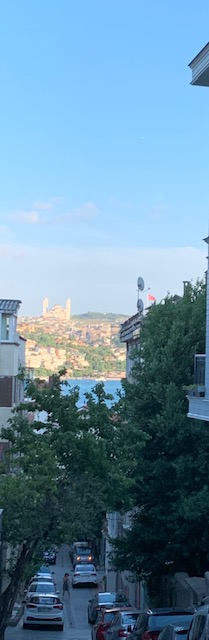
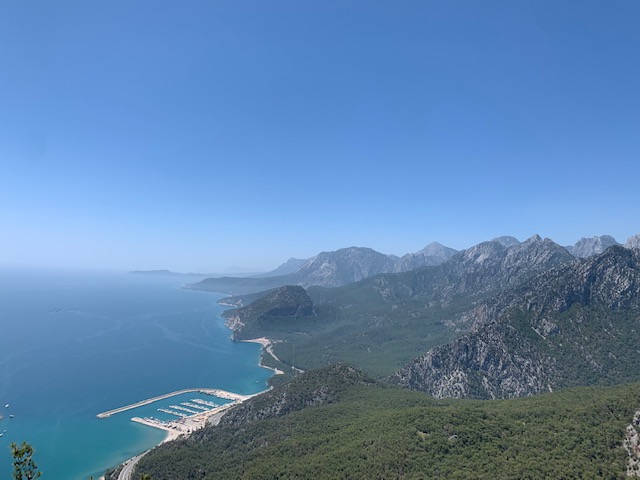
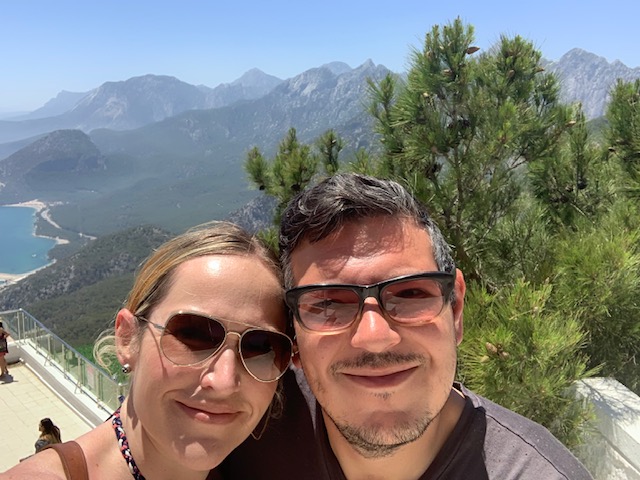
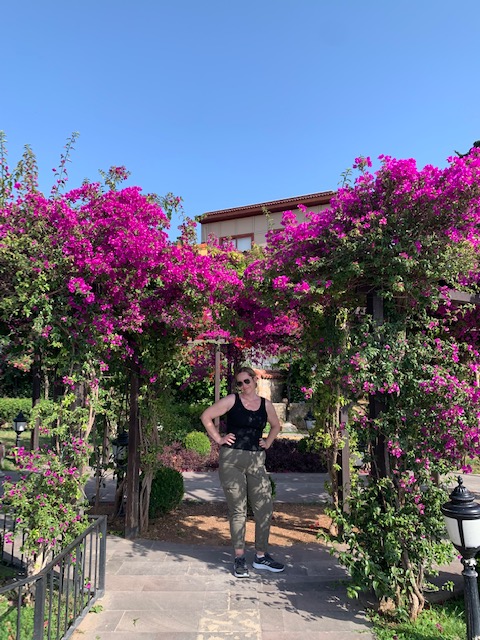
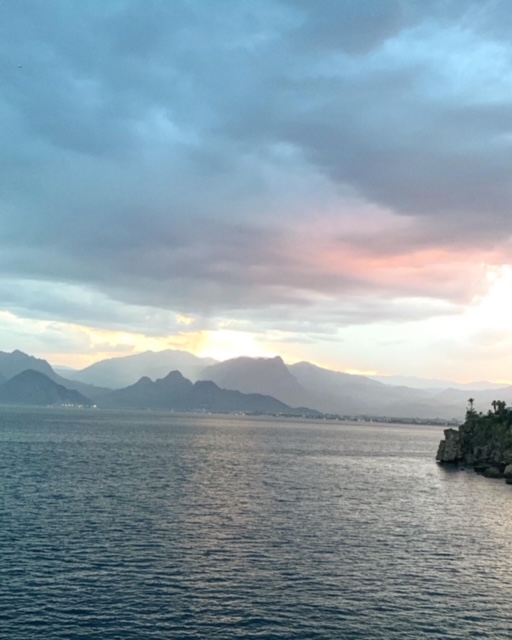
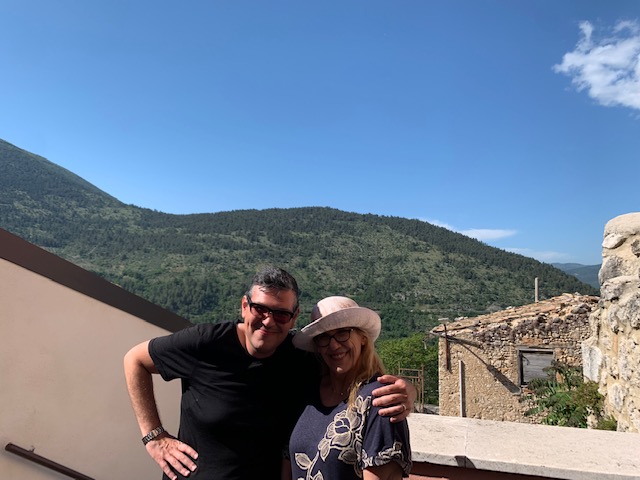
As I mentioned in my last post, Málaga was very crowded when we were there so the chance to take it easy in a small mountain town definitely appealed to us. Frigiliana has its fair share of tourists but most are day trippers; plus it has a more-spread-out, less sardine-in-a-can feeling than a big city. Our rental is on a quiet edge of town, overlooking the Sierras of Tejeda, Almijara and Alhama Natural Park.

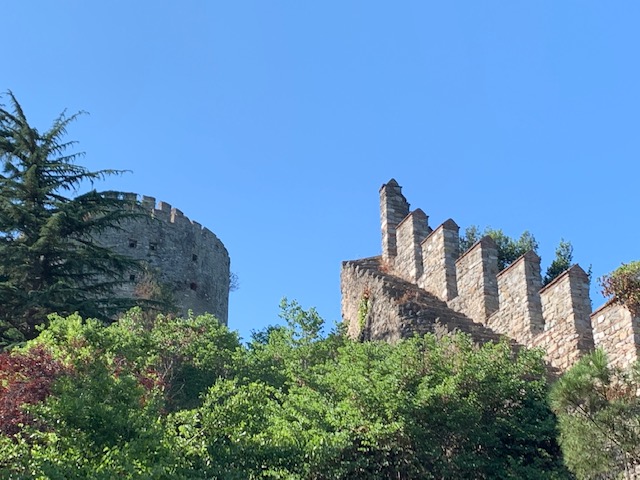
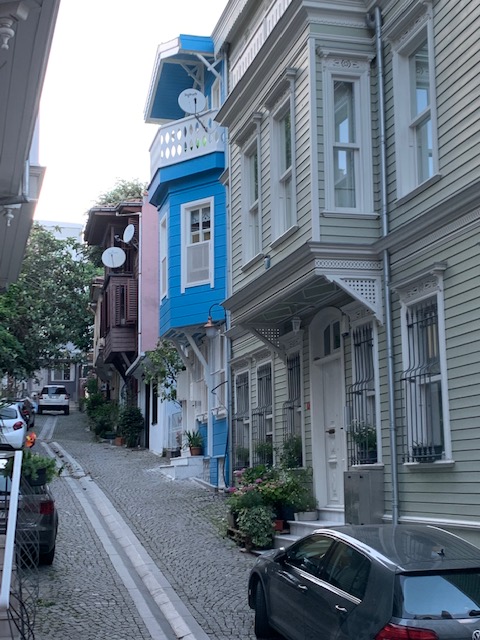
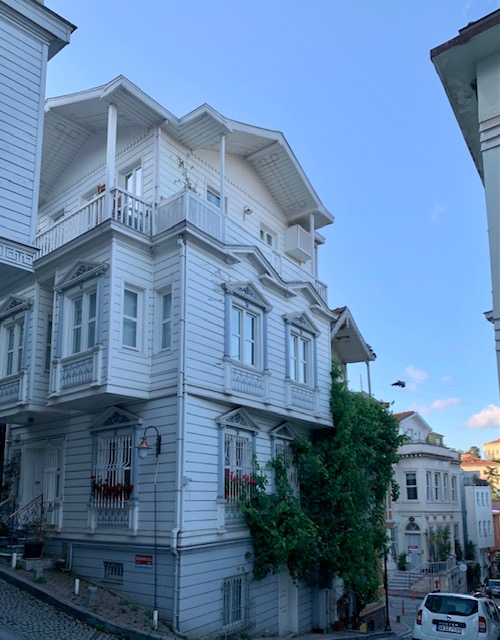
Frigiliana is a Pueblo Blanco (white village) named for the whitewashed buildings that make up the town, which is done to keep the interiors of the buildings cool in the hot Andalusian summers. There are 19 Pueblos Blancos in Andalusia. At one time they served as a border of sorts between the Christian Kings in the North and the Moorish kingdom in the south. The villages are mostly in the mountains (once serving as fortresses), with small, winding streets and the whitewashed buildings, typical of these Iberian Moorish villages in the Middle Ages. Frigiliana has been named as Spain’s “Most Beautiful and Well-preserved Village”on multiple occasions.

The town consists mostly of eateries and tourist shops. A fellow named Paco owns a small grocery store and fruteria near our rental. He doesn’t speak any English, which is somewhat unusual for the more touristic south. It works out well for us as we can practice our Spanish with him. He tells me my Spanish is good, which is nice of him.

We always lead with Spanish in any interaction (we are in Spain, after all) but 90% of the time here in the south, the person responds in English because they are used to dealing with English-only speaking tourists. In fact, we went to an Indian restaurant here in Frigiliana and the waitress was Irish (the chef was Indian). She not only spoke English to us but also to the Spanish family who came in, only one member of which could speak English. She then complimented the woman on her English when she had to order for the whole family!

We took a quick day trip to the town of Ronda, another Pueblo Blanco, famous for their large Puente Nuevo (new bridge) connecting the town via two giant cliffs. The “new” bridge was built in 1793. The town also has a very cool Roman bridge that we passed on our walk up, into the town.

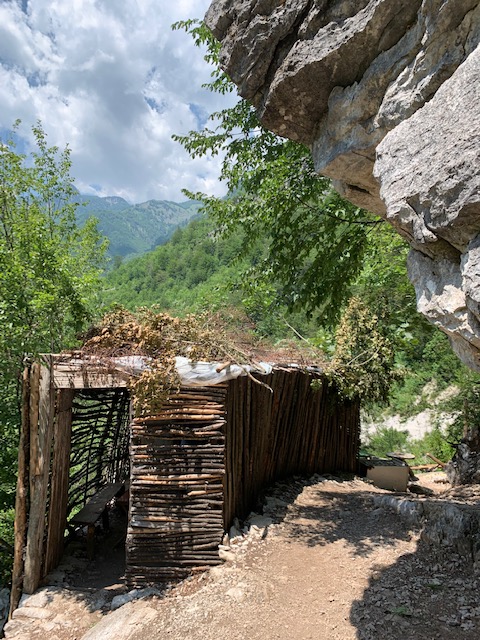
We’ve taken advantage of all Frigiliana has to offer including beautiful hikes into the Sierras of Tejeda, Almijara and Alhama Natural Park. The first time we went, we set out to do a 3.5 mile loop. We missed the sign for our trail, however, so ended up just walking out a bit and back, though it was still nice to be out in the sunshine and nature. The weather here thus far has been a lot like Southern California; mostly sunny, no humidity, not too hot or too cold. I didn’t realize how much I had missed that.

The second time we set out to do our loop, we made sure to take the correct turn. There was a couple behind us (to make this easy, I’m going to call them Blue Shirt and Makeup) ascending the hill and we stepped aside and let them pass. After a few minutes, we continued on. Pretty soon, we encountered Blue Shirt and Makeup heading back down. They asked us if we’d taken the route before because up ahead the trail suddenly stopped. We said we had not and thought to ourselves that sounded odd but it was definitely within the realm of possibility that we had once again taken a wrong turn or path or that something had obstructed the route. We turned around as well and started heading down, directly in front of Blue Shirt and Makeup, when we met yet another couple (I’ll call them Fit Gal and Cargo Shorts). Phil asked if they had hiked the trail before to which Fit Gal replied they had not but were following a map for the loop path. I explained that Blue Shirt and Makeup had been following the trail up when it suddenly stopped. Makeup then added,”Well, it doesn’t stop but you can’t go forward without climbing,” a bit of information she had initially omitted. Fit Gal said “Yes, that’s the idea,” to which Cargo Shorts responded “Hey, you didn’t tell me that!” and they both continued up the hill. Phil and I looked at each other, deciding on how we wanted to proceed. Makeup said something like, “Trust me, you don’t want to go that way” and her and Blue Shirt continued down.

Up, up, up

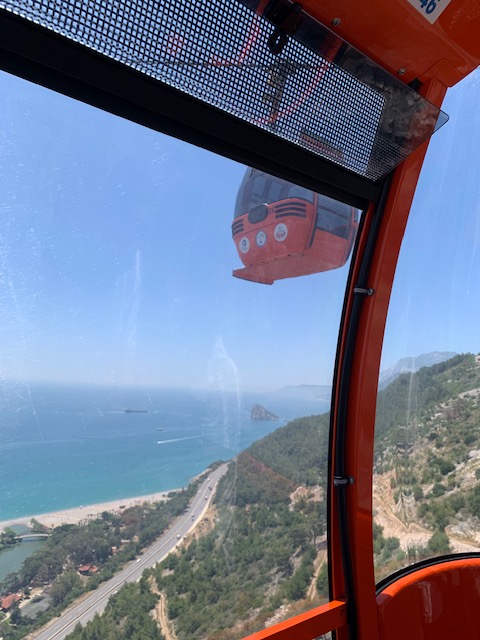
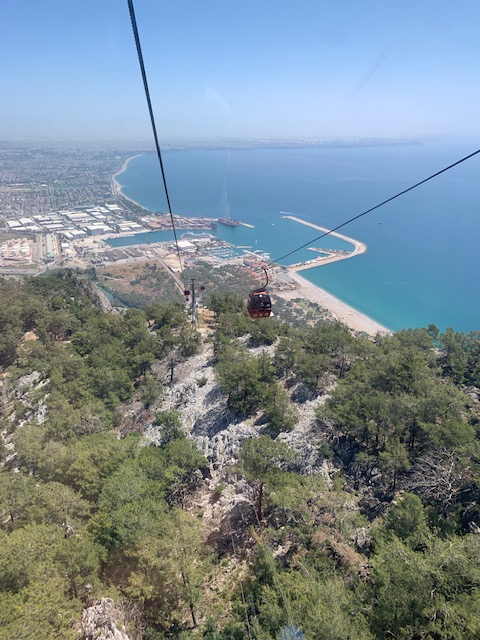
We decided to follow Fit Gal and Cargo Shorts and check out the situation for ourselves. We figured we could always go back if the trail became too treacherous but at this point we were curious about this “climbing” portion of the trail. While we did encounter some steep, rocky areas (we were walking up a damn mountain after all), there was nothing super dangerous or that required any gear other than our two feet and shoes. We stopped a few times for breathers, leap frogging with Fit Gal and Cargo Shorts, and were quite proud of ourselves when we reached the top of the mountain, huffing and puffing as Fit Gal zoomed passed us in her trail running shoes toward the highest peak. It offered spectacular views of Frigiliana as well as Nerja, the coastal town below. We enjoyed it so much, we went back for a second round a couple of days later.

The only day trip we’ve taken during our two weeks here, other than to Ronda, was to the beach town of Nerja that lies below Frigiliana. Before arriving, we had grand plans of day tripping all over Andalusia; Cordoba, Cadiz, maybe a Morrocan tour day. We ended up deciding that we can’t see it all no matter how much we try to cram in. We are also preparing for a pretty intense travel schedule over the next month. For us, it made more sense to unwind in a relaxed, natural setting to recharge our batteries a bit before visiting city after city over the next few weeks.

View of Nerja from Frigiliana

So what’s on the agenda for the next month? Well, we’ll be heading to Granada in a couple of days followed by Seville where we will be joined by my cousin and aunt (yay!). From there, we will travel to Edinburgh, Scotland. We’ll part ways with my family there and fly on to Rome. A few days later, Phil’s mom will join us. Phil’s mother, Marie, was born in Italy (we visited her home town in 2019) but hasn’t returned since she left at age 2. We’re excited to spend most of May traveling through Italy and then into France and Switzerland with her, taking in sites and visiting family. We have a few more travel locations in mind before returning to the States so stay tuned. Our next chosen destinations may surprise you.

First stop in Andalusia: Málaga

Phil and I left Gijón on April 1st and headed for Andalusia. Our plan for sometime has been to spend the month of April here in the south of Spain exploring Andalusia. We have never been to the south in any previous travels and it offers cultural experiences unique to the region.

The Moorish influence is seen in the south much more than in the North; in the architecture, mosques, mosaics, and even the food. In fact, Asturias is the only region of Spain that the Moors did not conquer. Some consider The Battle (and victory over the Moors) of Covadonga, led by Asturian king, Don Pelayo, as the beginning of the reconquista (or reconquest) of Spain from the Moors.

We’re excited to experience Andalusian culture during our month here in addition to the unique features of each city we stay in. Currently, we are in Málaga, on the Costa del Sol (Coast of the Sun) of the Mediterranean Sea. Málaga’s history spans almost 3,000 years and is considered to be one of the oldest, continuously inhabited cities in the world.

We’re staying in old town Málaga, which luckily means we are near a lot of the historic and cultural tourist attractions and also, unfortunately, means we are near a lot of the historic and cultural tourist attractions. We love taking in cultural sites but really dislike the crowds and hubub of major cities. But wait, Jess. Didn’t you live in Los Angeles*? I know. I know. But LA is spread out. European cities are not.

If money were no object and we could always travel exactly as we want to, we would stay in a small town near the big city and take a cab to and fro in addition to renting a car and exploring the countryside. Driving and parking in a big city can be expensive and frustrating and often, public transportation may not be an option to take to small, country towns. *This is actually quite a lot like Los Angeles (and why we lived in Long Beach).

Money, is an object (what does that saying even mean?), however, so we are staying in the city center which allows us to walk to almost all attractions we want to see and also provides easy access to public transportation for things that may lie on the outskirts of town.

Málaga has a lot to offer. Sixteen museums/historic/cultural attractions just within walking distance (this may vary depending on what you consider to be walking distance) of our Airbnb. We have decided since we are going to be doing a lot of traveling in the coming months, we would give ourselves at least the first day in any new location to do absolutely nothing and feel ok about it. Since we aren’t going to have a home base for quite a while, we need to give ourselves some down time as if we are in our home. No one can maintain a vacation-level travel itinerary for months without suffering extreme burn out. We don’t want to burn out. We want to enjoy our lives. We don’t have to hurry and we don’t have to see everything that any one destination has to offer.

So, our first day in Málaga, we didn’t do a darn thing except go to the grocery store right next door to our apartment. The next day, we slept in and decided to go out exploring around lunch time. We walked through the super busy and touristy old town dining area, passed some places our airbnb hosts had recommended (they were all packed).

We happened down a little, narrow street and onto a place called Restaurante La Valiente Málaga. It was totally dead inside but super cute and a quick Google search revealed good reviews. The waiter was nice and the menu selection was good. We chose to split a dish of Migas (stale bread crumbs, seasoned and cooked in oil) topped with [ethical] foie gras. A pair of Spanish farmers are producing foie gras without the standard practice of force-feeding the animals. The menu detailed this and our waiter informed us as well(I even found an NPR article about it). We also enjoyed a dish of ravioli stuffed with pork, ricotta, and parmesan in a white wine, saffron, and parmesan sauce. It was amazing and tasted like very fancy mac-n-cheese. We finished by sharing a postre of layered short-bread cookies with mascarpone cheese, sherry wine cream, and candied figs. It was a-mazing. Rich and not too sweet. Everything was really delicious and quite reasonably priced.

After lunch, we decided a nice, long walk was in order so we headed toward the beach. It was a little chilly and a lot windy but the sun was shining so off we went. There is quite a large park, Parque de Málaga, that runs parallel to the beach. It’s a large, 33 hectare green space that includes gardens, fountains, and sculptures.

After exiting the park, we continued along the beach. In the weeks before our arrival, Málaga had experienced the worst train storms they’ve seen in 50 years. Most of the buildings are covered with a reddish-orange film of sand because of this. Some of the beach front looks a bit disheveled as well. Many of the chiringuitos (beach bars) that line the water have been in a rush to repair and rebuild from the damage. We saw many chiringuitos open for business and a few closed and others hurriedly making repairs in preparation for Semana Santa (holy week) that attracts many tourists from throughout Spain and the world.

After walking along the beach, we took a path a bit in and up toward a lookout point. El parque forestal de El Morlaco is a large, hilly park that felt like a forest within the city. There were several dog parks within the larger park and I always love seeing dogs so, bonus!

After our walk, we decided to check out the CAC (Contemporary Art Center) Málaga. We really enjoyed their collection. I’ve shared a few of my favorites below.

The next day, we decided to check out Alcazaba. The name of this fortress-palace means citadel in Arabic. It was built between 1057-1063. Below the citadel sit remnants of a Roman theater dating back to the first century BC. Some of the Roman era materials were reused by the Moors in their construction of Alcazaba. Alcazaba is connected, via a walled corridor, to the castle of Gibralfaro; which sits even higher on the hill, overlooking the city. The site dates back to the Phoenicians around 770 BC and was fortified by Calif Abd-al-Rahman III in 929.

One can purchase entrance to Alcazaba for 3.50 or entrance to both Alzacaba and Gibralfara for 5.50 so we opted for the two-fer. Alcazaba is incredibly well preserved and huge. It was easy to get a bit turned around walking through. It was crowded but very worth the nominal entrance fee.

Image courtesy of Wikipedia

Although the two fortresses are connected, the public must access the sites separately. Gibralfaro is quite a climb so we opted to head back to the apartment for lunch and see it later in the day.

We returned, re-fueled and ready to climb; and climb we did. Up, up, up to the castle ruins. Sturdy ramparts are all that are left of the castle but one can climb and walk along them and check out the great views of the city, and the plaza del toros.

There is a Parador (private/public hotel chain in historic Spanish buildings) near the castle. I’ve written before that whenever Phil and I are in a city with a Parador, we like to go have a coffee there. The coffee did not disappoint and the large patio off of the hotel offered a nice spot to take a rest.

The next day, we were off to visit the Russian Museum of Málaga, the first Russian state museum in Western Europe. The museum’s collection is comprised of selections from the Russian state Museum in St. Petersburg and is renewed every year. The space also hosts temporary exhibits. We were lucky to see the exhibit War and Peace in Russian Art. The exhibit has been on display since before the war in Ukraine began but felt particularly poignant because of it. Russia has a long history of war. The exhibit certainly does not glorify war but depicts the toll on individuals, families, and society. It also depicts the joy and relief experienced in times of peace.

Siberian partisans by Yury Khrzhanovsky 1927

After our long walk to and from the Russian Museum, we decided to head to a wine cellar, named El Pimpi, to see if we could get a table. El Pimpi has been in business for over 40 years and is beloved by Malagueños and tourists alike. In fact, one of the most famous Malagueños, Antonio Banderas, became a shareholder in the bar in 2017. The owner of our apartment informed us that when Antonio Banderas is in town, it is very common for him to have a drink in the bar and talk with folks. He also told us he is very involved in Semana Santa, so we had reason to believe he was, in fact, in town.

As we entered, a large group of tourists were exiting, snapping photos of the photos of famous people on the wall. There happened to be two empty seats at the bar, which we jumped on. We figured the bar suited our needs just fine as we only wanted a couple of drinks and a snack. We had tried unsuccessfully, early in the day to get a dinner reservation. The bar was definitely the way to go and we enjoyed our spot perched near the entrance and the bar tender. We noshed on the absolute best croquettes I have ever had. Grandma’s stew croquettes they were called and they did in fact taste like a delicious stew of roast pork with onion, carrot, potato, and spices had been simmering on the stove for hours, then breaded and deep fried. We also tried the local dish of berenjas fritas con miel which is fried eggplant served with dark honey. They were also delicious. We finished everything with a coppa of the local sweet, red wine of Málaga that is taken after meals as a digestif. Everything was delicious. No sign of Antonio though.

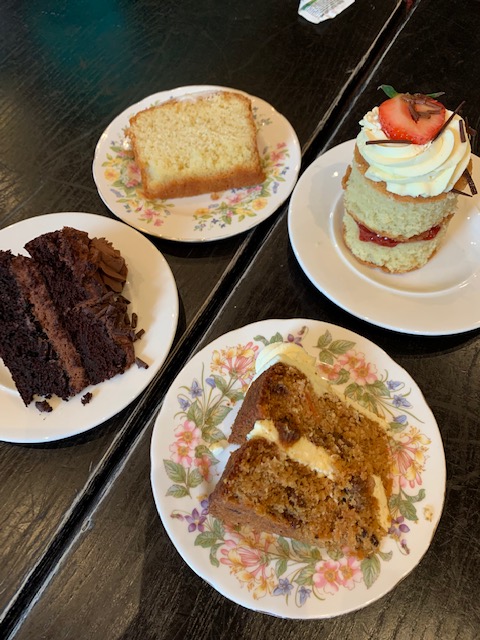
The next morning I got up a bit early (well, earlier than usual) to go down to the nearby bakery and grab a slice of cake for the birthday boy! Carrot cake is one of Phil’s favorites (red velvet is his very favorite, FYI just in case you are ever in a position in which this information could save your life) so I grabbed one plus a slice of chocolate because it’s nice to have choices.

I called and made a reservation for us at Restaurante Gabi, a beach-side chiringuito, that our airbnb hosts had recommended to us. It was a beautiful, sunny day so we decided to walk the hour and half down the beach to the restaurant, as opposed to taking the bus. On the way, we passed many beach front homes and bars along the paseo maritimo that reminded me of the area near Manhattan Beach and Hermosa Beach in Los Angeles County that the locals call “the strand.”

We were tired and very hungry when we finally arrived at Gabi. It was well worth the wait. The waiter provided excellent recommendations. We dined on prawns, salad, and the fried eggplant with honey dish we had the night before. A large sea-bream cooked on an open grill was the star of the show. Almost all of the chiringuiots we passed have large, outdoor grills made out of old, metal boats. It is cool to watch the fish being prepared near the open flame, plus the wood-fire and cooking fish smell amazing.

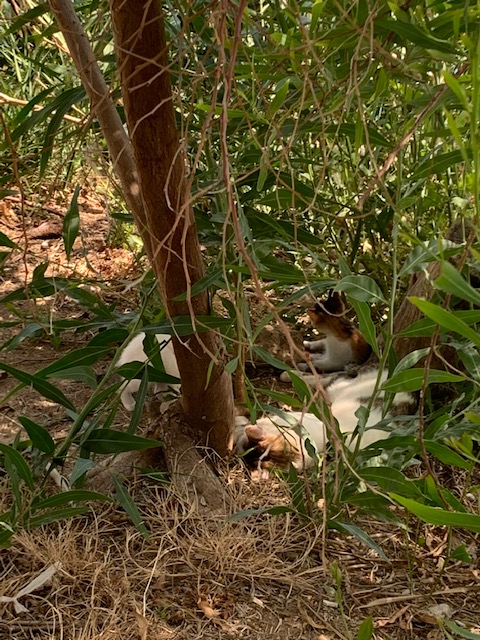
We took our time on the long walk back, stopping for a drink and then again along the paseo to sit and look at the beach. Some cat friends joined us, louning in the sun.

We wrapped up the day with gelato in old town. I had the best pistachio gelato I have ever had. On our recent trip to San Sebastian with my family, I had tasted what up until this point had been the best pistachio gelato I had ever had. I really hope (and plan to do my absolute best to ensure that) this trend continues during the remainder of our travels. Stay tuned for more from our next stop in Andalusia, Frigiliana!

Be sure to check out Phil’s blog about our travels here!

Adventures in Asturias, Basque Country, and Castile : A story in photos

Hi there! It’s been a while since I’ve posted anything and that’s because Phil and I have had a very busy month. A good kind of busy. My aunt, uncle, and cousin visited us in Asturias, then we traveled with them to San Sebastian and on their way back to the Madrid airport, they dropped us in Burgos!

I am writing this post from Andalusia. Phil and I said farewell to our beloved Gijón yesterday, our home for the past year. We’ll be traveling around Andalusia for the next month and I will be sure to tell you all about our adventures. For now, enjoy the photos and a few quick stories from our recent travels below. Phil wrote in detail about San Sebastián here and here and Burgos here. Enjoy!

The Woffords arrive! Aunt Sara, Uncle Mark, and Cousin Madison

On our way to Lugo to see the Roman wall (I wrote about Lugo previously), we stopped at Castro de Cabo Blanco and took in the beauty of the Cantabrian Sea.

While in Lugo, we went to the same restaurant for pulpo gallega (Galician octopus) that Phil and I had visited on our trip there. When speaking to the waiter, I thought he said he would bring enough pulpo for three people. There were four of us but as we weren’t sure if everyone would like it so enough for three people sounded sufficient. We could always order more, if needed. Welllllllll, Sara and Mark did not care for it (we ordered some steak and fries, so they did not go hungry) and Madison and I attempted to tackle the mountain of pulpo on our own. Pulpo is very high in protein and very filling.
We did our best, to the point of being uncomfortably full, but ended up leaving a bit of pulpo. Asking for a doggy bag isn’t really a thing here in Spain and leaving too much food is considered rude. When the waiter collected our dishes, I let him know the pulpo was quite good, “Que rico” and he motioned to the remaining pieces with disapproval. We discovered when he brought the check that instead of pulpo for 3 people, we’d been given 3 orders of pulpo! One order had been more than enough for Phil and I.

The next day we headed to Covadonga and Cagnis de Onis. Phil and I had visited once before but they were definitely worth a re-visit.

A few from our last day together in Gijón:

Next stop: San Sebastián!

On our way!

Pinchos (or pintxos in Euskara, the Basque language) are small portions of food, typically in the style of an open-faced sandwich, served with wooden cocktail sticks. At least, this is what they are in Basque country and some other areas of northern Spain. In Asturias, pinchos refer to small sandwiches eaten as a snack or for breakfast and they also refer to small plates of gratis food served with drinks i.e. olives, potato chips, nuts, or sometimes stuffed buns or tiny sandwiches.

I love Basque-style pinchos. They may be my favorite thing to eat in Spain. It is so fun to look at the selection offered (usually under glass at the bar) and pick and choose what looks tastiest. San Sebastian is known for their food. It is some of the best in Spain. The food was indeed good. I was very surprised, however, at how good the food in Burgos was. They also offered pinchos. So. Many. Pinchos! I felt their quality and variety most definitely rivaled what we’d had in San Sebastian.

Stay tuned for more travel adventures coming your way!

Antroxu for Me and You!

A few weeks ago Phil and I started seeing posters around town with the word Antroxu and a guy in a rainbow unicorn costume on it (see below) and we figured it was some kid-focused carnival. We didn’t think twice about it until some friends from our meetup group started discussing the regional happenings for Carnaval. Carnaval is essentially the same thing as Mardi Gras, both of which are the celebration period before the Catholic fasting season of Lent which begins on Ash Wednesday and ends on Easter Sunday.

Our friends shared a link of Asturian happenings for Carnaval and we realized that Antroxu was Carnaval. Antroxu is Asturian (not Spanish) for Carnaval (Xixón is Asturian for Gijón). Let me tell you, Antroxu is big in Asturias, with many towns hosting grand celebrations with costumes, bands, parades, and music. The official holiday (a for real, you don’t have to go to work holiday) of Antroxu is the day before Ash Wednesday, the same day that is typically referred to as “Fat Tuesday” in the U.S. However, the celebration, as the poster indicates, lasts for several days.

The unofficial start of Antroxu is on February 24th with Les Comadres. Les Comadres is a huge ladies night and is an Asturian tradition that is not celebrated in Spain at large. The origins date back to Roman festivities that celebrated married women during the month of March and was the only time of year that women had the same rights as men. Women of all ages go out for a night of traditional foods and sidra with [lady]family and friends. The night might even include entertainment by a male stripper! During the Spanish dictatorship, Comadres was frowned upon, so women hosted celebrations in their private homes. Since the early 80’s, Comadres has once again been celebrated in siderias and restaurants throughout the region. Our profesora Lupe informed us that she has a group of six women that she celebrates with every year. How fun!

Photo from local newspaper El Comercio of a past Comadres celebration in Gijón

We decided we would celebrate Antroxu by attending the annual parades in both Gijón and the nearby town of Avilés. The Avilés celebration takes place the Saturday before Lent and is famous for their large foam cannons (huge cannons that shoot soap suds) that they use to fill the streets with “la foma”. We even saw a video from a prior year’s celebration of folks kayaking down the streets in the foam!

We met up with our friend, Utkarsh, at the bus station and followed the costumes toward the action. Two large stages had been erected in one of the town’s main plazas and metal barricades set up on the pedestrian-only street marking the parade route. We grabbed a table at a cafe along the parade route and settled in. Just after we ordered a second beer, however, the waitress informed us that we would need to move as in five minutes, la foma would be covering the streets. We watched as her and her co-worker hurriedly stacked the outdoor tables and chairs and we hurriedly chugged the beers we’d just ordered. Excitedly we put on the plastic ponchos we’d purchased for the occasion.

We stood along the street in front of the cafe and saw them wheel out a foam cannon and cheered as it started spraying. Little children and teenagers led the charge into the stream of foam. After about thirty seconds, however, the foam stopped. Confused, we waited ten minutes and again, the cannon had a short burst of foam and stopped. After this happened 2-3 times we decided to walk around the corner of the plaza to see what was happening. We saw another cannon doing the same, sporadic bursts. This was about half an hour after the parade was to have started and we wondered, “Is this it”?

Then we decided to grab a beer at one of the restaurants that had tables set up in front of the stages on the plaza. We figured whatever was going to be happening on the stages, we now had a front row spot to check it out. Eventually, an hour or so later, we saw a few floats go past. The foam was getting fuller in the streets as well but by that time, I’d lost my desire to play in it. It was dark and cold and the idea of being wet and cold did not appeal to me.

We enjoyed our beers and a couple of pizzas as we took in the costumes of the passers by from our vantage point in the plaza. At 10pm, we realized that nothing would be happening on the stages until 12:30 and decided to call it an early night, figuring we had Monday in Gijón to make up for it. As we made our way to the bus station, we saw loads of teens and twenty somethings with bags upon bags of ice and bottles of hard liquor heading toward the plaza. Utkarsh explained that they were preparing for a Botellón, which is a gathering of young folks drinking in the streets.

On Monday, Utkarsh joined us for lunch at one of our favorite spots in Gijón, Bistro 21. Utkarsh had met us there for lunch once before and fell in love with their pistachio tiramisu (it is truly amazing) and called to ensure they would have the desert on the day we went. They did along with some other delicious dishes including a goat cheese pastry with tomato jam, salad of chicken and avocado, and pork with pear chutney for the first course offering and Greek musaka and cod with a saffron aioli for the second.

After lunch we took a long walk before returning to our place to relax a bit and get ready for the parade. Our friend Diana, and her daughter, Diana, met us at 7pm and we headed out. We weren’t sure what to expect after having been a bit disappointed by the events in Avilés.

As we neared the parade route, we heard loud and lively snare drum beats. The parade in Gijón doesn’t have large floats but consists of several (twelve this year) groups of charangas. A Charanga is a group of drummers and dancers who perform a routine based on a theme of their choosing. The charangas work together to develop the theme and routine throughout the year in anticipation of the performance. Families often perform in the same charangas year after year and is a tradition passed down through generations. Awards are given based on performance with the top finishers receiving prize money.

In addition to the charangas, there were also other groups without drums and dancing who walked along the parade route with small carrozas (floats). These carroza groups also had a chosen theme and are awarded prizes based on presentation and performance.

The charangas all gave wonderful performances. We danced and drank beer on the sidewalk while enjoying each performance and happily awaiting the next. The vibe in the streets was a joyous and celebratory one. As the last performers passed by, everyone along the parade route filled in the street and followed the parade, dancing and laughing all the way.

The following afternoon, we joined some friends for a typical menu de Antroxu that consisted of traditional Asturian foods; pote (Asturian strew of smokey meats, beans, and greens) and picadillo (ground chorizo often served with friend potatoes and eggs and sometimes fired corn cakes). We of course paired the meal with sidra (Asturian hard cider).

As we were walking our friends home after lunch, we passed all of the charanga groups who were gathered in Plaza de Jovellanos. They appeared to be practicing and waiting around for something. We bid adieu, or more precisely, we bid hasta luego, to our friends and decided to stick around and find out what was happening. After a while, the charangas began taking off, one by one, making their way up the calle toward Plaza Begoña as they performed. We were witnessing parade round two it seemed and I was all about it! Each charanga made their way toward the stage that had been erected in the plaza and then dissipated into the crowd.

We made our way toward the stage and saw her, La Sardina. Entierro de La Sardina (the Burial of the Sardine) takes place on Antroxu, the day before Ash Wednesday. While Wikipedia provides this explanation for the ceremony, we were told by several native Spaniards that it is a joke referring to Lent. They explained that because during Lent, Catholics don’t eat meat on Fridays but fish, the sardine is being buried to suggest that if all the fish are buried, then they can eat all the meat they please.

In addition to large sardine lying in state, there were mourners dressed in black on the stage as well as many older women in the crowd, dressed all in black, often with veils on. As I snapped a few photos of La Sardina, they began announcing the carrozas and charangas winners. Our friend Luis was in one of the charangas, named Perdíos de los Nervios (madly nervous) which won fourth place. Their theme was fortune tellers and their costumes were really cool with each non drummer wearing a desk with a crystal ball and a computer with webcam (for modern day fortune telling).

Perdíos de los Nervios

I am so glad we decided to participate in the Antroxu festivities. Being in a new country and having new cultural experiences has been very exciting. It has certainly led us out of our comfort zone at times and encouraged us to do things we may not normally do. When we return to the U.S. one of the lessons I will take with me from our experience is to get out and attend local events and celebrations. Typically, going to the town apple festival or the city’s Thanksgiving parade would not appeal to us: too many people, too many kids, too much going on. But why not? If we go once and hate it, we won’t go back but I shouldn’t assume it’s going to be a bad time if I have never experienced it. Attending those little (or big) local celebrations are experiencing culture too. My culture, the culture of my neighbors, the culture of my community and fellow Americans. You don’t have to live in an exotic location or foreign land to learn about people, who on the surface anyway, may be different than you are.

Asturias: ABHF (Always be Having Fun)

Not having jobs enables us to treat the whole week like our weekend. We try to use our extra time to experience what Gijón and Asturias at large have to offer. Last week in particular was filled with a variety of fun activities. It makes me laugh sometimes at how full of social activities our dance card often is given that we’re both introverts and not at all social butterflies (I am more of a solitary unicorn). So, I thought it might be fun to give you a rundown of the last week. Brevity isn’t a strong-suit of mine, so we’ll see how it goes.

Wednesday

Wednesday we took the FEVE train south to the town of Langreo (Phil writes in detail about it here). It was a beautiful, sunny day and the little town felt quite bustling. Langreo is on the Nalón river and we enjoyed our time walking along the river, noting lovely street art and at least two suspension bridges over the rio. We had a delicious menú del día at La Toscana, saw some very unusual birds in the Parque de Antonio García Lago, and enjoyed a tour at the Museum of Mining and Industry in the small village of L’Entregu, a short walk down the river.

Thursday

Thursday we took a walk near the Universidad Laboral de Gijón (I wrote about a previous trip to Laboral here). In our trips there before, we’ve attempted to get a coffee in the café on campus and without fail, it is always either closed or just getting ready to close (and won’t serve us). But recently a friend clued us in on another spot near Laboral. She said, “I know it sounds strange to foreigners but there’s actually a café/bar at the funeral home.” The funeral home is near to both Laboral and a large local hospital. I think having a bar at a funeral home makes absolute sense. We walked over to what I kept referring to as “the funeral home bar” (which is actually more of a café) to grab a drink and check it out. We each had a beer and noted their delicious looking cakes and sandwiches. The places was actually quite full of folks. Apparently it is a popular lunch spot for hospital staff.

Thursday night, we met up with our Gijón meetup group that we affectionately call “The British meetup group” because it was started by a British woman and has several British members. It is actually quite an international group with members from Spain (of course), The Netherlands, Romania, New Zealand, and Germany. We met in a bar called The Indian Cafe that is filled with Native American and wild west items from the U.S. (saddles, animal skins, old timey photos, and lots of dark wood). It is very odd and interesting indeed and no one seems to know why on Earth there is a Native American themed bar in Gijón, Spain, though our friend Diana, a Gijonesa,told me it has been there for a long time.

“The British” meetup group

Friday

On Friday, we met up with our friend Utkarsh in Oviedo. Utkarsh is the founder of the intercambio (language exchange) meetup group we attend in Oviedo. He is a very cool and interesting guy. Originally from India, he has a Master’s Degree in Spanish and teachers English in a rural Asturian school.

Like us, Utkarsh has a deep appreciation for food, all kinds of food. We met him for a late lunch on Friday at a restaurant called La Panoya that has a very inexpensive menu del dia. The menu includes many, many choices for your first and second course. Typically, when a menu del dia is very inexpensive, it is also very simple i.e. soup, potatoes, pasta, and other things you can cook in large quantities for very little money. It is also unusual to have so many choices, with restaurants typically offering two to three choices per course. La Panoya is not your typical restaurant. The had a ton of choices with huge portions of really delicious food that had a depth of flavor and variety of spice. They even gave us a seafood mousse and large bowl of shellfish soup, free of charge, on top of everything else. We all ordered different dishes and shared them all. Needless to say, we were quite full, wayyyyy too full, when we left La Panoya.

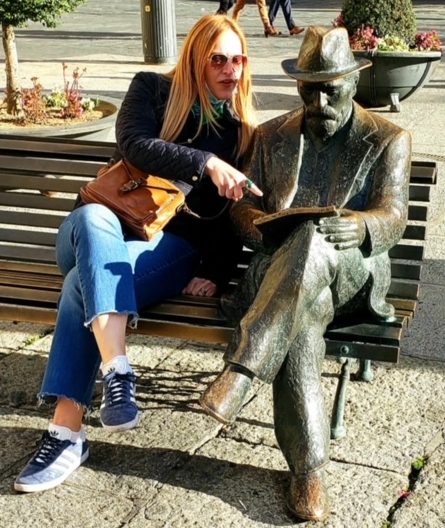
We took a long walk around Oviedo after lunch and Utkarsh showed us an old church from the 800’s that we’d never seen before. We then attended the intercambio group that night and before catching the bus home snapped a couple of photos with Mafalda. Mafalda is an Argentine comic strip beloved throughout Latin American and Europe. Mafalda is a young girl, wise beyond her years who makes humorous commentary about serious social issues. I really like Mafalda and she just so happens to have a statue in Campo San Francisco Park in Oviedo. There’s normally a bit of a line waiting to get a photo with her. Turns out 10:30pm on a Friday is a pretty good time to snap one.

Saturday

And on Saturday, we rested.

Sunday

Sunday was jam packed with fun. We met up with our friend Diana and new friends David and Belén. David is from New Zealand and Belén is Spanish. We took the bus out to the neighborhood of Vega and then followed the Senda Fluvial del Río Piles trail (that follows the Piles river) to Parque Fluvial, a park in the south east of the city. It’s a nice, flat trail that gives you the feeling of being out in nature without being too far from the city. Phil and I had walked the trail together a week prior and thought it would make for a nice, leisurely Sunday stroll. The trail was a bit busier than when Phil and I had taken it on a the previous Thursday, passing other walkers and being passed by bikers periodically. The weather was sunny and although cool when we started our walk, we quickly warmed up.

After the hour and a half or so walk, we stopped at a cafe in the Pumarín neighborhood for a beer. During our walk, David had mentioned a really good Mexican restaurant they had visited in the city called La Doña. Always on the search for good Mexican food, and, it being near lunch time, we all decided a trip to the restaurant was in order. I am so glad we did! La Doña is a small, almost shotgun style little place. It’s run by a Mexican family that offers authentic Mexican food (with spice!) and refreshing margaritas. The owner plays the guitar and serenaded us with his beautiful voice. All were silent as we listened intently as he hit high sustained notes filled with the pain and longing of the song. I didn’t understand all of the words but I clearly felt the emotion. He finished with the Beatles’ Norwegian Wood in English. He was even nice enough to take our photo afterward as we struggled to get everyone in a selfie.

After our fantastic lunch, we had just enough time to run home, have a coffee, and freshen up before we met up with two other friends. We met Julian, a Spaniard who was raised in the Netherlands, at the British meetup and in talking on Thursday, discovered that we were attending the same concert on Sunday night. We met up with him and his partner, Maria, for a drink before the concert and had a lovely time getting to know them before heading over to the Jovellanos theater for the show.

José González, a folk singer-songwriter we’ve been fans of for years, played at the Jovellanos Theater here in Gijón! We saw him a few years ago in Los Angeles but this felt like a much more intimate event. It was just him and his guitar plus we had great seats. We have thrice had concert tickets purchased for shows in Europe since we’ve been here and thrice they’ve been canceled due to covid related issues. We were so happy to be able to enjoy this show.

I have often seen posters advertising events at the Jovellanos Theater in cafes and other businesses around Gijón and the Jose Gonzalez concert was no exception. The morning after the concert, I was able to both practice my Spanish skills and get an awesome concert poster commemorating the show by inquiring at a local business. Score! Another week of adventure in the books.

Highlights of Barcelona: Part 2

On our third morning in Barcelona, we bought tickets online (tickets can be purchased on the websites of most attractions for several less euros than purchasing them at the actual location) to La Sagrada Familia, the famed church designed by Antoni Gaudí that has been under construction since 1882. I’ve mentioned before that we are hesitant to pay for church tours but we’d been told by friends that the hefty entrance fee was well worth it. We actually found out during our tour that the project is entirely publicly funded (seems to me like the Catholic church could kick in a few bucks) so I felt better about the ticket purchase, particularly given that the financial effects of covid have pushed back the anticipated completion date of 2026. They are now unsure when the church will be finished. Phil had read that near sunset was the best time to visit so we booked the final tour of the day, 4:30pm then set out for Parc de la Ciutadella.

It was a bright, sunny day which made the chilly weather feel springlike. We walked by the harbor which was near to the park and saw huge luxury yachts. We also saw the biggest sailboat we have ever seen. It even seems odd to call it a sailboat. It is a huge luxury yacht that happens to also have sails. I went online to find a photo of a sailboat that was similar in size and came upon an article by Boat International: The global authority in superyachting (I’m sure most of you have subscriptions) listing the top 10 largest sailing yachts in the world, one of them being the Black Pearl. I think the boat we saw may well have been the Black Pearl. It was built in the Netherlands in 2018 and is owned by the family of a Russian Billionaire. Further sleuthing revealed that the yacht is currently sailing it’s way to Gibraltar (British territory at the southern tip of Spain) so it certainly could have been the boat we saw. Anyway, here’s a picture of the Black Pearl either way. Big boat, right?

Photo of the Black Pearl from Boat International

Leaving the harbor, we crossed the street to Parc de la Ciutadella, a large and lovely green space in the city. As we were glancing up into the trees, we saw the largest birds nests we have ever seen. We heard the loud, almost screeching of birds. I didn’t know why but the sound seemed familiar. We walked a few more feet and saw bright green parrots high up in the trees, working on their nests. Next to their tall nesting tree, a tangerine tree was conveniently located. Several of the birds fluttered about, snacking on the citrus fruit. When we lived in Long Beach, a band of rouge, feral parrots famously inhabited the neighborhood of Belmont Shore, near our apartment. The parrots were rumored to have escaped from a pet-shop in Pasadena in the 1980’s. I knew the parrot shrieks sounded familiar!

Next to the parrots was a large, wood slatted building. We wandered in and discovered it full of lovely, lush green Palm trees, ferns, and the biggest elephant ear plants I have ever seen (I guess we had a theme for the day)! We were the only ones in the place so we took our time and enjoyed the sunlight peeping through the slats down on us and the greenery.

We walked all around the large park and saw other folks enjoying the sunny day. We passed the Catalan Parliament building that had the cutest little seating area for two in front of it (I mean not right in front. That’s where the armed guards hang out) built around a tree. We also saw the Arc de Triomf, which was built for the 1888 World’s Fair, and some other cool buildings.

After we left the park, we decided it was time for lunch. We happened by Bracafe which has been around since 1929 and figured there must be a reason for that so sat down at one of their outdoor tables in the sun and ordered the menu del dia. For the first course we had a salad of goat cheese and caramelized onion and a dish with bacon and cabbage that had a delicious spice mix that we couldn’t quite place. Second course was baked chicken and potatoes for me and pork loin and potatoes for Phil. We finished the meal with pistachio gelato and chocolate cake with a nice coffee, of course.

We made our way to La Sagrada Familia after lunch and arrived about a half hour before our scheduled tour which gave us time to explore the church on our own for a bit. We’d seen the outside of the church during our visit in 2008. That alone was quite impressive but the inside is truly something to behold. In my opinion, in terms of beauty and majesty of European churches we have visited, it is only trumped by St. Peter’s Basilica in Vatican City. Phil writes in more detail about our tour here.
We were one of the last ones to leave La Sagrada Familia right at closing time and started the long walk back toward our Airbnb. We were discussing dinner plants when I remembered an amazing looking tapas place we’d passed that morning, Bilbao Berria. I committed the name to memory in the two seconds in took to walk by the place because the tapas looked sooo good. I am so glad I did.

The tapas were of the Basque style in Bilbao and called pintxos (pinchos in Asturias). They lined the L shaped bar under a glass covering. They were beautiful. It was a self serve situation and our table had a small vase on it where we placed the large toothpicks piercing each pinxto. This is how the bill was tabulated. Some of the toothpicks had slightly different tops to distinguish between varying prices (€2.00-€2.60 each). The pinxtos were absolutely delicious and I not so jokingly joked with Phil that we should return the following evening. I went to sleep that night with a full belly and a smile on my face.

The next morning we took the metro to Laberint d’Horta (Labyrinth of Horta) a garden that also has a (you guessed it) labyrinth. It was a lovely and peaceful place that felt like we were in a secluded wilderness at times as opposed to a major city.

After walking around the gardens, we walked to the CosmoCaixa Museum. A friend who used to live in Barcelona recommended it to us and we were sure glad he did. It’s a huge, five story science center with all kinds of interactive and informative exhibits from a very cool Tesla exhibit to archaeology, biology, aquarium, and a “tree forest” area that housed a man-made pond/aquarium with all sorts of fish, turtles, and waterfowl. They even had a capybara which is a giant rodent that looks like a gerbil but weighs about 50lb. It was equal parts cute and terrifying. It reminded us of a cuddly version of the ROUS’s (rodents of unusual size) from The Princess Bride.

We enjoyed a coffee in the museum’s cafe before walking to catch the bus back toward our Airbnb near the Las Ramblas area of the city. Phil had read about a hidden gem of a tapas bar called El Jardi located in the courtyard of an old library. We found the bar but had a bit of time to kill before they opened. Across the street we popped into another little bar to kill some time. To my delight, they had Mexican food on the menu! To my chagrin, they kitchen was not yet opened. It was an odd time to be eating, passed the customary lunch time of around 2-4pm and well before the usual dinner hour of 9pm.

We hadn’t eaten lunch so were especially hungry. We each ordered a beer and finished them rather quickly, remembering an empanada place we’d passed earlier and deciding we were even hungrier than we thought. As I was paying for the beer, the bartender advised me that we should come back when the kitchen opens because the food is really good. I took it under advisement as we rushed out the door to find sustenance.

The two empanadas were delicious and we resisted the urge to buy two more, trying to save room for tapas at El Jardi. We arrived at El Jardi just as they were opening and were the first customers of the night. We picked a seat in a small, tented area with heaters and pillows that was quite cozy, and ordered a couple of Moscow Mules and enjoyed patatas bravas with a particularly spicy sauce and beef carpaccio.

The food was tasty but Phil and I wished we had ordered another dish as we still weren’t quite satiated. I suggested we go back across the street for a nightcap of nachos and he agreed. Another delicious night and wonderful day exploring the many parts of Barcelona.

Highlights of Barcelona: Part 1

Phil and I recently took a trip south to Barcelona (Phil writes about it in detail here). We visited before as a part of my birthday celebration in 2008. We only spent a couple of days in Barcelona at that time so we were happy to have four whole days to ourselves to explore the city a bit more.

Day 1 Highlights:

We arrived in Barcelona late in the morning and had some time to kill before we could check into our Airbnb. Before our trip, I’d researched a few restaurants (as you do…as I do anyway) and found a spot called La Desayunaria (which basically translates to the place that specializes in breakfast) and in particular, they specializes in American breakfast that they serve all day, which is very unusual for Spain. We hadn’t had an American-style breakfast in over nine months so I was super excited to go. The menu was very much like a brunch menu. We haven’t been out to brunch in over two years (man oh man, I miss brunch). And while they did not offer the bottomless mimosas of our SoCal days, we did indulge in one of the fruity, fizzy delights along with coffee, of course. To eat, Phil chose a breakfast platter that included bacon, hash-browns, cheesy eggs, and pancakes. I opted for one giant pancake, stuffed with banana, and bacon on the side. It was all delicious and really hit the spot.

After settling into our Airbnb, we spent the afternoon walking around, first visiting the National Art Museum of Catalunya, which is located in Montjuic park, high above the city. We enjoyed their impressive collection of Medieval Romanesque art as well as their modern art gallery. We finished our visit with a few of the city at sunset from their rooftop terrace.

I couldn’t end the day 1 highlights without mentioning that we had Mexican food. I’ve written before that there’s not a lot of Mexican food in Spain and the fact that as a people, the Spanish tend not to like spicy foods. Barcelona, being a much more international city than Gijon, offered some really good Mexican food. With spice! Like salsa options that were very spicy. We stopped in La Fabrica del Taco (the taco factory) for a few street tacos and beer and left with a burrito to go because why the hell not? There was no time for a photo before inhaling the tacos but here’s the menu and their cool logo.

Day 2 Highlights:

On our second day we slept in a bit before heading to our 11:30 tour at Casa Batlló, an Antoni Gaudí designed home from the early 1900’s. I really like Gaudi and we’ve visited a couple of his buildings since we’ve been in Spain which I talk about here and Phil talks about here. I was very pleased as Spanish residents we were able to get a two for one entry (score!). We opted for the “Gold” ticket upgrade for a few euro more which gave us an interactive audiovisual guide and access to a room of off the terrace that the general admission doesn’t allow. The room is full of garb of the time that visitors can don for photos. And don I did. The house was in true fairy-tale trippy Gaudí style and did not disappoint.
After leaving the museum, we hopped a bus to the Carmel neighborhood of the city where we grabbed a bite to eat at a cafe on the way up: pimientos del Padrón (roasted, salted, mild peppers) and buñuelos de bacalao (codfish fritters). The cafe was interesting in that it had a very old, Spanish feel to it, almost as if it could have been in rural Asturias with the exception that the menu came in four languages. Barcelona is, as I mentioned a very international city.

In fact, as we were waiting for our food, we heard the waiter talking with a group of twenty-somethings behind us who were ordering in English with thick, eastern European accents trying to communicate with the waiter who spoke very little English. This is the reason so many menus in tourist cities have pictures. As I listened to their order, one of the gals asked if the dish came with sauce. The waiter responded, “Salsa. Si.” to which she said, “No, I don’t want salsa.” Salsa is the Spanish word for sauce, not just the Mexican condiment it’s become synonymous with in many English speaking countries. The salsa/sauce back and forth went on for a while and I was about to intervene in their Who’s on First of a conversation when everyone finally seemed to grasp that salsa was sauce. She ordered extra salsa on the dish, BTW. Anyway, we washed our tasty snack down with a cold beer and headed up (escalar, escalar) to the Mirador de les bateries which offered more stunning views of the city.
We made our way down from the mirador, walking through the El Camel neighborhood, passed Parc Güell, a park designed by Gaudí. We were surprised to learn that the park had a ten euro admission fee. We visited the park in 2008 for free. Apparently they started charging for entry in 2013 though I was happy to learn that the park is still free for city residents.

We opted to skip the park and walked through the Gracia neighborhood, stopping again for a snack of bacon and cheese bocadillos before continuing on. About 45 minutes later, we stopped for a drink. Phil ordered a mojito and I ordered a cava. The menu listed the cost of the cava as €6.50 per bottle. I assumed it was a small, individual sized bottle as Phil’s cocktail was €7 and prices are higher in Barcelona. Initially I ordered a copa (glass) of cava and then changed by order, thinking “why not?”, assuming the little bottle probably had a bit more cava than the glass. The menu also had mozzarella sticks (!) on it. We weren’t particularly hungry but being as though mozzarella sticks is another American treat we hadn’t had in a very long time…we, of course, ordered some. When our order arrived, we were surprised to see that I had, in fact, ordered an entire, full sized, bottle of cava for myself and that the mozzarella sticks were served with grape jelly. Looking at our order, I couldn’t help but laugh and feel very much like an American tourist. The mozzarella paired nicely with the jelly, by the way; very baked brie vibes. After finishing what turned out to be our dinner, we walked back to the Airbnb and promptly fell asleep, which was actually a bit recommencement of those bottomless mimosa brunches I’d been missing.

Not pictured: entire bottle of cava

Stay tuned for park 2 and enjoy some of Barcelona’s street art.

Perlora: The Asturian Beachfront Ghost Town

A few days ago, Phil and I decided to take a train to the coastal town of Candás and walk the 11 miles/18 kilometres back to Gijon. We’ve visited Candás before a couple of times (Phil wrote about it here) and discovered the last time that there is a scenic beachfront path one can take all the way to the village of Xivares, 5k/3miles to the east. On our previous visit, we hopped on a returning train in Xivares but we knew there was a path to continue walking along the coast all the way back to Gijon.

When we have visited Campa Torres in Gijon (I wrote about one visit here), we noticed the picturesque little beach towns dotting the coast to the west. Last time we were there I said, “I want to go there” and pointed westward. Well, Candás, Xivares, and Perlora are all “there”. We figured if we kept on walking along the coast from “there”,we would eventually reach Campa Torres or at least the restaurant near there that we like, Les Cabañes*.

We packed a couple of bocadillos (sandwiches on baguette) and walked toward the train station around noon. Due to a malfunction with the ticket machine, we missed the first train, so we had time to enjoy a beer at a nearby cafe that also provided a generous spread of gratis pinchos (score!) to wait for the next one. We boarded our train a little after 1pm and were off to Candás.

As we disembarked the train at Candás it was misting lightly. We grabbed a coffee at a small cafe on the way down to the water front and by the time we were finished, the sky was blue and sun shining. We walked the now familiar path along the harbor toward one of two large RV parks that overlook the coast. A couple of kilometres later, we climbed the small hill that curves off the main road toward Perlora. A sprawling parking lot and guard’s post are the first remnants of the town that greet you. The guard’s post is still manned and we waved to the guard inside as we walked by, through the parking lot and down the street toward the water.

Our first time in Perlora we had no idea what it was or had been and it was so strange to see so many boarded up homes over looking the beautiful Asturian coast. Coming from Southern California, I could not believe such a huge piece of land overlooking the ocean was sitting empty, abandoned.

While the houses are abandoned, the streets are still being maintained. We saw town trash cans that were obviously being tended to regularly and fresh paint on the streets. Someone trims the grass to a reasonable height. We also saw people enjoying the beach front path and overlooks as well as public picnic areas and grills. There are two gorgeous public beaches in Perlora. So what the heck is Perlora and why doesn’t anyone live there?

Well, Perlora Holiday Village was developed in the 1950’s during the height of the Franco dictatorship as a high quality vacation complex for workers all over the country. It offered public company workers who might not otherwise be able to afford a summer vacation, the opportunity to enjoy a luxury get away for a very low cost. According to an article I found on livingasturias.com, “The basic idea was to allow employees of various companies who could not afford a summer vacation, to enjoy them thanks to the help of their companies. Perlora arises from the need to encourage the worker through the “access and enjoyment of all the goods of culture, joy, health and sport”, but also intended to maintain social peace.”

Perlora was a booming vacation spot through the 1980’s, relying on state funds to operate. In the 1990’s, Perlora was handed over to the Autonomous Community of Asturias (from the federal government). As the coal industry started to decline in Spain in the 1990’s, the region was effected economically and eventually closed the city in 2006 as they could no longer afford to maintain it as a holiday complex.

Perlora had 270 chalets on over 20 hectacres, could accommodate 1,500 vacationers, and employed around 200 workers. There was a church, soccer fields, mini golf course, tennis courts (still in very good shape), restaurants, and various shops in addition to access to the beautiful beaches. Now though, the future of Perlora is unknown. I found little information about the current situations and plans. From what I gleaned, some sort of private/public arrangement is trying to be worked out but remains in a state of flux.

On this day in Perlora, we sat on a bench and watched the large waves crashing against the rocks and beach as we split one of the bocadillos we brought. Leaving Perlora behind, we walked on toward Xivares, along the coastal path we went.

While last time we caught the train in Xivares, this time, we weren’t exactly sure how we should continue on as the path we had taken ended at the edge of town. Phil, our great navigator, lead us through the streets of Xivares and as we stopped to catch our breath at a scenic overlook, we noticed a small path leading down toward the water. “It looks like we can go that way”, he said, so on we went, dodging mud as best we could.

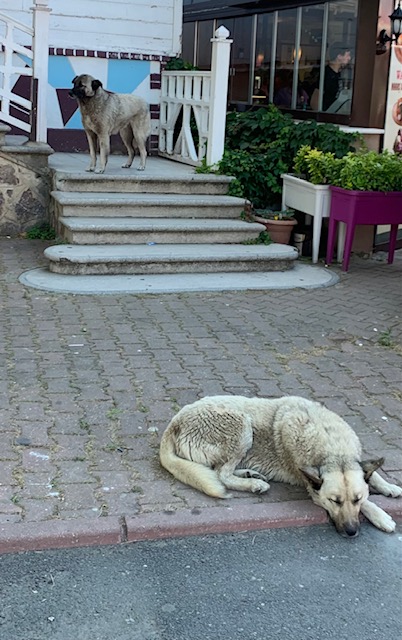
Up and down we walked along the sometimes paved, sometimes dirt (or mud as it were) roads and paths, bidding a buenas tardes to a few horses we passed, having their afternoon snack on a hill. We saw some road signs along the way indicating access prohibited to the finca (property), though we weren’t driving so on we walked. At one point, we saw two large dogs up ahead. They saw us too and proceeded to bark and approach. They didn’t appear to be aggressive but Phil grabbed the small umbrella from the side of our backpack and held it in his hand just in case and told the dogs to go on, in an firm voice. As we got closer we could tell the dogs were a couple of old guys, wagging their tails. It is very unusual to see dogs without owners nearby so we were still cautious but proceeded on our way as the dogs followed leisurely behind us and eventually turned around.

We could sense we were nearing Campa Torres and I kept expecting to come upon the main road any moment. From Campa Torres one can see Aboño thermal power plant, the last coal powered thermal power plan in Spain. It is nestled in the Valley, next to the sea. Like many industrial scenes in Asturias, it seems strange to see a smoke spewing, coal fired complex in juxtaposition to the rolling green hills and blue of the Cantabrian Sea. The road we encountered and were to take was not the main road but one that lead us directly through the power plant.

As we descended the hill into an area that felt like surly we should not be in, we put our face masks back on due to the smell. We walked past train cars making their way down the line, full to the brim of coal. We saw another huge pile of coal with a machine that looked like a mini Ferris wheel shoveling it. Trucks full of coal drove past us. I kept imagining a guy in a golf cart wearing a hard hat driving up to us asking what the heck we were doing there and to get the hell out but no on seemed to care and on we went.

Eventually our path split and I knew the one leading straight up the mountain was ours. Escalar escalar. The path zig-zagged a bit but continued up. We stopped to catch our breath and Phil, consulting his phone, announced that Les Cabañes was at the top of the hill, only a few minutes away. The promise of a seat, some snacks, and a cold beer put some pep in my step as we climbed on. Dogs on either side of the road, behind fences barked as we passed. Barking dogs are the soundtrack to pretty much any walk we take in a residential area. Up ahead of us, another large, loose dog barked down at us. Phil, again, in a firm voice told him to go on, and he did. As we climbed the last leg toward the Les Cabañes parking lot, I remembered the second bocadillo in the backpack I was wearing and the loose dog we just past and I tell you, I’ve never climbed so quickly.

We arrived at Les Cabañes just before sunset and ordered two beers which came with a large plate of pinchos. The sunset was breath taking, in hues of pinks and purples. The power plant even appeared beautiful, awash in the bright colors.

We finished our beers and walked another 45 minutes (all downhill thank goodness) and caught the bus home from the Natahoyo neighborhood. Another wonderful Asturian adventure in the books.

From the Les Cabañes website

*When I wrote about Campa Torres, I talked about our first trip to Les Cabañes and mentioned they are known for their Lamb on a steak or cordero a la estaca. I also mentioned that we would go back for a proper meal and I would tell you all about it. We did for for a proper meal just before Christmas. The lamb and the rest of the food was delicious and the service excellent. Photos from our feast below.

Cena de Nochebuena

We were invited to spend Nochebuena (Christmas Eve) with our friend Diana and her family. We were excited to be able to experience a real Spanish Christmas with a real Spanish family. In Spain, Christmas Eve is a bigger celebration that Christmas Day (I wrote about the Spanish holiday season here).

Diana’s mother, Margarita, hosted dinner at her home. We knew Margarita was a good cook from what Diana has told us and from our personal experience sampling some of her homemade fruit preserves, sauces, and soups. This made us even more excited for the nochebuena feast. Dinner in Spain is not usually eaten until at least 9pm. Typically dinner is a smaller than the midday meal, although nochebuena is a notable exception.

We arrived at Margarita’s home at 8:30pm. Diana, her daughter, Diana, and sister, Reyes, were already there helping with preparation and readying the dining table. We sat in the salon (living room) and visited for a bit and soon the delicious looking food started coming out; plates of cured meat, bread, paté, wine, a delicious spinach salad with goat cheese and pomegranate, a layered dish of avocado and salmon and of course, the pièce de résistance, ensaladilla rusa.

Ensaladilla rusa (or Russian salad) is a very popular dish in Spain. It was first described to us by our profesora, Marta. After she listed off a few ingredients, were were like, “oh, it’s potato salad.” Then we had ensaladilla rusa. While it certainly is reminiscent of American potato salad, it is much better, en mi opinión. We have had it most often as tapas and occasionally as a side dish. We have never had it anywhere close to as good as Margarita’s nochebuena ensaladilla rusa though.

Why is it called ensaladilla rusa, you might ask (we did). Usually we just get a shrug or an “I don’t know.” To be fair, when we asked Diana she said, “why do American’s call patatas fritas french fries?” Touché. I did some googling and found this history (and recipe!) of the salad itself but it is still unclear as to when it became popular in Spain. We also, until the writing of this very post, have been calling it ensalada rusa. Ensalada is the Spanish name for salad. In reading it, I understand the pronunciation difference but I suppose our ears aren’t finally tuned enough to pick up the difference when we’ve been offered ensaladilla rusa (in quick, native Spanish). Both ensalada and ensaladilla translate to salad so I texted Diana to ask her the difference. She said they only use ensaladilla for the russian salad. Fair enough.

Anyway, in describing ensaladilla rusa, I don’t think it would necessarily be appealing to the typical American. “Well, it’s like potato salad only with peas and tuna” but let me tell you, it is delicious. I’ve thought about how good Margarita’s was several times since we’ve have it. Her’s was layered and even included fresh shrimp on top. She sliced it like a cake and we each received a hefty wedge.

After devouring the first slice, she offered me another. I was already getting full but it was so good and it seemed rude to decline (she spent two hours making it!), so I asked for a little more “un poco”. Reyes looked at me and said, “My mom doesn’t know the meaning of a little when it comes to food” and indeed, another generous slice was placed on my plate. With Phil’s help, I finished the second slice. To my and my full belly’s surprise, Margarita had disappeared into the kitchen and was making yet another course (not pictured, sorry!) of gulas/angulas sauteed in olive oil and garlic with shrimp. Angulas are baby eels and gulas is a seafood product that is very common in Spain made of fish paste to resemble angulas (both look like spaghetti). It is kind of like buying crab meat verses imitation crab meat in the U.S. I am not familiar enough with gulas or angulas to taste the difference and only know that whatever Margarita served was delicious.

Next, out came the coffee and desert platters; chocolate, polvorón, turrón, and other tasty delights. I was SO full that I only managed to eat a couple of pieces of turrón and split a polvorón with Phil.

After desert we popped a bottle of champagne and toasted. Margarita also served us a orujo that had been infused with blueberries for six months. Orujo is a Galician pomance brandy, a liquor distilled from the pomance or remnants of a grape pressing (for wine). It was very good, though you could tell the liquor had quite a high alcohol content (100 proof as it turns out!) but the blueberries mellowed it out. She also served us infused cherries as well.

We had such a wonderful night, eating, drinking, and laughing. Diana and her family are not only warm and welcoming but also have a good sense of humor. They are our kind of people. In fact, we had such a good time, we didn’t leave until 1 am! Young Diana had been watching the Santa tracker online, so we figured it was best to go home and go to bed so he wouldn’t skip our place, as we’ve been very good this year 🙃


Christmas in Spain

I have been looking forward to experiencing the holiday season in Spain since we arrived. At one point Phil asked if I wanted to travel somewhere for Christmas. I did not. There is something very interesting to me about experiencing Christmas traditions in another country, particularly in one as Catholic as Spain. In a country where the Assumption of Mary is a national holiday, I figure they really go all out for Christmas…and they do.

My anticipation has been building since the Christmas streetlights were hung at the end of October. I was hoping they would light them at the first of November. In a country that loves Christmas and doesn’t have Thanksgiving, I thought maybe we would get two solid months of Christmasing! That was not the case. The lights hung, dark, in the streets for a little over a month. I am not someone who usually enjoys Christmas coming early but this year, I could hardly wait. On December 3rd, they were finally illuminated! Phil and I and our friend Utkarsh watched the lighting of one of the many Christmas trees around town, near the paseo maritimo.

Gijón puts out a booklet guide for the holidays of the various seasonal happenings in the city. Included are; an ice skating rink and a big hill (that looks a bit like a water slide) covered in man-made snow, both erected just for the season! They also have little Christmas markets with artisanal goods, Christmas music concerts, and a bus tour of the city lights, to name a few.

Ice skating, snow sledding, and carnival rides

The unofficial beginning of Christmas in Spain is December 22nd with the drawing of the National Sorteo de Navidad (Christmas lottery). As in the U.S., one can play the lottery in Spain at any time of year but the Christmas lottery is special. Folks who do not play the lottery regularly will often buy a chance at the Christmas lottery, for themselves or as a gift for someone. You can even buy a partial chance at winning. One ticket is 20€ but you can purchase 1/4 of a ticket if you’d prefer. Unlike the regularly lottery, you can buy a chance at the Christmas lottery almost anywhere: cafe, bar, restaurants, bread and fruit shops, even clothing stores. In fact, we saw signs indicating various business sold the Christmas lottery way before the Christmas lights were hung in the streets.

The official beginning to the holiday celebrations is December 24th, called Nochebuena. According to locals we’ve talked with, Nochebuena is actually a bigger celebration than Dia de Navidad (Christmas Day). Nochebuena is the night that family gathers together for a copious dinner full of meats, wines, and foods not regularly eaten during the rest of the year, with an assortment of deserts as well.

Perhaps the most well known sweet in Spain during Christmas time is turrón. Turrón is a nougat confection, typically made of honey, sugar, and egg white, with toasted almonds or other nuts, and usually shaped into a rectangular tablet. The two traditional types of turrón are turrón blando (soft) and turrón duro (hard). Turrón blando has a consistency similar to fudge and the flavor similar (in my opinion) to a Bit-O-Honey candy in the U.S. Turrón duro is hard and with a flavor and consistency similar to that of peanut brittle, or almond brittle, as the case may be. In addition to these traditional types of turrón, there are many other types incorporating chocolate, cream, and other kinds of nuts. I tried one that was very similar to a walnut maple fudge. In fact, there are so many brands and types of turrón, the grocery store near our apartment rearranged their liquor department to accommodate two large, full tables of of the sweet stuff.

Another very popular, seasonal sweet treat is polvorón . Polvorónes are very crumbly Spanish shortbread made of flour, sugar, lard, milk, and almonds.They are my favorite Christmas tradition so far. Polvo is the Spanish word for dust so polvorón seems a very appropriate name for the crumbly delights. They taste very much like powdered donuts. In fact, I sent some to my parents and my mom texted me to thank me and to tell me she thought polvorón taste like powdered donuts. They also come in different flavors such as chocolate and lemon. Just plain almond is my favorite.

On Christmas Day many children open gifts from Papá Noel. Santa Claus, or Papá Noel, has not always been a Christmas tradition in Spain but has become more popular over the years. Traditionally, presents are instead delivered to children on the 6th of January by the Tres Reyes Magos, or the Three Wise Men. Nowadays, many children receive Christmas presents on both Christmas Day and 6th January, which is the Feast of the Epiphany or Three Kings Day. I think the tradition of the Tres Reyes Magos bringing gifts to children actually makes much more sense in keeping with the Christian Christmas story; the Three Wise Men visiting the newly born baby Jesus, bearing gifts. Outside of many windows we’ve seen small ladders, depicting the three wise men climbing into the house to bring gifts.

On December 28th, Spain celebrates el dia de los Santos Inocentes. This has become a day similar to April Fool’s Day in the U.S. as people play jokes or pranks on each other. There is a tradition of putting paper cut-outs on others’ backs. Also common on that day for newspapers and TV stations to print or broadcast “news” stories based in humor rather than fact; our teacher compared it to Orson Wells’ alien invasion broadcast many, many years ago.

On Nochevieja (New Years Eve) friends gather to celebrate the end of the year. There is a Spanish tradition, “las 12 uvas de la suerte” (the 12 grapes of luck), during which people gather in the plaza mayor (town square) or in their homes and in the last 12 seconds before the clock strikes midnight, one eats a grape for each second of the countdown, followed by drinking cava (Spanish sparkling wine). Each grape represents a month of the year and for every grape you manage to eat, it’s said you will have a month of good luck. It sounds like a major choking hazard to me but I suppose luck is on your side.

After midnight, people dance and drink and celebrate El Año Nuevo until dawn. On the way home, it is customary to stop and buy chocolate con churros para llavar (to go) and take them home and eat them in bed.

On January 5th, cities and towns have big parades and street celebrations featuring los Tres Ryes Magos. Excited children wave to the wise men as they await their gift deliveries. January 6th, Three Kings Day, is the last official day of the holiday season in Spain.

Many folks have asked what Phil and I will be doing for the holidays this year. Well, we are lucky enough to have been asked to join our friend Diana and her family at the home of her mother for Nochebuena. We feel honored to have been asked and we are excited to experience a true Spanish Christmas. Diana and her daughter, Diana, joined us for a Thanksgiving meal we had at our apartment this year. We enjoyed sharing a bit of our traditions with them. Diana even brought a turrón cake which as amazing; soft and fluffy like a mousse crossed with cheesecake and a cookie crust.

For New Years Even, we will be traveling to Mallorca, the largest of the Baleaeleric Islands located 200km off the Spanish mainland. I feel pretty confident in my ability to eat 12 grapes but much less so in my ability to stay up dancing until dawn. I am all about eating churros con chocolate in bed, regardless of date or occasion.

I hope you all have a safe and happy holiday season!